
Stop Throwing Profits in the Brown Bin
What You Really Need to Know
HACCP Compliance Failures Behind FSAI Inspection Closures
Many FSAI closure orders in Ireland are linked to poor HACCP compliance. HACCP compliance failures include missing temperature records, inadequate cleaning schedules, and unsafe food handling practices. When HACCP compliance in Ireland is not documented correctly, FSAI inspectors often record inspection failures that result in closure orders.
FSAI closure orders in Ireland surged in 2024, with many businesses failing inspections due to poor HACCP compliance in Ireland. Discover the most common inspection failures and how to avoid them.
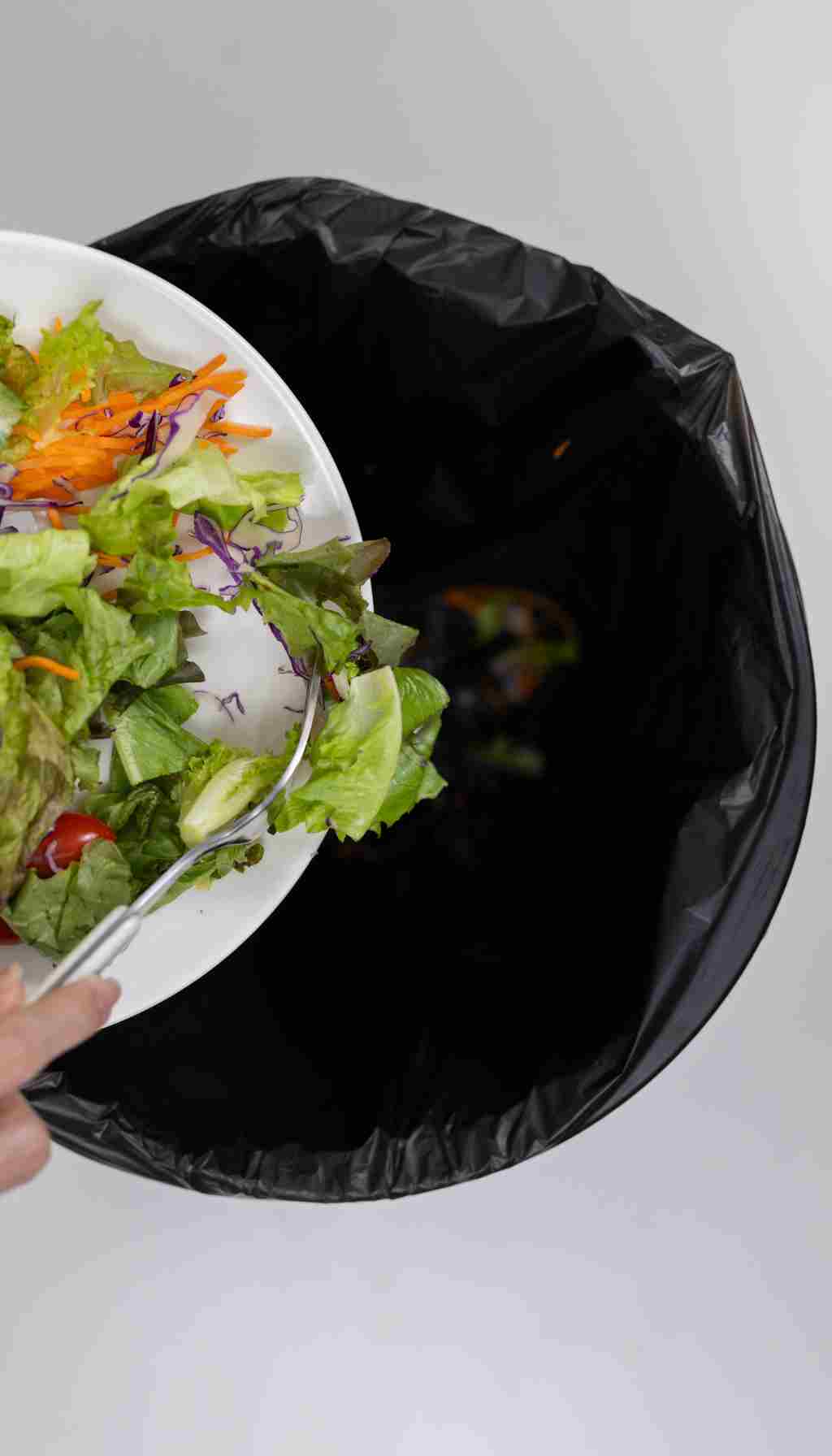
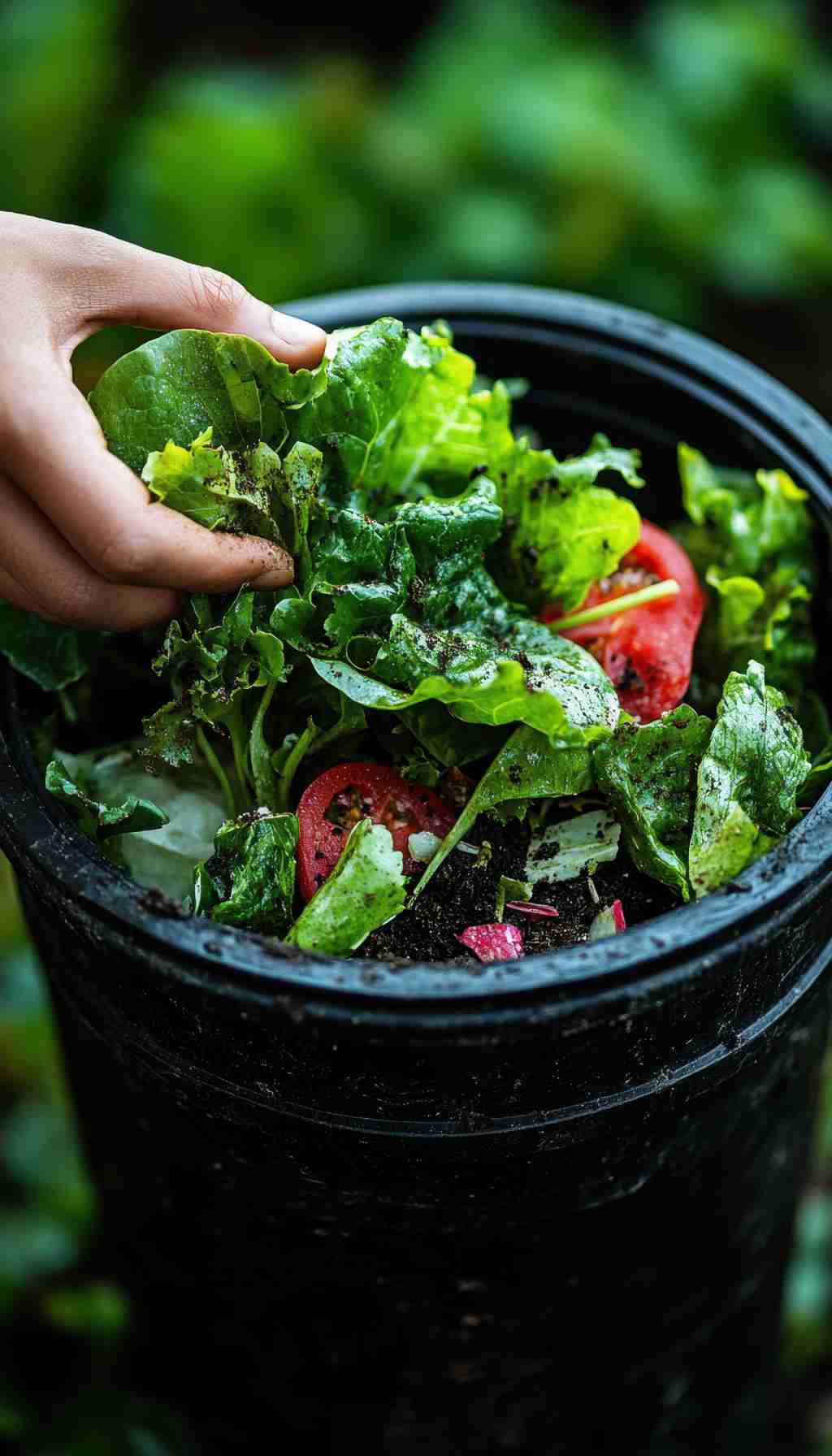
Look in your brown bin right now. Go on, have a proper look. See that bag of wilted salad leaves? That’s €15 you’ll never see again. Those vegetable trimmings that could have made stock? Another €8 gone. That tray of roasted vegetables that got pushed to the back of the fridge and forgotten? €25 thrown away.
Now multiply that by every day in December.
Food prices in Ireland are higher than they’ve ever been. Supply chains are unpredictable. Margins are tighter than a drum. And yet, the average Irish
According to the Environmental Protection Agency (EPA), Ireland generated 835,000 tonnes of food waste in 2023 that’s 162 kg per person. But here’s the sobering part for food business owners: hospitality and food service generate approximately 920,000 tonnes of food waste annually, with hotels alone creating 79,000 tonnes.
Every kilogram of wasted food represents the money you paid for ingredients, the labour cost to prepare it, the energy cost to cook or refrigerate it, the waste disposal cost to bin it, and the lost revenue from the dish you could have sold.
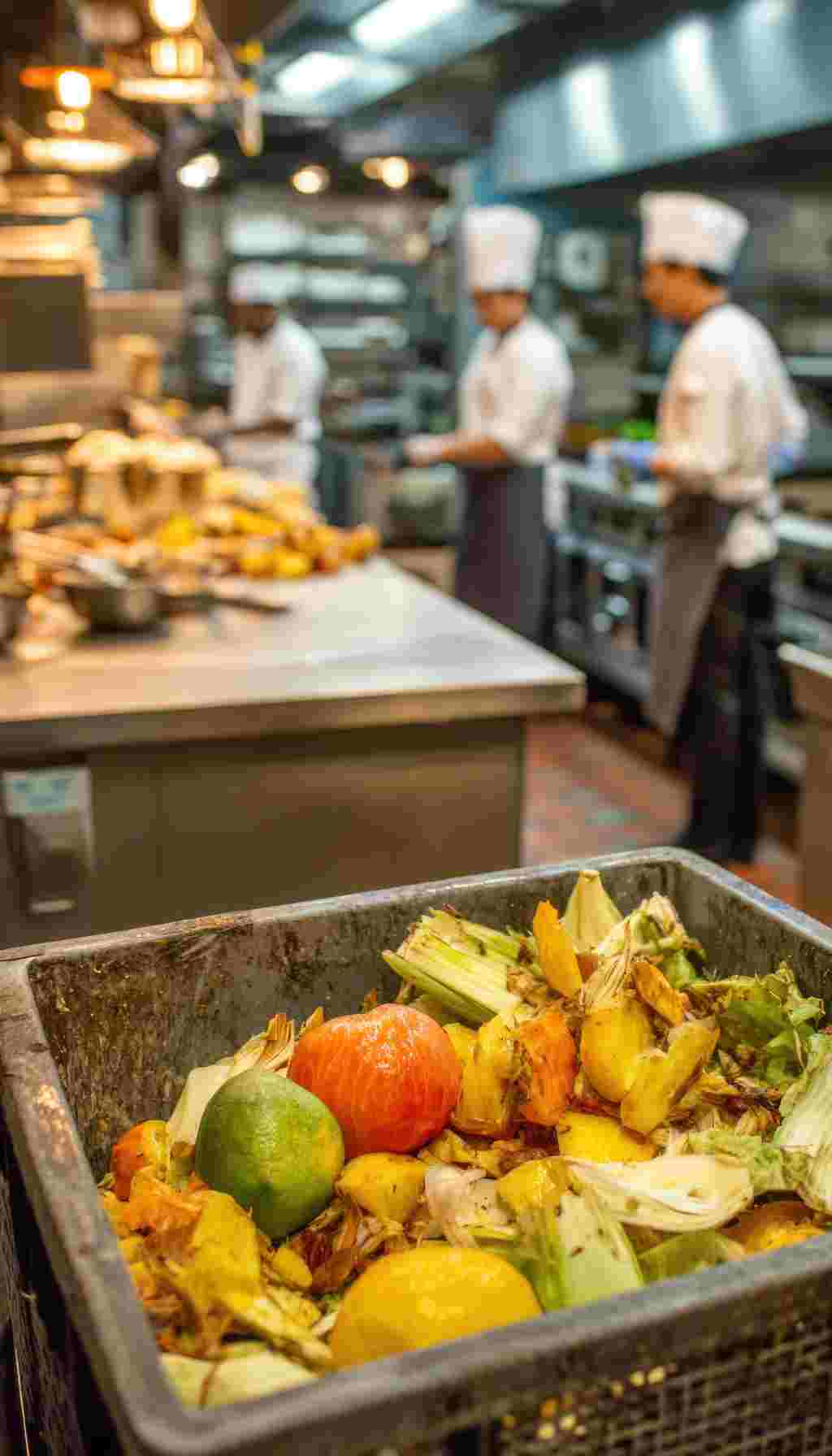
And during the Christmas rush, when portion control goes out the window, when the walk-in fridge is packed to bursting with emergency stock, when inexperienced seasonal staff are rushing through prep food waste spirals out of control.
But here’s what most business owners don’t realise: food waste isn’t just a purchasing problem or a menu design problem. It’s fundamentally a food safety management problem. And that means it’s solvable.
The Hidden Connection Food Safety Training and Profit Protection
When you think about HACCP training, you probably think about preventing food poisoning, passing inspections, and keeping customers safe. All true and all vital.
But HACCP Hazard Analysis and Critical Control Points is fundamentally about control. Control of temperatures, control of contamination, control of processes. And when you have proper control systems in place, managed by trained staff who understand them, something magical happens: your food waste plummets.
Why? Because the same principles that prevent food poisoning also prevent food spoilage:
- Proper temperature control keeps food fresher longer
- Correct stock rotation (FIFO) prevents items being forgotten and expiring
- Good labelling and date-coding systems ensure nothing gets lost
- Understanding use-by vs. best-before dates prevents premature disposal
- Knowledge of safe food handling allows creative reuse of ingredients
Staff who understand food safety don’t just keep customers safe they protect your profit margins.

The December Danger Zone When Waste Spirals
Let’s be brutally honest about what happens in most hospitality businesses during December:
Week 1 – You’re prepared. You order extra everything. The walk-in fridge is rammed. You feel ready.
Week 2 – Suppliers are delivering more frequently. New stock arrives before you’ve used the last batch. Things get pushed to the back. The FIFO system breaks down under pressure.
Week 3 – Your kitchen is slammed. Portion control becomes “just get it out.” Your 200g turkey portions are suddenly 250g. Customers can’t finish. Plates come back half full. That’s profit in the compost.
Week 4 – Christmas Day has passed. You finally check the fridges properly. Unopened smoked salmon past its date. Separated cream. Wilted vegetables. You bin the lot and wince at the total.
Sound familiar? For most food businesses, December food waste is 30-50% higher than other months. That’s not just unfortunate it’s directly eating into what should be your most profitable trading period.
The Legal Framework FIFO Isn’t Just Best Practice, It’s Required
Here’s something many food business owners don’t realise proper stock rotation isn’t optional. It’s a legal requirement under your HACCP system.
The Food Safety Authority of Ireland (FSAI) explicitly states that food businesses must “label all high-risk foods with clear date codes” and “use the First In, First Out (FIFO) system to ensure older stock is used first.”
FIFO – First In, First Out – is the cornerstone of stock rotation. The oldest stock (first in) gets used before newer stock. Simple concept. Massively underused in practice.
Why does this matter beyond food safety? Because when FIFO breaks down:
- Stock expires before being used
- Quality deteriorates, requiring disposal even if technically safe
- Staff waste time searching for ingredients because storage is chaotic
- You have no accurate picture of what you actually have in stock
- Over-ordering happens because nobody knows what’s already there
The FSAI’s guidance ensures food safety. But safe food management is also profitable food management the two goals are completely aligned.
The Real Cost of Food Waste in Your Business
Let’s make this concrete with real numbers from a typical mid-sized Irish restaurant:
Monthly Food Purchase: €15,000
Industry Average Waste: 10-15%
Your Monthly Food Waste: €1,500 – €2,250
Let’s make this concrete with real numbers from a typical mid-sized Irish restaurant:

Monthly Food Purchase: €15,000
Industry Average Waste: 10-15%
Your Monthly Food Waste: €1,500 – €2,250
In December (with 30-50% increased waste):
Monthly Food Purchase: €20,000 (Christmas stock-up)
Actual Waste: 15-20%
December Food Waste: €3,000 – €4,000
That’s €3,000-€4,000 thrown in the bin in a single month. Money that should have been profit.
Now let’s look at what happens when you implement proper waste management through better food safety practices:
With Proper HACCP Systems and Trained Staff:
Reduced Waste: 6-8% (industry best practice)
December Waste: €1,200 – €1,600
Money Saved: €1,800 – €2,400
In one month, proper systems and training save you enough to pay for HACCP training for your entire team five times over, buy equipment you’ve been putting off, or give your core staff the Christmas bonuses they deserve.
FIFO in Practice Making It Work When You’re Slammed
“First In, First Out” sounds simple. In December chaos, it falls apart. Here’s how to make it actually work:
1. Date Everything That Enters Your Kitchen
Not just “Wednesday.” Full dates: Delivered: 12 December 2024. Use by: 14 December 2024.
Use proper labels. Everyone dates their prep the person receiving deliveries, the chef prepping vegetables, the commis portioning proteins. If it’s unpacked and stored, it’s dated.
This is basic HACCP Level 1 knowledge. Every food handler should do this automatically. If your staff aren’t doing it, you have a training gap costing you money every day.
2. Organised Storage with Older Stock at the Front
This is where FIFO lives or dies. Your storage must be organised so that older stock is physically closer to where staff grab it.
In the walk-in fridge:
- Older stock at eye level and at the front
- Newer deliveries go behind or below
- Never put new stock on top of old stock where it becomes invisible
When you’re slammed and a delivery arrives, the temptation is to shove it wherever it fits. That’s when FIFO dies and waste begins. Staff trained in proper food safety management understand why this matters.
3. Daily Checks and Reality Confrontation
Someone needs to check stock daily. Not weekly. Daily.
This person checks dates, identifies items approaching expiry, alerts the head chef, moves items to the “use first” zone, and records what’s being wasted and why.
This daily check takes 15-20 minutes. It saves hundreds of euros in prevented waste. Yet most businesses skip it because “we’re too busy.”
You’re not too busy to throw away €50 worth of food. So you’re not too busy to spend 15 minutes preventing it.
4. Staff Training That Explains the Why
Here’s the difference: Untrained staff think FIFO is bureaucracy. They skip it when busy. Trained staff understand FIFO prevents food poisoning and food waste. They see systems as helpful tools, not hindrances.
That attitude difference is why proper HACCP training pays for itself so quickly. Staff who understand why systems exist follow them even when nobody’s watching.

The Safe Reuse of Food Legal, Profitable, and Underutilised
Let’s tackle the question most chefs wonder about: Can I legally use yesterday’s food in today’s dishes?
The short answer: Yes, if done safely and correctly.

What You CAN Do (Safely and Legally):
Turn Cooked Vegetables into Soup
Yesterday’s roasted root vegetables can become today’s soup, provided they were stored correctly (below 5°C), reheated thoroughly to 75°C for 2+ minutes, used within 24 hours, and weren’t previously reheated (you can only reheat once).
This is explicitly allowed under food safety regulations. Perfectly legal and significantly more profitable than binning €30 of vegetables.
Convert Roast Meat Trimmings into Pies or Rillettes
That turkey crown you carved left 500g of perfectly good meat trimmings. Use them in pies, rillettes, staff meals, or sandwich fillings provided correct storage, reheating to appropriate temperatures, and single reheating only.
Make Stock from Vegetable Trim and Bones
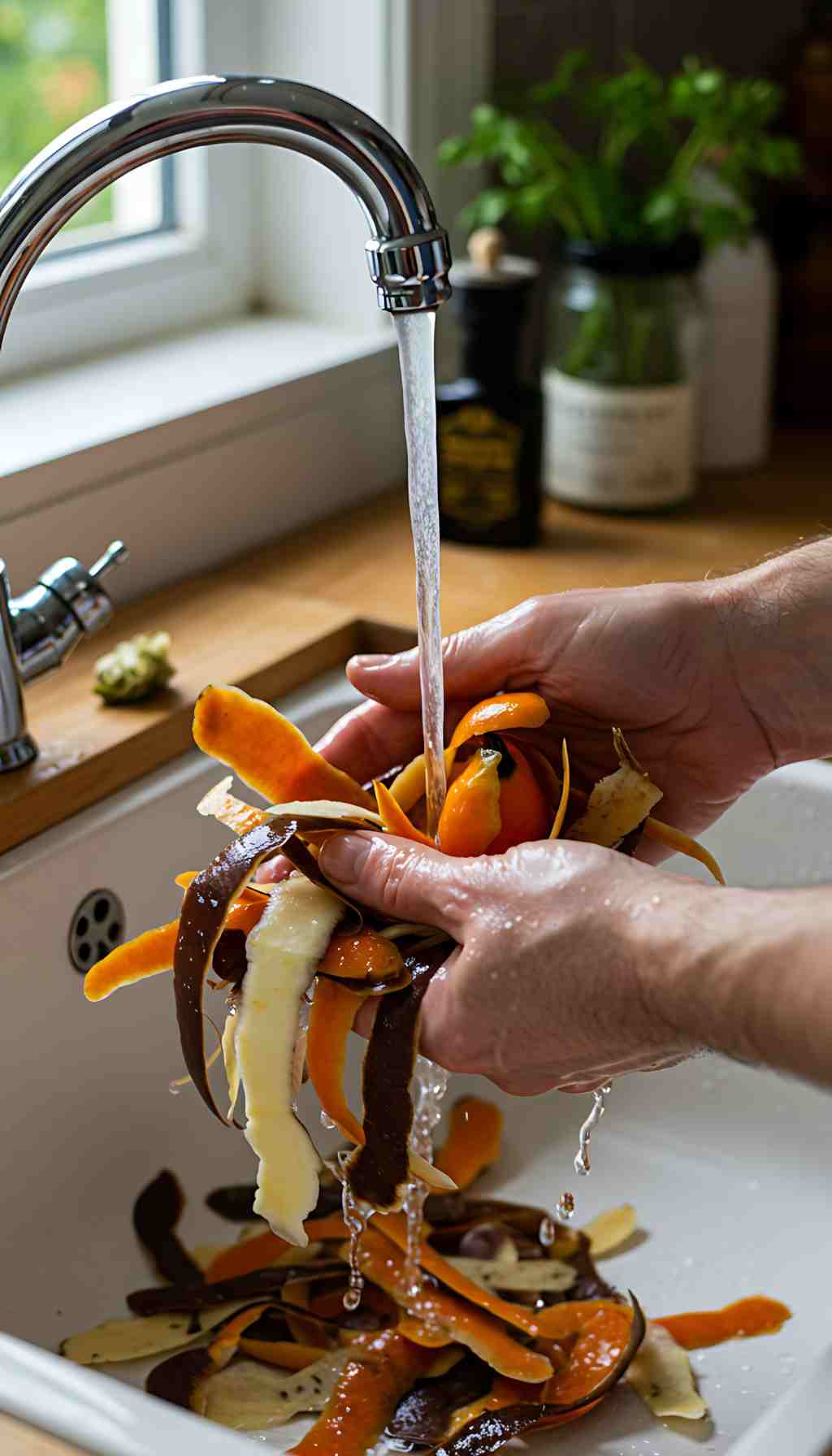
Carrot peelings, onion tops, celery leaves, chicken carcasses, fish bones all make excellent stock. Stock you’re otherwise buying at £5-8 per litre. Stock you’re making essentially for free from “waste.”
Safety requirements: cool rapidly (90 minutes to reach safe temperature), store below 5°C, use within 3 days or freeze, reheat to 75°C before use.
What You CANNOT Do (Illegal and Dangerous):
Reheat Food More Than Once – Food can be cooked once and reheated once. That’s it. Reheating multiple times is explicitly prohibited.
Reuse Food That Went Out to Customers – Those untouched bread rolls from table 7? Cannot be served to table 8. Once food goes to a customer, it cannot be reused. Non-negotiable.
Extend Use-By Dates – You cannot decide chicken “looks fine” two days past its use-by date. Use-by dates are legal safety limits. Violating them is a criminal offense.
Mix Old and New Batches Without Proper Labelling – If you add yesterday’s soup to today’s batch, label with the earliest preparation date. You cannot reset the clock.
Portion Control The Fastest Way to Reduce Waste
Let’s talk about the elephant in the kitchen: portion sizes.
In December, portion control becomes “grab a handful” or “just get it out.”
Here’s what that costs you:
Scenario: Roast Turkey Dinner, €24.95
Specified Portion (€5.20 food cost, 21%):
- 180g turkey, 200g potatoes, 150g veg, 50ml gravy
Actual December Portion (€6.50 food cost, 26%):
- 220g turkey, 250g potatoes, 200g veg, 70ml gravy
You gave away €1.30 per plate. On 1,000 Christmas dinners: €1,300 thrown away through over-portioning alone. Plus those over-generous portions mean customers can’t finish, plate waste goes in the bin, you run out faster, and you over-order for the next service.
The solution is simple but requires training: consistent, measured portions. Use portion scales, measures, scoops, and ladles. Train staff to follow specifications.
The Walk-In Fridge Disaster
Your walk-in fridge in November: organised, visible, proper rotation evident.
Your walk-in fridge on December 20th: a three-dimensional tetris game where items get buried and forgotten.
This is where massive waste happens.
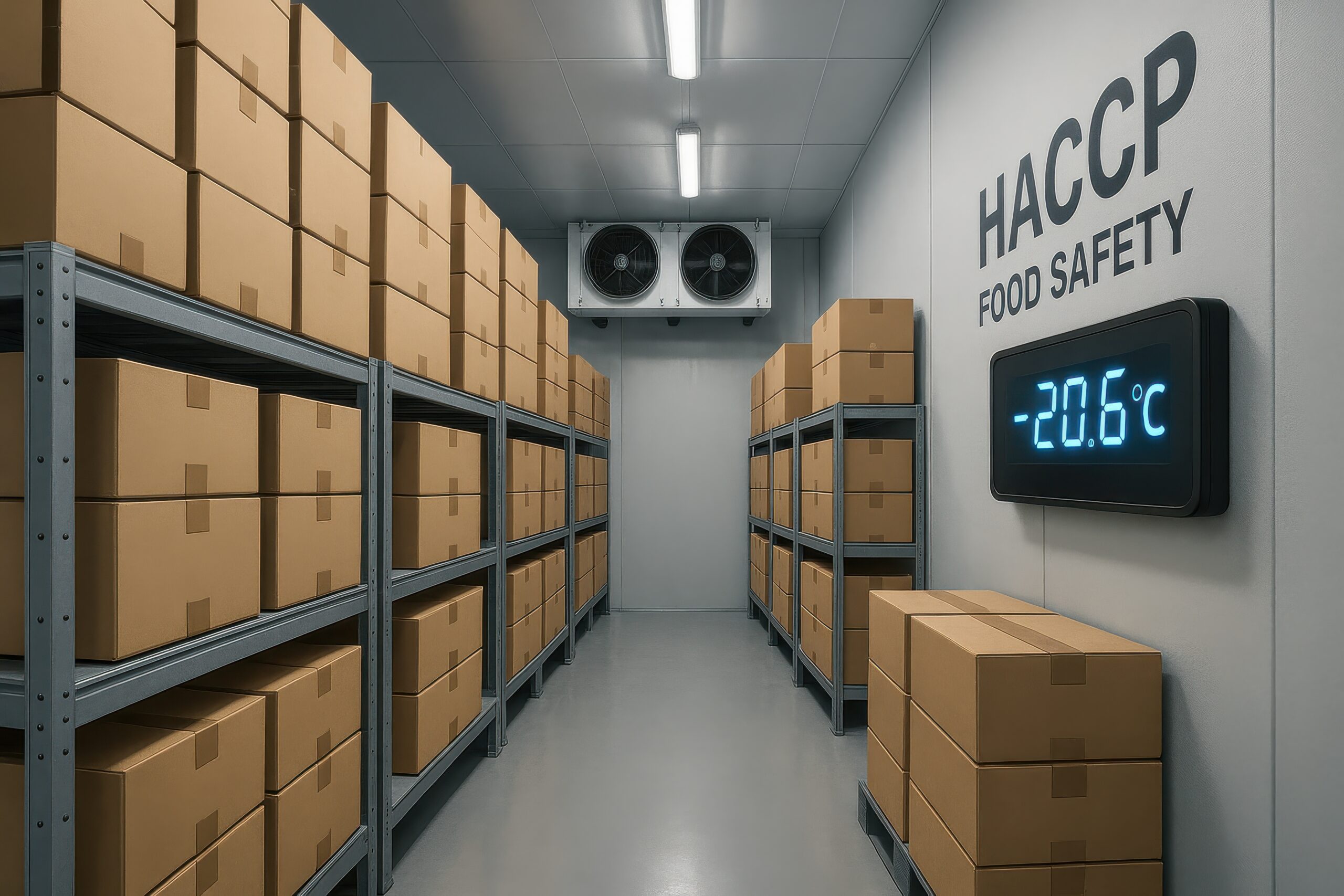
The December Fridge Management System:
- Create Zones – Dairy, meat, vegetables, prep. Each has defined space.
- Maximum Two Deep – If you can’t see it, it gets forgotten.
- Elevated Storage – Everything off the floor for visibility.
- The “Use Today” Shelf – Items that must be used today at eye level.
- Daily Fridge Audit – 15 minutes every morning checking dates and condition.
The Temperature Control Connection
Staff who understand temperature control waste less food. They know:
Hot food in danger zone 2+ hours = must be binned – Trained staff prevent this happening by following procedures.
Slow cooling creates waste – Food taking too long to cool must be binned. Trained staff divide batches, use rapid cooling equipment, and never put hot food directly into the fridge.
Incorrect storage temperatures spoil food faster – Trained staff check regularly with probe thermometers and alert management when fridges struggle.
Improper thawing wastes food – Defrosting at room temperature degrades quality. Proper thawing (fridge or microwave) maintains quality and safety.
HACCP training teaches temperature control for safety. The profit protection is an automatic bonus.
The Return on Investment
Investment Required:
- HACCP Level 1 training for all food handlers: €30-50 per person
- HACCP Level 2 for supervisors: €60-100 per person
- Basic equipment (labels, thermometers, containers): €200-400
- Time implementing systems: 5-10 hours
Total for a 10-person kitchen: €1,000-€1,500
Savings Achieved (Conservative):
- Reduced food waste: €9,000/year
- Better portion control: €5,400/year
- Fewer emergency orders: €2,000/year
- Less spoilage: €1,500/year
Total Annual Savings: €17,900
Payback period: Less than one month
This doesn’t count reduced food poisoning risk, better inspection outcomes, lower insurance premiums, or reduced closure order likelihood.
Proper food safety training doesn’t cost money. It makes money.
The Return on Investment
Investment Required:
- HACCP Level 1 training for all food handlers: €30-50 per person
- HACCP Level 2 for supervisors: €60-100 per person
- Basic equipment (labels, thermometers, containers): €200-400
- Time implementing systems: 5-10 hours
Total for a 10-person kitchen: €1,000-€1,500
Savings Achieved (Conservative):
- Reduced food waste: €9,000/year
- Better portion control: €5,400/year
- Fewer emergency orders: €2,000/year
- Less spoilage: €1,500/year
Total Annual Savings: €17,900
Payback period: Less than one month
This doesn’t count reduced food poisoning risk, better inspection outcomes, lower insurance premiums, or reduced closure order likelihood.
Proper food safety training doesn’t cost money. It makes money.
The Seasonal Staff Challenge
December brings temporary staff who don’t know your systems. If untrained, they’ll waste food through ignorance.
The Solution: Rapid Online Training Before They Start
Before their first shift, temps complete Level 1 Food Safety & HACCP online (3-4 hours), read your kitchen procedures (1 hour), and watch your walkthrough video (15 mins).
They arrive understanding basic food safety principles, the 14 allergens, temperature control requirements, and why systems matter. Your experienced staff aren’t teaching basics they’re refining skills.
The temps are productive faster, waste less, and you’re legally compliant (all food handlers must be trained).
Your Action Plan: Start Today, Save This Month
This Week:
- Conduct a waste audit – look in bins, estimate what you’re throwing away
- Check stock rotation – is FIFO happening?
- Test your team – identify knowledge gaps
- Calculate your waste – understand the cost
This Month: 5. Train everyone – Level 1 for all handlers, Level 2 for supervisors 6. Implement FIFO properly – label, organise, enforce 7. Start daily checks – make it part of opening procedures 8. Review portion sizes – check specs against reality
Ongoing: 9. Monitor waste weekly – track patterns 10. Regular team briefings – make waste reduction part of culture 11. Seasonal training – train temps before their first shift
The Bottom Line: Stop Throwing Money Away
Food waste is the silent profit killer in hospitality. Unlike many business costs, it’s largely controllable. With proper systems, trained staff, and management attention, you can reduce food waste by 30-50%.
That’s not money you have to find. It’s money you’re already spending and throwing away.
The December rush is coming. You can accept that waste always spikes and write off thousands as “just the cost of Christmas trading.”
Or you can implement proper food safety management systems that protect both your customers and your profit margins.
Food safety isn’t just about hygiene. It’s about control. Temperature control. Stock rotation control. Portion control. Process control.
And control equals profit.
Stop throwing money in the brown bin. Start treating food waste as what it really is: poor food safety management costing you thousands.
Your brown bin doesn’t need to be stuffed with cash. Your bank account does.
Strengthen Your Food Safety Knowledge
Strengthen Your Food Safety Knowledge
Proper training is the foundation of effective waste management. Acorn Star provides comprehensive online certification designed specifically for Irish food businesses:
For All Food Handlers:
- Food Safety & HACCP Level 1 – Essential knowledge for everyone handling food
For Supervisors & Managers:
- HACCP Level 2 – Advanced food safety management
- HACCP Level 3 – Comprehensive HACCP implementation
Specialist Training:
- Allergen Awareness – Mandatory allergen management
- Manual Handling – Prevent workplace injuries
- Control of Chemicals – Safe chemical use
- Fire Safety Awareness – Fire prevention & response
All-in-One Package:
- Food Safety, HACCP & Allergen Bundle – Complete certification
Our free learning management system helps you track training, maintain records, and demonstrate compliance. View all courses →
Transform your kitchen’s food safety and profitability. Our HACCP training courses teach the systems that reduce waste, improve safety, and protect profit margins. With our free learning management system, you can track training, demonstrate compliance, and build a culture of control. Because proper food safety isn’t an expense – it’s an investment that pays for itself every month.