
HACCP Training for Small Food Businesses Ireland: A Practical Guide
HACCP training for small food businesses in Ireland is a legal requirement, regardless of the size of your operation. Whether you run a café, food truck, bakery, or home-based food business, you must ensure that all food handlers are properly trained and compliant with food safety law.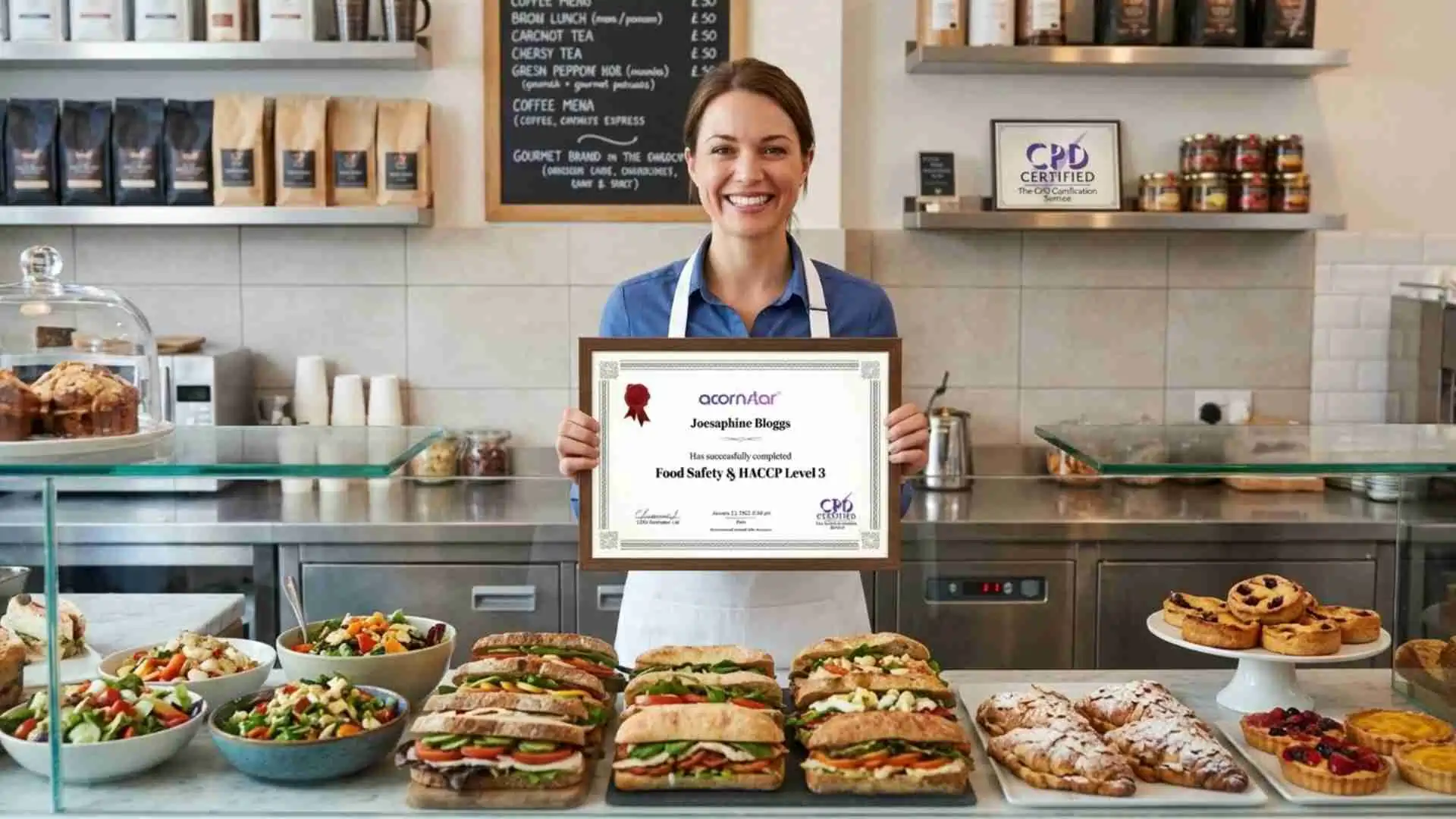
Do Small Food Businesses Need HACCP Training?
Yes — there’s no exemption for small food businesses under Irish or EU food safety law. Under Regulation (EC) No 852/2004, every food business operator must ensure staff are supervised, instructed, and/or trained in food hygiene matters appropriate to their work activity, regardless of the size of the operation.
What changes for small businesses isn’t whether training is required, but how you manage it practically — with fewer staff covering multiple roles, tighter budgets, and often no dedicated compliance person. This guide focuses on making that manageable.
What HACCP Training Does Each Staff Role Need?
Training should match what each person actually does:
- New starters and staff with limited food handling — HACCP Level 1 provides the essential induction-level foundation
- Anyone directly preparing, cooking, or handling open food — HACCP Level 2 is the standard food handler qualification
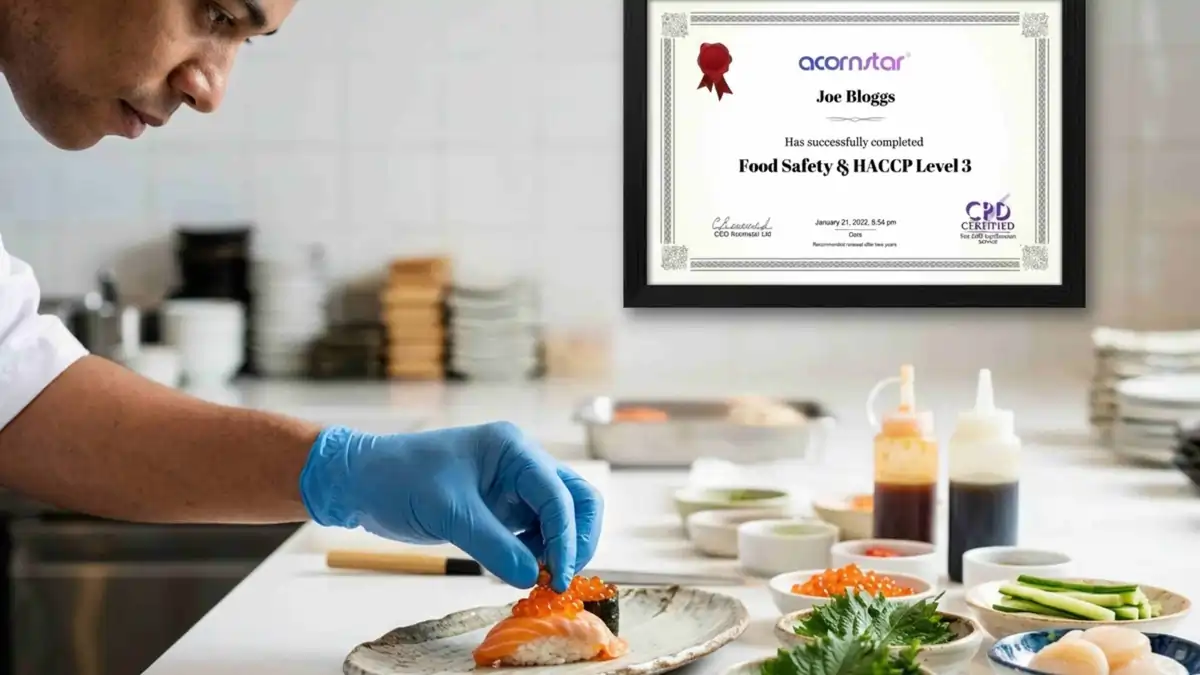
- Owners, managers, and anyone responsible for the HACCP system itself — HACCP Level 3 Management covers developing, implementing, and auditing food safety controls
Not sure which level applies to a specific role? See our full breakdown in HACCP Levels Ireland or check Who Needs HACCP Level 2 Training.
In a small business, it’s common for one person — often the owner — to be both the food handler and the person responsible for the HACCP system. In that case, Level 3 is the appropriate qualification, since it covers the responsibilities that come with owning the food safety system, not just following it.
HACCP Training for Cafés, Takeaways and Food Trucks
Different small-business formats have different practical challenges:
Cafés typically need Level 2 for anyone preparing food or drinks, with the owner or manager holding Level 3. Allergen awareness is particularly important given the volume of made-to-order items.

Takeaways face similar requirements, with the added complexity of managing allergen information across a frequently changing or extensive menu — allergen training alongside HACCP Level 2 is strongly recommended.
Food trucks must meet the same standards as fixed-premises businesses, despite the smaller working space. Staff need Level 2 at minimum, and owners should factor in that mobile operations often face additional scrutiny around temperature control and water supply during EHO inspections.
HACCP Training for Home-Based Food Businesses
Home-based food businesses — such as those selling at markets, online, or through delivery apps — are subject to the same HACCP obligations as any other food business. This surprises many first-time operators.
Key considerations for home-based businesses include registering with your local Environmental Health Officer before trading, completing appropriate HACCP training even if you’re the only person involved, and maintaining the same food safety records (temperature logs, cleaning schedules) that a commercial kitchen would keep.

Training Seasonal and Part-Time Food Staff
Seasonal and part-time staff must be trained to the same standard as permanent staff — there’s no reduced requirement based on hours worked or contract length. In practice, this means:
- New seasonal staff should complete Level 1 before their first shift handling food, with Level 2 following quickly if their role requires it
- Fast, flexible online training makes this manageable even for short-term or high-turnover roles — a new starter can be trained within hours, not days
- Keep clear records of when each seasonal worker completed training, since this is exactly the kind of gap EHOs look for during inspections

Keeping Training Records for an EHO Inspection
Good records are often what separates a straightforward inspection from a difficult one. Small businesses should keep:
- Copies of all staff training certificates, with completion dates
- A simple record of who is trained to which level
- Evidence of when refresher training was completed, if applicable
- Records showing new starters were trained before working with food unsupervised
Our Free LMS* stores all of this automatically, so certificates and completion records are accessible in one place rather than scattered across paperwork or email.
Affordable Ways to Train a Small Team
Managing training costs is a real concern for small operators. A few practical approaches:
- The Level 1 & 2 Bundle combines induction and food handler certification at a lower combined cost than buying separately
- Free Allergen Awareness training is currently included with eligible food safety courses
- Train in stages — start new staff with Level 1 on day one, then progress to Level 2 within their first weeks, spreading the cost and time commitment
- Use the Free LMS* to manage multiple staff members’ training in one place without extra admin cost
Small Business HACCP Training FAQs
How long does HACCP training take?
Level 1 typically takes 1–2 hours, Level 2 takes 3–5 hours, and Allergen Awareness takes 1–2 hours. All courses are online and self-paced, so training can be split across shifts or completed outside working hours.
Do I need HACCP training if I’m the only person in my business?
Yes. Sole operators still need appropriate HACCP training — typically Level 2 at minimum, with Level 3 recommended since you’re also responsible for the food safety system itself.
Is there a cheaper option for training a small team quickly?
The Level 1 & 2 Bundle is generally the most cost-effective way to get a new team member fully trained from induction to food handler level in one package.
Do part-time or seasonal staff need the same training as full-time staff?
Yes — there’s no reduced HACCP training requirement based on hours worked.
What records do I need to keep for an EHO inspection?
At minimum: training certificates for all staff, dates of completion, and evidence that new starters were trained before handling food unsupervised.
Ready to get your team trained? View all our HACCP courses or contact us for guidance on the right training for your small business.