
Food Safety in Healthcare Ireland. Why HACCP Compliance Is Essential
Healthcare food safety standards Ireland demand accredited HACCP systems. Learn what regulators now expect.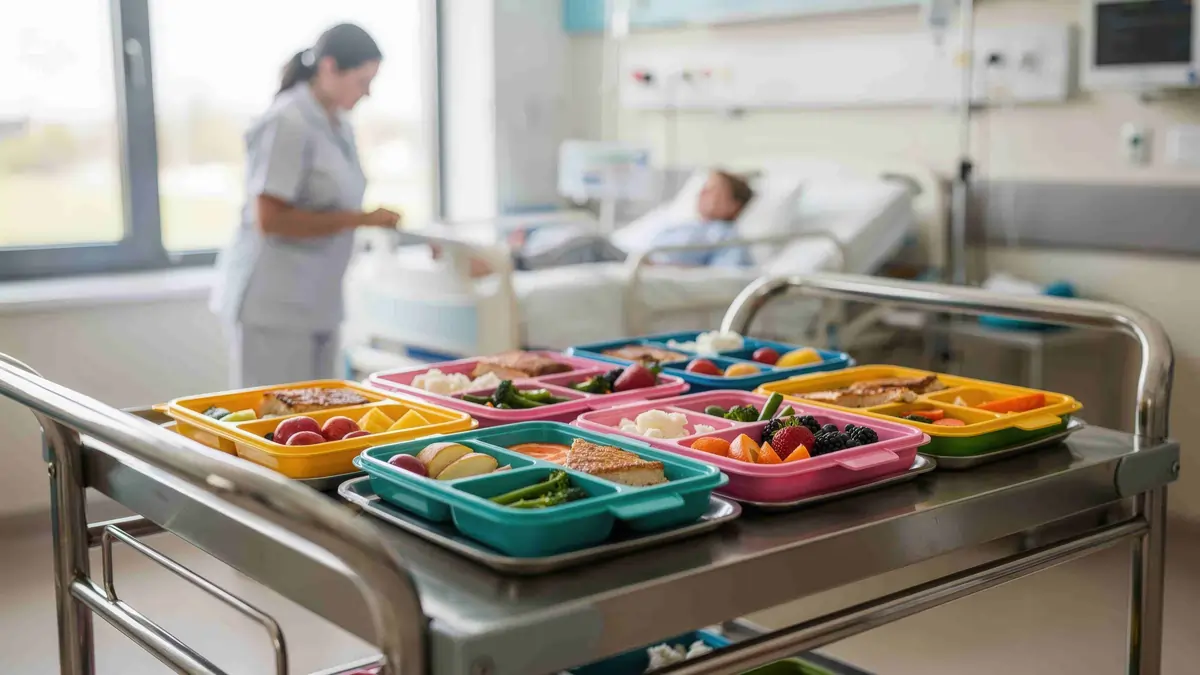
Why Food Safety Risks Are Higher in Healthcare Settings
Food safety in healthcare Ireland carries far greater responsibility than in standard commercial catering. Hospitals, nursing homes and residential care facilities serve vulnerable individuals whose immune systems may already be compromised. Even minor lapses in food safety controls can lead to serious illness, extended hospital stays, or regulatory intervention. This is why healthcare HACCP compliance is not simply a regulatory requirement it is a critical component of patient safety, risk management, and operational accountability.
Food safety in healthcare settings carries stakes far higher than in any other sector of the food industry. When you’re serving vulnerable populations elderly residents, post-surgical patients, individuals with compromised immune systems, or children in paediatric care even minor lapses in food safety protocols can have devastating consequences.
Irish hospitals, nursing homes, care facilities, and community healthcare providers face a unique challenge: they must deliver nutritious, appealing meals to some of the country’s most at-risk individuals whilst maintaining the highest possible food safety standards. The margin for error is virtually non-existent.
As of 2026, the regulatory landscape in Ireland has shifted. With the FSAI Strategy 2025–2029 now in full swing and HIQA’s Schedule 5 policies demanding stricter evidence of staff competency, the choice of training provider has never been more critical.
This is why leading healthcare institutions across Ireland increasingly turn to Acornstar Limited for their HACCP training and compliance needs. This article explores the specific food safety challenges facing the Irish healthcare sector, the evolving regulatory framework, and why robust, accredited HACCP systems are non-negotiable in clinical and care environments.
The Unique Food Safety Risks in Healthcare Settings
Age-Related Vulnerabilities
Elderly residents in nursing homes and care facilities face multiple risk factors: reduced stomach acid production (which normally kills ingested bacteria), chronic health conditions, polypharmacy (multiple medications that may affect immune function), and age-related changes in the immune system.
The Health Service Executive (HSE) identifies older adults as one of the highest-risk groups for severe foodborne illness, making food safety in aged care facilities a critical public health priority.
Texture-Modified and Therapeutic Diets
Many healthcare residents require texture-modified foods (pureed, minced, or soft diets) to address swallowing difficulties. The preparation processes involved in modifying textures create additional food safety risks:
- Extended handling time increases contamination opportunities
- Blending and pureeing can distribute pathogens throughout the food
- Reheating modified foods may not achieve adequate core temperatures
- Modified foods often have shorter safe storage times
Additionally, therapeutic diets for conditions like diabetes, renal disease, or coeliac disease require precise ingredient control, making allergen management and cross-contamination prevention even more critical.
Dependency and Communication Barriers
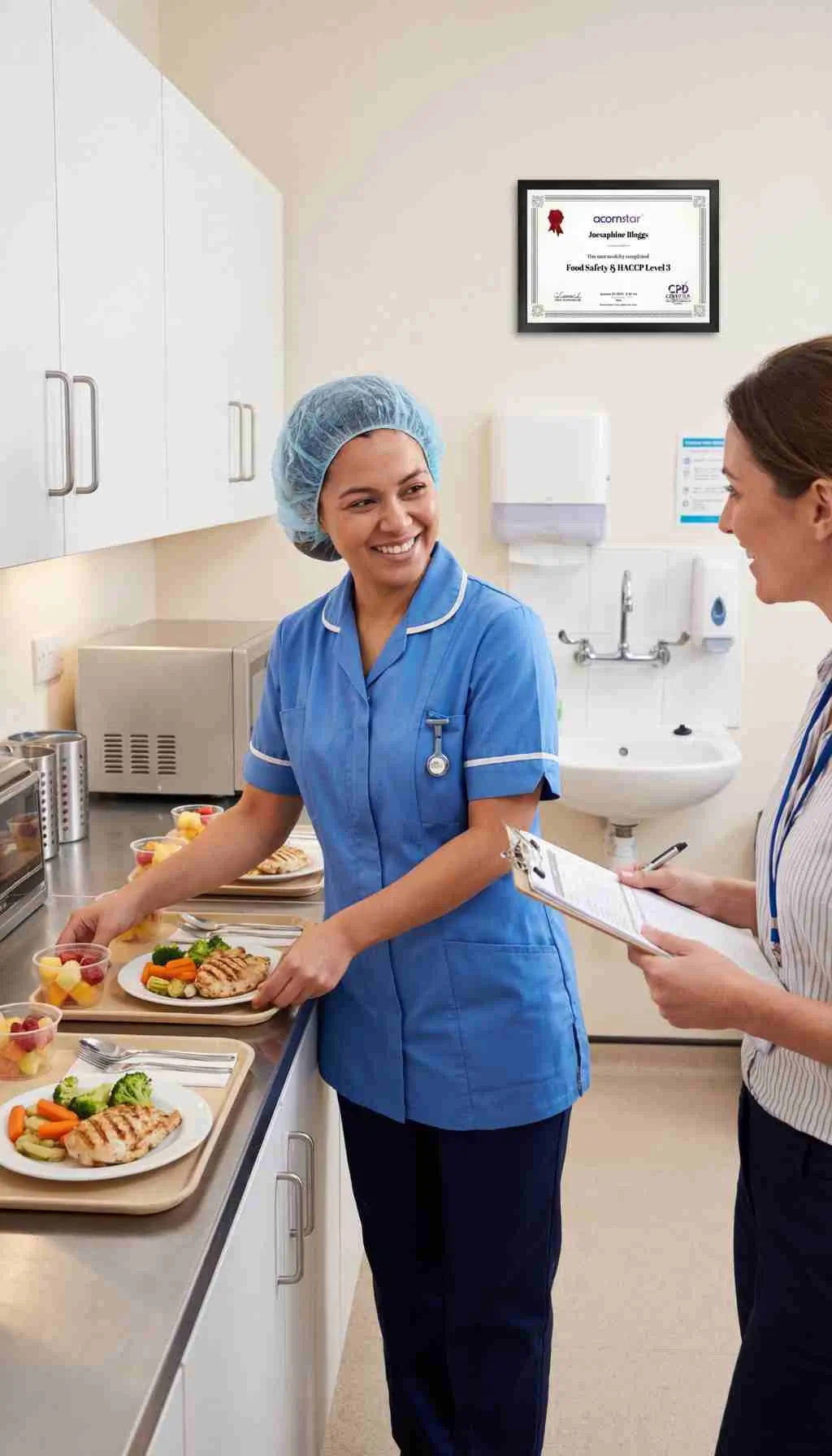
Unlike restaurant customers who can refuse food that appears, smells, or tastes “off,” many healthcare residents are dependent on others for nutrition. Cognitive impairments, communication difficulties, or physical frailty mean they may be unable to identify or report food safety concerns.
This places absolute responsibility on healthcare food service staff to ensure every meal is safe there’s no “second line of defence” from the consumer.

The 2026 Regulatory Framework: What’s Changed for Healthcare Food Safety
Irish healthcare food services now operate under an intensified regulatory framework that demands demonstrable competency and robust systems.
FSAI Strategy 2025–2029: Enhanced Enforcement
The FSAI’s five-year strategic plan, which commenced in 2025, has introduced several significant changes affecting healthcare providers:
Risk-Based Inspection Intensity: Healthcare facilities serving vulnerable populations now face more frequent and more rigorous inspections. The FSAI has explicitly categorised hospitals, nursing homes, and disability care services as high-risk establishments requiring enhanced oversight.
Competency Verification Requirements: Environmental Health Officers (EHOs) are now mandated to verify staff competency through practical assessment, not just review of training certificates. This means staff may be asked to demonstrate procedures, explain critical limits, or walk through corrective action protocols during inspections.
Digital Compliance Expectations: Whilst not legally mandatory, the FSAI now strongly encourages digital record-keeping systems that provide real-time visibility of temperature monitoring, corrective actions, and training status. Paper-based systems, whilst still acceptable, are increasingly viewed as inadequate for complex healthcare operations.
Allergen Management in Healthcare: The strategy includes specific provisions requiring healthcare facilities to maintain comprehensive allergen management systems, including staff training, verified supplier information, and documented communication protocols for therapeutic diets.
These changes reflect the FSAI’s recognition that vulnerable populations require elevated protection beyond standard food safety measures.

HIQA Schedule 5 Requirements: Proving Staff Competency
The Health Information and Quality Authority’s updated Schedule 5 regulations for residential care settings now include explicit requirements around food safety staff competency:
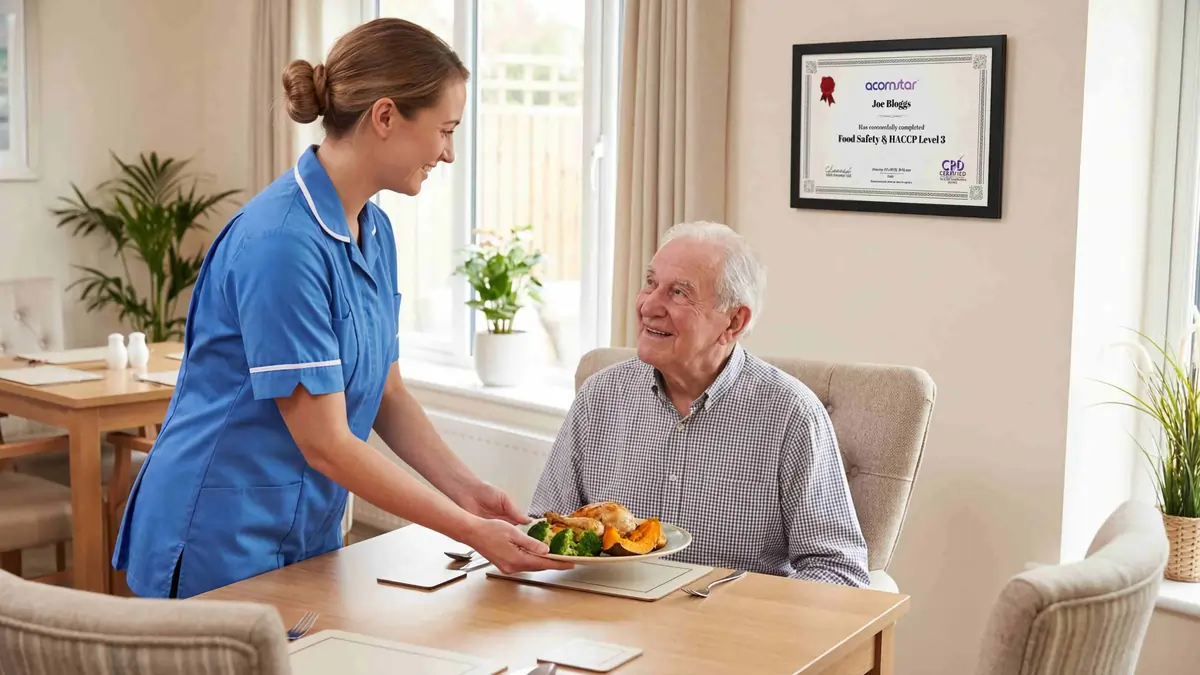
Accredited Training Mandatory: All staff involved in food preparation, service, or supervision must hold accredited HACCP certification appropriate to their role. Non-accredited in-house training is no longer sufficient to demonstrate compliance.
Competency Refresh Cycles: HIQA now requires documented evidence that healthcare food service staff complete refresher training at least annually, with competency reassessment before certification renewal.
Role-Specific Certification Levels: The regulations specify minimum HACCP levels for different roles:
- Food service assistants and kitchen porters: Level 1
- Chefs and cook supervisors: Level 2
- Catering managers and supervisors: Level 3
- HACCP team leaders and catering directors: Level 4
Documented Competency Assessment: Training completion alone is insufficient. Healthcare providers must maintain records demonstrating that staff can actually apply HACCP principles in practice through observation, practical assessment, or competency interviews.
These requirements fundamentally shift the focus from “have staff been trained?” to “can staff demonstrate current, applied competency?”
HSE Service Level Escalation
Healthcare facilities providing services under HSE contracts now face quarterly compliance reporting requirements that include:
- Training certification status for all food service personnel
- Summary of food safety incidents and corrective actions
- Temperature monitoring compliance rates
- Supplier verification audit results
Failure to meet these reporting requirements can trigger contract reviews and, in serious cases, funding adjustments or contract termination.
Why Healthcare Food Safety Failures Have Severe Consequences
When food safety lapses occur in healthcare settings, the outcomes can be catastrophic:
Patient Health Outcomes
Foodborne illness in vulnerable populations can lead to extended hospital stays and delayed recovery, secondary infections and complications, sepsis and organ failure, and in the most severe cases, death particularly in frail elderly or severely immunocompromised individuals.
Recent data from the FSAI indicates that healthcare-associated foodborne illness incidents, whilst relatively rare, have a fatality rate nearly ten times higher than outbreaks in the general population.
Regulatory and Legal Consequences
Under the 2026 framework, healthcare providers face escalated consequences for food safety failures:
- HIQA compliance notices with mandated action timelines
- FSAI enforcement actions including improvement notices, prohibition orders, or closure orders
- Loss of HSE contracts and associated funding
- Civil litigation from affected patients and families
- Criminal prosecution in cases of gross negligence or repeated non-compliance
The financial and operational impact of these consequences can threaten the viability of healthcare facilities.
Reputational Damage
Healthcare providers depend on public trust. News of foodborne illness outbreaks spreads rapidly through media and social networks, causing difficulty attracting new residents or patients, family concerns and potential transfers to competitor facilities, staff recruitment and retention challenges, and erosion of community confidence in the institution.
Rebuilding reputation after a food safety incident can take years and require significant investment in remediation, communication, and quality improvement.
Core HACCP Requirements for Healthcare Food Services in 2026
Effective food safety in healthcare requires rigorous HACCP implementation tailored to the specific risks and vulnerabilities of the population served, and aligned with the enhanced regulatory expectations now in force.
Hazard Analysis Specific to Vulnerable Populations
Healthcare HACCP plans must account for the elevated risks facing immunocompromised, elderly, and medically complex individuals. This means identifying additional biological hazards (e.g., Listeria, which can grow at refrigeration temperatures), recognising that lower pathogen doses may cause illness, accounting for texture modification processes that alter risk profiles, and considering therapeutic diet requirements and potential cross-contamination.
Stringent Critical Control Points
Healthcare facilities typically implement more CCPs than commercial operations, including cooking temperatures (often 75°C core temperature for at least 2 minutes), hot holding (strict maintenance above 63°C), rapid chilling protocols, reheating to 75°C core temperature, and cold storage maintained below 5°C with enhanced monitoring frequency.
Enhanced Monitoring and Documentation
The 2026 regulatory framework expects more frequent monitoring and more detailed documentation than ever before, including temperature checks at multiple points in the food flow, documented checks for every meal service, real-time alerts for temperature deviations, comprehensive corrective action logs with root cause analysis, and digital systems that provide audit trails and management visibility.
Supplier Verification and Traceability
Healthcare facilities must implement robust supplier approval processes with approved supplier lists, regular supplier audits, batch tracking and traceability systems, clear specifications for high-risk ingredients, and verification of temperature control during delivery.
Why Irish Healthcare Providers Choose Acornstar in 2026
Healthcare food safety cannot be managed with generic, one-size-fits-all training. The sector’s unique requirements and the intensified regulatory framework demand specialist expertise, and this is where Acornstar Limited has built a strong reputation across the Irish healthcare sector.

Internationally Accredited Certification
All Acornstar HACCP training is internationally accredited and certified, satisfying the mandatory accreditation requirements of HIQA Schedule 5, FSAI inspections, and HSE service agreements. Our certifications demonstrate to regulators that your staff have received training meeting recognised professional standard not just internal, non-verified programmes.
We offer training from HACCP Level 1 through to HACCP Level 4, ensuring compliance with HIQA’s role-specific certification requirements at every level of your organisation.
Competency Assessment and Verification
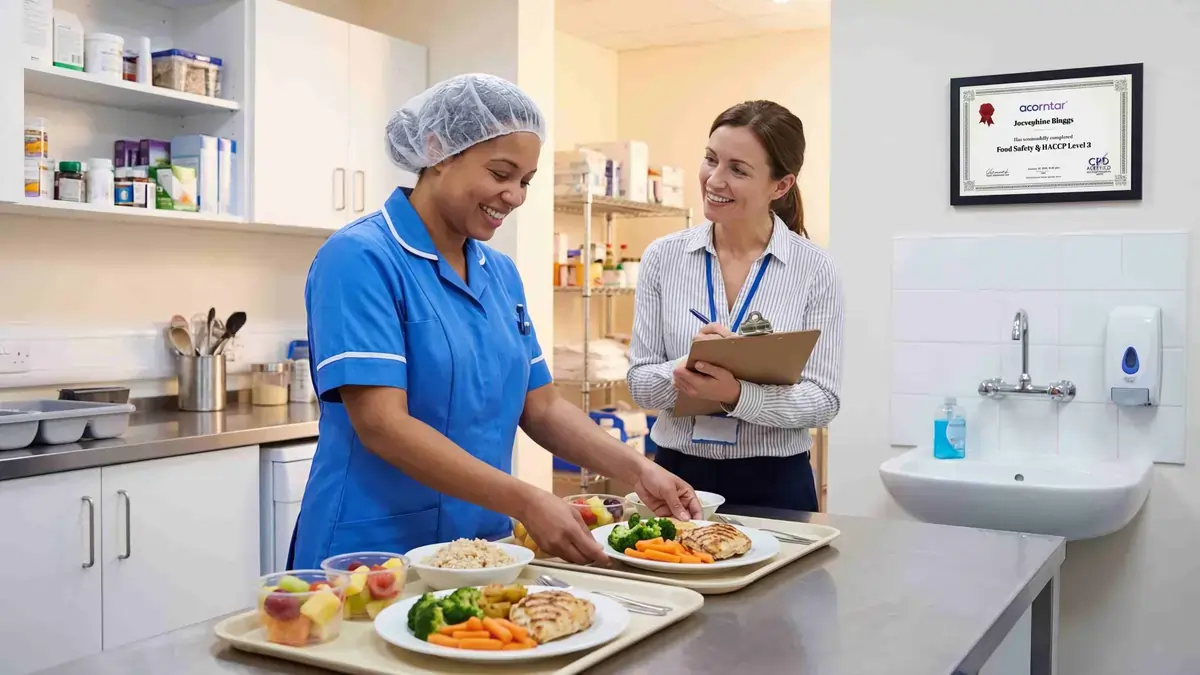
Unlike training providers that simply issue certificates after course completion, Acornstar includes competency assessment as standard. This means staff must demonstrate applied understanding through practical scenarios, case studies, and knowledge verification providing the evidence HIQA inspectors now require.
Our assessment records give healthcare providers documented proof that staff can actually apply HACCP principles in practice, not just that they attended a training session.

Free Management Portals for Healthcare Compliance
Managing training records, certification renewals, temperature logs, corrective actions, and audit documentation across large healthcare facilities with multiple departments and high staff turnover is extraordinarily complex particularly under the enhanced reporting requirements now in place.
Acornstar’s free management portals provide healthcare providers with centralised systems to track certification status for all food service staff, store HACCP documentation accessible for HIQA and FSAI inspections, generate quarterly compliance reports for HSE submissions, monitor temperature records and corrective actions in real-time, and schedule refresher training automatically to ensure continuous compliance.
This digital infrastructure directly addresses the FSAI’s digital compliance expectations and HIQA’s documentation requirements, transforming compliance from an administrative burden into a streamlined, verifiable process.
Experience with Over 3,000 Irish Businesses
Acornstar supports over 3,000 B2B customers across Ireland, including hospitals, nursing homes, disability care facilities, and community healthcare providers. This extensive experience means we understand the practical challenges of healthcare food service operations, the specific requirements of the 2026 regulatory framework, how to implement HACCP systems that satisfy current HIQA and FSAI expectations, and the resource constraints and staffing pressures healthcare facilities face.
We don’t just deliver trainin we partner with healthcare providers to build sustainable, effective food safety systems that meet today’s regulatory standards.
Practical Steps for Healthcare Food Safety Excellence in 2026
Healthcare providers looking to strengthen their food safety systems under the current regulatory framework should focus on these priorities:
- Verify Training Accreditation Status: Review all current staff certifications and ensure they come from recognised accreditation bodies. Non-accredited training no longer satisfies HIQA requirements.
- Implement Role-Appropriate Certification Levels: Match staff HACCP levels to HIQA Schedule 5 requirements for their specific roles. Kitchen porters need Level 1, but catering managers require Level 3 or 4.
- Schedule Annual Refresher Training: HIQA’s refresh cycle requirements mean annual training is now mandatory, not optional. Build it into your operational calendar.
- Transition to Digital Documentation: If you’re still using paper-based systems, begin planning migration to digital platforms that provide the real-time visibility and audit trails regulators increasingly expect.
- Strengthen Supplier Verification: Enhanced traceability expectations mean tighter supplier management. Ensure approved supplier lists are current and verification audits are documented.
- Prepare for Competency-Based Inspections: Train staff to expect practical questions and scenario-based assessment during HIQA and FSAI visits, not just document review.

The Bottom Line
Food safety in healthcare isn’t just about regulatory compliance it’s about protecting some of the most vulnerable members of Irish society. The consequences of failure are too severe to accept anything less than the highest standards of HACCP implementation and staff competency.
With the FSAI Strategy 2025–2029 and HIQA Schedule 5 requirements now in full force, healthcare providers face more rigorous expectations than ever before. The choice of training provider directly impacts your ability to meet these standards and maintain uninterrupted operations.
Irish hospitals and care homes that partner with Acornstar benefit from specialist training designed for the 2026 regulatory landscape, mandatory accredited certification, competency verification systems, and management platforms that streamline compliance. This investment protects patients, satisfies regulators, and provides peace of mind that every meal served meets the rigorous standards vulnerable populations deserve.
Elevate food safety standards in your healthcare facility to meet 2026 requirements. Visit www.acornstar.com to explore our healthcare-specific HACCP training programmes or book a consultation with our food safety experts. With over 3,000 Irish businesses trusting Acornstar for compliance excellence, we’ll help you build food safety systems that satisfy current HIQA and FSAI standards whilst protecting your most vulnerable residents and patients.
Complete Food Safety Support: From Training to Consultancy
At Acorn Star, we don’t just provide courses; we partner with you to ensure your business meets the highest safety standards. Whether you need online certification for your team or hands-on expert advice, we have you covered.
Expert Consultancy Services
Sometimes you need more than just training. Our Food Safety Consultancy Services offer on-site auditing, HACCP plan development, and expert guidance to help you navigate complex regulations and pass EHO inspections with confidence.
Essential Online Training
Ensure your staff are certified with our industry-leading courses. (Note: Free Allergen Awareness training is currently included with eligible food safety courses).
- Food Safety HACCP Level 1: The perfect start for new staff.
- HACCP Level 2 Training: Mandatory for all food handlers.
- HACCP Level 3 Management: For supervisors and head chefs.
- Level 1 & 2 Bundle: Complete coverage from induction to handler level.
- Allergen Awareness: Vital training on the 14 major allergens.
Workplace Safety
Free LMS for Business Customers
Manage your compliance effortlessly. Our Free Learning Management System allows you to enroll staff, track progress, and access certificates in one smart, easy login. It delivers significant cost savings compared to other platforms and cuts down your admin time instantly.
Contact us to discuss consultancy or training bundles, or view all courses here.
“But my head chef already has a food safety certificate why does he need more training?” This question comes up repeatedly when food business owners review their training obligations. The certificate on the staff room wall shows HACCP Level 1 or Level 2, the legal box appears ticked, and surely that’s enough?
Not quite. In fact, not even close.
Here’s the reality that catches many Irish food businesses off guard: the legal requirement isn’t simply to have trained staff it’s to ensure staff are “supervised and instructed and/or trained in food hygiene matters commensurate with their work activity.” That final phrase is crucial, and it’s where many businesses fall short without even realising it.
Your head chef, sous chef, kitchen supervisor, or anyone managing food safety in your operation isn’t performing the same role as a line cook or food handler. They’re not just cleaning surfaces, monitoring temperatures, and following procedures someone else created. They’re designing those procedures, troubleshooting when things go wrong, training others, making critical food safety decisions independently, and ultimately bearing responsibility when inspectors arrive.