
Turkey Shortage 2025 How Food Businesses Can Protect Food Safety and Stay Compliant
What You Really Need to Know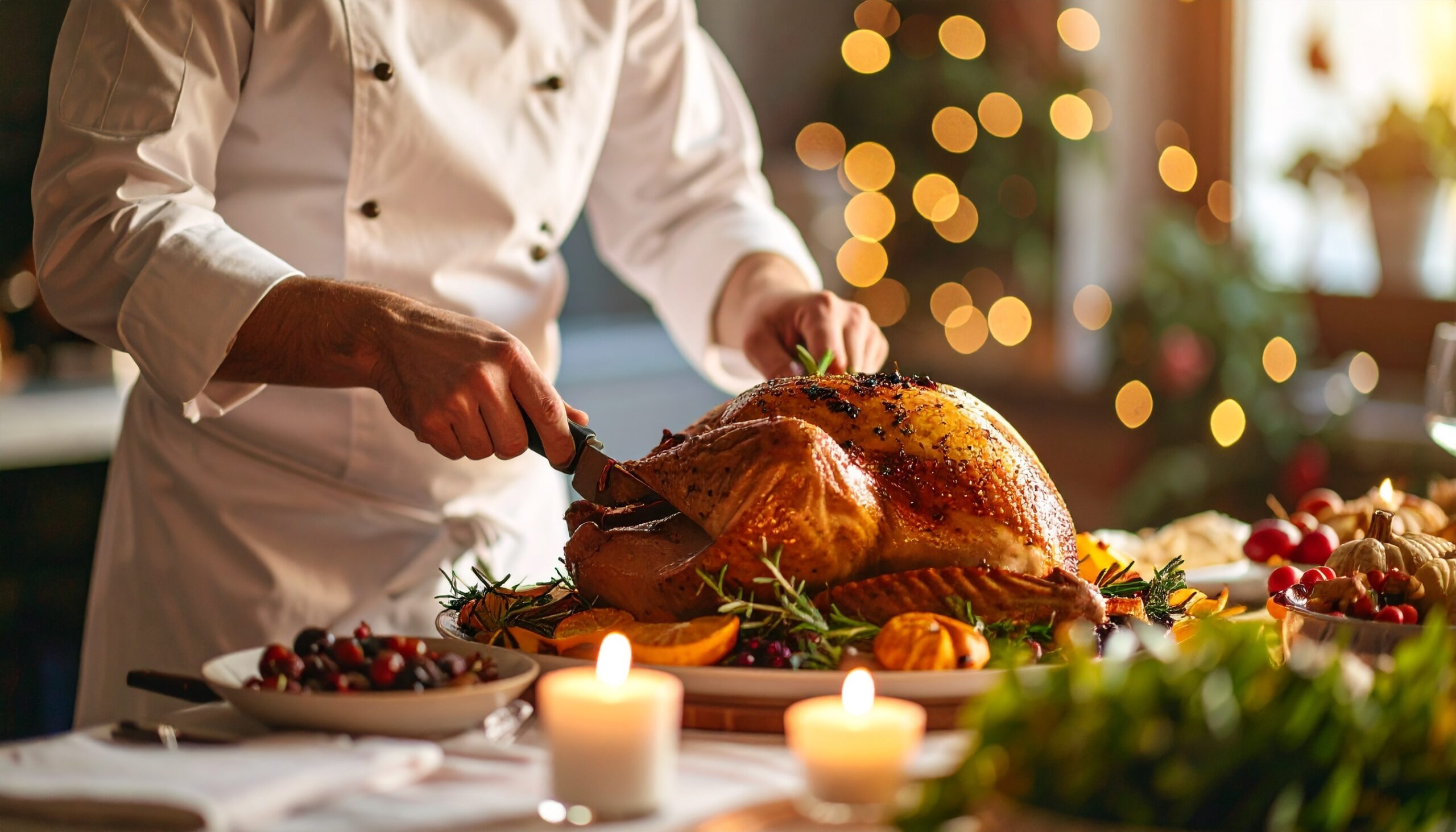
How HACCP Training Helps Manage Supplier Shortages
Proper HACCP training ensures managers understand supplier approval, traceability, temperature control, and corrective actions during disruption.
When festive menus change at short notice, allergen awareness training becomes critical to prevent miscommunication, incorrect labelling, and serious customer harm. Refresher allergen awareness training helps staff stay alert during high-pressure service.
Your approved supplier list food safety documentation should be reviewed before Christmas to include alternative and emergency suppliers.
The turkey shortage expected in 2025 is more than a seasonal inconvenience for restaurants, hotels, and catering businesses it’s a genuine food safety and compliance risk. Movement restrictions, reduced poultry availability, and last-minute supplier changes increase the likelihood of temperature breaches, allergen errors, and traceability failures. For food businesses operating under HACCP principles, Christmas trading pressure combined with supply disruption can expose weaknesses in systems that usually go unnoticed. This article explains how to protect food safety, stay compliant with Irish regulations, and avoid costly mistakes during the busiest time of the year.
You’ve likely heard the whispers or seen the headlines about the new restriction zones in Monaghan and Cavan. Perhaps you’ve scrolled past social media posts from concerned chefs, or maybe your own supplier has already been in touch with a cautionary “we’ll do our best, but…”
If you’re a restaurant owner, hotel manager, or catering business preparing for the Christmas rush, that sinking feeling in your stomach is entirely justified. The 2025 turkey situation isn’t just another industry rumour it’s a genuine logistical challenge that could leave you scrambling in the busiest weeks of the year.
But here’s the thing: this isn’t just about sick birds. It’s about movement licenses that take days to process, culling programmes that reduce available stock, and supply chains stretched thinner than filo pastry. And whilst the agriculture sector works through these challenges, you’ve got bookings to honour and customers to feed.
Let’s paint the scenario you’re probably already imagining: It’s December 15th. You have 200 bookings on the books. Your kitchen is prepped, your staff are briefed, and then your butcher rings. “I’m really sorry, but I’m going to be 20 birds short this year.”
What do you do?
More importantly, how do you handle it safely, legally, and without damaging your reputation?
The Reality Behind the Headlines
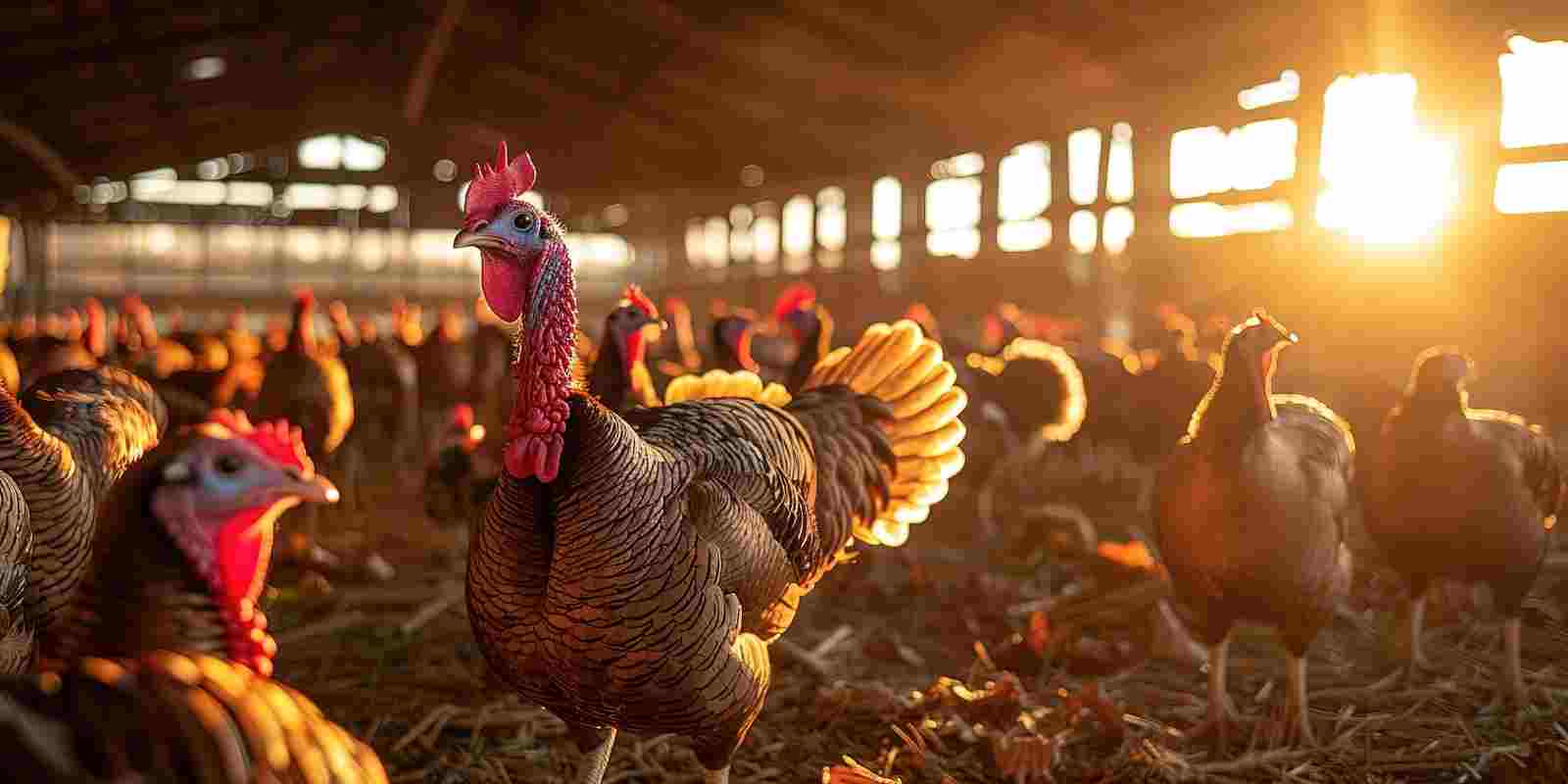
Before we dive into solutions, let’s understand what we’re actually dealing with. According to the Department of Agriculture, Food and the Marine, avian influenza restriction zones can significantly impact poultry movement and availability. When these zones are declared, farms within the affected areas face strict controls on bird movements, even if their own flocks are healthy.
The knock-on effects ripple through the supply chain:
- Processing delays: Even with movement licenses, getting birds from farm to processor takes longer
- Reduced capacity: Some facilities may operate below normal output
- Price increases: Basic supply and demand economics mean you’ll likely pay more
- Quality variations: As primary suppliers struggle, secondary sources may not meet your usual standards
For food business owners, this creates a perfect storm of operational, financial, and food safety challenges. But with proper planning and robust systems in place, you can navigate these choppy waters.
Section 1: The Supplier Audit Your First Line of Defence
If there’s one lesson the past few years have taught hospitality businesses, it’s this: never put all your eggs in one basket. Or in this case, all your turkeys with one supplier.
Don’t Just Take “Yes” for an Answer
Right now not next week, not when you’re already in trouble – pick up the phone to your primary poultry supplier and ask the difficult questions:
- “Do you source from farms in the restriction zones?”
- “Do you have backup farms outside Monaghan and Cavan?”
- “What’s your contingency plan if movement restrictions expand?”
- “Can you guarantee my order, and if not, how much notice will you give me?”
These aren’t confrontational questions; they’re professional ones. Any reputable supplier will appreciate your diligence and should have clear answers.
Your HACCP Plan Needs This Conversation
Here’s where food safety training pays dividends. If you or your team have completed HACCP Level 2 certification, you’ll know that maintaining an Approved Supplier List is a fundamental part of your food safety management system.
That list shouldn’t be a dusty document you created three years ago and never updated. It’s a living document that needs reviewing regularly and right now is the perfect time.
Action steps:
- Review your current Approved Supplier List
- Research and vet at least one alternative poultry supplier
- Contact them now to establish a relationship before you’re desperate
- Document everything: their contact details, certifications, delivery capabilities
- If possible, do a small trial order before Christmas to verify quality
The Food Safety Authority of Ireland (FSAI) emphasises that traceability and supplier verification are cornerstones of food safety. Having a backup supplier isn’t just good business planning it’s part of maintaining your legal responsibilities under food safety legislation.
Section 2: Menu Engineering The Chef’s Plan B
Let’s be honest: most of your customers aren’t married to turkey. They’re married to the experience the festive atmosphere, the quality of the meal, the feeling of celebration. The protein is just one component.
Smart hospitality businesses are already looking at alternatives rather than waiting to panic-buy inferior turkey at inflated prices.

HIERARCHY OF CONTROLS – QUICK REFERENCE:
- Elimination: Completely remove the hazard from the workplace
- Substitution: Replace hazardous substances, processes, or equipment with safer alternatives
- Engineering Controls: Physical controls that isolate people from hazards
- Administrative Controls: Procedures, training, and work practices that reduce exposure
- Personal Protective Equipment (PPE): Equipment worn by individuals to protect against residual risks
Alternative Festive Centrepieces
Roast Goose
Traditional, luxurious, and often sourced from different supply chains than turkey. Goose has a rich, gamey flavour that many customers actually prefer. Yes, it’s typically more expensive, but you can adjust pricing accordingly and right now, the price gap between goose and panic-bought turkey might be narrower than usual.
Honey Glazed Ham
A classic that never goes out of style. Ham is generally easier to source, has excellent holding qualities, and can be prepared in advance reducing pressure on your kitchen during service. Plus, many customers actively prefer ham over turkey.
Beef Wellington
Position it as a premium upgrade. Wellington is theatrical, impressive, and shows your kitchen’s skill. With turkey supplies uncertain, you might find beef more reliable.
Seasonal Game
Venison, pheasant, or duck offer restaurant-quality alternatives that can elevate your Christmas offering beyond the standard turkey dinner.
The Menu Engineering Strategy
Don’t wait until you’re forced into a corner. Start positioning alternatives now:
- Introduce a “Chef’s Selection” menu featuring multiple protein options
- Create early-bird booking incentives for customers who choose alternative mains
- Use language that makes alternatives sound like upgrades, not substitutions: “Premium Roast Goose” not “Turkey Replacement”
- Test customer response with special event nights in early December
The Critical Safety Consideration: Allergen Management
Here’s where many rushed menu changes fall apart. If you switch proteins at the last minute, your allergen information must be updated immediately.
Consider these common pitfalls:
- Glazed ham: Often contains mustard, honey (potential issue for some), and sulphites in commercial preparations
- Pre-prepared beef Wellington: May contain wheat (pastry), milk (in pâté), and sometimes nuts
- Marinades and rubs: Can introduce allergens not present in plain turkey
- Stuffings and accompaniments: Switching the main might mean changing sides too
Your allergen matrix isn’t a static document. Every menu change – planned or emergency – requires an immediate update. Staff need to be informed, menus need to be corrected, and your systems need to reflect reality.
If your team hasn’t had recent allergen awareness training, now is the time. A single allergen mistake can have devastating consequences, both for the affected customer and your business. The FSAI provides comprehensive guidance on allergen management, and proper training like Allergen Awareness certification ensures every team member understands their responsibilities.
Section 3: The Safety of “Emergency” Suppliers
Let’s talk about the scenario nobody wants but everyone should prepare for: it’s December 20th, your primary supplier has let you down, and you’re making emergency runs to cash and carries or local butchers you don’t normally use.
Panic is the enemy of food safety. Even in a crisis, your legal obligations don’t change, and neither do the bacteria that cause food poisoning.
Traceability is Non-Negotiable
When sourcing from unfamiliar suppliers, look for these markers of quality and traceability:
Bord Bia Quality Marks
The Bord Bia Quality Assurance schemes are recognised standards. Look for their marks on packaging they indicate the product meets specific quality and traceability standards.
Origin Green Certification
Ireland’s Origin Green programme is the only sustainability programme in the world that operates at a national scale. Products bearing this mark come from verified, traceable sources.
Proper Labelling
Even in emergency situations, proper food labelling is required. The packaging should clearly show:
- Product name and description
- Country of origin
- Use-by or best-before dates
- Storage instructions
- Supplier/processor details
Keep Every Scrap of Documentation
Your local Environmental Health Officer doesn’t care that you were desperate. If there’s a food safety incident or complaint, you’ll need to demonstrate due diligence. That means:
- Keeping all invoices and receipts
- Photographing product labels and packaging
- Recording batch numbers and dates
- Documenting temperature checks on delivery

This documentation proves you’ve maintained your food safety standards even under pressure. It’s the difference between demonstrating responsible management and appearing negligent.
Temperature Control is Critical
This is where good HACCP training becomes second nature. When you’re collecting product yourself rather than receiving a refrigerated delivery:
- Check the temperature at collection: Use your probe thermometer. Fresh poultry should be stored below 4°C. If it’s not, don’t take it.
- Minimise time in the temperature danger zone: Use cool boxes or insulated bags. In winter, your car is cold, but it’s not refrigerated. Get the product back to your premises quickly.
- Check and record the temperature on arrival: Document that the cold chain was maintained. This is your evidence of due diligence.
- Inspect the product carefully: Look for signs of temperature abuse excessive ice crystals on frozen products, discolouration, or off odours.
If you’re collecting large quantities, consider whether you need to make multiple trips to maintain safe temperatures, or hire a refrigerated vehicle for the day.
The “New Supplier” Checklist
Before you buy from an unfamiliar source, verify:
- ✅ They’re a legitimate, registered food business
- ✅ Products have proper labelling and traceability information
- ✅ Storage facilities appear clean and properly maintained
- ✅ Staff demonstrate food safety knowledge
- ✅ Temperature control is appropriate
- ✅ They can provide invoices and documentation
Yes, you’re in a hurry. But five minutes of checking could save you from a food poisoning outbreak that closes your business.

Beyond Poultry Other Christmas Supply Chain Pressures
Whilst turkey is grabbing the headlines, experienced food business operators know that Christmas supply challenges extend far beyond the bird itself. Now is the time to review your entire operation:
Stock Management and Storage
- Are your cold stores and freezers adequate for increased stock?
- Have you maintained your refrigeration equipment properly?
- Do you have adequate dry storage for increased volumes?
Staff Safety Under Pressure
Christmas is when workplace accidents spike. Your team will be:
- Lifting heavier items more frequently (manual handling injuries increase)
- Working in busier, more crowded kitchens (slips, trips, and falls become more likely)
- Dealing with increased stress and fatigue (when mistakes happen)
Ensuring your staff have completed relevant safety training from manual handling to understanding fire safety when kitchens are running at full capacity protects both them and your business.
Chemical Safety
Increased cleaning and sanitation during busy periods means more frequent use of chemicals. Staff trained in the control of chemicals understand how to use these products safely and effectively, even under pressure.
Your Paperwork Must Keep Pace With Reality
Here’s a truth many food business owners learn the hard way: your food safety management system is only as good as its accuracy. If your Approved Supplier List says you only use Supplier A, but you’re actually ordering from Suppliers B, C, and D in a panic, you’re not just disorganised you’re potentially in breach of food safety regulations.
Your documentation should reflect your reality:
Approved Supplier List: Add emergency suppliers now, with all their details and certifications verified. Don’t wait until you’re desperate.
Allergen Matrix: Update this immediately when any menu changes. Every substitution, every new dish, every ingredient change.
Temperature Records: These should be completed diligently even (especially!) when you’re busy and stressed.
Staff Training Records: Ensure all team members, including seasonal staff, have completed appropriate food safety training before they start work.
Supplier Delivery Checks: Maintain records of temperature checks and quality verifications for every delivery, including emergency ones.

The Business Case for Preparedness
Let’s talk numbers for a moment. The cost of proper food safety systems and training might feel like an expense when you’re watching every penny. But consider the alternative:
A single food poisoning outbreak can cost you:
- Lost revenue during closure (potentially weeks during your peak trading period)
- Wasted stock (you’ll need to discard affected food)
- Deep cleaning and remediation costs
- Legal fees if prosecuted
- Compensation claims from affected customers
- Reputation damage that lasts far longer than the closure
- Increased insurance premiums
Compare that to the cost of:
- Comprehensive HACCP training for your management team
- Level 1 food safety certification for all food handlers
- An effective learning management system to track and maintain training standards
- Time spent building relationships with backup suppliers
The investment in prevention is minuscule compared to the cost of disaster management.
A Shortage is a Headache; Food Poisoning is a Disaster
The turkey shortage of 2025 is a logistical challenge, no question. It’ll require flexibility, creativity, and possibly some uncomfortable conversations with customers about menu changes or price adjustments.
But here’s what it must not be: an excuse to cut corners on food safety.
If you have to switch suppliers rapidly, your paperwork keeps up.
If you change your menu at the last minute, your allergen information is updated immediately.
If you’re buying from unfamiliar sources, your checking and documentation are even more rigorous than usual.
The Environmental Health Officers who inspect your premises understand that businesses face challenges. What they don’t accept is businesses that let those challenges compromise food safety standards.
Your Action Plan for the Next Four Weeks
This week:
- Contact your primary supplier and have the difficult conversation about stock availability
- Identify and vet at least one backup poultry supplier
- Review and update your Approved Supplier List
- Check your cold storage capacity
Next week: 5. Plan alternative menu options and test them if possible 6. Update your allergen information for any new dishes 7. Ensure all staff including seasonal hires have completed relevant food safety training 8. Check your documentation systems are current and accurate
Ongoing until Christmas: 9. Monitor the situation with restriction zones through official sources 10. Maintain regular communication with all suppliers 11. Keep detailed records of every delivery and source 12. Brief staff regularly on any menu or supplier changes
We're Here to Support Your Business
At Acorn Star, we understand that food safety isn’t about ticking boxes – it’s about protecting your customers, your staff, and your livelihood. Especially during challenging times like potential supply shortages, having robust systems and well-trained teams makes the difference between smooth sailing and disaster.
Whether you need to rapidly train seasonal staff in food safety fundamentals, ensure your management team is up to date with advanced HACCP principles, or update your allergen management protocols, flexible online training means your team can get certified without taking time away from the busy floor.
Need a quick way to update your Allergen Matrix or Approved Suppliers list? Our free learning management system helps you keep all your documentation organised and accessible, exactly when you need it. Because when you’re juggling supply shortages and fully booked dining rooms, the last thing you need is to be hunting through filing cabinets for food safety records.
This Christmas, plan for the best but prepare for the worst. Your customers are counting on you, and we’re here to help you deliver whatever challenges the season throws at you.