
Who Needs HACCP Level 2 Training in Ireland?
A Practical Guide to Roles, Responsibilities and Food Safety Training
Is HACCP Level 2 Training a Legal Requirement in Ireland?
Irish and EU food safety rules require food businesses to ensure that food handlers are supervised, instructed and/or trained in food hygiene matters appropriate to their work. However, the law does not generally state that every food handler must hold a qualification specifically called “HACCP Level 2.”
The appropriate level of training depends on the employee’s role, the food they handle and their level of responsibility. HACCP Level 2 training can provide more detailed food safety knowledge for employees who regularly prepare, handle or serve food, including topics such as food hazards, hygiene, cross-contamination and HACCP principles.
This guide explains who may benefit from HACCP Level 2 training in Ireland, how training needs can differ between roles and when employees may need more advanced food safety training.
The Legal Framework in Ireland
Food businesses in Ireland have responsibilities for ensuring that employees receive appropriate food safety instruction, supervision and/or training. Regulation (EC) No 852/2004 requires food handlers to be supervised and instructed and/or trained in food hygiene matters appropriate to their work activities. EUR-Lex
The appropriate training will depend on the employee’s role, responsibilities and the food safety risks involved in their work. The FSAI’s Guide to Food Safety Skills provides guidance on the skills employees and managers should be able to demonstrate at different stages of employment. Food Safety Authority of Ireland
FSAI Level 2 covers additional food safety skills for employees continuing to work in a food business. FSAI guidance indicates that these skills should generally be developed within 3–6 months for high-risk areas and 6–12 months for low-risk areas. Food Safety Authority of Ireland
Employees with greater responsibility for food safety or HACCP procedures may require more advanced training appropriate to their duties.
Who Exactly is a ‘Food Handler’?
A food handler is someone whose work involves handling food or working in an environment where their activities may affect food safety. Food handlers can work across many different areas of the food industry, including:
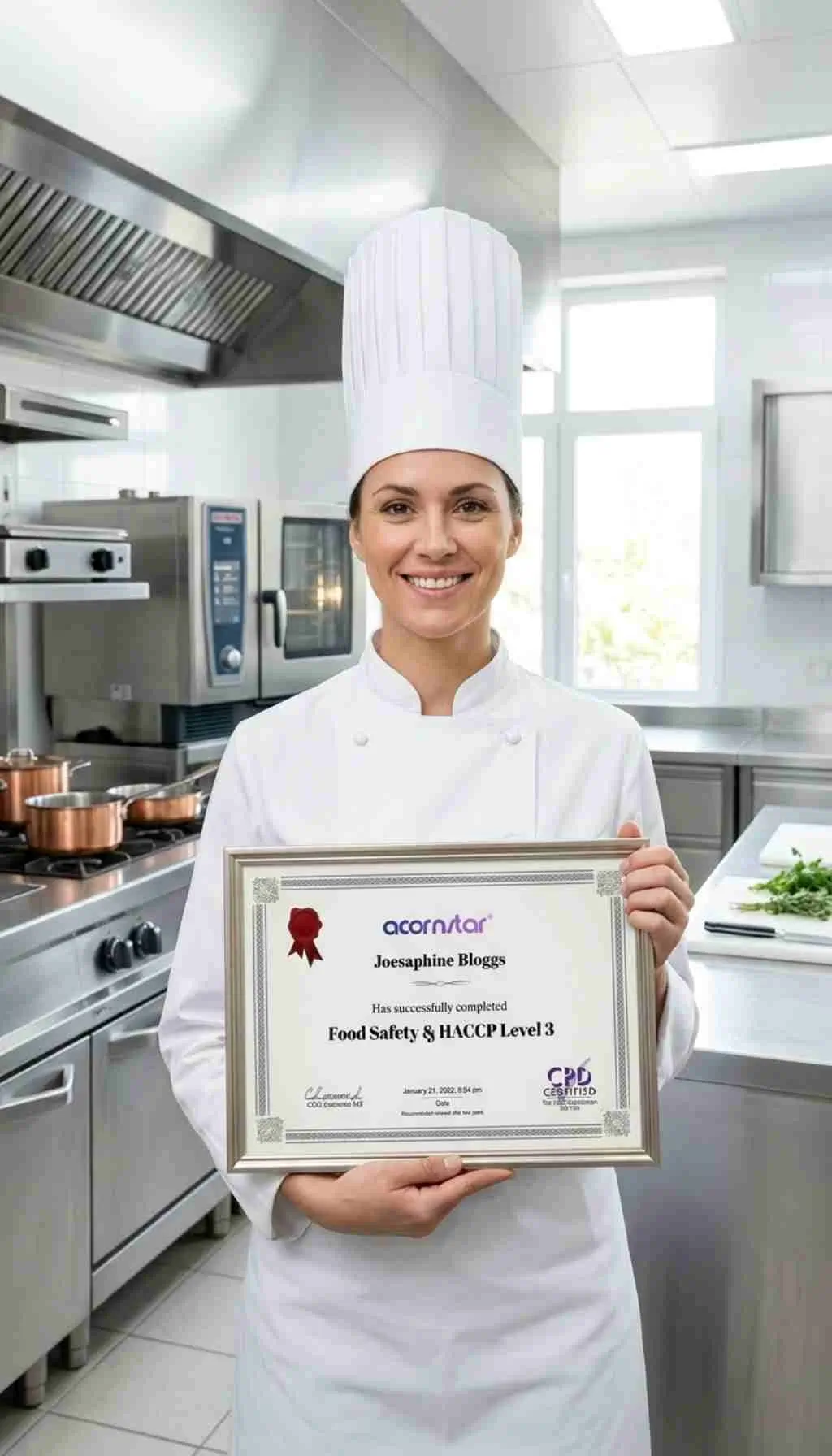
- Chefs, cooks, commis chefs and kitchen assistants
- Waiting staff who handle or serve food
- Deli, bakery and food preparation staff
- Butchers, fishmongers and fresh produce handlers
- Food production and processing workers
- School, hospital, care home and institutional catering staff
- Bar staff who handle food, garnishes or other food items
- Employees who pack, label or handle unpackaged food
The food safety training appropriate for each employee depends on their duties, responsibilities and the risks associated with the food they handle. Employees who regularly handle or prepare food may benefit from HACCP Level 2 training, while employees with supervisory or HACCP-management responsibilities may require more advanced training.
Who Needs HACCP Level 2 Training?
Staff whose roles do not involve directly handling food, such as delivery drivers, administrative staff or some front-of-house employees, may have different food safety training needs. The appropriate training should reflect their duties and how their work could affect food safety.
Introductory food safety training may be appropriate for employees who work in or around a food business but have limited food-handling responsibilities.
Managers and supervisors should receive training appropriate to their responsibilities, particularly where they oversee staff, food safety procedures or HACCP-based controls.
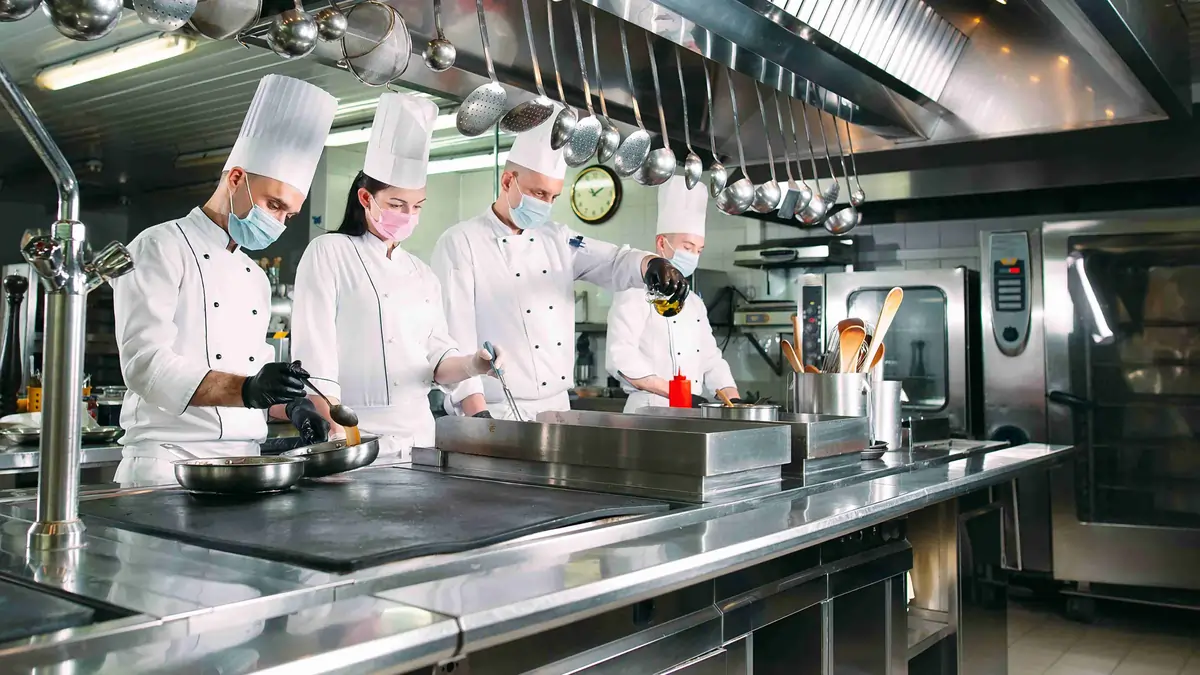
New Starters and Induction Training
New employees should receive appropriate food safety instruction, supervision and training for the work they will carry out. The training needed will depend on their role, responsibilities and the food safety risks involved.
For new starters, our Level 1 & 2 Bundle provides a practical way to build food safety knowledge. Level 1 introduces essential food safety principles, while Level 2 provides more detailed training for employees with regular food-handling responsibilities.
Supervisors and Management
Employees with supervisory or managerial responsibility for food safety, including head chefs, kitchen managers and catering managers, may require more advanced training appropriate to their duties.
HACCP Level 3 Management training can help managers and supervisors develop a deeper understanding of HACCP-based food safety systems, including implementing, monitoring and reviewing food safety controls.
The appropriate level of training should always reflect the employee’s responsibilities and the food safety activities carried out by the business.

The Consequences of Non-Compliance
Food businesses are responsible for ensuring that employees receive appropriate food safety instruction, supervision and training. Failure to meet food safety obligations can contribute to non-compliance and may result in enforcement action where legal requirements are not being met.
- Environmental Health Officers may identify training or food safety deficiencies during an inspection and require corrective action.
- Serious food safety failures may result in enforcement measures under applicable Irish food safety legislation.
- Appropriate staff training and training records can help businesses demonstrate how they manage food safety responsibilities.
- Food safety incidents can also result in financial and reputational consequences for a business.
Frequently Asked Questions
How often do food handlers need to renew their HACCP Level 2 training?
There is no single renewal period for HACCP Level 2 training that applies to every food business in Ireland. Refresher training may be appropriate when an employee’s responsibilities change, food safety procedures are updated, new risks are identified or additional training is needed to maintain food safety knowledge and skills.
Employers should regularly review staff training needs and keep appropriate training records.
What records do I need to keep?
Keeping clear records of staff food safety training is good practice. Records can include the employee’s name, training completed, completion date, training provider and any certificates issued. These records can help demonstrate how your business manages staff training and food safety responsibilities.
Acorn Star’s LMS allows businesses to manage employee training records and access certificates from one central location.
Does HACCP Level 2 cover allergen training?
Our HACCP Level 2 course includes allergen awareness content covering the 14 allergens that must be declared under EU food information rules. Businesses may also choose dedicated Allergen Awareness training for employees who need additional focus on allergen management.
I run a small food business with just a few staff. Do I still need to comply?
Yes. Food safety requirements apply to food businesses regardless of size, although the procedures and controls needed should be appropriate to the nature and scale of the business. This can include sole traders, market stalls, home-based food businesses and small cafés.
What if I have seasonal or temporary staff?
Seasonal and temporary employees should also receive food safety instruction, supervision and training appropriate to the work they carry out. Training needs should be considered before employees undertake food-handling activities without appropriate supervision.
Online HACCP Level 2 training can be a convenient option for employees whose roles require more detailed food safety knowledge.
Contact us today to discuss your team’s training requirements, or view all our courses to find the right fit for your business.
Complete Food Safety Support: From Training to Consultancy
At Acornstar, we don’t just provide courses we partner with you to ensure your business meets the highest safety standards. Whether you need online certification for your team or hands-on expert advice, we have you covered.
Expert Consultancy Services
Sometimes you need more than just training. Our Food Safety Consultancy Services offer on-site auditing, HACCP plan development, and expert guidance to help you navigate complex regulations and pass EHO inspections with confidence.
Essential Online Training
Ensure your staff are certified with our industry-leading courses. (Note: Free Allergen Awareness training is currently included with eligible food safety courses.)
- Food Safety HACCP Level 1 — The perfect start for new staff.
- HACCP Level 2 Training — Mandatory for all food handlers.
- HACCP Level 3 Management — For supervisors and head chefs.
- Level 1 & 2 Bundle — Complete coverage from induction to handler level.
- Allergen Awareness — Vital training on the 14 major allergens.
Free LMS* for Business Customers
Manage your compliance effortlessly. Our Free Learning Management System* allows you to enrol staff, track progress, and access certificates in one smart, easy login. It delivers significant cost savings compared to other platforms and cuts down your admin time instantly.
Contact us to discuss consultancy or training bundles, or view all courses here.
*T&Cs apply