
Lectin Poisoning Risk: Is Your Kitchen Ready for the Gut Health Boom?
What You Really Need to Know
Undercooked Kidney Beans A High-Risk Source of Lectin Poisoning
This article highlights the importance of pulse safety training in commercial kitchens, particularly where undercooked kidney beans are used. Undercooked kidney beans are a known cause of lectin poisoning and feature prominently in the latest FSAI food safety warning issued to food businesses. Proper pulse safety training helps prevent illness linked to undercooked kidney beans and ensures compliance with FSAI food safety warning guidance.
The menu is shifting and most kitchens aren’t prepared for the hidden danger.
For the past decade, “high-protein” dominated every menu. But in 2026, fiber is overtaking protein as the wellness buzzword consumers demand.
Whole Foods Market’s 2026 Trends Report declares it the year of “Fiber Frenzy.” EatingWell’s nutrition forecast identifies fiber as the #1 trend. Across the UK, Europe, and Ireland, restaurants are adding lentil dal, chickpea curries, black bean burgers, and fermented pulse dishes.
The driver? Gut health obsession. Gen Z and millennials track their microbiome, demanding “functional food”and that means pulses, legumes, whole grains, and fermented foods.
But here’s what the trend reports don’t tell you: The very ingredients driving this boom can cause severe food poisoning if prepared incorrectly.
Most chefs don’t know that undercooked kidney beans contain a toxin called phytohaemagglutinin (PHA) that can hospitalize customers within 2 hours. The FSAI issued a formal warning in July 2024 after persistent foodborne illness cases across the EU.
If your restaurant is jumping on the gut health trend, this post could save you from a closure order.
The Fiber Boom What the Data Says
Whole Foods 2026 Fiber Frenzy Takes Center Stage
Whole Foods Market’s annual trend report the gold standard for food predictions names fiber as the defining trend of 2026:
- Prebiotic fibers (chicory root, konjac, cassava) in ready-to-eat meals
- Pulse-based proteins (lentils, chickpeas, black beans) replacing meat
- Fiber-rich snacks (lupini beans, roasted chickpeas) dominating shelves
Why? Consumers understand fiber isn’t just about digestion it’s about gut microbiome diversity, blood sugar regulation, satiety, and chronic disease prevention.
EatingWell 2026 Fiber Tops the List
EatingWell’s dietitian-led forecast identifies fiber as the #1 nutrition trend:
“Consumers are maximizing daily fiber intake by adding high-fiber foods to each meal vegetables, legumes, and seeds.”
Restaurant implications:
- Breakfast: Chickpea flour pancakes, overnight oats with chia, avocado toast on high-fiber bread
- Lunch: Lentil soup, quinoa-black bean bowls, hummus platters
- Dinner: White bean cassoulet, chickpea tikka masala, falafel mains
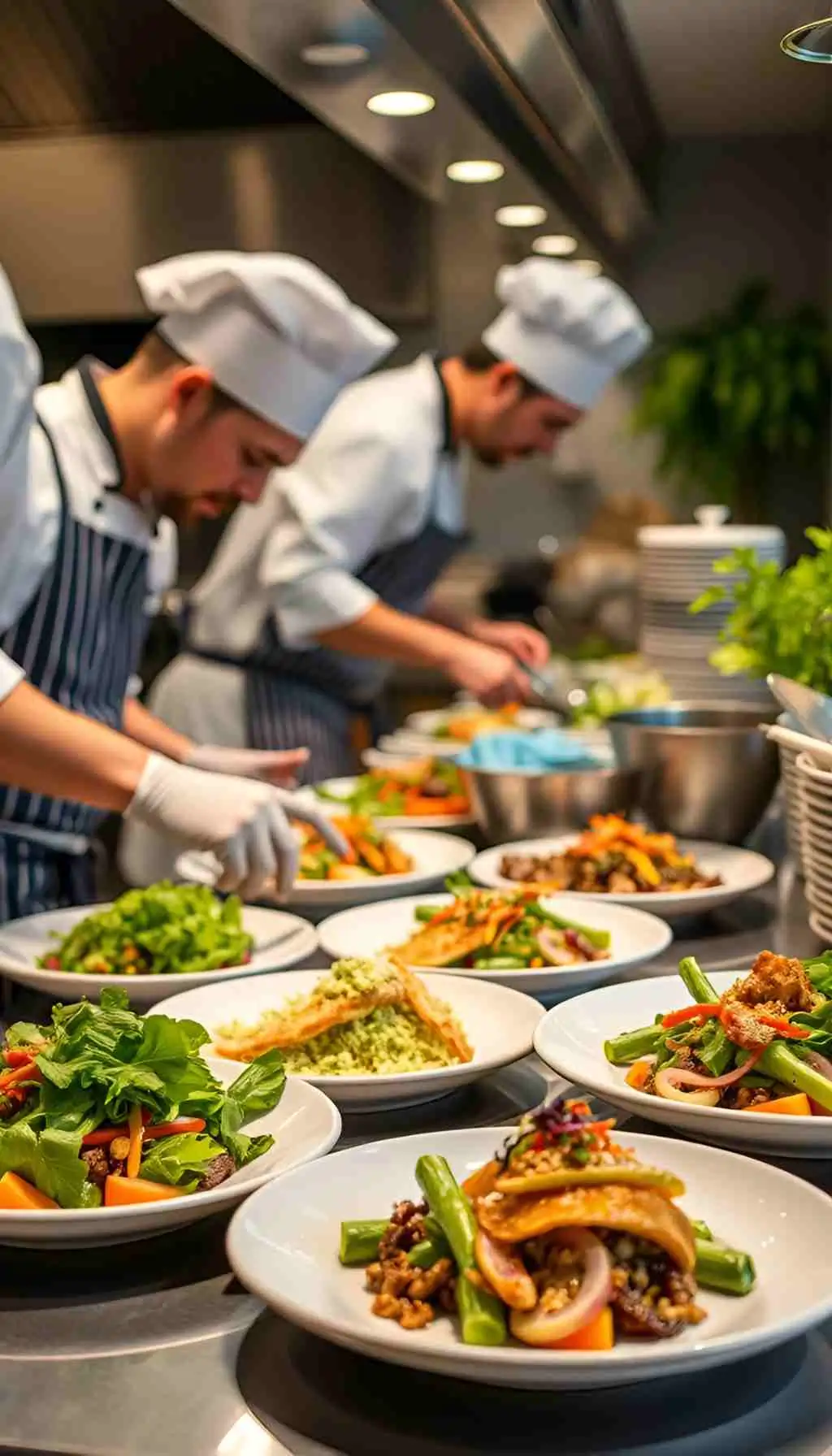
Sustainable Hospitality Pulses as Protein Heroes
-
Sustainable Hospitality trends report states:
“Protein options that also provide fiber such as pulses, legumes, and nuts will be in higher demand. The winning formula will be presenting these in globally inspired, flavor-forward dishes.”
Translation: Guests want dal makhani, Moroccan tagine, Brazilian feijoada, Middle Eastern mujadara dishes where pulses are the hero, not the afterthought.
The Hidden Danger Lectins and PHA
What Are Lectins?
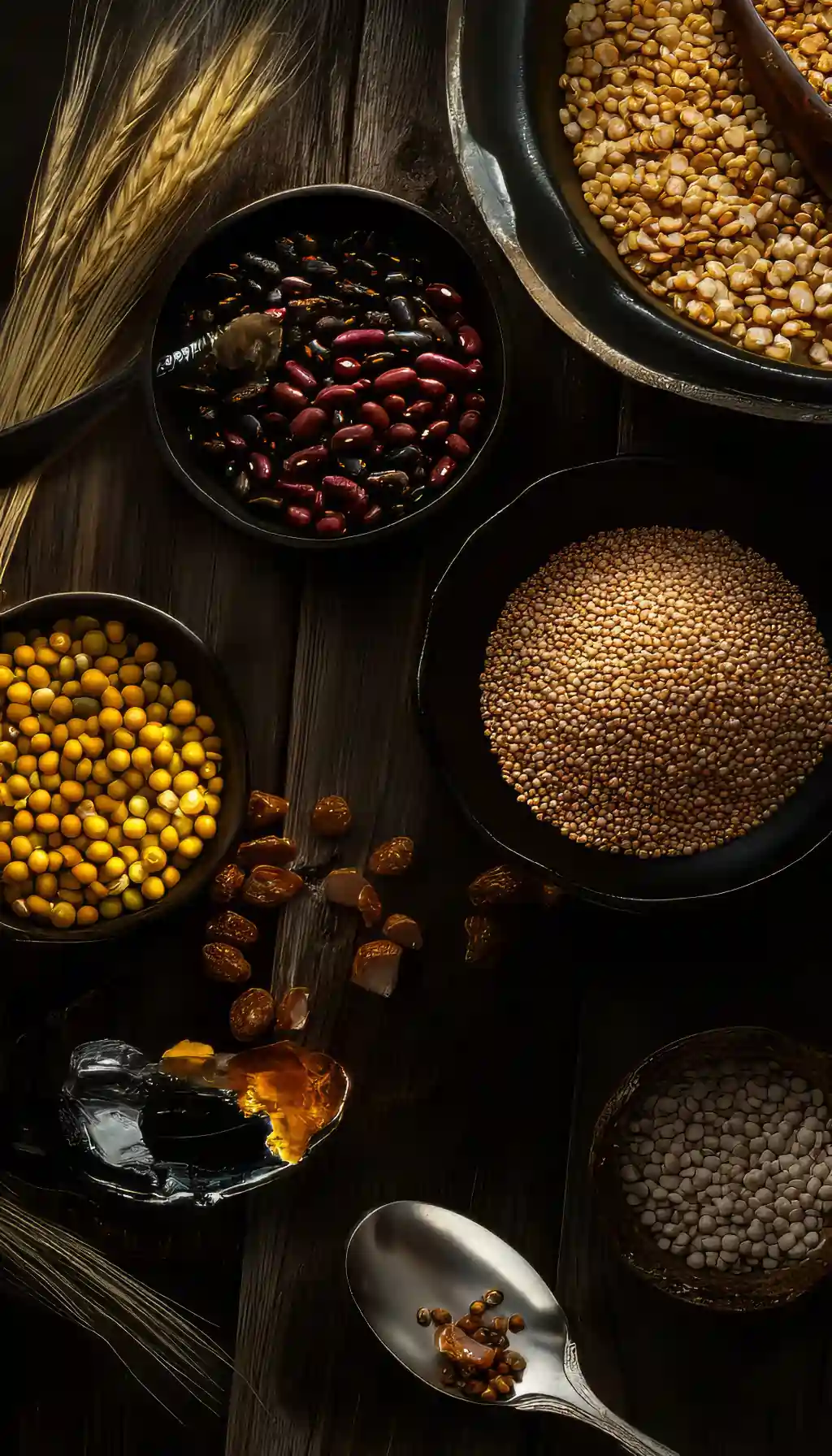
Lectins are naturally occurring proteins in many plants, especially legumes. They’re the plant’s defense mechanism. In small amounts from properly cooked foods, they’re harmless. But in high concentrations from raw or undercooked beans, they’re toxic.
The most dangerous lectin is phytohaemagglutinin (PHA), found in:
- Red kidney beans (highest concentration)
- White kidney beans (cannellini) – 1/3 the toxicity
- Broad beans (fava) – 5-10% the toxicity
- Fresh green beans (French beans, sugar snap peas) – lower but still present
The FSAI Warning (July 2024)
The Food Safety Authority of Ireland issued a formal advisory after foodborne illnesses across the EU from improperly prepared legumes:
“There have been a low, but persistent, number of foodborne illnesses related to the consumption of raw or uncooked beans… This may be linked to an increase in plant-based diets.”
FSAI Guidance:
Dried Beans (kidney beans, chickpeas, black beans):
- Soak minimum 12 hours (water 2-3x volume of beans)
- Discard soaking water completely (lectins dissolve into water)
- Rinse thoroughly with fresh water
- Boil in fresh water minimum 30 minutes at 100°C (212°F)
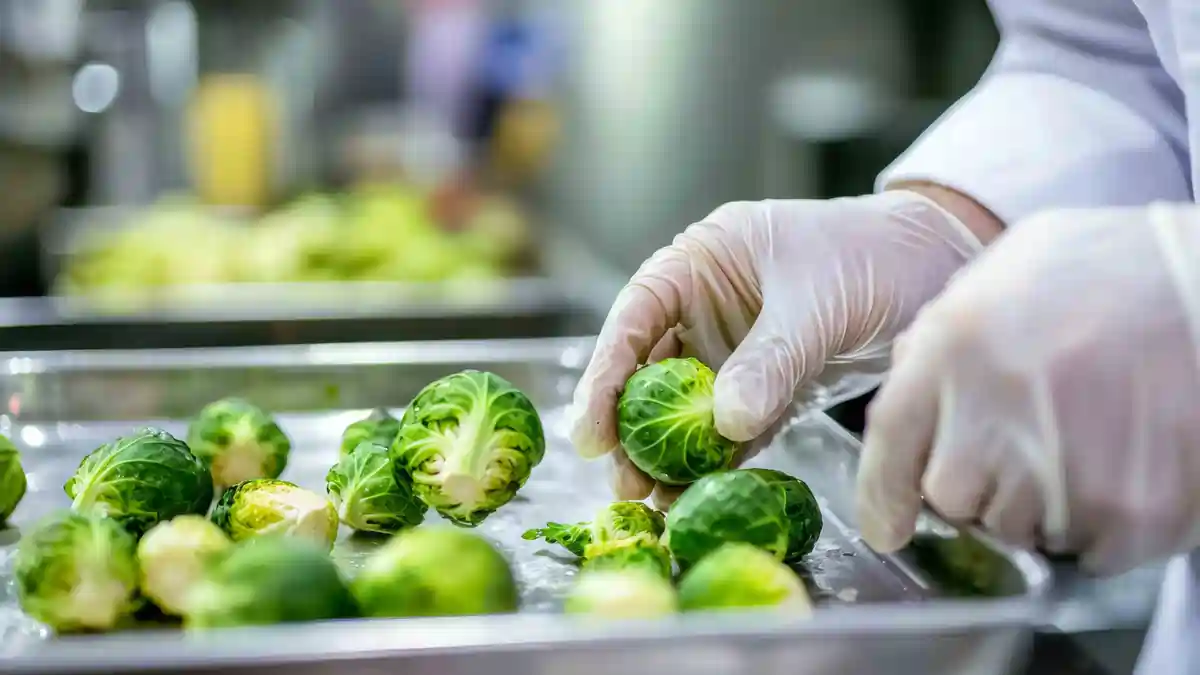
Fresh Beans (green beans, sugar snap peas):
- Rinse thoroughly
- Boil/cook minimum 10 minutes before eating
- Never serve raw in salads
Canned Beans:
- Already fully cooked → lectins destroyed
- Safe to use directly
Real-World Lectin Poisoning Cases
Case 1: The Reddit New Year’s Disaster
A home cook posted in January 2022:
“I poisoned my wife and her family on New Year’s with dried kidney beans. As few as 4-5 uncooked kidney beans can cause severe nausea, vomiting, and diarrhea.”
What happened: They added soaked (but unboiled) kidney beans to a slow cooker chili. Beans cooked at 85°C/185°F for 6 hours. Result: Every guest violently ill within 2 hours.
The Science: Cooking kidney beans below 100°C can INCREASE toxicity by up to 5x, as low heat activates but doesn’t destroy PHA.
Case 2: French Chili Con Carne Outbreak (August 2023)
Food Safety News reported a French restaurant outbreak where diners were hospitalized after eating chili con carne:
“Phytohaemagglutinin was found at concentrations above the potentially toxic dose. The raw kidney beans had been cooked at insufficient temperature.”
Restaurant Impact: Temporary closure, €15,000+ in fines, permanent reputational damage.

Case 3: UK University Cafeteria
A cafeteria offered “marinated kidney beans” that had been soaked overnight but only blanched 5 minutes before being dressed and displayed cold.
Result: 8 students ill within 3 hours, 2 hospitalized. Kitchen staff didn’t know kidney beans required 30-minute boiling.
Symptoms of Lectin Poisoning
-
Onset: 1-3 hours after consumption
Duration: 3-4 hours (most cases); severe cases require hospitalization
Trigger: As few as 4-5 undercooked kidney beansSymptoms:
- Severe nausea
- Extreme vomiting (often projectile)
- Abdominal pain and cramping
- Diarrhea
- Dehydration (especially dangerous for elderly/children)
Note: Symptoms mimic bacterial food poisoning (Salmonella, E. coli), so many cases go unreported as “lectin poisoning.”

The Slow Cooker Death Trap
This is the #1 kitchen mistake causing lectin poisoning.
Why Slow Cookers Are Dangerous:
Most slow cookers operate at:
- LOW: 75°C–90°C (167°F–194°F)
- HIGH: 95°C–100°C (203°F–212°F)
The Problem: Cooking kidney beans below 100°C can INCREASE PHA toxicity by 5x.
Center for Food Safety (Hong Kong):
“Beans should not be cooked at a low temperature, for example in a crock pot or slow cooker, since it may not destroy the toxin.”
Correct Slow Cooker Protocol:
- NEVER add raw/dry kidney beans directly to slow cooker
- Pre-boil kidney beans separately at full rolling boil (100°C/212°F) for 10-30 minutes
- Drain and rinse pre-boiled beans
- THEN add to slow cooker
- Alternative: Use canned kidney beans (already fully cooked)
Which Pulses Are High-Risk vs. Low-Risk?
|
Risk Level |
Pulse |
Safety Protocol |
|---|---|---|
|
HIGH |
Red kidney beans |
Soak 12 hrs + boil 30 min |
|
MODERATE |
White kidney beans (cannellini) |
Soak 12 hrs + boil 30 min |
|
MODERATE |
Lima beans |
Soak 12 hrs + boil 30 min |
|
LOW-MODERATE |
Broad beans (fava) |
Soak 12 hrs + boil 30 min |
|
LOW |
Chickpeas |
Soak 12 hrs + boil 45-60 min |
|
LOW |
Black beans |
Soak 8 hrs + boil 30-45 min |
|
LOW |
Pinto beans |
Soak 8 hrs + boil 30-40 min |
|
LOW |
Lentils (all) |
No soaking; boil 20-60 min |
|
LOW |
Split peas |
No soaking; boil 30-45 min |
|
MINIMAL |
Canned beans (all) |
Safe to use directly |
Key: Kidney beans (red and white) are the primary danger. Lentils and chickpeas are much safer but still require proper cooking.
You’re still on your break. You have 5 minutes. Do this before you go back to service:
Right now (on your phone):
- Check your last pest control report – read it properly
- Check your training records – who hasn’t done food safety training?
- Make a note of every gap, hole, or broken seal you know about
- Check when door seals were last replaced
Tomorrow: 5. Walk to Goods Inwards and actually look at it with fresh eyes 6. Take photos of problem areas 7. Ask your porter/delivery staff what issues they see daily
This week: 8. Book door seal repairs if needed 9. Implement immediate cardboard breakdown rule 10. Brief all staff on door discipline 11. Contact your pest control company if gaps were mentioned in reports
This month: 12. Get basic food safety training for porters and delivery staff 13. Add pest checks to opening/closing procedures 14. Fix all ingress points identified in last pest control report
Whether you are running a busy kitchen or managing a large facility, having the right training in place is non-negotiable. For new starters, our Food Safety HACCP Level 1 provides the perfect foundation, while those handling food directly will need the more in-depth HACCP Level 2 Training. For senior staff responsible for managing these systems, we also offer advanced HACCP Level 3 Training.
To ensure your team is fully rounded, we often recommend our Level 1 & 2 Bundle, which currently includes free Allergen Awareness training—a limited-time inclusion we are delighted to offer. If you simply need to top up knowledge on ingredients, our standalone Allergen Awareness course is also available.
Beyond the kitchen, general safety is just as vital. Protect your team from common accidents with our Slips, Trips & Falls course and ensure you have competent leadership during emergencies with our Fire Warden Online Training.
Corporate & Bulk Orders For businesses training over 10 staff members, we provide a free Learning Management System and special bundle pricing. Please contact us directly to discuss your requirements.