
Surviving the EHO How a Pre-Inspection Audit Can Save Your Reputation
What You Really Need to Know
There’s a moment every food business owner dreads. You’re mid-service, the kitchen is humming, orders are flying out and then you see them. An Environmental Health Officer walks through your door, identification in hand, ready to conduct an inspection. Your stomach drops. Are you ready? Have you overlooked something? Will everything you’ve built be put at risk because of a detail you’ve become blind to through daily familiarity?
The fear is real, and it’s justified. In 2024, the FSAI served 133 enforcement orders on Irish food businesses a 45% increase from 2023. With 115 closure orders issued for serious breaches, EHOs are clearly more vigilant than ever before. The stakes have never been higher, and the margin for error has never been smaller.
But here’s what successful food business operators understand: surviving an EHO inspection isn’t about luck or scrambling at the last minute. It’s about seeing your operation through the inspector’s eyes before they ever arrive. This is where a pre-inspection kitchen compliance audit by an experienced food safety consultant becomes not just valuable, but potentially business-saving.
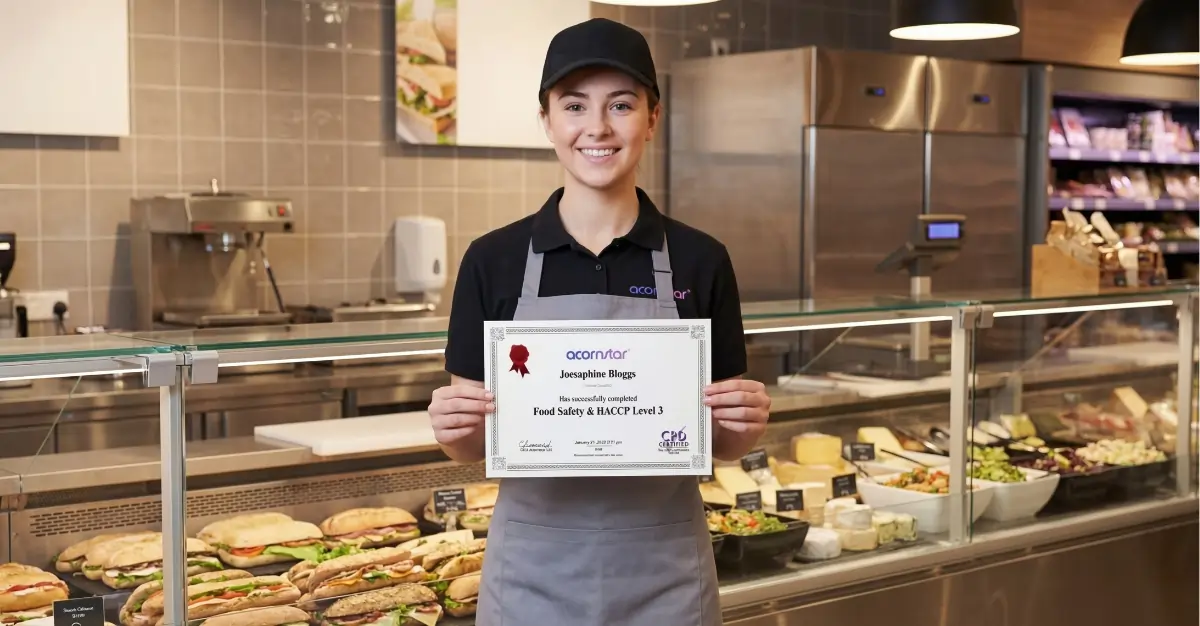
“But my head chef already has a food safety certificate why does he need more training?” This question comes up repeatedly when food business owners review their training obligations. The certificate on the staff room wall shows HACCP Level 1 or Level 2, the legal box appears ticked, and surely that’s enough?
Not quite. In fact, not even close.
Here’s the reality that catches many Irish food businesses off guard: the legal requirement isn’t simply to have trained staff it’s to ensure staff are “supervised and instructed and/or trained in food hygiene matters commensurate with their work activity.” That final phrase is crucial, and it’s where many businesses fall short without even realising it.
Your head chef, sous chef, kitchen supervisor, or anyone managing food safety in your operation isn’t performing the same role as a line cook or food handler. They’re not just cleaning surfaces, monitoring temperatures, and following procedures someone else created. They’re designing those procedures, troubleshooting when things go wrong, training others, making critical food safety decisions independently, and ultimately bearing responsibility when inspectors arrive.
The Connected Kitchen Why 2026 Is the Tipping Point
You walk through your kitchen fifty times a week. You know every corner, every piece of equipment, every workflow. This intimate familiarity is simultaneously your greatest strength and your most dangerous vulnerability.
Habituation blindness is a real phenomenon. When you’re immersed in an environment daily, your brain filters out details it deems routine. That loose door seal on the walk-in fridge? You’ve been meaning to fix it for weeks, but it’s become background noise. The staff member who has developed a casual approach to hand-washing between tasks? You’ve stopped noticing because it’s become normalised in your operation. The temperature log that’s being completed retrospectively rather than in real-time? It’s just how things have always been done.
Environmental Health Officers don’t have this selective blindness. They walk into your premises with fresh, trained eyes specifically looking for the details you’ve stopped seeing. They notice the cracked floor tile that could harbour bacteria, the cluttered dry storage that impedes proper pest control, the cutting board with knife scores deep enough to trap contamination, and the hand-wash sink being used to fill pots because it’s conveniently located.
A professional food safety consultant conducting a pre-inspection audit brings that same fresh perspective, but with a crucial difference: they’re on your side. They identify problems before an EHO does, giving you the opportunity to address issues on your terms rather than under the threat of enforcement action.

What EHOs Are Really Looking For (And Why Pre-Inspection Audits Mirror This)
Understanding what inspectors prioritise helps you prepare effectively. The HSE guidance for EHOs outlines specific elements they must assess during inspections:
Hygiene Prerequisite Programme (Structural)
This covers the physical condition of your premises: layout, surfaces, equipment, lighting, ventilation, water supply, drainage, and facilities. Structural issues often require investment and time to correct, making early identification through a pre-inspection audit particularly valuable.
Common problems consultants identify include inadequate separation between raw and ready-to-eat preparation areas, insufficient hand-washing facilities, damaged or unhygienic surfaces, poor ventilation leading to condensation issues, and inadequate pest-proofing of the building.
Hygiene Prerequisite Programme (Operational)
This examines your operational hygiene: personal hygiene practices, cleaning and sanitation, temperature control, food handling procedures, waste management, and pest control. These are often easier to address than structural issues but require consistent staff training and management oversight.
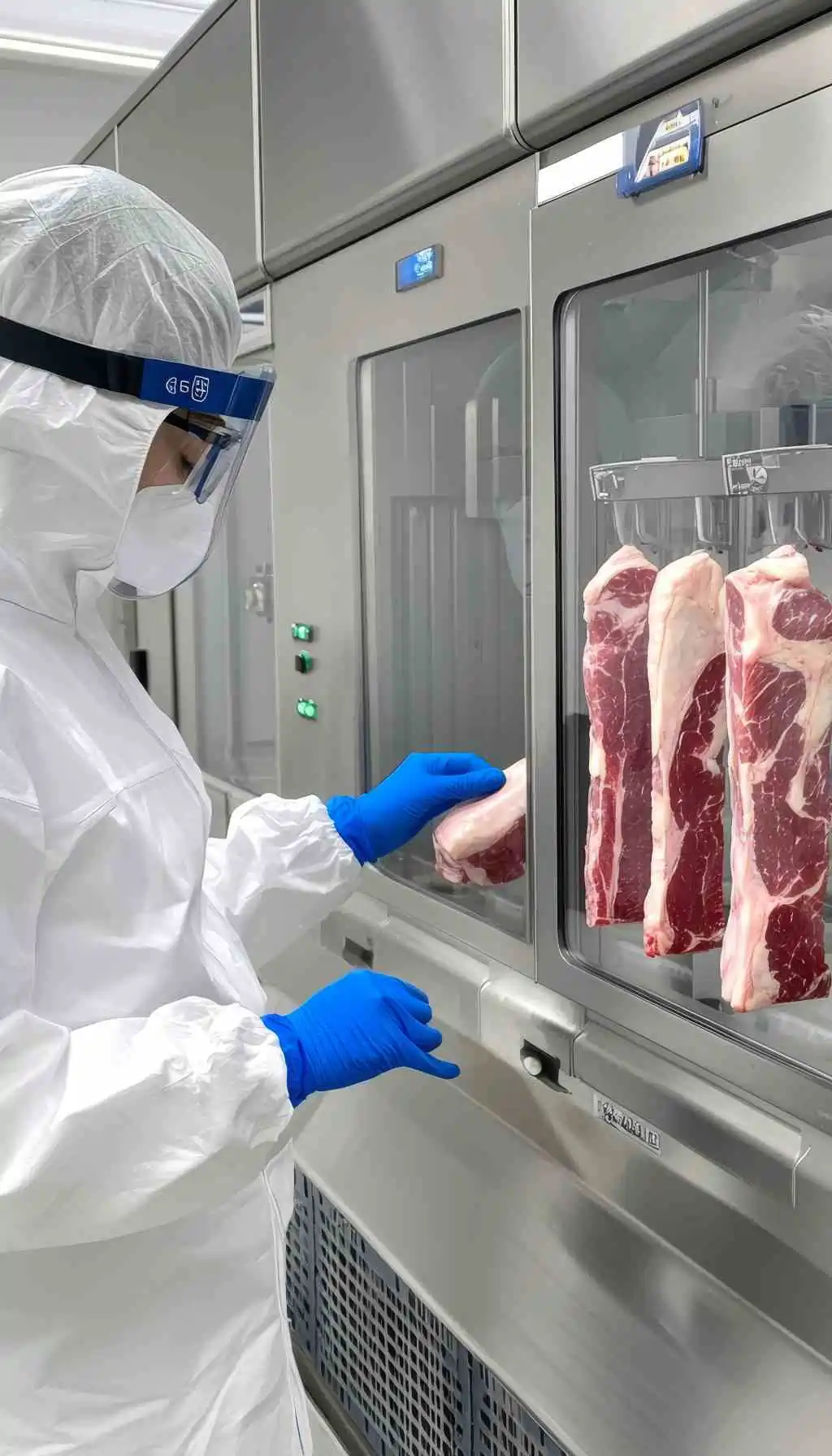
Pre-inspection audits frequently uncover inadequate cleaning schedules or poor execution, staff with poor personal hygiene habits that have gone uncorrected, temperature monitoring that’s inconsistent or falsified, cross-contamination risks in workflow and storage, and inadequate waste handling procedures.
Procedures Based on HACCP Principles
Your HACCP plan is central to your food safety management system. EHOs will assess whether you’ve identified hazards correctly, established appropriate critical control points, set meaningful critical limits, implemented effective monitoring, and have documented corrective actions.
The most common HACCP issues identified in pre-inspection audits are generic plans that don’t reflect actual operations, outdated documentation that doesn’t match current menus or processes, staff unable to explain the HACCP system they’re supposedly following, inadequate monitoring records or obvious fabrication of logs, and no evidence of corrective actions when monitoring identifies problems.
Management Systems
Inspectors evaluate your training records, supervision arrangements, traceability systems, supplier controls, and overall confidence in management’s ability to maintain food safety. This is where the culture of your operation becomes visible.
Consultants conducting HACCP audit services often find inadequate or missing training records, no evidence of staff competency assessment, poor traceability systems that wouldn’t support effective recall, insufficient supplier verification, and management that clearly isn’t engaged with food safety beyond compliance.
The Common Pitfalls: What Pre-Inspection Audits Consistently Uncover
After years of conducting kitchen compliance audits across Ireland, food safety consultants report seeing the same issues repeatedly problems that business operators genuinely don’t notice until they’re pointed out:
The Documentation-Reality Gap
Your HACCP plan says temperatures are checked every four hours. But when a consultant observes operations, checking happens sporadically at best. Your procedures say staff wash hands between tasks, but observations reveal shortcuts and non-compliance. Your cleaning schedule indicates daily deep cleaning of certain areas, but the build-up of grime tells a different story.
This gap between what’s documented and what actually happens is immediately obvious to EHOs and is one of the most common triggers for escalated enforcement action. It suggests either that your food safety management system doesn’t work in practice, or that you’re not honest in your documentation neither of which inspires confidence.
Temperature Control Complacency
The FSAI identifies inadequate temperature control as one of the most frequent compliance issues in Irish food businesses. Pre-inspection audits regularly find fridges running above 5°C (with staff unaware or unconcerned), hot-held food sitting at dangerous temperatures, cooling procedures that leave food in the danger zone for far too long, and temperature logs showing implausible consistency (every reading identical for weeks).
Temperature abuse is particularly serious because it directly facilitates bacterial growth, yet it’s often not visible to operators who’ve become desensitised to equipment performance issues.
Cross-Contamination Pathways
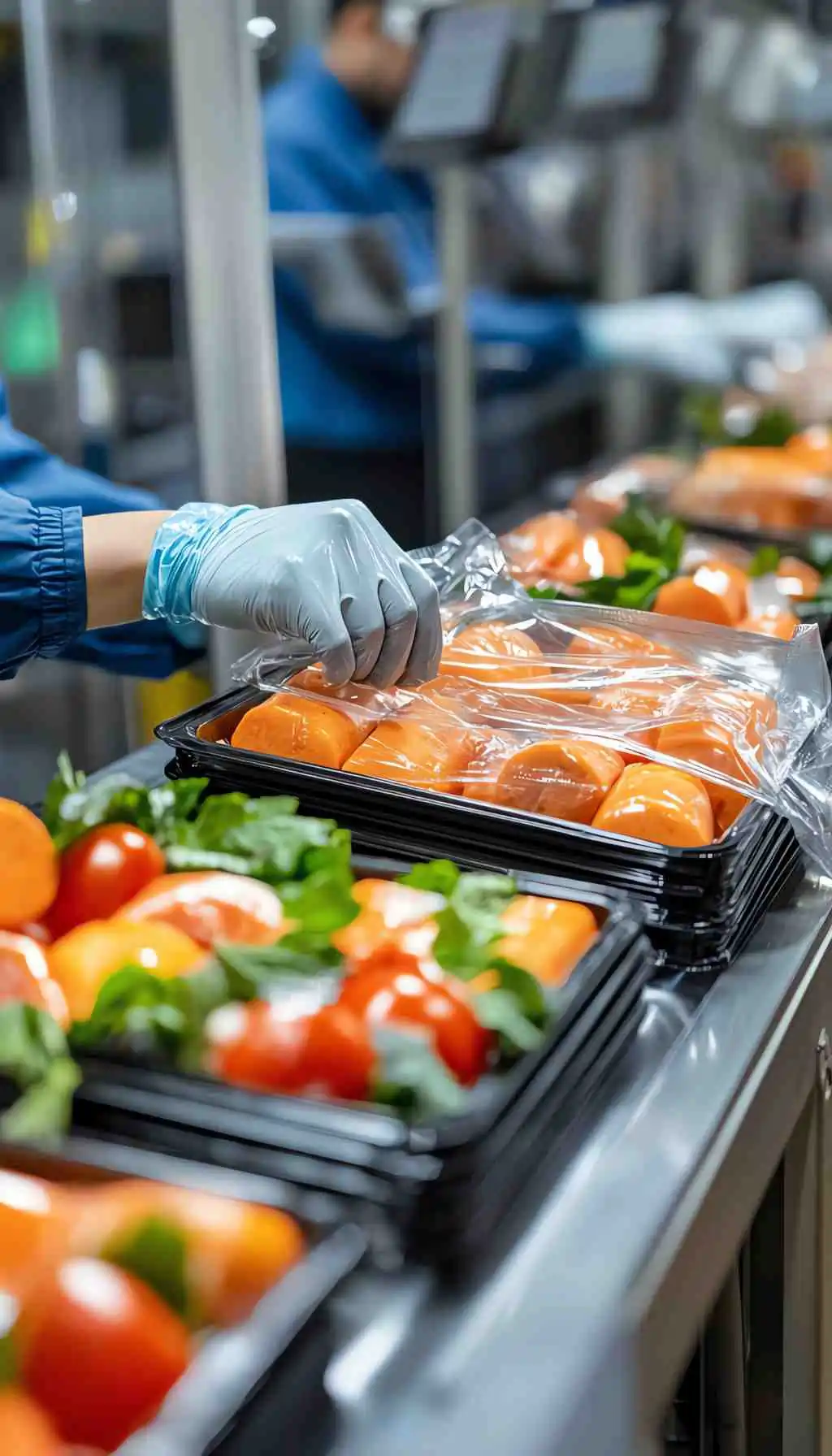
Walk through your operation with an EHO’s eyes, and cross-contamination risks suddenly become apparent: raw meat stored above ready-to-eat foods in refrigeration, the same cloths used to wipe raw meat preparation surfaces then ready-to-eat areas, staff handling raw foods then immediately touching ready-to-eat items without washing hands or changing gloves, colour-coded boards and equipment systems that have completely broken down, and shared equipment inadequately cleaned between uses.
These risks are often normalised through habit. A consultant conducting an EHO inspection prep audit will map your workflows and identify where contamination can occur before it causes illness or attracts enforcement action.
The Strategic Value of Pre-Inspection Audits: Beyond Finding Problems
strategic value that extends far beyond the immediate inspection:
Objective Risk Assessment
You might believe your biggest risk is structural (your ageing equipment or cramped kitchen), when actually it’s operational (poor staff training or inconsistent procedures). Consultants provide objective risk assessment, helping you prioritise remedial actions where they’ll have the greatest impact on food safety and compliance.
Staff Training Opportunities
When consultants identify issues during audits, they create immediate training opportunities. Rather than waiting for an EHO to point out problems (with potential enforcement action hanging in the balance), your team learns from friendly experts before stakes are high.
Documentation Improvement
Many food businesses have HACCP systems that look impressive on paper but are impractical in operation. A pre-inspection audit identifies where your documentation needs revision to reflect actual operations, making your system both compliant and useful.
Confidence Building
Perhaps most importantly, a thorough pre-inspection audit followed by remedial action gives you genuine confidence when an EHO arrives. You know your operation has been scrutinised by professionals. You know issues have been addressed. You can welcome inspection rather than dread it.

How Pre-Inspection Audits Work What to Expect
Professional HACCP audit services typically follow a structured approach mirroring EHO inspection methodology:
Pre-Audit Review
The consultant reviews your existing documentation HACCP plans, cleaning schedules, training records, supplier information, temperature logs, and any previous inspection reports. This desk review identifies obvious gaps before the site visit.
Site Observation
The consultant visits during operations, observing workflows, staff practices, equipment use, and hygiene standards. This unannounced or semi-announced approach captures your operation as it typically functions rather than at its best behaviour.
Documentation Verification
Consultants compare documented procedures against observed practices, identifying the documentation-reality gap that EHOs will notice immediately.
Staff Interviews
Brief interviews with team members at various levels assess competency and understanding of food safety procedures. Can staff explain why procedures exist? Do they understand critical control points? Can they identify allergens?
You receive a comprehensive report categorising issues by severity (mirroring EHO classification), providing specific recommendations for each issue, prioritising actions based on risk and compliance urgency, and offering timelines for addressing issues.
Follow-Up Suppor
The best HACCP consultants don’t just identify problems they help you fix them. This might include revising HACCP documentation, developing training programmes, establishing effective monitoring systems, and conducting follow-up audits to verify improvements.

The Cost-Benefit Equation Why Pre-Inspection Audits Are an Investment, Not an Expense
Some food business operators hesitate to invest in pre-inspection audits, viewing them as unnecessary expense. This perspective fundamentally misunderstands both the costs of non-compliance and the value of prevention.
The True Cost of Enforcement Action
Consider what happens if an EHO inspection results in serious non-compliance findings. An improvement notice or prohibition order requires immediate corrective action at potentially high cost, often requiring urgent contractor work at premium rates. A closure order means zero revenue whilst closed, plus the cost of rectifying issues, reputational damage that persists long after reopening, and potential legal fees if enforcement action escalates.
The 115 closure orders issued in 2024 represented 115 businesses that stopped earning revenue overnight. Many struggled to recover even after reopening because customers had lost confidence.
The Value of Early Detection
A pre-inspection audit identifies the same issues an EHO would find, but with crucial differences. You address problems on your timeline, planning expenditure strategically rather than responding to crisis. You fix issues at regular rates rather than emergency premium pricing. You maintain operation throughout the remediation process. Most importantly, you avoid the reputational damage of public enforcement action.
The cost of a professional HACCP system review or kitchen compliance audit is typically equivalent to a few days’ revenue for most food businesses. Compare this to even one day of closure, and the return on investment becomes immediately apparent.
Taking Action: Preparing for the Inevitable Inspection
EHO inspections are not a question of if, but when. The frequency depends on your risk category, but inspection programmes ensure that every registered food business in Ireland receives periodic official control. High-risk businesses might be inspected multiple times annually, whilst lower-risk operations face less frequent scrutiny but nobody escapes oversight entirely.
The question isn’t whether you’ll be inspected, but whether you’ll be ready when it happens. Pre-inspection audits transform this inevitable event from a source of anxiety into an opportunity to demonstrate your commitment to food safety.
Schedule Regular Audits
Don’t wait until you think an inspection is imminent. Regular pre-inspection audits annually or even more frequently for complex operations—ensure you maintain consistently high standards rather than scrambling periodically.
Act on Findings Promptly
An audit is only valuable if you act on its findings. Prioritise issues by risk and compliance urgency, allocate resources to address identified problems, document all remedial actions taken, and schedule follow-up verification.
Integrate Audits Into Improvement Culture
The most successful food businesses view audits not as one-off compliance exercises but as integral to continuous improvement. They welcome external scrutiny, learn from every finding, engage staff in the improvement process, and maintain the perspective that identifying problems is the first step to solving them.
The Bottom Line: Fresh Eyes Protect More Than Compliance
When you operate a food business in Ireland in 2025, the regulatory environment is more demanding than ever. With enforcement orders up 45%, EHOs conducting increasingly rigorous inspections, and public awareness of food safety at all-time highs, there’s simply no room for complacency.
But beyond compliance and avoiding enforcement action, pre-inspection audits protect something even more valuable: your reputation and the trust your customers place in you every time they eat your food.
A closure order doesn’t just mean lost revenue during the closure period. It means your business’s name published on the FSAI enforcement orders list for three months. It means negative reviews and social media posts that persist indefinitely. It means customers who might never return, regardless of how quickly you rectify issues. It means years of reputation-building potentially undone in a single afternoon.
Pre-inspection kitchen compliance audits by experienced food safety consultants provide the fresh eyes that spot what daily familiarity has hidden. They identify problems whilst solutions are still under your control. They transform EHO inspections from anxiety-inducing ordeals into opportunities to showcase your commitment to safety.
You’ve invested everything into building your food business your time, your money, your reputation, and your dreams. Don’t let preventable compliance issues jeopardise what you’ve created. Fresh eyes from professional HACCP consultants see what you’ve stopped noticing, identify risks before they become crises, and help you maintain the standards that protect both your customers and your business.
The next time an Environmental Health Officer walks through your door, you’ll know you’re ready. Because you’ve already passed the toughest inspection of all the one conducted by experts with fresh eyes who found your operation worthy of confidence.
Elevate Your Business Standards
Achieving operational excellence requires a two-pronged approach: a well-trained team and robust safety systems. We provide the tools you need to achieve both.
Training Your Team
Our accredited courses allow your staff to train at their own pace. Take advantage of our limited-time offer of free Allergen Awareness training included with selected food safety modules.
- Kitchen Essentials: From Level 1 Induction to Level 2 Food Handling and Level 3 Management.
- Comprehensive Bundles: Get the Level 1 & 2 + Allergen Bundle for total peace of mind.
- Site Safety: Protect your premises with Fire Warden and Slips, Trips & Falls courses.
Need Deeper Expertise?
If you require bespoke advice, our HSEQ Consultancy Services can assist with risk assessments, safety statements, and full compliance auditing to ensure your business is bulletproof.
Smarter Management for Free
Business customers get exclusive access to our Free Learning Management System (LMS). Manage all your compliance training in one place with a smart, easy login. Track enrollments, download certificates, and enjoy fast savings compared to other learning platforms saving your team time and money.
Get in touch today for corporate rates or browse our full course list.