
Why FSAI Closure Orders Spiked by 45% in 2024 (And How to Stay Open)
What You Really Need to Know
Introduction
The email from your local Environmental Health Officer lands in your inbox. Your stomach drops. An inspection is scheduled for next week. You think your premises are fine you clean regularly, your food is fresh, your staff know what they’re doing. But are you certain? Would you bet your business on it?
Because that’s exactly what’s at stake. In January 2025, the Food Safety Authority of Ireland (FSAI) released figures that sent shockwaves through the hospitality industry: 133 Enforcement Orders were served on food businesses in 2024 a staggering 45% increase on the 92 served in 2023.
Let that sink in. In just one year, enforcement actions jumped by nearly half. This isn’t a minor statistical blip. It’s a clear signal that something has changed in how food safety is being monitored and enforced in Ireland.
The question every food business owner, restaurant manager, and café operator should be asking isn’t “Will I get inspected?” but rather “Am I absolutely certain we’ll pass?”
The Numbers That Should Worry You
Here’s the breakdown that matters:
- 115 Closure Orders – businesses forced to shut their doors immediately
- 16 Prohibition Orders – specific activities or processes banned
- 2 Improvement Orders – formal demands for urgent changes
Dr Pamela Byrne, Chief Executive of the FSAI, didn’t mince words: “It is concerning to see a significant increase in Enforcement Orders in 2024. Consumers have a right to safe food and negligent food practices are inexcusable.”
The word “inexcusable” is key here. The FSAI isn’t talking about minor technicalities or obscure regulations that only food safety experts understand. They’re talking about fundamental, basic failures that should never happen in any professional food operation.
What Are Inspectors Actually Looking For?
Understanding what triggers closure orders is the first step to avoiding one. The FSAI has been remarkably transparent about the recurring issues that led to enforcement actions in 2024:

1. Pest Control Failures The Number One Problem
This was the most frequently cited reason for closure orders in 2024. We’re not talking about spotting a single mouse once in a blue moon. The FSAI’s December 2024 enforcement reports detail:
- Fresh rat droppings and decomposed rat carcasses
- Live cockroaches on walls, floors, and preparation surfaces
- Dead and live insects throughout food storage areas
- Inadequate or completely absent pest control procedures
Dr Byrne was explicit: “Inadequate or absent pest control procedures was a recurring issue throughout 2024 and pest control needs to be addressed by all food businesses this year.”
Here’s what many food business owners don’t realise: pest control isn’t just about calling someone when you see evidence of pests. It’s about having documented, preventative procedures in place. Inspectors want to see:
- Regular professional pest control service records
- Documented checks and monitoring systems
- Staff training on spotting early warning signs
- Proofing measures to prevent pest entry
- Clear protocols for what to do if pests are discovered
If you can’t produce this documentation during an inspection, you’re already at risk.
2. Inadequate Regular and Thorough Cleaning
The reports are eye-opening: “accumulation of food debris, grease, dirt,” “complete lack of cleaning,” and “disorganisation in storage hindering adequate cleaning.”
This isn’t about having a slightly messy prep area at the end of a busy service. This is systematic neglect. But here’s the critical insight: many businesses think they’re cleaning adequately when they’re not.
The difference? Food safety culture.
A business with a strong food safety culture has:
- Cleaning schedules that are followed rigorously, not when someone remembers
- Documented cleaning records showing what was cleaned, when, and by whom
- Proper cleaning materials and chemicals used correctly (see control of chemicals training)
- Management oversight ensuring standards are maintained
- Staff accountability where everyone understands their cleaning responsibilities
Without this systematic approach, cleaning becomes inconsistent. And inconsistency is exactly what inspectors identify as a management failure.


3. Temperature Control Failures
“Failure to maintain correct temperatures of foodstuffs” and “ready-to-eat foods incorrectly stored” featured prominently in closure orders.
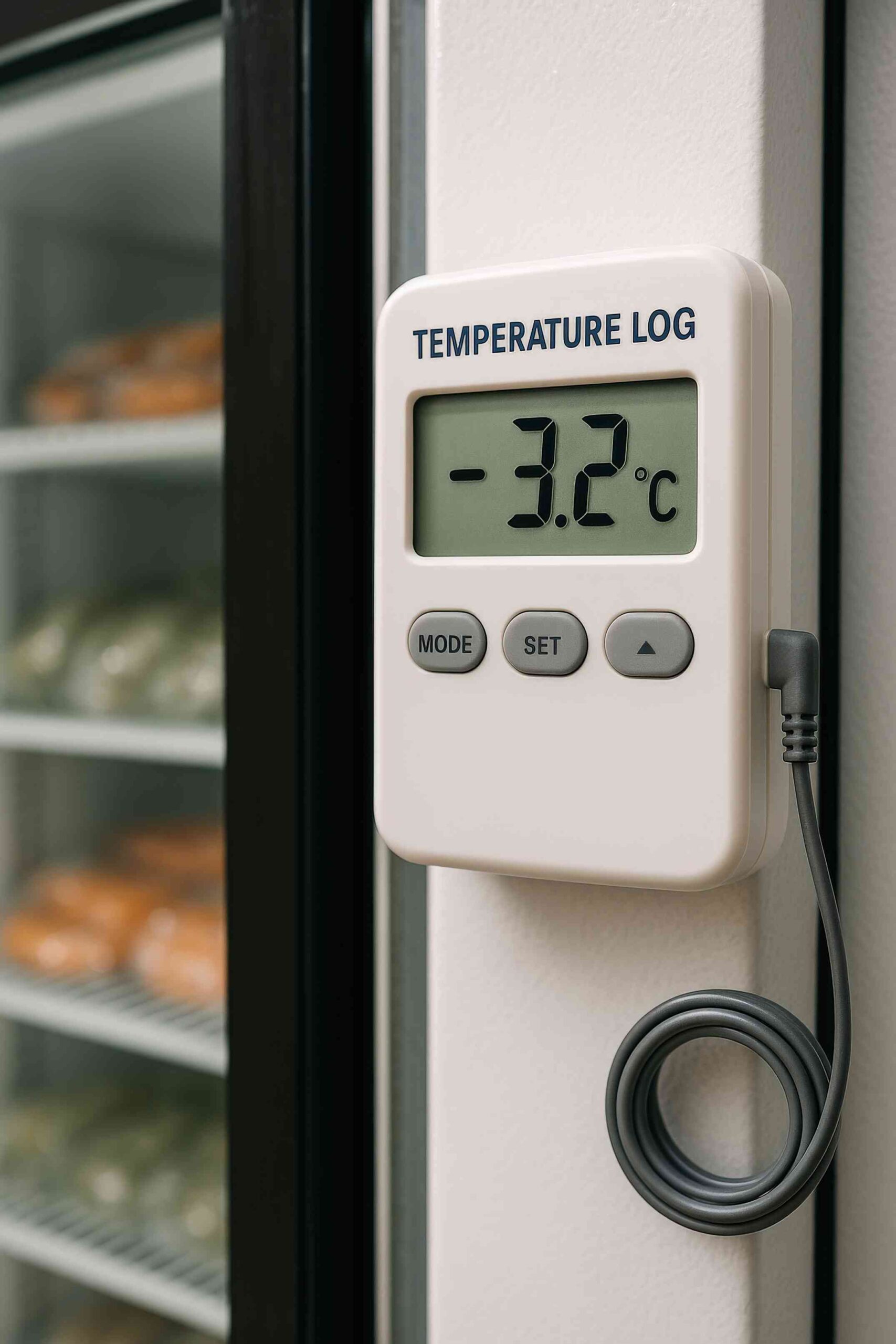
Temperature control is one of the most basic principles taught in HACCP Level 1 training. The danger zone (5°C to 63°C) is where bacteria multiply rapidly. Food businesses must:
- Keep cold food below 5°C
- Keep hot food above 63°C
- Cool cooked food rapidly
- Monitor and record temperatures regularly
Yet businesses continue to fail here. Why? Because temperature monitoring becomes routine, and routine tasks get skipped when you’re busy. Unless you have systems in place that make it impossible to skip.
4. Unsuitable Food Storage Facilities
This covers everything from broken refrigeration units to chaotic storage that prevents proper stock rotation, to storing raw and ready-to-eat foods together.
Storage failures often indicate a lack of understanding about cross-contamination risks. This is exactly what HACCP Level 2 training addresses understanding the “why” behind the rules so staff make good decisions even when supervisors aren’t watching.
5. Inadequate Staff Training in Food Safety and Hygiene
This covers everything from broken refrigeration units to chaotic storage that prevents proper stock rotation, to storing raw and ready-to-eat foods together.
Storage failures often indicate a lack of understanding about cross-contamination risks. This is exactly what HACCP Level 2 training addresses understanding the “why” behind the rules so staff make good decisions even when supervisors aren’t watching.
The Shift to “Food Safety Culture”
What’s changed between 2023 and 2024 that explains the 45% spike? Enforcement is getting stricter, yes, but there’s a deeper shift happening.
In October 2024, the FSAI published Guidance Note 44 on Food Safety Culture, signalling a fundamental change in how food safety compliance is assessed.
Food safety culture goes beyond having the right procedures on paper. It’s about whether those procedures are lived and breathed by everyone in your business, every day, without exception.
The FSAI defines food safety culture as “how everyone, including managers and employees, think and act in their job on a consistent basis. It reflects the commitment to food safety at every step and within every role.”
Inspectors are now trained to look beyond your HACCP plan folder. They’re assessing:
- Leadership commitment: Do managers actively promote food safety, or just pay lip service?
- Staff empowerment: Can staff speak up about food safety concerns without fear?
- Consistency: Are procedures followed even when you’re short-staffed or busy?
- Documentation: Are records accurate and up-to-date, or clearly back-filled?
- Learning culture: When issues arise, do you investigate and improve, or blame individuals?
This is why closure orders are increasingly being issued for what might seem like “less serious” violations. A cluttered storage area isn’t just an organisational problem it’s evidence that management isn’t maintaining oversight and staff aren’t following procedures. It indicates a weak food safety culture where problems will inevitably escalate.

It’s Not About Dirty Floors It’s About Management Oversight
Let’s be absolutely clear: the vast majority of closure orders in 2024 could have been prevented with proper management systems.
When inspectors find rat droppings, it’s not just a pest problem it’s evidence that:
- Nobody was conducting daily premises checks
- There was no pest control monitoring system
- Staff either didn’t know what to look for or didn’t report what they saw
- Management wasn’t overseeing these basic procedures
When they find food stored at dangerous temperatures, it’s not just a broken fridge it’s evidence that:
- Temperature checks weren’t happening or weren’t recorded
- Faulty equipment wasn’t identified and replaced promptly
- Staff weren’t trained to recognise the problem
- There was no system to escalate equipment failures to management
When they find inadequate cleaning, it’s not about a busy night it’s evidence that:
- There are no cleaning schedules or they’re not followed
- Cleaning isn’t supervised or verified
- Staff don’t understand the importance of thorough cleaning
- Management isn’t checking that cleaning standards are maintained
Do you see the pattern? Every physical violation points back to a management systems failure.

Real-World Consequences December 2024 Closures
Let’s look at actual examples from December 2024 to understand what “getting it wrong” really means:
Cork Rooftop Farm Limited (Retailer) – closed
Take Away Express, Athlone – closed
K&Q Snacks Limited, Dublin (Wholesaler/Distributor) – closed
Murphy’s Fish and Chips, Waterford – closed
Lam’s Asian Cuisine, Kilkenny – closed
Numidia Café, Dublin – closed
And several more. Each of these businesses faced:
- Immediate closure during what should have been a profitable trading period
- Public naming on the FSAI website and in media reports
- Reputational damage that lingers long after reopening
- Loss of customer trust and bookings
- Financial impact from wasted stock, deep cleaning, and lost revenue
- Staff potentially out of work before Christmas
- The stress and uncertainty of not knowing when you can reopen
The listings stay on the FSAI’s enforcement reports for three months after the issue is corrected. Three months of potential customers checking the FSAI website and seeing your business named.
Could your business survive that?
The Cost of Non-Compliance vs The Cost of Prevention
Let’s talk economics. Many food business owners view food safety training and management systems as an expense. “Another cost when margins are already tight,” they think.
But consider the true cost of a closure order:
Direct Costs:
- Zero revenue during closure (typically several days minimum)
- Wasted perishable stock
- Deep cleaning and remediation costs
- Potential equipment replacement
- Legal fees if prosecuted
- Fines if convicted
Indirect Costs:
- Reputational damage and customer loss
- Staff seeking alternative employment
- Cancelled bookings and events
- Negative reviews and social media impact
- Increased insurance premiums
- Future inspections will be more frequent and scrutinous
- Loss of supplier and partner confidence


What “Audit-Proof” Actually Means
No business is truly inspection-proof – inspectors can find issues anywhere if they look hard enough. But what you can achieve is a business that’s “audit-ready” at any time, not just when you know an inspection is coming.
Audit-ready businesses have:
1. Living Documentation
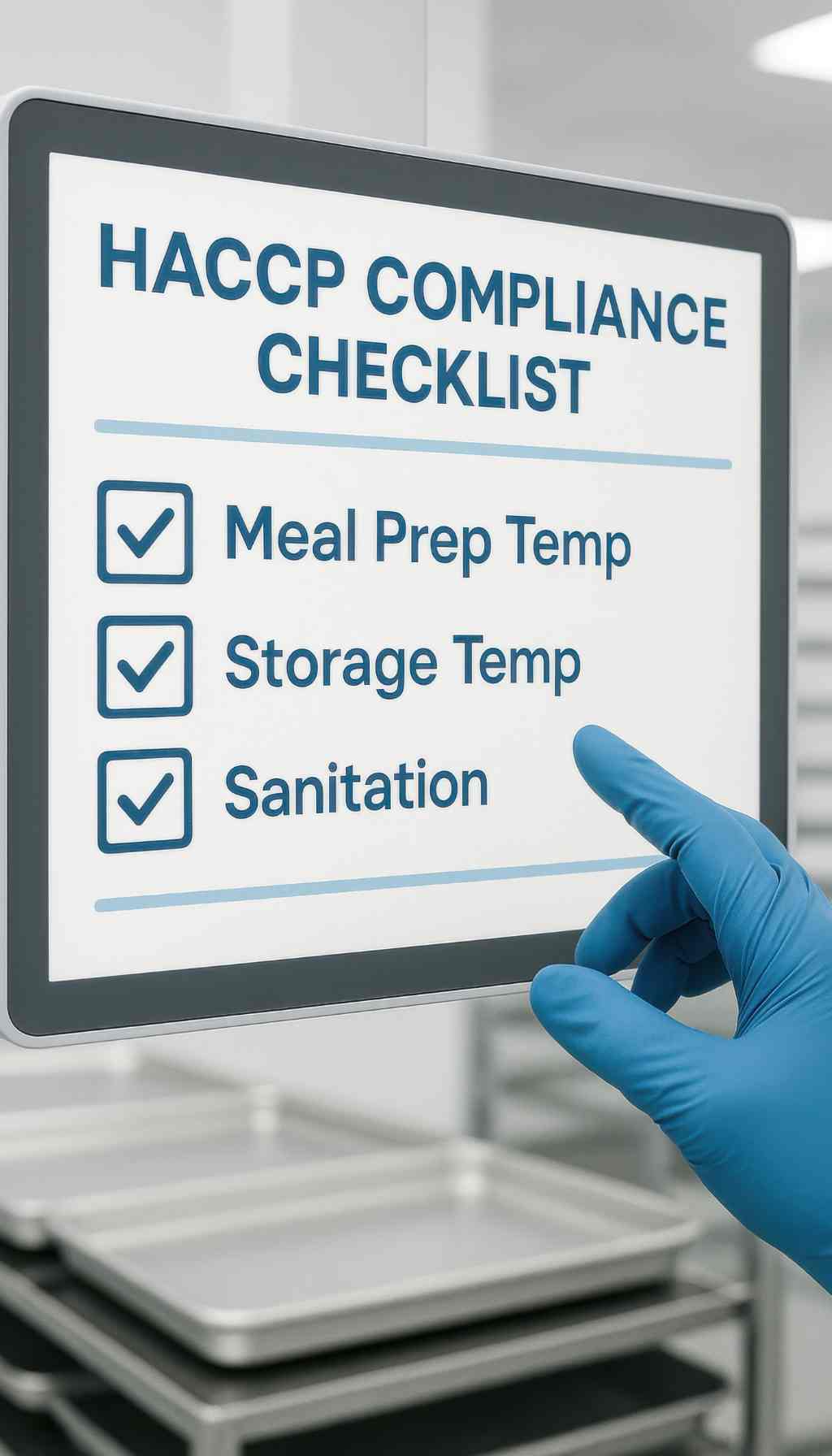
Your HACCP plan, cleaning schedules, temperature logs, and training records aren’t gathering dust in a folder. They’re actively used, genuinely current, and reflect what actually happens in your business.
Management systems help here enormously. When staff can easily access digital checklists, complete them on tablets or phones, and have records automatically stored and tracked, compliance becomes the path of least resistance rather than an additional burden.
2. Trained and Empowered Staff
Every person handling food has completed appropriate food safety training and can demonstrate their knowledge when asked. More importantly, they understand why procedures matter, not just what the procedures are.
Training records are current and accessible. When inspectors ask to see evidence of staff training, you can pull up certificates immediately, not scramble to find certificates from three years ago or admit that the summer temps haven’t been trained yet.
3. Visible Management Oversight
There’s clear evidence that management actively monitors and enforces food safety standards. This might include:
- Signed-off daily opening and closing checklists
- Management verification of staff temperature logs
- Regular documented premises inspections by supervisors
- Staff meetings where food safety is discussed
- Corrective actions documented and followed up
When an inspector can see that management takes food safety seriously, they’re more confident that issues will be identified and corrected internally before they become serious.
4. Proactive Maintenance and Monitoring
Equipment is maintained, with service records available. Pest control is regular and documented. Temperature monitoring devices are calibrated. Cleaning is systematic and verified.
These aren’t things you do when you hear an inspection is coming. They’re continuous practices embedded in how you operate.
5. A Culture of Accountability
Perhaps most importantly, everyone in the business understands that food safety is everyone’s responsibility. Staff feel empowered to raise concerns. Near-misses are investigated and learned from. Good practices are recognised and rewarded.
This is what food safety culture looks like in practice.
Sector-Wide Risks It’s Not Just About Food
While food safety is the primary focus, inspectors are increasingly taking a holistic view of how businesses operate. A premises showing poor food safety management often has problems in other areas too:
Workplace Safety: Kitchens under pressure are where manual handling injuries occur. Wet floors in poorly maintained premises lead to slips and falls. Fire safety procedures in chaotic environments may be neglected.
When Environmental Health Officers see evidence of poor food safety management, they may alert other enforcement agencies about potential workplace safety issues. Proper fire safety awareness and health and safety training demonstrates a culture of compliance that extends beyond food safety.
What “Audit-Proof” Actually Means
No business is truly inspection-proof – inspectors can find issues anywhere if they look hard enough. But what you can achieve is a business that’s “audit-ready” at any time, not just when you know an inspection is coming.
Audit-ready businesses have:
1. Living Documentation
Your HACCP plan, cleaning schedules, temperature logs, and training records aren’t gathering dust in a folder. They’re actively used, genuinely current, and reflect what actually happens in your business.
Management systems help here enormously. When staff can easily access digital checklists, complete them on tablets or phones, and have records automatically stored and tracked, compliance becomes the path of least resistance rather than an additional burden.
2. Trained and Empowered Staff
Every person handling food has completed appropriate food safety training and can demonstrate their knowledge when asked. More importantly, they understand why procedures matter, not just what the procedures are.
Training records are current and accessible. When inspectors ask to see evidence of staff training, you can pull up certificates immediately, not scramble to find certificates from three years ago or admit that the summer temps haven’t been trained yet.
3. Visible Management Oversight
There’s clear evidence that management actively monitors and enforces food safety standards. This might include:
- Signed-off daily opening and closing checklists
- Management verification of staff temperature logs
- Regular documented premises inspections by supervisors
- Staff meetings where food safety is discussed
- Corrective actions documented and followed up
When an inspector can see that management takes food safety seriously, they’re more confident that issues will be identified and corrected internally before they become serious.
4. Proactive Maintenance and Monitoring
Equipment is maintained, with service records available. Pest control is regular and documented. Temperature monitoring devices are calibrated. Cleaning is systematic and verified.
These aren’t things you do when you hear an inspection is coming. They’re continuous practices embedded in how you operate.
Your Action Plan Stay Off the FSAI Enforcement Reports
Don’t wait until you receive an inspection notice. Here’s what to do right now:
Immediate Actions (This Week):
- Conduct an honest self-assessment: Walk through your premises as if you’re an inspector. Look for the five recurring issues: pest control, cleaning, temperature control, storage, and training.
- Check your documentation: When were staff last trained? When was pest control last serviced? Are your temperature logs up to date and accurate?
- Verify your pest control: When did you last have a professional pest control visit? Can you produce the documentation? Are there any signs of pest activity you’ve been ignoring?
- Review staff knowledge: Spot-check your team’s food safety knowledge. If they can’t explain basic hygiene principles, you have a training gap that needs urgent attention.
The Role of Proper Training
Knowledge truly is power when it comes to preventing norovirus outbreaks. Every member of your team from the head chef to the newest pot washer needs to understand food safety principles.
The Irish food industry operates under stringent regulations, and HACCP (Hazard Analysis and Critical Control Points) certification ensures your team understands how to identify and control food safety hazards.
For many food businesses, online HACCP training offers a flexible, cost-effective solution, allowing staff to complete their certification without disrupting service. HACCP Level 1 provides foundational knowledge for all food handlers, while HACCP Level 2 is essential for supervisors and those with food safety responsibilities.
Don’t forget about allergen awareness either while not directly related to norovirus, maintaining comprehensive food safety standards protects your business on all fronts. Allergen awareness training ensures your team can handle this equally important aspect of food safety.
Beyond Food Safety Creating a Safer Workplace
Food safety doesn’t exist in isolation. A truly safe kitchen considers all workplace hazards. During the busy Christmas period, risks increase:
- Manual handling injuries from lifting heavy stock, turkeys, and equipment
- Slips, trips, and falls on wet floors in busy kitchens
- Fire safety concerns with increased cooking activity
Comprehensive training across all safety areas creates a culture of vigilance and care. When staff are trained in manual handling, they’re less likely to injure themselves during the demanding festive season. Understanding fire safety becomes crucial when kitchens are operating at full capacity.
What to Do If Norovirus Strikes
Despite your best efforts, an outbreak may still occur. Your response can make the difference between a minor incident and a major disaster:
- Isolate affected individuals immediately send them home with clear instructions not to return until 48 hours after symptoms cease
- Deep clean and disinfect all affected and surrounding areas
- Review your procedures – identify how the virus may have entered your premises
- Communicate transparently – inform relevant authorities if required and be honest with customers
- Document everything – maintain records of the incident and your response
The FSAI provides guidance on outbreak management, and you should also contact your local Environmental Health Office for support.
Making Food Safety Part of Your Culture
The most effective food businesses don’t treat food safety as a box-ticking exercise. Instead, they build it into their company DNA. Regular team meetings that discuss food safety, visible hygiene reminders, and leading by example from management all contribute to a strong food safety culture.
Many businesses find that implementing a structured learning management system helps maintain consistent standards, track training completion, and ensure all staff including seasonal workers receive proper instruction before they start handling food.
Preparing for a Safe and Successful Season
This Christmas, don’t let the winter vomiting bug steal your festive cheer. By implementing robust food safety practices, ensuring your team is properly trained, and maintaining vigilance during the busy season, you can protect your customers, your staff, and your business reputation.
Remember, investing in food safety isn’t an expense it’s insurance against the far greater costs of an outbreak. From comprehensive HACCP training to understanding the complete picture of workplace safety, proper training pays for itself many times over.
The festive season is demanding enough without adding a norovirus outbreak to your challenges. With the right knowledge, procedures, and team training, you can focus on what matters most delivering excellent food and service to your customers throughout the Christmas period and beyond.
Stay safe, stay vigilant, and here’s to a healthy and prosperous festive season for your business.
Looking to strengthen your team’s food safety knowledge? Explore our range of online food safety and HACCP training courses designed specifically for Irish food businesses. Flexible, affordable, and certified – because your reputation depends on it.