
Food Training Course Ireland, What You Need to Know
What Food Training Course Does Your Business Need?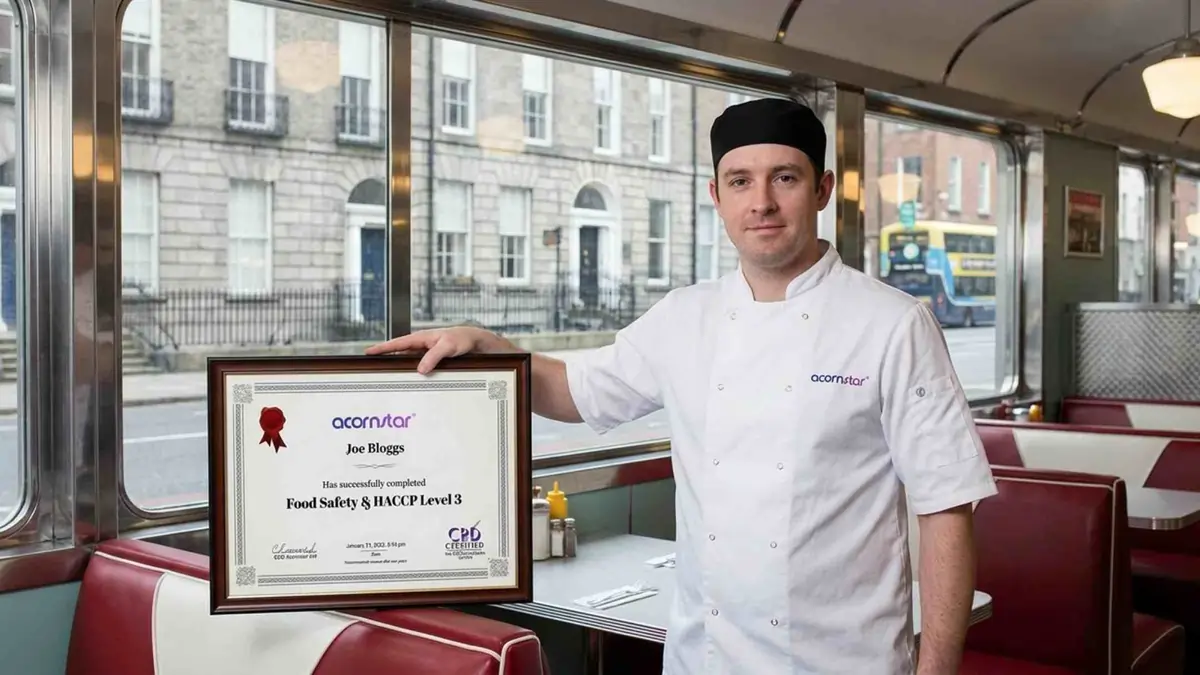
Which Food Training Course Should You Choose in Ireland?
If you are searching for a food training course in Ireland, understanding the different levels and legal requirements is essential to ensure your team is properly trained and compliant.
Whether you are an employer looking to get your team certified, a new entrant to the food industry figuring out what qualification you need, or a manager trying to understand your legal obligations, the world of food training courses in Ireland can feel overwhelming at first. There are multiple levels, different providers, various formats, and regulatory requirements to navigate. This guide simplifies all of it giving you a clear picture of what food training courses are available in Ireland, which ones you actually need, and how to get started today.
What is a Food Training Course?
A food training course in Ireland is an accredited programme of learning that equips food handlers, supervisors, or managers with the knowledge and skills they need to handle food safely and comply with Irish and EU food safety law. Food training courses in Ireland are structured around the HACCP (Hazard Analysis and Critical Control Points) framework the internationally recognised system for managing food safety hazards that is required by law for all food businesses in Ireland under Regulation (EC) No 852/2004.
In practice, a ‘food training course’ in Ireland almost always means a HACCP training course because HACCP is the foundation of all food safety training in the country. The terms are used interchangeably across the food industry, and any food training course worth taking will be built around HACCP principles and aligned to the Food Safety Authority of Ireland (FSAI) training framework.
The Three Food Training Courses Every Irish Food Business Needs to Know
Acorn Star offers the complete range of food training courses aligned to the FSAI’s three-level training framework. Here is a clear overview of each:
Food Training Course Level 1 — Induction and Awareness
Our HACCP Level 1 course is the entry-level food training course for anyone new to the food industry. It is short, accessible, and designed to be completed as part of a new starter induction giving new employees the foundational food safety awareness they need before they begin working with food.
Food Training Course Level 2 — Core Food Handler Certification
Our HACCP Level 2 course is the essential food training course for all food handlers in Ireland — anyone who directly handles, prepares, or cooks food as part of their job. It is the qualification required by Irish food law for the majority of food industry workers.
Food Training Course Level 3 — Management
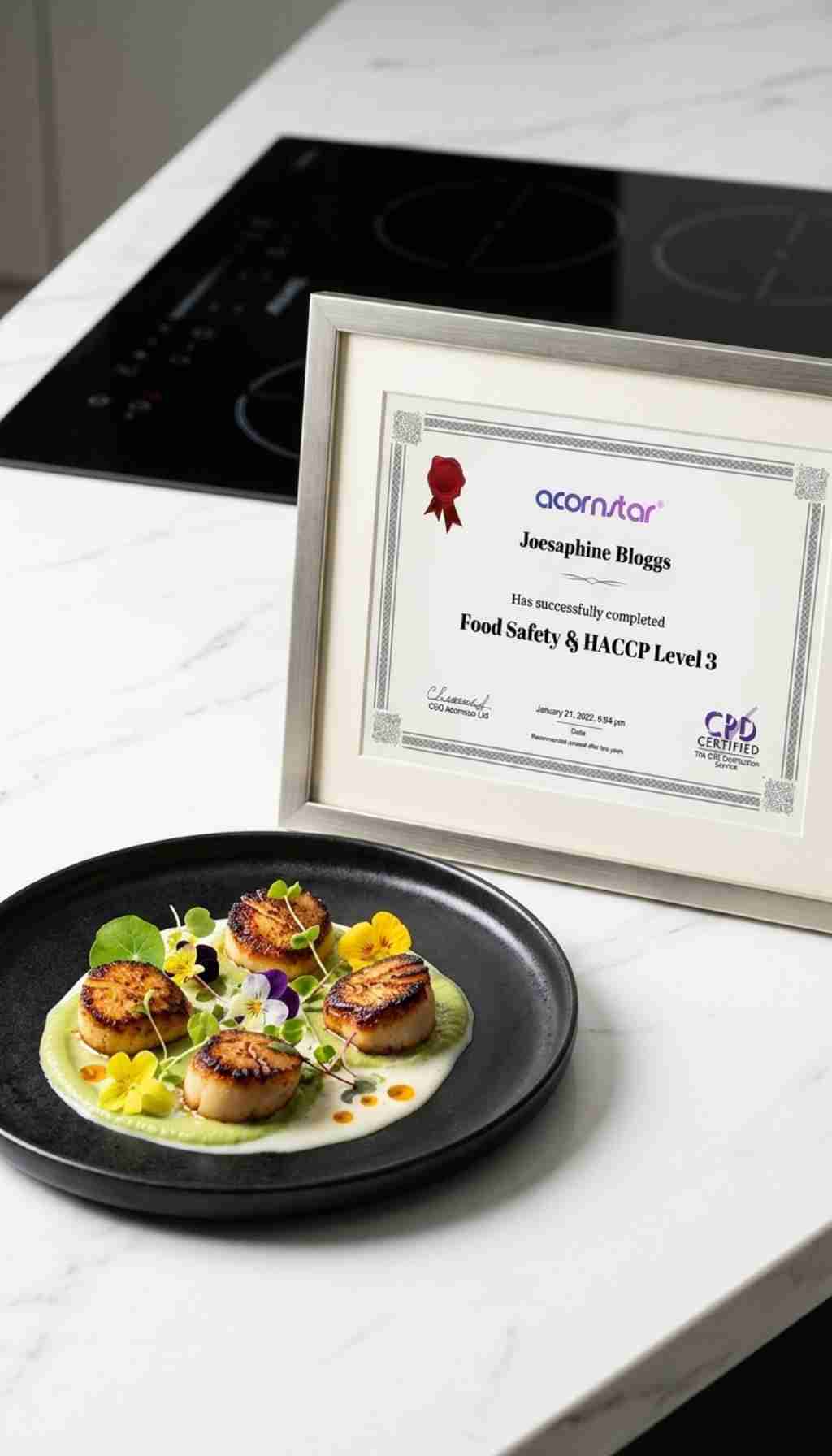
Our HACCP Level 3 Management course is the advanced food training course for supervisors, head chefs, and managers responsible for developing and overseeing food safety systems. It equips management with the knowledge to build, implement, and audit a fully compliant HACCP plan.
The Complete Food Training Package Level 1 & 2 Bundle
For food businesses onboarding new staff, our Level 1 & 2 Bundle is the most comprehensive and cost-effective food training package available. It combines HACCP Level 1, HACCP Level 2, and Allergen Awareness in a single purchase giving a new food handler everything they need to be fully certified from their first week in the job.
Allergen Awareness, The Essential Companion Course
In addition to HACCP training, our Allergen Awareness course is a critical food training qualification for all food businesses in Ireland. With allergen management a legal requirement under EU Regulation 1169/2011 and a consistent focus of EHO inspections, every member of a food-facing team should hold allergen awareness certification alongside their HACCP qualification.
Who is Required to Complete a Food Training Course in Ireland?
Under Regulation (EC) No 852/2004, food business operators must ensure that all food handlers are trained in food hygiene matters appropriate to their work activity. In practical terms, this means:
- Every person who handles, prepares, cooks, or serves food as part of their employment must complete an appropriate food training course regardless of whether they are full-time, part-time, temporary, seasonal, or self-employed
- Managers and supervisors responsible for food safety systems must complete management-level food training
- Training must be in place before staff work with food unsupervised not at some point after they have already started handling food
- Training must be kept current certificates that are significantly out of date no longer satisfy the legal requirement
How to Choose the Right Food Training Course for Your Business
Choosing the right food training course for your team comes down to three questions:

Online Food Training Courses, The Smart Choice for Irish Businesses
The shift to online food training courses has transformed compliance management for Irish food businesses. Gone are the days of scheduling full-day off-site training sessions, covering shifts for absent staff, and waiting weeks for certificates to arrive in the post. With Acorn Star’s online courses, your team can train at any time, from any device, at their own pace and be certified the same day.
Online food training courses from Acorn Star are fully accredited, mapped to the FSAI’s training framework, and accepted by EHOs nationwide as valid evidence of food safety training. They are the same qualification as classroom training delivered in a format that works for the realities of running a food business in Ireland.
Food Training Courses and EHO Inspections
Environmental Health Officers view staff training records as a primary indicator of a food business’s overall compliance culture. A business whose team all hold current, accredited food training certificates makes a fundamentally better impression than one whose records are incomplete or out of date. With our Free LMS*, your training records are always audit-ready every certificate for every team member, instantly accessible at the click of a button.
For food businesses that need broader compliance support beyond training including HACCP plan development, pre-inspection audits, or safety statement preparation our HSEQ Consultancy Services provide the expert support to make your business bulletproof.
Frequently Asked Questions
What is the best food training course for a new chef in Ireland?
For a new chef, HACCP Level 2 is the essential starting point it is the mandatory food handler certification required by Irish law and covers all the practical food safety knowledge a chef needs. Completing Allergen Awareness alongside Level 2 provides comprehensive coverage. Our Level 1 & 2 Bundle is the most cost-effective way to get both.
How often do food training courses need to be repeated?
Irish food safety law does not set a fixed renewal period, but the food industry standard is to refresh food training every two to three years, or when there are significant changes to regulations, business processes, or a staff member’s role. Our Free LMS* can set automated renewal reminders so no team member’s training lapses without notice.

Can I complete a food training course online and still get a valid certificate?
Yes absolutely. Online food training courses from an accredited provider are fully accepted by EHOs and employers across Ireland. Acorn Star’s courses are accredited, FSAI-aligned, and CPD and RoSPA approved. The format of delivery does not affect the validity of the certificate.
How much do food training courses cost in Ireland?
Pricing varies by level and provider. Acorn Star’s courses are competitively priced to be accessible for individual learners and cost-effective for businesses training multiple staff. View current pricing on our courses page. Volume discounts are available for businesses contact us to discuss.
My staff member already has a food training certificate from a previous employer. Do they need to redo it?
Not necessarily if the certificate is current (within the recommended two-to-three-year renewal window) and was issued by an accredited provider at the appropriate level for their role, it should still be valid. If it is approaching its renewal date, or if the staff member has moved into a role with greater food safety responsibility, a refresher or higher-level course is recommended.
Find the right food training course for your team today. Browse all our courses or contact us for a recommendation tailored to your business.
“But my head chef already has a food safety certificate why does he need more training?” This question comes up repeatedly when food business owners review their training obligations. The certificate on the staff room wall shows HACCP Level 1 or Level 2, the legal box appears ticked, and surely that’s enough?
Not quite. In fact, not even close.
Here’s the reality that catches many Irish food businesses off guard: the legal requirement isn’t simply to have trained staff it’s to ensure staff are “supervised and instructed and/or trained in food hygiene matters commensurate with their work activity.” That final phrase is crucial, and it’s where many businesses fall short without even realising it.
Your head chef, sous chef, kitchen supervisor, or anyone managing food safety in your operation isn’t performing the same role as a line cook or food handler. They’re not just cleaning surfaces, monitoring temperatures, and following procedures someone else created. They’re designing those procedures, troubleshooting when things go wrong, training others, making critical food safety decisions independently, and ultimately bearing responsibility when inspectors arrive.