Debunking Common Food Safety Myths
What You Really Need to Know
Introduction
Have you ever paused to question the food safety advice you’ve been following for years? In our quest to maintain safe kitchens and healthy meals, it’s all too easy to fall prey to widely circulated food safety myths. These myths, often passed down through generations or spread via social media, can range from harmless old wives’ tales to risky misconceptions that jeopardise our health.
While we’ve all heard them—like the one about the “five-second rule” for dropped food, the belief that washing chicken removes bacteria, or the idea that freezing food kills all bacteria – how do we separate fact from fiction when it comes to food safety? This blog aims to dispel these myths by providing scientifically backed facts and expert advice. We will explore and debunk these widely held misconceptions, from the reliability of using smell to judge food safety to the effectiveness of microwaving in killing bacteria. By examining these myths that have become embedded in our culinary practices, we’ll uncover the actual truths behind them.
By the end of this read, you’ll be equipped to navigate the kitchen with not just confidence but with the assurance of true food safety knowledge. Say goodbye to uncertainty and hello to a safer, healthier culinary journey as we debunk these myths one by one. Let’s uncover the truth about food safety and ensure that every meal you prepare is as safe as it is delicious.
If it smells fine, it’s safe to eat.
Expanded Reality: Can you really trust your nose to ensure food safety? Relying solely on smell to determine food safety can be misleading. Harmful bacteria like Salmonella and E. coli often don’t change the food’s aroma or taste, yet they can lead to severe illnesses. It’s important to remember that the absence of a bad smell does not guarantee that food is safe. The safest approach is to follow proper storage guidelines, pay attention to use-by and expiration dates, and practice safe cooking methods. This way, you reduce the risk of foodborne illnesses, which can occur even in foods that appear and smell normal.
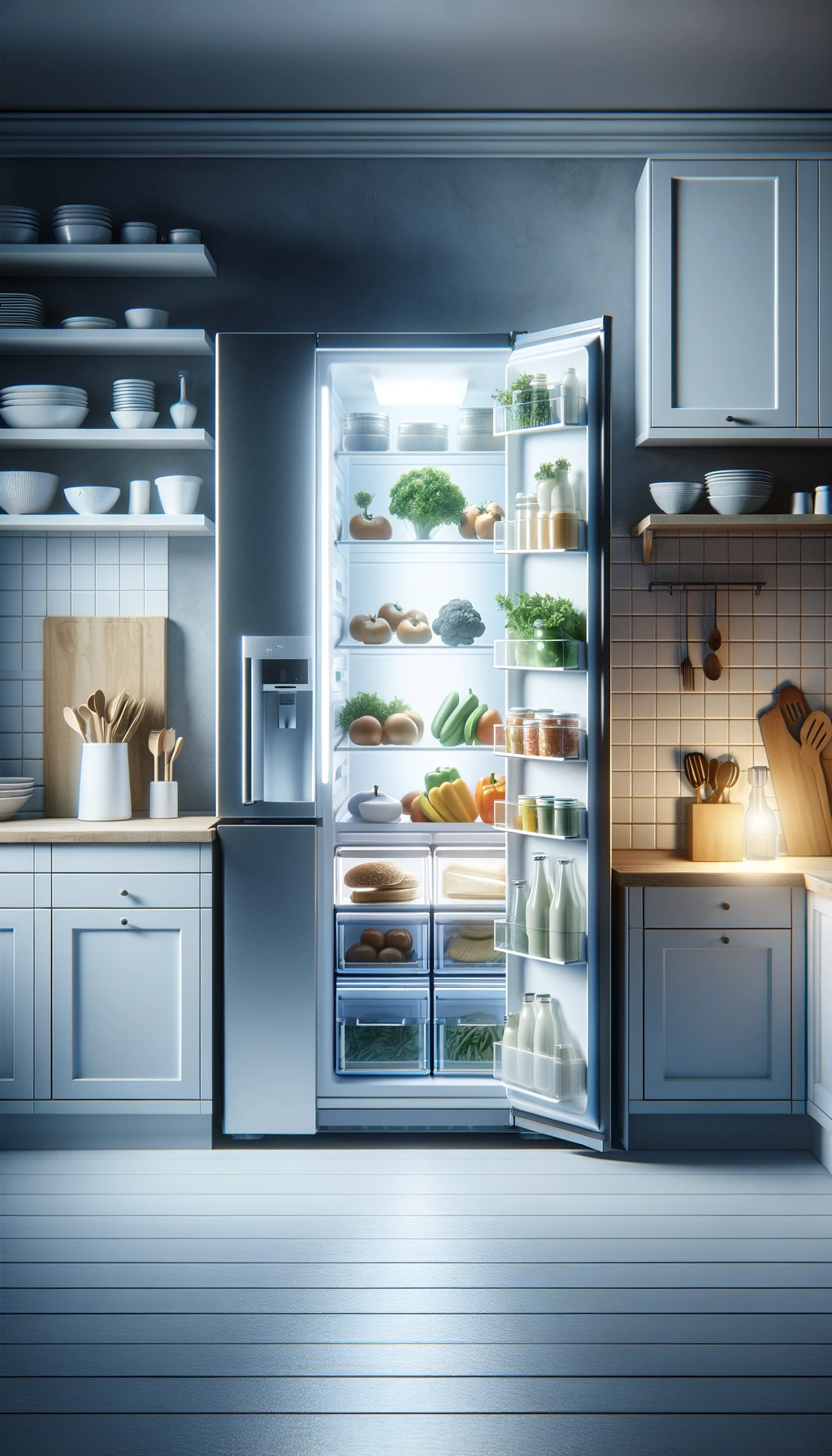
Washing chicken before cooking removes bacteria.
The practice of washing chicken before cooking is a common misconception. In reality, washing chicken can inadvertently spread harmful bacteria, such as Campylobacter, around the kitchen through water droplets. This process, known as cross-contamination, can lead to foodborne illnesses. The FSA of Ireland strongly advises against washing chicken. The most effective method to eliminate bacteria is by cooking the chicken thoroughly to the recommended temperature. This ensures any harmful bacteria present are destroyed, making the chicken safe to eat.
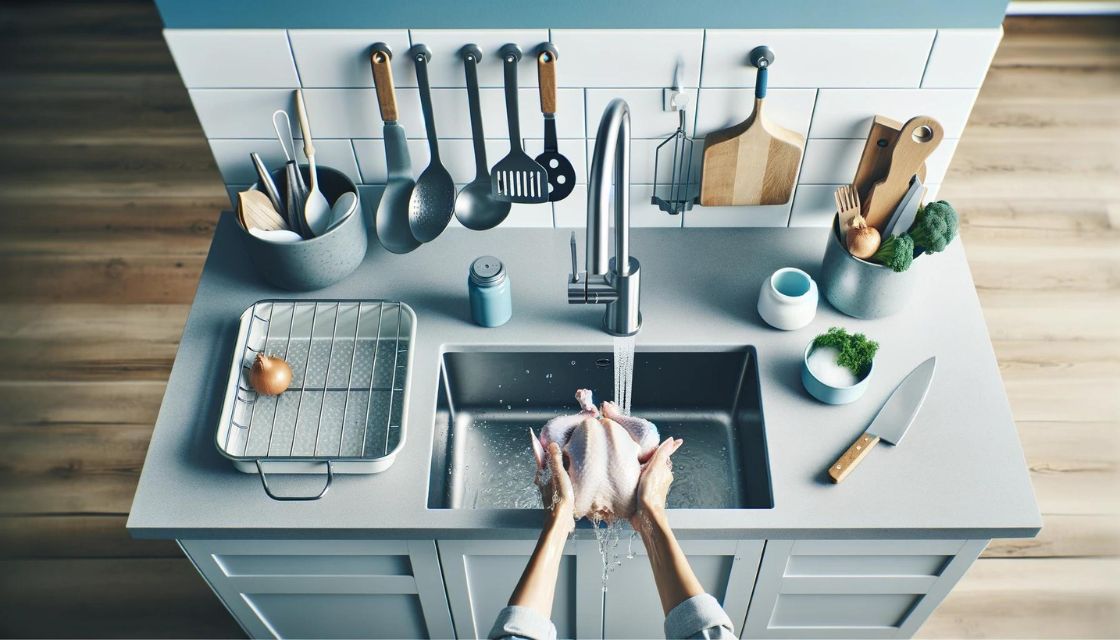
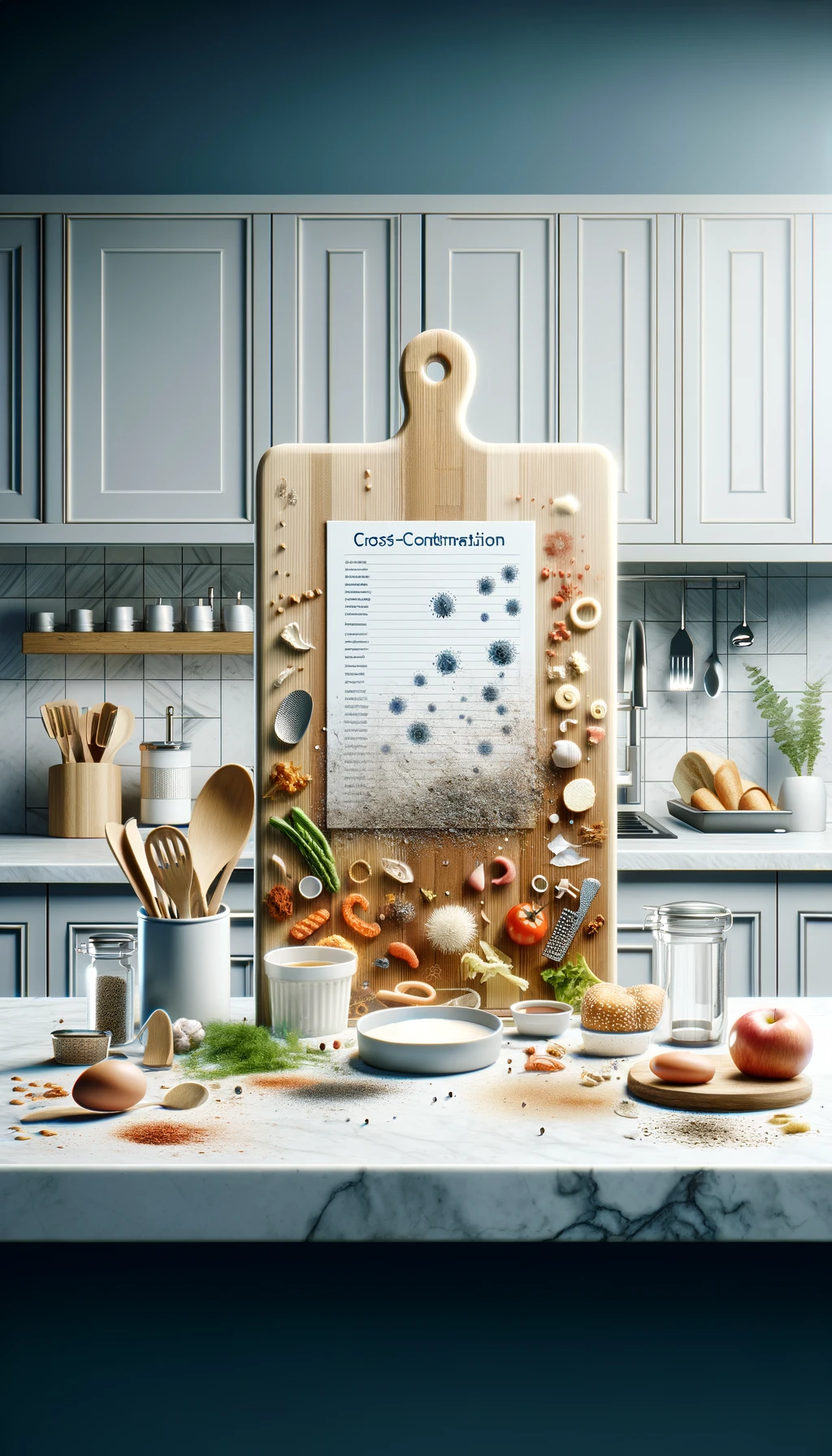
Cross-contamination only happens on cutting boards.
The risk of cross-contamination extends far beyond just cutting boards. It’s a widespread kitchen hazard that can occur on any surface where food is prepared, including utensils, countertops, and even on your hands. Bacteria from raw foods can easily transfer to these surfaces and then to other foods, leading to contamination. This underscores the importance of maintaining proper kitchen hygiene, such as regularly washing hands, cleaning surfaces thoroughly, and using separate utensils for different types of foods, particularly when handling raw meats and vegetables.
Leftovers are safe to eat until they start smelling off.
Leftovers may not always give off a telltale bad smell even when they’re no longer safe to eat. Bacteria like Salmonella and E. coli, which can cause foodborne illnesses, often don’t produce any noticeable odor. It’s vital to store leftovers properly by refrigerating them promptly and consuming them within a recommended period, usually within two days. When reheating, ensure they reach a temperature of at least 75°C to kill any harmful bacteria present. This practice is supported by the article on reheating leftovers provided by the Food Standard Agency, which emphasize the importance of temperature control in maintaining food safety.
Food poisoning is always immediate.
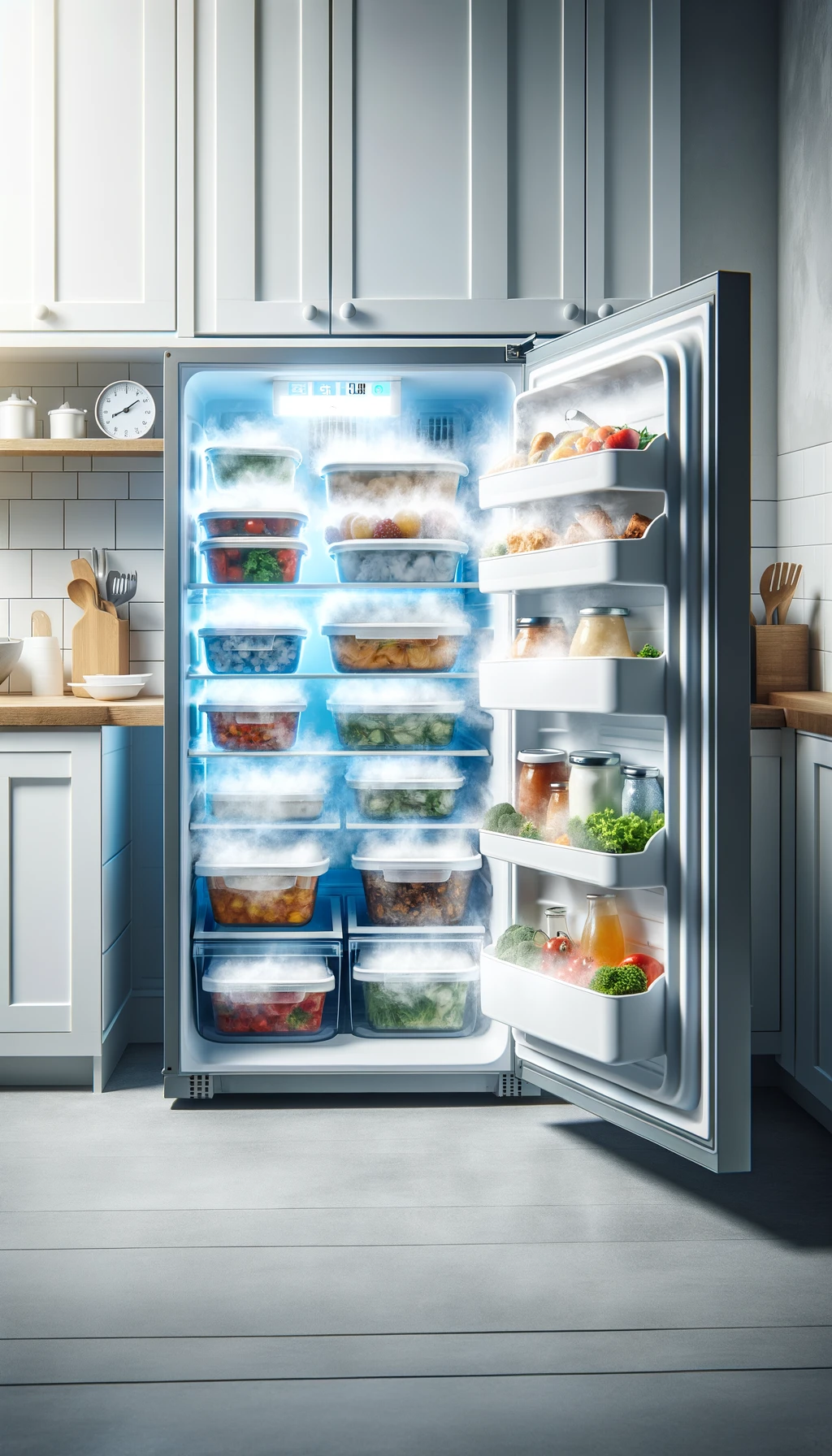
Directly refrigerating hot food can be risky as it may raise your fridge’s internal temperature, leading to a favorable environment for bacterial growth in other stored items. The advisable method is to let hot food cool down to room temperature before refrigerating. However, caution is needed to avoid leaving food out for too long at room temperature, where harmful bacteria can proliferate. The Food Standards Agency (FSA) offers guidance on managing food temperatures, emphasizing the importance of maintaining both the cold chain for refrigerated foods and the hot chain for heated foods, especially in a business context.
You can tell if a food is thoroughly cooked by its color.
Relying on the color of food as an indicator of doneness can be misleading and potentially unsafe. For example, meats can brown before reaching a temperature that is safe enough to kill harmful bacteria. Poultry may turn white but still not be cooked to a safe temperature, and hamburger meat might brown before any harmful bacteria are eliminated. On the other hand, some foods, like vegetables or certain cuts of meat, might retain a vibrant or pinkish hue even when fully cooked. Similarly, some foods may appear undercooked when they are actually safe to eat. The most reliable method to determine if food has been cooked to a safe internal temperature is to use a food thermometer. This tool provides an accurate measurement, ensuring that food has reached the necessary temperature to kill off any harmful bacteria and is safe for consumption.
Raw cookie dough is safe to eat because it doesn’t contain meat.
Relying on the color of food as an indicator of doneness can be misleading and potentially unsafe. For example, meats can brown before reaching a temperature that is safe enough to kill harmful bacteria. Poultry may turn white but still not be cooked to a safe temperature, and hamburger meat might brown before any harmful bacteria are eliminated. On the other hand, some foods, like vegetables or certain cuts of meat, might retain a vibrant or pinkish hue even when fully cooked. Similarly, some foods may appear undercooked when they are actually safe to eat. The most reliable method to determine if food has been cooked to a safe internal temperature is to use a food thermometer. This tool provides an accurate measurement, ensuring that food has reached the necessary temperature to kill off any harmful bacteria and is safe for consumption.
Raw cookie dough is safe to eat because it doesn’t contain meat.
The misconception that microwaving food automatically ensures the elimination of all bacteria can lead to unsafe food practices. The process of microwaving often results in uneven heating, creating areas within the food that do not get hot enough to kill bacteria. These “cold spots” are potential zones where harmful bacteria can survive. To ensure thorough heating in a microwave, it is important to follow specific cooking times, regularly stir or rotate the food for even heat distribution, and use a food thermometer to confirm that the food has reached a safe internal temperature. This approach is crucial for maintaining food safety when using a microwave. The Food Standards Agency provides detailed guidelines on safe microwave cooking, which are essential for anyone looking to use this appliance effectively and safely.
About AcornStar HACCP Training Courses
I hope you found our myth-busting insights helpful! If you’re eager to dive deeper into food safety and gain accredited expertise, we’ve got just the thing for you. Our range of interactive online courses, including Allergen Awareness, HACCP Levels 1, 2, and 3, are designed to the highest standards. Trusted by some of the biggest brands and semi-state institutions in the country, these courses offer a comprehensive understanding of crucial topics like Manual Handling, Slips, Trips, and Falls, Fire Safety Awareness, and Fire Warden Training. Elevate your food safety knowledge with us today – because when it comes to food safety, we’re all in this together
Food Safety and Brand Reputation in Ireland
Backing Your Brand Reputation: Why Food Safety is a PR Emergency Waiting to Happen For Irish food businesses, a single safety lapse isn't just an injury it's a reputation crisis that can close your doors permanently. The Headline You Never Want to See In Ireland’s...
HACCP Level 2 Course Online Ireland
HACCP Level 2 Course Online Ireland, Get Certified Today Managing HACCP Training for Your Team Why Choose an Online HACCP Level 2 Course in Ireland? If you need to complete your HACCP Level 2 course online in Ireland, our fully accredited training makes it fast,...

HACCP Level 2 Training & Certificate Ireland
HACCP Level 2 Training in Ireland, What It Covers and Why You Need It Online HACCP Level 2 Training vs Classroom Courses What Is HACCP Level 2 Training? If you work in the food industry, completing HACCP Level 2 training in Ireland is not optional it is a legal...
HACCP Levels Ireland, Level 1, 2 or 3 Explained
HACCP Levels Ireland, Choosing Between Level 1, 2 and 3 HACCP Level 1, 2 or 3 Ireland explained. Choose the correct certification for your team. What Do HACCP Levels Mean for Irish Food Businesses? HACCP levels in Ireland are designed to match food safety knowledge to...
Food Safety in Healthcare, HACCP Compliance in Ireland
Food Safety in Healthcare, Why HACCP Compliance Is Critical in Irish Care Settings Healthcare food safety carries higher risk. Learn how HACCP compliance protects patients in Irish care settings. Why Food Safety Risks Are Higher in Healthcare Settings Food safety in...
Is Your Team Ready for the 2026 FSAI Audit? HACCP Refresher Tips
Is Your Team Ready for the 2026 FSAI Audit? 5 Essential HACCP Refresher Tips HACCP knowledge fades over time. Learn 5 refresher tips to ensure your team is audit-ready for 2026. Why HACCP Knowledge Fades Over Time HACCP training is not a once-off exercise. Even...
Manual Handling in Catering and Food Safety Risks
Manual Handling in Catering: The Overlooked Food Safety Risk Discover how poor lifting practices increase food safety risks and HSA compliance failures. Why Manual Handling in Catering Is a Food Safety Issue Manual handling training in catering businesses across...

Who Needs HACCP Level 2 Training in Ireland?
Who Needs HACCP Level 2 Training in Ireland? How to Ensure Your Team Meets HACCP Training Requirements Is HACCP Level 2 Training a Legal Requirement in Ireland? If you operate a food business, understanding who needs HACCP Level 2 training in Ireland is essential for...
Accredited HACCP Certification, A Powerful Marketing Tool
Why Accredited HACCP Certification Is Your Food Business’s Best Marketing Tool HACCP Corrective Actions: The Most Common Compliance Mistake Why HACCP Certification Is No Longer Just About Compliance When most Irish food business operators think about HACCP...
HACCP Level 2 Training for Hospitality Staff in Ireland
HACCP Level 2 for Retail Food Businesses What You Need to Know Why HACCP Level 2 Training Is Essential for Hospitality Businesses Who in a Hospitality Business Needs HACCP Level 2 Training HACCP Level 2 training is essential for hospitality staff working in hotels,...

