
Food Handler Training Ireland: Who Needs It & What’s Required?
Food Handler Training Requirements for Irish Food Businesses
Food Handler Training Ireland – Who Needs Training?
If you run a food business in Ireland, you must ensure that food handlers are appropriately supervised and instructed and/or trained in food hygiene for the work they carry out. The type and level of training needed depends on the employee’s role, responsibilities and food-handling activities.
Food handlers can include chefs, kitchen staff, bar and front-of-house employees, retail food workers and others who handle or prepare food. This guide explains Ireland’s food handler training requirements, what employers need to consider and how HACCP training levels relate to different roles.
Already know your team needs training?
Explore HACCP Level 2 training for employees who need additional food safety skills based on their role and responsibilities.
What is a Food Handler?
A food handler is someone whose work involves handling food or working in an environment where food is prepared, served, stored or handled. Depending on their role, this can include chefs and kitchen staff, waiting and food service staff, deli and food counter employees, bakery and butchery staff, catering teams and food production workers.
The food safety training required should be appropriate to the employee’s work activities and responsibilities.
What Does Irish Law Require for Food Handler Training?
Under Regulation (EC) No 852/2004, food business operators must ensure that food handlers are supervised and instructed and/or trained in food hygiene matters appropriate to their work activity. Those responsible for developing and maintaining HACCP-based procedures must also receive adequate training in HACCP principles. EUR-Lex
The FSAI Guide to Food Safety Skills provides practical guidance through Level 1 (Induction Food Safety Skills) and Level 2 (Additional Food Safety Skills). Level 1 covers skills required before handling food and during the early stages of employment, while Level 2 covers additional skills for employees continuing to work in a food business. Food Safety Authority of Ireland
The appropriate training depends on the employee’s role, responsibilities and the food safety risks involved in their work.
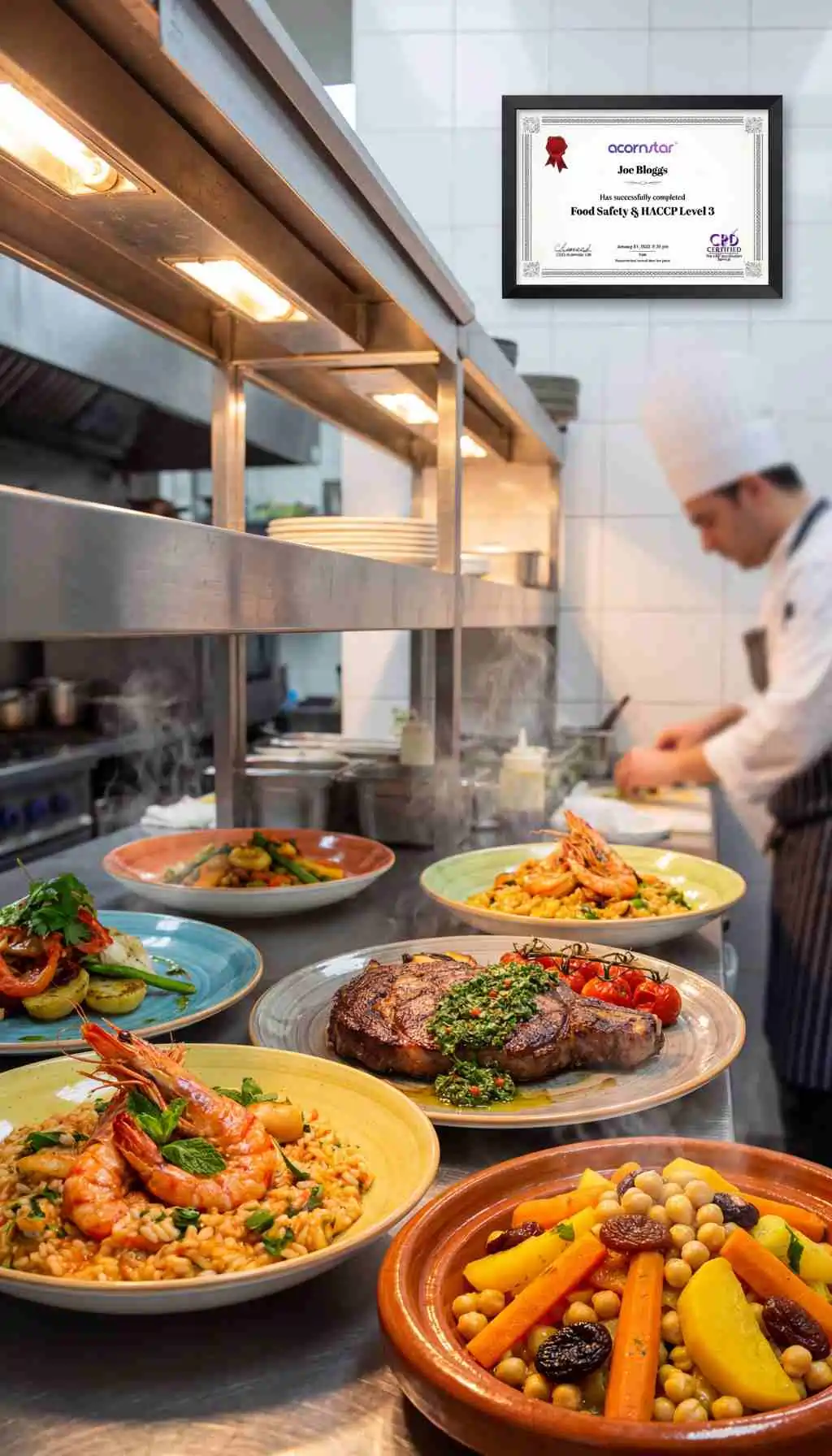
What Does Food Handler Training Cover?
Food handler training should cover the knowledge and practical skills relevant to an employee’s role. Depending on their responsibilities, training may include:
- HACCP principles and how they relate to food handling responsibilities
- Identifying biological, chemical, and physical food safety hazards
- Safe temperature control: cooking, chilling, reheating, and storage
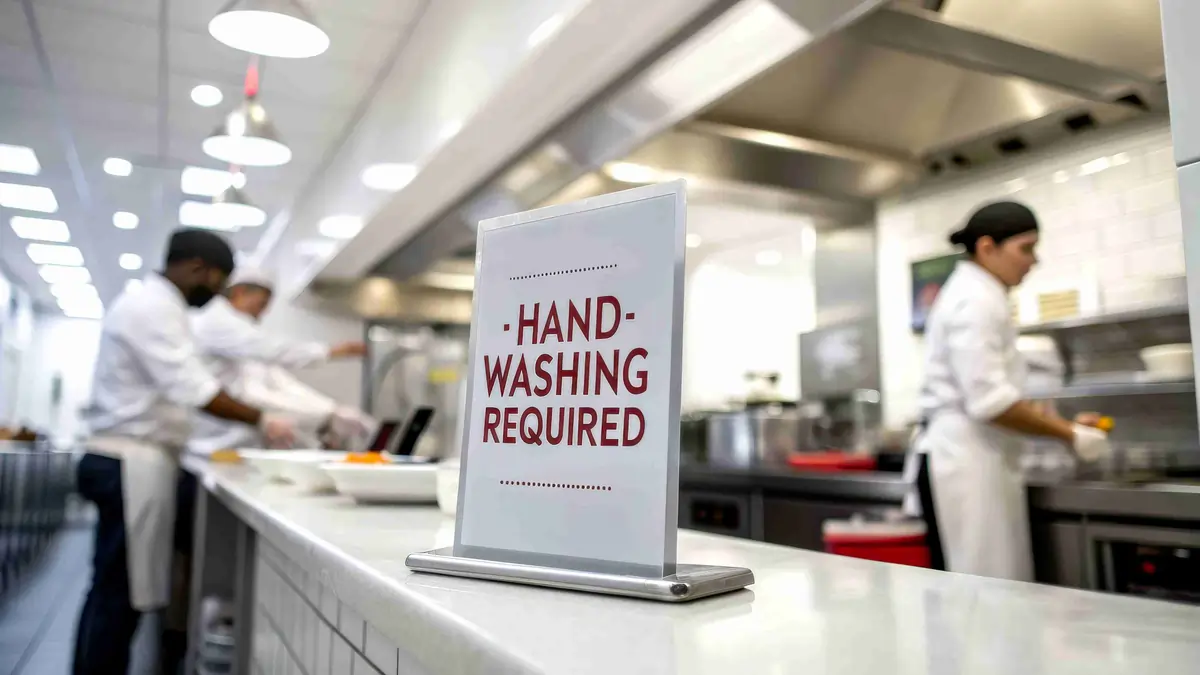
- Personal hygiene: handwashing, illness reporting, protective clothing, and behaviour in the food preparation environment
- Cross-contamination prevention: safe food handling, storage, and use of equipment
- Allergen awareness: the 14 regulated allergens, cross-contact risks and customer communication
- Cleaning and disinfection practices
- Food safety record keeping and the food handler’s documentation responsibilities
The FSAI’s Food Safety Skills Guide
The FSAI’s Guide to Food Safety Skills is a useful resource for food business operators. It outlines food safety skills for Level 1 (Induction Food Safety Skills) and Level 2 (Additional Food Safety Skills), helping businesses identify appropriate training based on employees’ roles and responsibilities.

Induction Training for New Food Handlers
New food handlers should receive appropriate instruction and/or training before carrying out food-handling activities that require those skills. The training provided should reflect their role, responsibilities and the food safety risks involved.
For new starters, our HACCP Level 1 course provides introductory food safety training covering essential hygiene principles. Employees who require additional food safety skills can then progress to further training appropriate to their responsibilities.
Management and Supervisory Level
Employees with supervisory or management responsibilities may require more advanced food safety and HACCP training, depending on their role. This can include head chefs, kitchen managers, catering managers and employees responsible for developing, maintaining or overseeing HACCP-based food safety procedures.
HACCP Level 3 training can provide more advanced knowledge of HACCP principles and food safety management for those with greater responsibilities.
Frequently Asked Questions
How long does food handler training take in Ireland?
The time required depends on the type of training and the employee’s role. Acorn Star’s online HACCP Level 2 course can be completed at the learner’s own pace. More advanced training may take longer depending on the course content and responsibilities involved.
Does food handler training need to be renewed?
There is no single fixed renewal period for all food handler training. The FSAI recommends ongoing assessment of employees’ food safety skills, with refresher or additional training where needed for example, when an employee cannot demonstrate required skills, procedures change or responsibilities increase.
What is the difference between food handler training and HACCP training?
Food handler training covers the food hygiene knowledge and skills employees need for their work activities. HACCP training focuses more specifically on HACCP principles and their application. The appropriate training depends on the employee’s role and responsibilities.
What if a food handler refuses to complete training?
Food business operators are responsible for ensuring that food handlers receive appropriate supervision, instruction and/or training in food hygiene for their work activities. Businesses should have procedures in place to ensure employees have the knowledge and skills needed to carry out their duties safely.
We have a small food business with just two or three staff. Do we still need food handler training?
Yes. Food businesses must ensure that food handlers are appropriately supervised and instructed and/or trained in food hygiene matters relevant to their work. The training needed should reflect each employee’s activities and responsibilities.
Looking for food safety training for your team? Explore our HACCP Level 1 and Level 2 courses or contact us to discuss the appropriate training for your staff.
Elevate Your Business Standards
Effective food safety depends on giving employees the knowledge and skills appropriate to their roles. Acorn Star provides online food safety training for employees at different levels of responsibility.
Training Your Team
Explore our food safety training options:
- HACCP Level 1 – introductory food safety training for new starters and employees who need essential food hygiene skills.
- HACCP Level 2 – additional food safety training for employees with greater food-handling responsibilities.
- HACCP Level 3 – advanced HACCP and food safety management training for supervisors, managers and others with greater food safety responsibilities.
- Allergen Awareness – training covering food allergens, cross-contact and allergen communication.
Not sure which training is appropriate for your team? Contact Acorn Star to discuss your requirements or browse our full course list.
*T&Cs apply