
HACCP Training Childminders Ireland: What You Need to Know
HACCP Training Childminders Ireland - Why It Matters for Crèches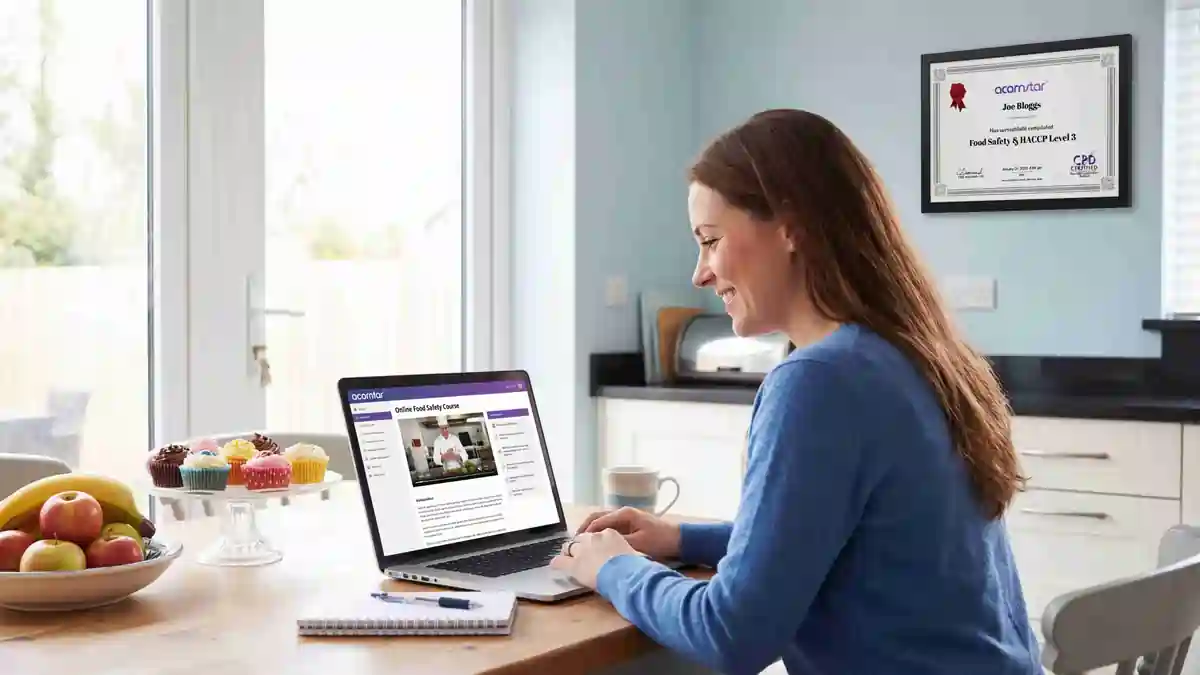
HACCP Training Childminders Ireland – Legal Requirements
HACCP training for childminders and crèches in Ireland ensures childcare providers understand how to handle food safely, prevent contamination, and manage allergens for the children in their care. This is especially important given how vulnerable young children are to both foodborne illness and allergic reactions. Training starts from just €19 and is trusted by 4.9-star rated providers across Ireland.
HACCP training childminders Ireland is essential for ensuring food safety compliance in crèches and childcare settings. This guide explains legal requirements, training levels and allergen management for childcare providers.
Whether you run a crèche, a childminding service, an after-school club, or any other childcare setting in Ireland where food is prepared and served to children, food safety training is a legal and regulatory requirement. Children particularly young children are among the most vulnerable groups in terms of susceptibility to foodborne illness, making food safety in childcare settings a matter of the greatest importance.
Do Childminders and Crèches Need Food Safety Training in Ireland?
Yes. Any childcare setting that prepares, handles, or serves food to children is operating a food business under Irish and EU law. Regulation (EC) No 852/2004 on the hygiene of foodstuffs applies to all food businesses including childminding services and early years settings regardless of whether they are commercial enterprises.
In addition to food safety law, childcare services in Ireland are regulated by Tusla, the Child and Family Agency. Tusla’s inspection framework assesses a wide range of quality and safety standards in registered childcare settings, including the management of food safety and hygiene. A Tusla inspection that identifies inadequate food safety practices or staff training is a serious matter that can affect a childcare provider’s registration.
The Food Safety Authority of Ireland (FSAI) and Environmental Health Officers from the Health Service Executive (HSE) also inspect food operations in childcare settings and apply the same standards as they do to any other food business.
Why Food Safety is Especially Important in Childcare Settings
Young children particularly those under five have immune systems that are still developing, making them significantly more susceptible to serious illness from foodborne pathogens. Bacteria that might cause mild gastroenteritis in a healthy adult can cause severe, potentially life-threatening illness in a young child.

This heightened vulnerability means that food safety in childcare settings must be managed with particular diligence.
In addition to microbiological food safety risks, childcare settings present significant allergen management challenges. Food allergies in children are increasingly prevalent, and the consequences of an allergen error in a childcare setting potentially involving a child who is unable to self-advocate can be severe. Managing food allergies in a crèche or childminding environment requires careful documentation, robust procedures, and well-trained staff.
What Food Safety Training Do Childcare Staff Need?
The FSAI’s Guide to Food Safety Training provides the framework for training requirements in all food businesses, including childcare settings:
- HACCP Level 1 — An induction-level qualification suitable for childcare assistants and support staff who have a limited role in food handling — for example, setting tables, distributing pre-packaged snacks, or supervising mealtimes
- HACCP Level 2 — The standard training level for anyone who directly prepares, cooks, or serves food in a childcare setting, appropriate to the food handling responsibilities of the role
- HACCP Level 3 Management — For the crèche manager or childminder who is responsible for developing and overseeing the food safety management system
- Allergen Awareness — Essential for all childcare staff, given the prevalence of childhood food allergies and the heightened duty of care in a childcare environment
Our Level 1 & 2 Bundle provides a cost-effective, comprehensive starting point for childcare settings, combining HACCP food handler certification with allergen awareness training.
Allergen Management in Childcare Settings
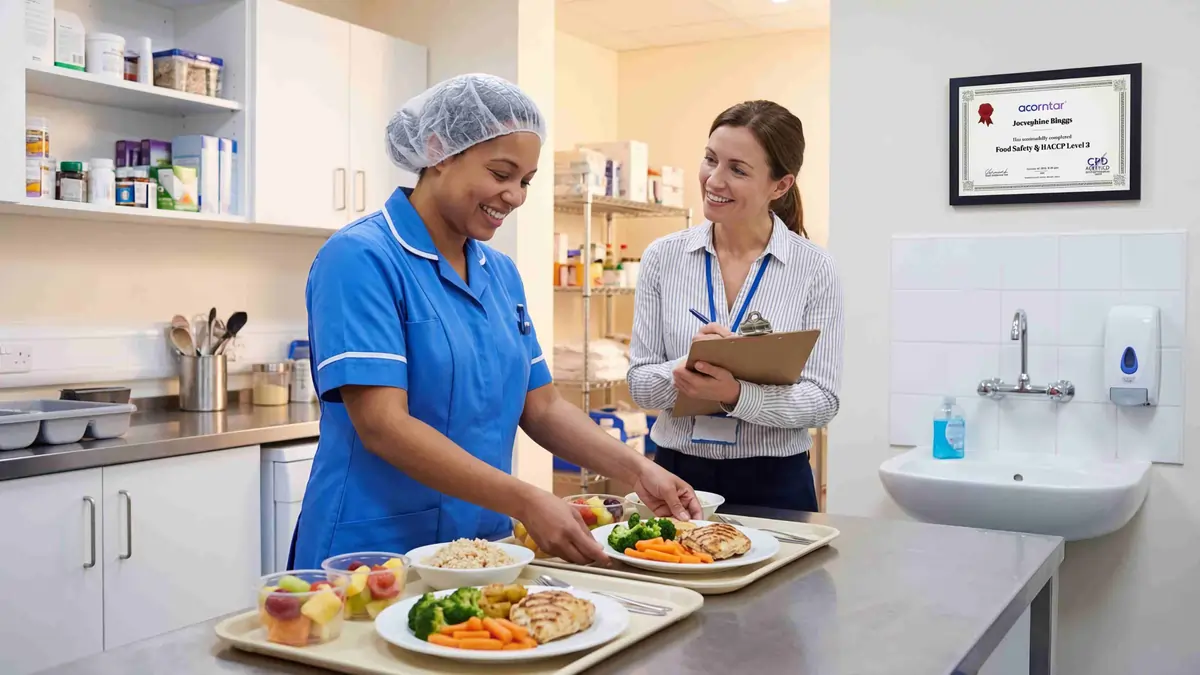
Managing food allergies in a crèche or childminding environment requires a structured, systematic approach that goes beyond simply reading food labels. Each child with a known food allergy should have their allergy documented in their enrolment records, communicated clearly to all staff involved in their care and feeding, and managed through specific allergen protocols that prevent cross-contact during meal preparation and service.
Staff must be trained to read food labels accurately, understand cross-contact risks, know how to respond if a child shows signs of an allergic reaction, and communicate confidently with parents about allergen management. Our Allergen Awareness course covers all of these competencies and is suitable for all childcare staff regardless of their level of food handling responsibility.
HACCP Plans for Childcare Settings
A crèche or childminding service that prepares food for children needs a documented HACCP plan. For most childcare settings, the food operation is relatively straightforward a limited menu of meals and snacks prepared in a small kitchen and the HACCP plan can be proportionate and practical without being highly complex.
The key elements of a HACCP plan for a childcare setting include: identification of the food safety hazards specific to the foods prepared and the population served (young children); identification of the critical control points particularly cooking temperatures and refrigeration; monitoring procedures for those CCPs; cleaning and disinfection schedules; allergen management procedures; and staff training records.
Our HSEQ Consultancy Services can develop a practical, fully compliant HACCP plan for your childcare setting tailored to your specific food operation and the unique requirements of a childcare environment.
Frequently Asked Questions
Does a childminder who only provides snacks need food safety training?
If you provide food to the children in your care including snacks, packed lunches, or even drinks you have basic food safety obligations. At a minimum, you should have an understanding of allergen management (knowing the dietary and allergen needs of each child in your care), basic food hygiene practices, and appropriate food storage. Our HACCP Level 1 course provides a suitable foundation for childminders with limited food preparation responsibilities.
What does Tusla look for in relation to food safety during an inspection?
Tusla inspectors assess whether childcare settings have appropriate food safety management systems in place, whether staff are trained in food hygiene and allergen awareness, and whether the specific dietary needs and food allergies of individual children are properly documented and managed. A well-maintained HACCP plan, current staff training certificates, and documented allergen management records are all things Tusla inspectors will look for.
How should we manage a child’s severe food allergy in our crèche?
The child’s allergy should be fully documented in their enrolment records, with written confirmation from their parents or carers of the specific allergen(s) involved and the nature of the reaction. All staff who care for or feed the child must be made aware of the allergy. Specific protocols should be in place for meal preparation including segregated preparation surfaces and utensils and for emergency response in the event of an accidental exposure. All staff involved in the child’s care should complete Allergen Awareness training to ensure they can identify and manage the allergen safely.
Our crèche is small with only two or three staff. Do we still need a HACCP plan?
Yes. The legal requirement for a HACCP-based food safety management system applies to all food businesses regardless of size. For a small crèche with a simple food operation, a proportionate, straightforward HACCP plan is perfectly appropriate it does not need to be lengthy or complex, but it must address the key food safety hazards specific to your setting. Our HSEQ Consultancy Services can help you develop a practical HACCP plan that fits your setting.
Can childminders and crèche staff complete food safety training online in Ireland?
Yes. All our HACCP courses Level 1, Level 2, Level 3, and Allergen Awareness are delivered fully online. Staff can complete training on any device, at any time that suits them, with certificates issued immediately upon passing. This makes online training particularly practical for small childcare teams who cannot arrange cover for in-person training days.
Keep the children in your care safe with proper food safety training. View all our courses or contact us to discuss a training and HACCP solution for your childcare setting.
Complete Food Safety Support: From Training to Consultancy
At Acorn Star, we don’t just provide courses we partner with you to ensure your business meets the highest safety standards. Whether you need online certification for your team or hands-on expert advice, we have you covered.
Expert Consultancy Services
Sometimes you need more than just training. Our Food Safety Consultancy Services offer on-site auditing, HACCP plan development, and expert guidance to help you navigate complex regulations and pass EHO inspections with confidence.
Essential Online Training
Ensure your staff are certified with our industry-leading courses. (Note: Free Allergen Awareness training is currently included with eligible food safety courses.)
- Food Safety HACCP Level 1 — The perfect start for new staff.
- HACCP Level 2 Training — The standard training level for food handlers.
- HACCP Level 3 Management — For supervisors and head chefs.
- Level 1 & 2 Bundle — Complete coverage from induction to handler level.
- Allergen Awareness — Vital training on the 14 major allergens.
Free LMS* for Business Customers
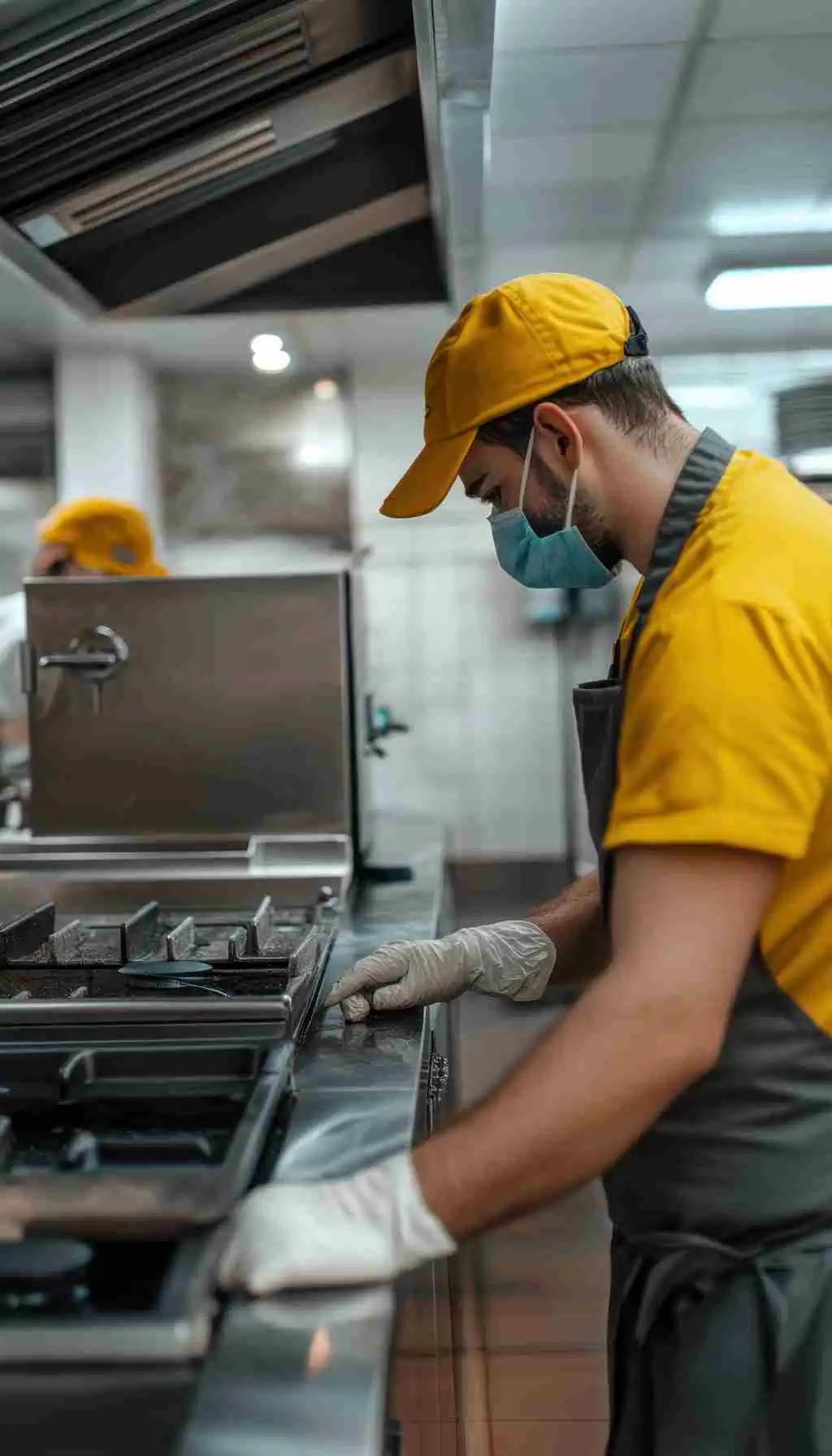
Manage your compliance effortlessly. Our Free Learning Management System* allows you to enrol staff, track progress, and access certificates in one smart, easy login. It delivers significant cost savings compared to other platforms and cuts down your admin time instantly.
Contact us to discuss consultancy or training bundles, or view all courses here.
*T&Cs apply