
EU-OSHA 2026-2028 What It Means for Irish Workplace Health
What You Really Need to Know
Your Strategic OSH Plan for the Years Ahead
As 2025 draws to a close, forward-thinking Irish businesses are already planning for the challenges and opportunities of the years ahead. In the world of occupational safety and health (OSH), the European Union has just provided a clear roadmap for the future. The European Agency for Safety and Health at Work (EU-OSHA) has announced the theme for its upcoming 2026-2028 campaign: “Navigating the Future of Work.”
While 2026 may seem distant, the trends this campaign addresses digitalisation, the green transition, and new working patterns are not future concepts; they are happening right now in workplaces across Ireland. This initiative is a crucial signal for every employer to assess whether their current health and safety framework is robust enough to handle the next wave of risks and responsibilities.
This article will explore the five core focus areas of the upcoming EU-OSHA campaign, translating them into a practical guide for Irish businesses. We will examine what these changes mean for your legal ‘duty of care’ and how a proactive approach, guided by standards like ISO 45001, is the best strategy for building a resilient, safe, and productive organisation.
Digital Risks AI, Hybrid Work & Mental Health
Digitalisation is arguably the most rapid and transformative force in the modern workplace. It encompasses everything from AI-powered software and robotic automation to the universal shift towards remote and hybrid work. While these technologies bring immense benefits in efficiency and flexibility, they also introduce a new spectrum of OSH challenges.

Key Risks to Manage:
- Musculoskeletal Disorders (MSDs) in Hybrid Work: The widespread adoption of remote work means employers’ responsibilities for ergonomics now extend into the home office. As the Irish Health and Safety Authority (HSA) makes clear, employers are still responsible for ensuring home workstations are safe and suitable. Poor setups can lead to a rise in MSDs like back and neck pain.
- Psychosocial Risks and the ‘Always-On’ Culture: Digital connectivity can blur the lines between work and personal life, leading to stress, burnout, and an inability to switch off. This is a significant OSH issue, recognised in Ireland through the government’s Code of Practice on the Right to Disconnect.
Human-Machine Interaction: As AI and robotics become more integrated, new risks emerge from the direct interaction between people and intelligent systems. This requires new risk assessment models that consider both physical safety and the psychological impact of working alongside automated colleagues.
Green Jobs, New Risks Safety in the Eco-Economy
Ireland’s commitment to a sustainable, low-carbon future is driving huge changes across industries, from energy and construction to manufacturing and transport. This “green transition” is essential, but it creates new job roles and tasks that come with their own unique set of health and safety risks. A “green job” is not automatically a safe job.


Emerging Hazards in Green Industries:
- Renewable Energy Risks: The installation and maintenance of wind turbines involves significant risks from working at height and in extreme weather conditions. The handling and storage of large-scale batteries for solar power introduce new chemical and electrical hazards.
- Construction and Retrofitting: The national strategy to retrofit hundreds of thousands of homes and buildings involves workers dealing with older materials, which may include asbestos, as well as new insulation materials that can cause respiratory issues if not handled correctly.
- The Circular Economy: As businesses focus on repairing, reusing, and recycling, workers may be exposed to hazardous substances from dismantled products or biological agents from waste processing.
Organisations like the Sustainable Energy Authority of Ireland (SEAI) are driving this transition, but employers must ensure their safety protocols evolve just as quickly as the technology.
Beyond the 9-to-5 Protecting Every Worker
The traditional 9-to-5, office-based job is no longer the only model. The rise of the gig economy, platform work, and flexible contracts has fundamentally changed the relationship between employers and workers. This demands a more sophisticated approach to managing wellbeing and OSH.

Protecting a Fragmented Workforce:
- Responsibility in the Gig Economy: Determining who is responsible for the health and safety of a platform worker or short-term contractor can be complex, but the legal duty of care remains. Businesses must ensure their safety management system extends to cover all individuals working on their behalf, regardless of contract type.
- Focus on Psychosocial Risk Management: A common thread through all these new work patterns is the critical importance of managing psychosocial risks. The EU-OSHA campaign will place a strong emphasis on preventing work-related stress, anxiety, and burnout, which are leading causes of absenteeism.
Inclusive Safety Protecting a Diverse Workforce
A safe workplace must be safe for everyone. The upcoming campaign highlights the need to integrate diversity and inclusion into the very core of OSH management. A one-size-fits-all approach to risk assessment is no longer adequate for Ireland’s increasingly diverse workforce.
Adapting OSH for a Diverse Team:
- The Ageing Workforce: As people work later in life, risk assessments must consider age-related factors, such as changes in mobility, vision, or hearing.
- Workers with Disabilities: Workplaces and tasks must be designed or adapted to ensure they are safe and accessible for people with physical or neurodevelopmental disabilities.
- Gender-Specific Risks: Certain risks can disproportionately affect different genders. This can involve everything from designing PPE that fits women correctly to considering the specific ergonomic risks in female-dominated professions.
Empowering SMEs Practical Safety for Small Business
Small and medium-sized enterprises (SMEs) are the backbone of the Irish economy. The EU-OSHA campaign recognises that SMEs often have fewer resources to dedicate to OSH. Therefore, a key goal will be to provide practical, accessible tools and guidance tailored to their needs. Proactive safety management is not a cost for SMEs; it is an investment that protects their most valuable asset their people and prevents costly disruptions.
ISO 45001: Your Framework for the Future
The challenges outlined by the 2026-2028 campaign are complex, dynamic, and interconnected. Reacting to them one by one is inefficient and ineffective. The strategic solution is to implement a robust Occupational Health and Safety Management System, and the global standard for this is ISO 45001.
The ISO 45001 framework is perfectly designed for this new era. Its ‘Plan-Do-Check-Act’ model requires organisations to:
- Plan: Proactively identify these emerging risks digital, green, psychosocial as part of their formal risk assessment process.
- Do: Implement robust and documented control measures to mitigate them.
- Check: Continuously monitor performance and the effectiveness of the controls.
- Act: Learn from experience and data to continually improve the system, ensuring it remains effective as the world of work continues to evolve.
Authoritative Link: The National Standards Authority of Ireland (NSAI) provides the official pathway for Irish businesses seeking to achieve this world-class certification.
ISO 45001 Your Framework for the Future
The future of work is not a distant concept; its challenges are already present in every Irish business. The upcoming EU-OSHA campaign provides a valuable framework for understanding and preparing for these changes.
A proactive, systematic approach is the only way to ensure your business remains compliant, resilient, and, most importantly, a safe place for your people to work. If you are ready to assess your organisation’s future-readiness and explore how implementing an ISO 45001 management system can provide your strategic roadmap, contact the expert team at Acornstar.
Keeping Training Current Is Genuinely Possible 2026
Keeping Training Current Keeping training current means updating compliance courses as soon as regulations change, not on a fixed annual cycle. Most training falls out of date quietly, long before anyone notices. AI-accelerated production makes fast updates...
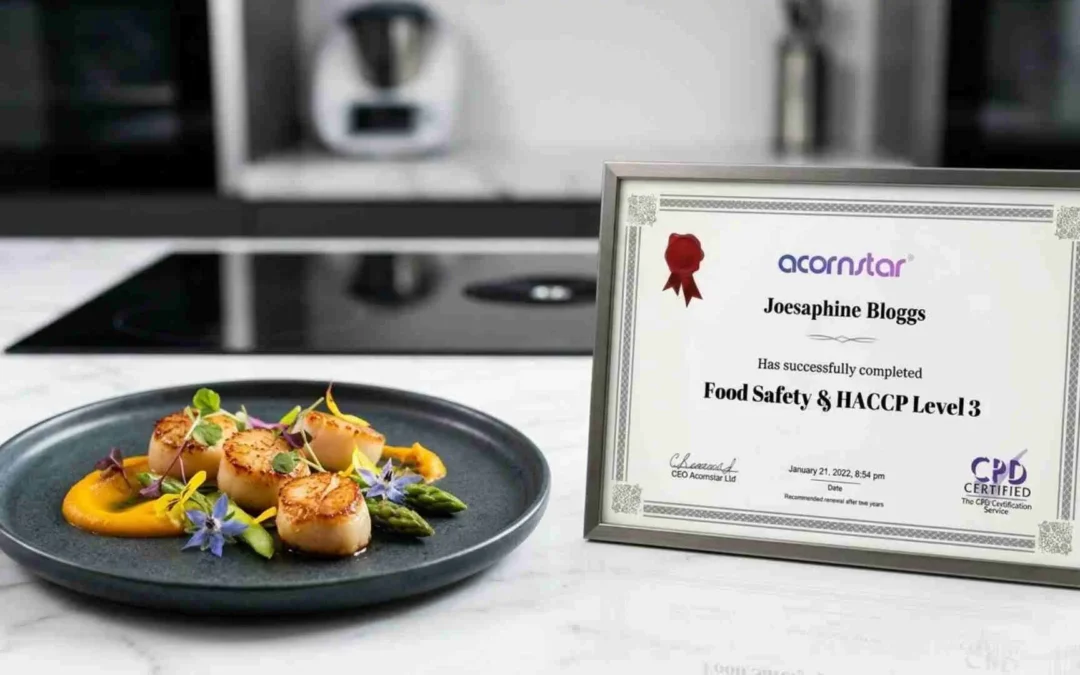
HACCP Online Course Ireland, Get Certified Fast (Level 1, 2 & 3)
HACCP Online Course Ireland: 5 Proven Wins to Get Certified Fast From Any Device Who Needs a HACCP Online Course Ireland Certification What’s Included in a HACCP Online Course Ireland HACCP online course Ireland is the fastest and most flexible way to certify...

HACCP Level 3 Training Ireland, Food Safety for Managers
HACCP Training for Managers: Why HACCP Level 3 Is the Smart Career Move HACCP Training for Managers - Why It Matters in the Food Industry HACCP Training for Managers – What Level 3 Covers HACCP Training for Managers is the smart career move for anyone aiming to...
Food Safety for Food Manufacturers Ireland, HACCP Guide
HACCP Level 2 Training Ireland: What It Covers and Why You Need It HACCP Level 2 Training Ireland - What the Course Covers HACCP Level 2 Training Ireland – Core Topics and Modules HACCP Level 2 Training Ireland is an essential qualification for anyone working in...

Food Poisoning Ireland, Causes, Prevention & Legal Guide
Food Labelling Requirements Ireland: What Every Food Business Must Know Food Labelling Requirements Ireland - Allergen Labelling Explained Food Labelling Requirements Ireland – Allergen Declaration Rules Food Labelling Requirements Ireland are essential legal...

HACCP Level 1 Training Ireland, Online Course & Certification
HACCP Level 1 Training Ireland: A Complete Guide HACCP Level 1 Training Ireland - Who Needs This Course HACCP Level 1 Training Ireland – Roles That Require It HACCP Level 1 Training Ireland is the essential entry-level qualification for anyone starting work in a...

Food Labelling Requirements Ireland, FSAI Guide & Rules
Food Labelling Requirements Ireland What Irish and EU Law Requires on Every Food Label What the Law Requires Under EU Regulation (EC) No 1169/2011 (the Food Information to Consumers Regulation) and Irish food safety law, all pre-packed food sold in Ireland must carry...
Is HACCP Training a Legal Requirement in Ireland?
HACCP Training Ireland: 5 Proven Steps to Get Certified Fast 5 Proven Steps to Get HACCP Training Ireland Certified What HACCP Training Ireland Actually Covers HACCP training Ireland is a legal requirement for every food business operating in the country from...
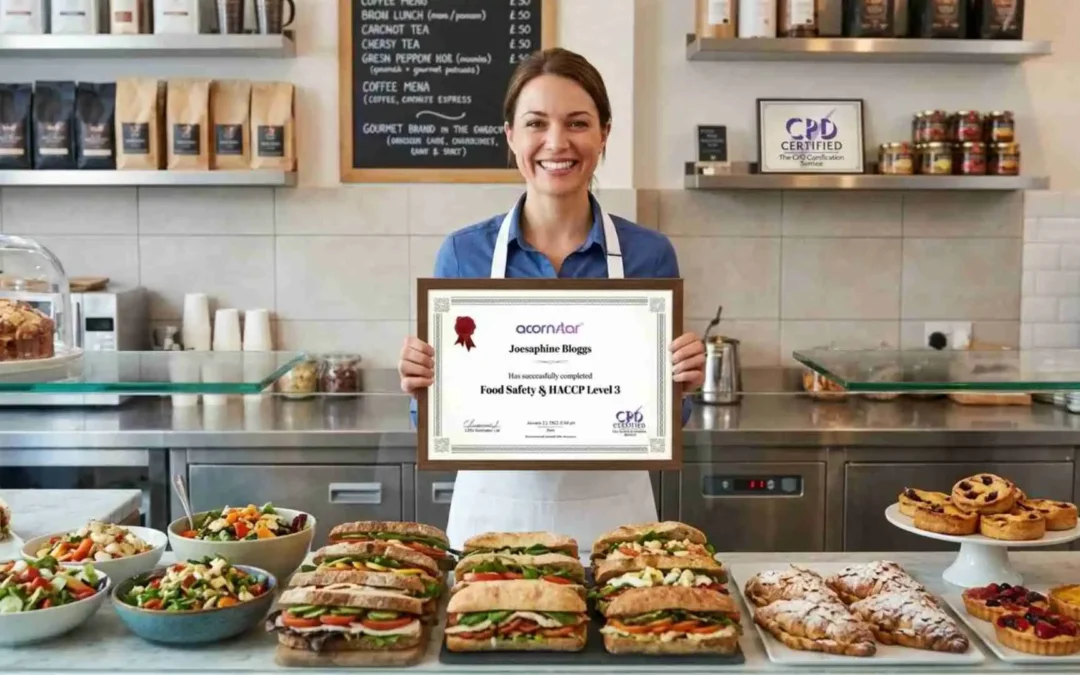
HACCP Training for Small Food Businesses Ireland
HACCP Training for Small Food Businesses Ireland: A Practical Guide HACCP training for small food businesses in Ireland is a legal requirement, regardless of the size of your operation. Whether you run a café, food truck, bakery, or home-based food business, you must...
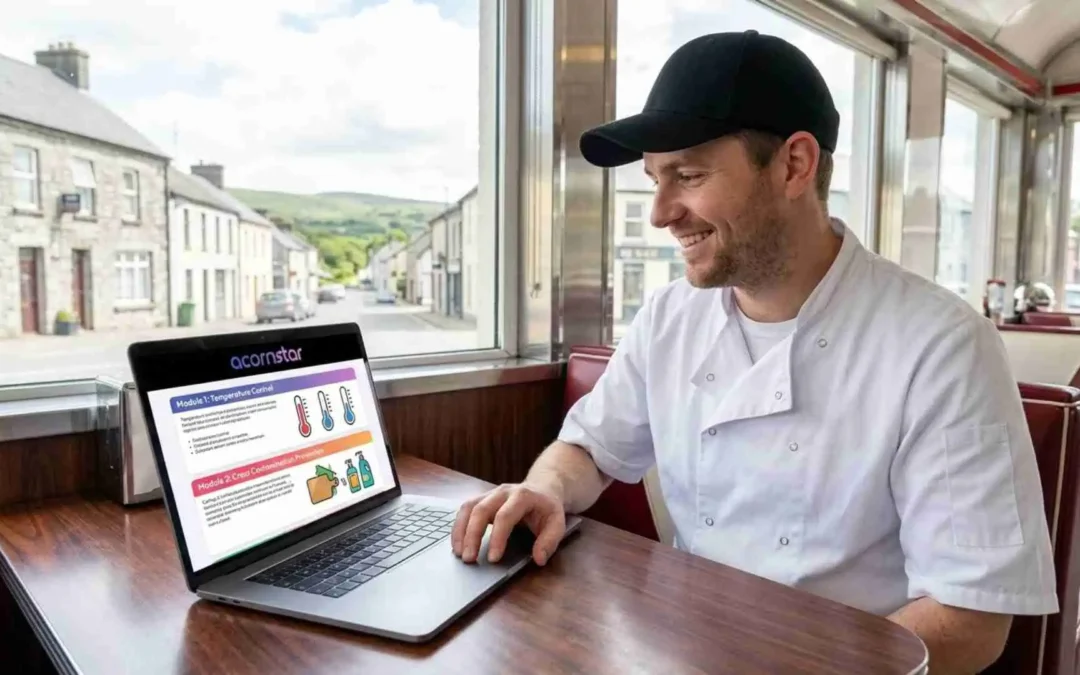
HACCP Certification Ireland, Get Certified Online Fast
HACCP Certification Ireland: 5 Proven Steps to Get Certified Fast 5 Proven Steps to Get HACCP Certification Ireland Approved HACCP Certification Ireland Levels: Which One Do You Need? HACCP certification Ireland is a legal requirement for every food business operating...