
Fire Hazard Anker Power Bank Recall is a Workplace Wake Up Call
What You Really Need to Know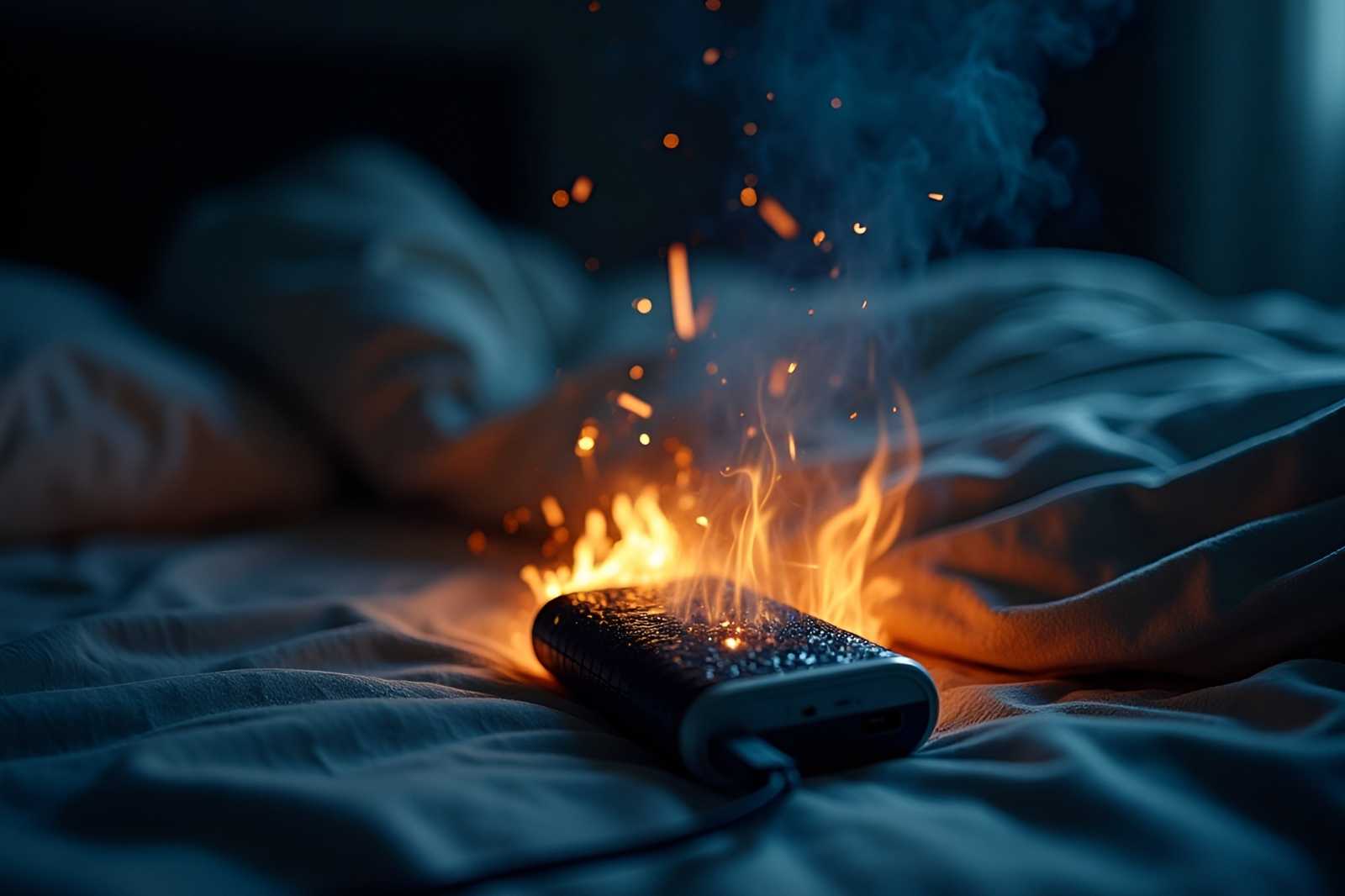
The Shocking Truth About Power Bank Hazards
In the world of tech accessories, few names are as recognised and trusted as Anker. That is why the recent major recall of their 321 Power Banks (PowerCore 5K) due to fire and burn hazards has sent a shockwave through the industry and into every workplace and home. When a brand synonymous with quality has a critical safety failure, it serves as a powerful and urgent reminder: brand reputation is no guarantee of electrical safety.
This is not just a consumer issue; it is a critical wake-up call for every single business in Ireland. In today’s hyper-connected world, devices like power banks, chargers, and personal electronics are ubiquitous in our offices and remote workspaces. This incident fundamentally challenges our assumptions about safety and highlights the non-negotiable need for vigilance, proper procedures, and expert training.
This essential guide will break down what this recall means for your legal obligations as an employer, the hidden dangers lurking on your employees’ desks, and the proactive steps you must take to protect your people and your premises.
The Hidden Danger Understanding the Risk in Your Pocket
The recall, issued by product safety commissions, including the U.S. CPSC, concerns the lithium-ion battery inside the power bank, which can overheat and ignite, posing serious fire and burn hazards. This is not a problem unique to Anker; it is an inherent risk in the high-energy-density batteries that power our modern lives.
The key takeaway for businesses is that every portable electronic device be it a power bank, laptop, or smartphone is a potential fire risk if it is faulty, damaged, or used incorrectly. With dozens, if not hundreds, of these devices being charged daily in a typical office, the cumulative risk is significant.

Your Legal Duty: The Workplace is Not Immune
It is a dangerous misconception to view a power bank or a phone charger as a “personal item” outside an employer’s responsibility. Under the Irish Safety, Health and Welfare at Work Act 2005, your ‘duty of care’ extends to ensuring a safe work environment. This includes protecting employees from the risks posed by any electrical equipment used on your premises or for work purposes.
The Health and Safety Authority (HSA) is unequivocal that electricity is a major cause of workplace accidents. This responsibility covers:
- Company-issued equipment: Laptops, phones, and their chargers.
- Employee-owned equipment: Personal mobile phones, chargers, and power banks used to support work activities (e.g., keeping a work phone charged).
- The electrical installation itself: Sockets, wiring, and circuits.
The Anker recall proves that simply trusting a well-known brand is not a valid safety strategy. A proactive, documented system for managing electrical risk is a legal necessity.
The Action Plan: A Proactive Electrical Safety Programme
Trusting in brands has been proven insufficient. Hope is not a strategy. A systematic approach is the only way to manage this pervasive risk.

1. The Critical Role of PAT Testing
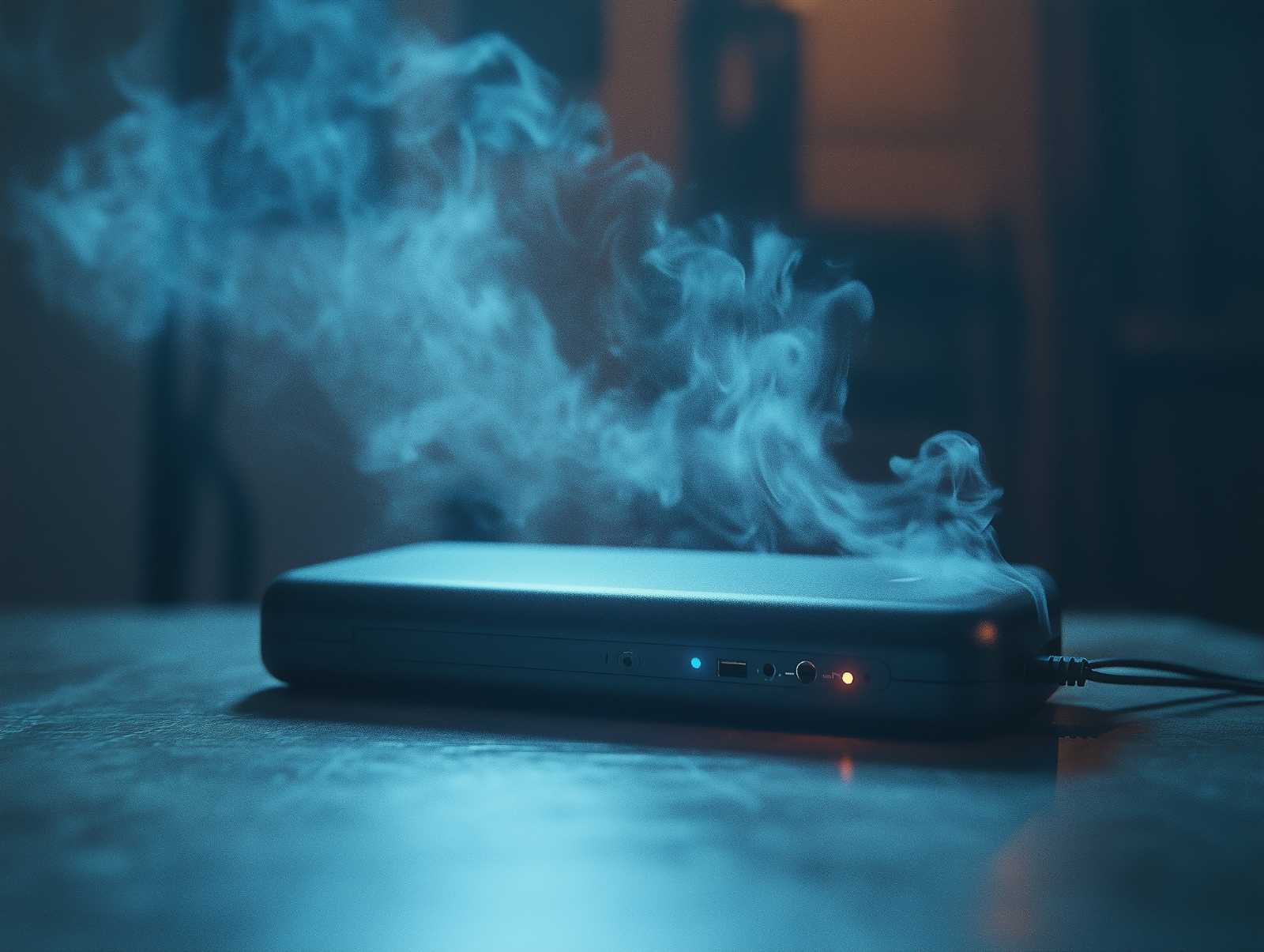
Portable Appliance Testing (PAT) is the process of periodically inspecting and testing electrical appliances to ensure they are safe. This is your first and most important line of defence.
- What needs testing? Anything that plugs into a socket. This includes laptop chargers, extension leads, monitors, kettles, and critically, any phone chargers or power banks that are regularly used on site.
- Why is it essential? PAT testing can identify issues like damaged cables, faulty wiring, or internal faults that are not visible to the naked eye the very kinds of issues that can lead to overheating and fire. It provides a formal record that you are actively managing electrical risk.
2. Implement a Robust Charging and Device Policy
Your business needs a clear, written policy that is communicated to all staff. This is not about being restrictive; it is about creating a safe culture. Your policy should include:
- No Overnight Charging: Prohibit the leaving of any personal devices charging in the office overnight.
- Inspect for Damage: Require employees to visually inspect cables and plugs for damage (fraying, bent pins) and to report any faults immediately.
- Use Original Equipment: Strongly recommend the use of original manufacturer-supplied chargers and cables.
- Purchase from Reputable Sources: Advise staff against using cheap, uncertified chargers and power banks, which often lack essential safety features.
3. Empower Your Team Through Expert Training
A policy is only effective if your team understands the “why” behind it. Awareness training is the key to creating a vigilant culture where every employee is a safety advocate. Expert-led Electrical Safety Training empowers your staff to:
- Recognise common electrical hazards.
- Understand the risks of lithium-ion batteries.
- Know how to safely use electrical equipment.
- Feel confident in reporting potential issues before they become incidents.
This training transforms your safety policy from a document on a server into a lived, daily practice. It is the single most effective way to ensure the lessons from the Anker recall are learned and applied across your entire organisation.
Build a Resilient Safety Culture with Acornstar
- The Anker recall is a powerful, real-world lesson: even the best brands can fail, and electrical safety requires constant vigilance. Relying on brand trust alone is a gamble you cannot afford to take with the safety of your people and your business.
A proactive approach, combining robust policies, regular PAT testing, and expert-led training, is the only way to manage this ever-present risk effectively. If this incident has highlighted potential gaps in your electrical safety procedures, the time to act is now.
Acornstar provides comprehensive Electrical Safety Training courses designed to equip your team with the knowledge and confidence to work safely. Contact us today to build a resilient safety culture that protects your business from the ground up.

Keeping Training Current Is Genuinely Possible 2026
Keeping Training Current Keeping training current means updating compliance courses as soon as regulations change, not on a fixed annual cycle. Most training falls out of date quietly, long before anyone notices. AI-accelerated production makes fast updates...

HACCP Online Course Ireland, Get Certified Fast (Level 1, 2 & 3)
HACCP Online Course Ireland: 5 Proven Wins to Get Certified Fast From Any Device Who Needs a HACCP Online Course Ireland Certification What’s Included in a HACCP Online Course Ireland HACCP online course Ireland is the fastest and most flexible way to certify...

HACCP Level 3 Training Ireland, Food Safety for Managers
HACCP Training for Managers: Why HACCP Level 3 Is the Smart Career Move HACCP Training for Managers - Why It Matters in the Food Industry HACCP Training for Managers – What Level 3 Covers HACCP Training for Managers is the smart career move for anyone aiming to...

Food Safety for Food Manufacturers Ireland, HACCP Guide
HACCP Level 2 Training Ireland: What It Covers and Why You Need It HACCP Level 2 Training Ireland - What the Course Covers HACCP Level 2 Training Ireland – Core Topics and Modules HACCP Level 2 Training Ireland is an essential qualification for anyone working in...

Food Poisoning Ireland, Causes, Prevention & Legal Guide
Food Labelling Requirements Ireland: What Every Food Business Must Know Food Labelling Requirements Ireland - Allergen Labelling Explained Food Labelling Requirements Ireland – Allergen Declaration Rules Food Labelling Requirements Ireland are essential legal...

HACCP Level 1 Training Ireland, Online Course & Certification
HACCP Level 1 Training Ireland: Who Needs It and What Does It Cover? Who Needs HACCP Level 1 Training in Ireland? HACCP Level 1 Training Ireland – Roles That Require It HACCP Level 1 training provides introductory food safety knowledge for people who are new to...

Food Labelling Requirements Ireland, FSAI Guide & Rules
Food Labelling Requirements Ireland What Irish and EU Law Requires on Every Food Label What the Law Requires Under EU Regulation (EC) No 1169/2011 (the Food Information to Consumers Regulation) and Irish food safety law, all pre-packed food sold in Ireland must carry...

Is HACCP Training a Legal Requirement in Ireland?
HACCP Training Ireland: 5 Proven Steps to Get Certified Fast 5 Proven Steps to Get HACCP Training Ireland Certified What HACCP Training Ireland Actually Covers HACCP training Ireland is a legal requirement for every food business operating in the country from...

HACCP Training for Small Food Businesses Ireland
HACCP Training for Small Food Businesses Ireland: A Practical Guide HACCP training for small food businesses in Ireland is a legal requirement, regardless of the size of your operation. Whether you run a café, food truck, bakery, or home-based food business, you must...

HACCP Certification Ireland, Get Certified Online Fast
HACCP Certification Ireland: 5 Proven Steps to Get Certified Fast 5 Proven Steps to Get HACCP Certification Ireland Approved HACCP Certification Ireland Levels: Which One Do You Need? HACCP certification Ireland is a legal requirement for every food business operating...