
The Winter Vomiting Bug Protecting Your Kitchen This Christmas
What You Really Need to Know
Reduce the risk of this viral villain wreaking havoc in your kitchen.
The festive season should be a time of celebration, packed dining rooms, and satisfied customers. But for food business owners across Ireland, winter brings an unwelcome guest that can shut down kitchens faster than you can say “Happy Christmas” the notorious winter vomiting bug, more commonly known as norovirus.
If you’ve ever had to close your restaurant, café, or catering business due to a norovirus outbreak, you’ll know the devastating impact it can have. Staff off sick, customers complaining, and your reputation taking a hit during the busiest time of the year. The good news? With proper knowledge and robust food safety practices, you can significantly reduce the risk of this viral villain wreaking havoc in your kitchen.
What Exactly Is the Winter Vomiting Bug?
Norovirus, affectionately (or not so affectionately) nicknamed the winter vomiting bug, is a highly contagious virus that causes gastroenteritis. According to the Food Safety Authority of Ireland (FSAI), norovirus is the most common cause of viral gastroenteritis in humans and is responsible for numerous foodborne illness outbreaks each year, particularly during the winter months.
The symptoms are unpleasant and arrive quickly typically within 12 to 48 hours of infection. Sufferers experience sudden onset of nausea, projectile vomiting, watery diarrhoea, stomach cramps, and sometimes a mild fever. While most people recover within a couple of days, the virus is incredibly contagious and spreads like wildfire in food service environments.
Why Should Food Business Owners Be Concerned?
Here’s the sobering truth: it only takes as few as 18 viral particles to cause infection, and an infected person can shed billions of these particles. That’s why norovirus outbreaks spread so rapidly in restaurants, hotels, and catering operations.
The Health Protection Surveillance Centre (HPSC) reports that norovirus outbreaks peak between November and March, coinciding with the busiest trading period for hospitality businesses. A single infected food handler who comes to work can contaminate food, surfaces, and equipment, potentially affecting dozens of customers and staff members.

The consequences extend beyond the immediate health concerns:
- Financial impact: Lost revenue from closures, wasted food stock, and deep cleaning costs
- Reputational damage: Negative reviews and social media complaints spread quickly
- Legal implications: Potential prosecution for food safety breaches
Staff shortages: Multiple team members off sick simultaneously during peak season
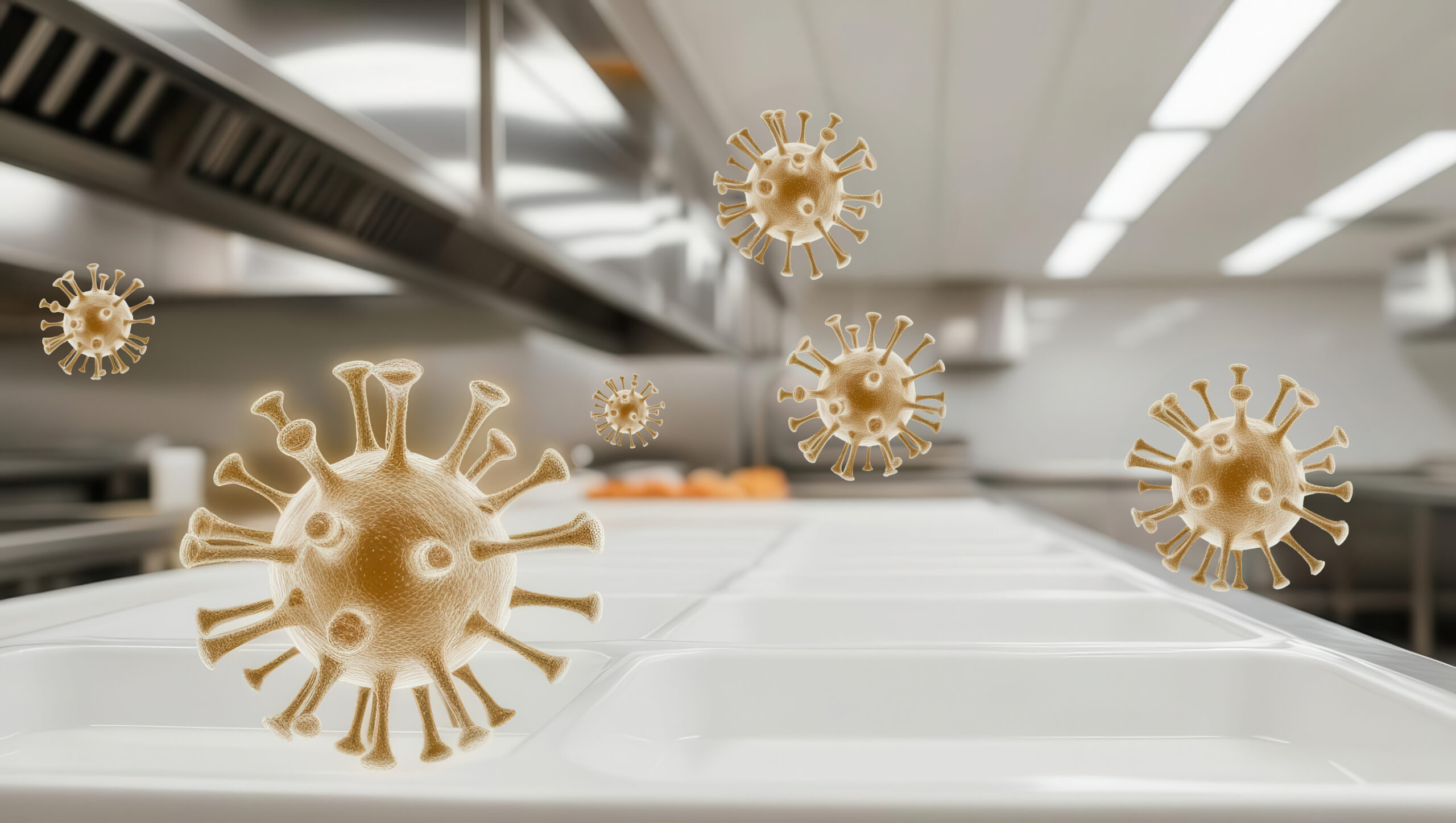

How Does Norovirus Spread in Food Businesses?
Understanding transmission routes is your first line of defence. Norovirus spreads through:
1. Contaminated Food and Water
Food handlers who are infected can transfer the virus to food through improper hand hygiene. Shellfish, particularly oysters, can also be contaminated at source if harvested from waters contaminated with sewage.
2. Person-to-Person Contact
Direct contact with an infected person or touching contaminated surfaces and then touching your mouth creates an easy transmission route.
3. Airborne Particles
When someone vomits, tiny droplets containing the virus can become airborne and land on surfaces up to several metres away. This is why proper cleaning after any vomiting incident is absolutely critical.
4. Surface Contamination
The virus can survive on surfaces for days. Door handles, taps, equipment controls, and even your point-of-sale system can harbour the virus.
Essential Prevention Strategies for Your Kitchen
Perfect Your Hand Hygiene
This cannot be stressed enough proper handwashing is your most powerful weapon against norovirus. Unlike many bacteria, alcohol-based hand sanitisers are not fully effective against norovirus. You need good old-fashioned soap and water.
Ensure all staff:
- Wash hands thoroughly for at least 20 seconds with warm water and soap
- Wash hands before handling food, after using the toilet, and after any cleaning tasks
- Use disposable paper towels rather than shared cloth towels
- Avoid touching their face, particularly their mouth and nose
Comprehensive food safety training reinforces these habits. Whether your team has completed HACCP Level 1 or HACCP Level 2, regular refresher sessions during winter months keep food hygiene at the forefront of everyone’s mind.

Implement a Strict Exclusion Policy
This is where many food businesses struggle, particularly when short-staffed during the Christmas rush. However, the FSAI guidelines are clear: any food handler experiencing symptoms of gastroenteritis should be excluded from work.
Here’s the critical part exclusion must continue for 48 hours after symptoms have completely stopped. Many outbreaks occur because staff return to work too soon, still shedding the virus even though they feel better.
Create a workplace culture where staff feel supported in reporting illness rather than pressured to work through it. Consider:
- Having a pool of trained relief staff
- Cross-training team members to cover multiple roles
- Maintaining an emergency contact list of former reliable staff
Maintain Rigorous Cleaning and Disinfection
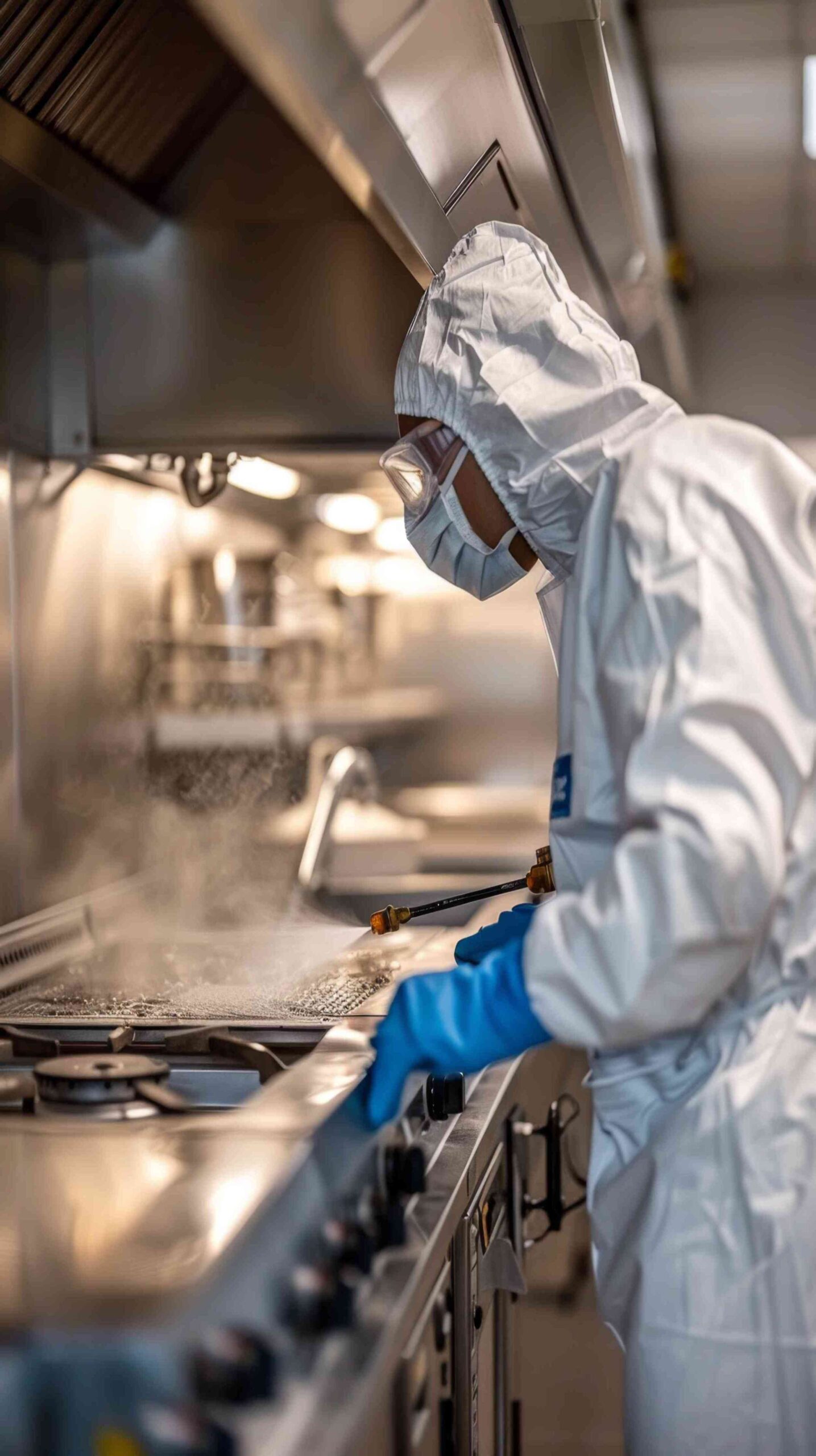
Your regular cleaning routine needs ramping up during norovirus season. Standard cleaning products may not be effective against norovirus you need disinfectants that specifically kill the virus (look for products effective against non-enveloped viruses).
Pay particular attention to:
- High-touch surfaces like door handles, light switches, and taps
- Food preparation surfaces and equipment
- Bathroom facilities
- Staff areas including lockers and break rooms
If a vomiting incident occurs on the premises, you must act immediately:
- Clear the area of people and food
- Use disposable gloves and aprons
- Clean up vomit or faeces carefully to avoid splashing
- Disinfect the entire area thoroughly, including a wide radius around the incident
- Dispose of all cleaning materials safely
- Consider whether the area needs to be closed temporarily
Staff trained in proper control of chemicals understand how to use cleaning and disinfecting products safely and effectively an often-overlooked aspect of food safety.
Monitor Food Sources and Suppliers
Raw shellfish, particularly oysters, are a known risk factor for norovirus transmission. During winter months, consider:
- Sourcing shellfish only from reputable, certified suppliers
- Checking FSAI alerts and recalls regularly
- Properly cooking shellfish when possible (though this changes the product)
- Being transparent with customers about shellfish risks
Fresh produce can also be contaminated, so ensure thorough washing of all fruits and vegetables.
LMS for Business Users: Track Your Team’s Compliance
For businesses training 10 or more employees, we currently provide a free Learning Management System (LMS) a professional online platform that helps you manage, track, and prove your team’s food safety compliance.
What is an LMS?
Think of it as your digital training hub. Instead of chasing paper certificates, you get instant visibility into:Who’s completed which courses
- When certifications expire
- Proof of compliance for FSAI inspections
The Role of Proper Training
Knowledge truly is power when it comes to preventing norovirus outbreaks. Every member of your team from the head chef to the newest pot washer needs to understand food safety principles.
The Irish food industry operates under stringent regulations, and HACCP (Hazard Analysis and Critical Control Points) certification ensures your team understands how to identify and control food safety hazards.
For many food businesses, online HACCP training offers a flexible, cost-effective solution, allowing staff to complete their certification without disrupting service. HACCP Level 1 provides foundational knowledge for all food handlers, while HACCP Level 2 is essential for supervisors and those with food safety responsibilities.
Don’t forget about allergen awareness either while not directly related to norovirus, maintaining comprehensive food safety standards protects your business on all fronts. Allergen awareness training ensures your team can handle this equally important aspect of food safety.
Beyond Food Safety Creating a Safer Workplace
Food safety doesn’t exist in isolation. A truly safe kitchen considers all workplace hazards. During the busy Christmas period, risks increase:
- Manual handling injuries from lifting heavy stock, turkeys, and equipment
- Slips, trips, and falls on wet floors in busy kitchens
- Fire safety concerns with increased cooking activity
Comprehensive training across all safety areas creates a culture of vigilance and care. When staff are trained in manual handling, they’re less likely to injure themselves during the demanding festive season. Understanding fire safety becomes crucial when kitchens are operating at full capacity.
What to Do If Norovirus Strikes
Despite your best efforts, an outbreak may still occur. Your response can make the difference between a minor incident and a major disaster:
- Isolate affected individuals immediately send them home with clear instructions not to return until 48 hours after symptoms cease
- Deep clean and disinfect all affected and surrounding areas
- Review your procedures – identify how the virus may have entered your premises
- Communicate transparently – inform relevant authorities if required and be honest with customers
- Document everything – maintain records of the incident and your response
The FSAI provides guidance on outbreak management, and you should also contact your local Environmental Health Office for support.
Making Food Safety Part of Your Culture
The most effective food businesses don’t treat food safety as a box-ticking exercise. Instead, they build it into their company DNA. Regular team meetings that discuss food safety, visible hygiene reminders, and leading by example from management all contribute to a strong food safety culture.
Many businesses find that implementing a structured learning management system helps maintain consistent standards, track training completion, and ensure all staff including seasonal workers receive proper instruction before they start handling food.
Preparing for a Safe and Successful Season
This Christmas, don’t let the winter vomiting bug steal your festive cheer. By implementing robust food safety practices, ensuring your team is properly trained, and maintaining vigilance during the busy season, you can protect your customers, your staff, and your business reputation.
Remember, investing in food safety isn’t an expense it’s insurance against the far greater costs of an outbreak. From comprehensive HACCP training to understanding the complete picture of workplace safety, proper training pays for itself many times over.
The festive season is demanding enough without adding a norovirus outbreak to your challenges. With the right knowledge, procedures, and team training, you can focus on what matters most delivering excellent food and service to your customers throughout the Christmas period and beyond.
Stay safe, stay vigilant, and here’s to a healthy and prosperous festive season for your business.
Looking to strengthen your team’s food safety knowledge? Explore our range of online food safety and HACCP training courses designed specifically for Irish food businesses. Flexible, affordable, and certified – because your reputation depends on it.