
Pest Control Food Safety in Ireland Why Most Closures Start at the Back Door
What You Really Need to Know
Restaurant Pest Control Ireland What the FSAI Requires
Pest control food safety in Ireland is critical for FSAI compliance, particularly for restaurants. Restaurant pest control in Ireland must meet strict FSAI pest control requirements to prevent infestations, protect food safety, and avoid enforcement action or closures.
Restaurants in Ireland are legally required to follow documented FSAI pest control requirements, including monitoring, proofing, and contractor records.
Poor restaurant pest control in Ireland is one of the most common reasons for failed food safety inspections and temporary closures.
You’re reading FSAI closure notices on your phone. Again.
Nine businesses shut down in December 2024 alone. Decomposed rat carcass. Live cockroaches. Fresh droppings.
Every single one preventable.
Every single one started at the back of the building.
Rodents Don’t Teleport. They Walk In.
The FSAI served 133 enforcement orders in 2024 a 45% increase from 2023.
Top reasons for closure:
- Inadequate pest control measures
- Fresh rat droppings throughout premises
- Live cockroach infestations
- Evidence of ongoing rodent activity
- Decomposed rat carcasses
Not one of these businesses woke up with rats. They let them in. Day after day. Through doors, gaps, and holes nobody was watching.
The Goods Inwards Problem
Walk to your back door right now. Look at the area where deliveries come in.
Be honest. What do you see?
Common issues at Goods Inwards:
- Back door propped open “for fresh air”
- Cardboard boxes piled up waiting for bin collection
- Gaps under door frames (even 6mm is enough for a mouse)
- Broken door seals
- Delivery area doubling as smoking spot
- No fly screens on windows
- Drains without covers
- External bins overflowing
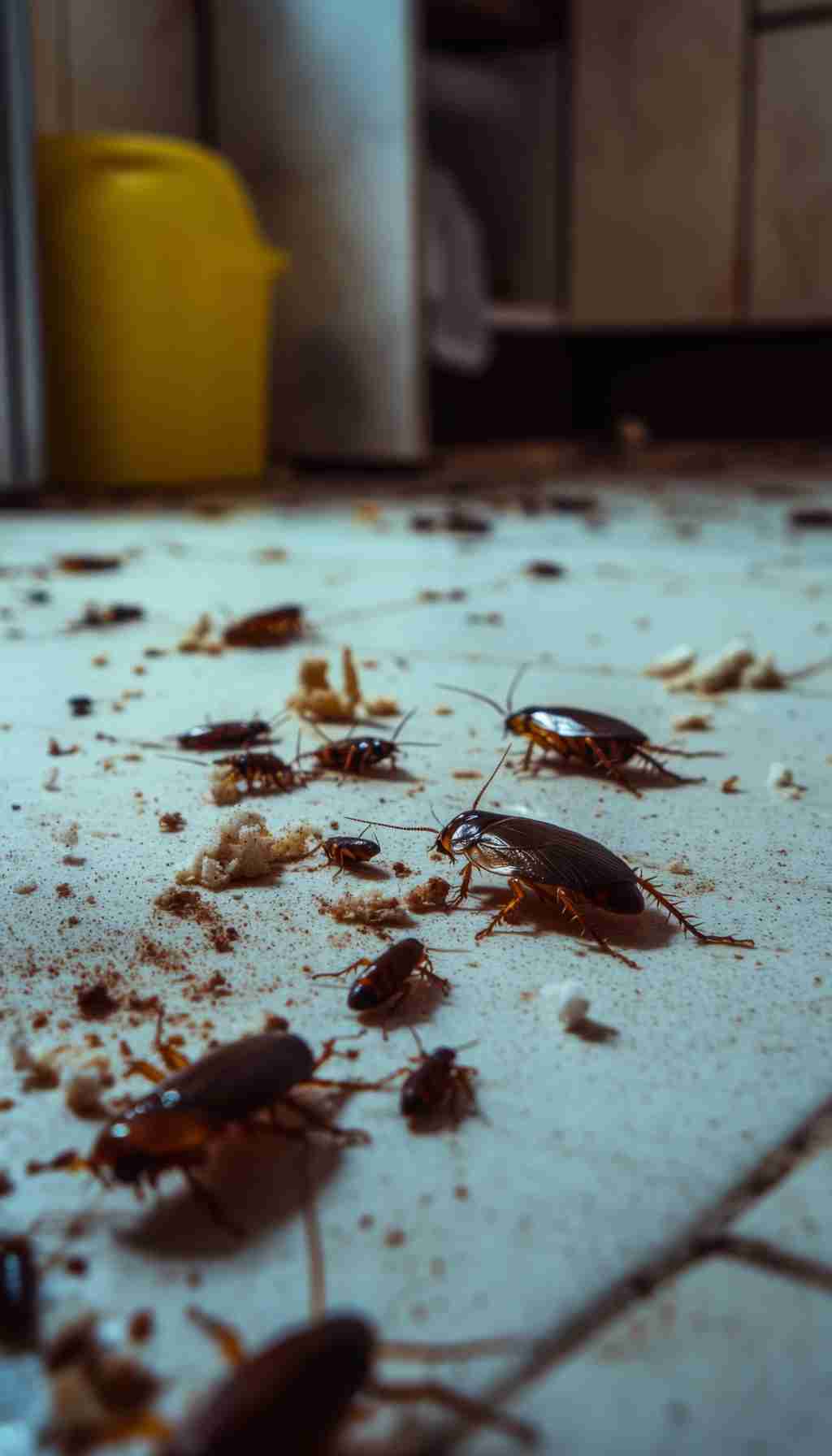
This area is the messiest part of most restaurants. It’s also the main entry point for pests.

Dublin’s December Wake-Up Call
December 2024 FSAI closures painted a brutal picture:
Cork Rooftop Farm (Cornmarket Street, Cork):
- Rodent droppings found
- Accumulation of food debris
- Inadequate pest control
Multiple Dublin premises:
- Live cockroaches on walls and equipment
- Fresh rat droppings in food storage areas
- Decomposed rat carcass discovered
- No effective pest proofing
The pattern? All these businesses had ingress points gaps, holes, and open doors that pests used as highways into food areas.
“Ingress Points” The Term You Need to Know
Environmental Health Officers use this phrase in inspection reports.
Ingress point = any gap, hole, or opening that allows pests to enter.
Common ingress points:
External:
- Gaps under doors (rats need 15mm, mice need 6mm)
- Broken air vents
- Cracks in exterior walls
- Gaps around pipe entries
- Damaged roof edges
- Open windows without screens
- Delivery bay doors left open
Internal:
- Holes in walls (especially near plumbing)
- Gaps around electrical conduits
- Damaged ceiling tiles
- Broken floor tiles
- Unsealed drains
- Gaps behind equipment

One Dublin pizzeria was shut down in 2018 after inspectors found “rodent ingress points and gaps and holes in internal walls throughout” the premises.
The gaps were preventable. The closure was avoidable. The reputation damage? Permanent.

The £1 Coin Test
Want to know if your door seal is adequate?
Try this:
Close your back door. Slide a £1 coin (or €1 coin) under the door frame.
If it goes through: You have a rodent motorway.
If it doesn’t: Check again in 6 months – seals degrade.
Rats need a gap of just 15mm (about the width of your thumb). Mice need only 6mm (roughly the thickness of a pencil).
If light is visible under your door, pests can get through.
Why That Back Door Stays Open
You know it’s wrong. Your staff know it’s wrong. Yet every day, that back door ends up propped open.
Common excuses:
- “It’s too hot in the kitchen”
- “The porter needs fresh air during his break”
- “We’re waiting for a delivery”
- “The extractor fan doesn’t work properly”
- “We’re only breaking down cardboard we’re watching”
Environmental Health Officers have heard them all. They’re not interested in excuses. They’re interested in compliance.
The reality:
- 30 seconds is enough for a mouse to enter
- Rats are most active at dusk – exactly when evening shifts start
- Pests follow food smells – your kitchen is a beacon
- Once inside, they hide and breed
- By the time you see one, you have dozens

Cardboard The Free Hotel Service
That pile of cardboard boxes waiting for recycling?
Check inside them. Right now.
Cardboard provides:
- Shelter – dark, hidden spaces
- Warmth – insulation from cold
- Nesting material – perfect for breeding
- Food – glue and starch in boxes attract pests
Cockroaches in particular love corrugated cardboard. They hide in the ridges. They lay eggs there. They travel into your building inside delivery boxes.
Dublin precedent:
Multiple businesses have been shut down after inspectors found live cockroaches in cardboard storage areas adjacent to food prep zones.
The fix:
- Break down cardboard immediately after delivery
- Store broken-down cardboard in sealed bins outside
- Never store cardboard overnight in kitchen areas
- Inspect incoming deliveries for pest signs before accepting them
The Porter’s Training Gap
Who manages your Goods Inwards area?
Often it’s porters, delivery staff, or junior kitchen hands. The people with the least food safety training.
They don’t understand why that door must stay closed. They don’t know what to look for in deliveries. They don’t realise cardboard needs immediate breakdown.
This is a training problem, not a personnel problem.
The FSAI cited inadequate staff training as a contributing factor to the 45% rise in enforcement orders.
Your Rentokil technician visits once a month. Your staff are there every single day.
Pest control isn’t just for the Rentokil guy. It’s a daily staff discipline.
What Your Staff Actually Need to Know
Your porters and delivery staff need specific training:
Daily door discipline:
- Keep back door closed unless actively receiving delivery
- Check door seal weekly
- Report gaps or damage immediately
- Never prop door open, even “just for a minute”
Delivery inspection:
- Check deliveries outside before bringing them in
- Look for droppings, gnaw marks, or dead insects in boxes
- Reject deliveries with pest signs
- Break down cardboard immediately
Storage protocols:
- Nothing stored directly on floor (minimum 15cm clearance)
- All food in sealed containers by end of shift
- Bins emptied daily, lids always closed
- No food debris left overnight
- Cleaning schedules followed exactly

-
Reporting systems:
- What to do if they see a rodent (report immediately, don’t “deal with it later”)
- Who to inform about gaps or damage
- How to document pest sightings
The 3-Point Daily Check

Beyond the Back Door Other Critical Points
While Goods Inwards is the main problem, don’t ignore:
Waste areas:
- Bins with damaged lids
- Bin stores with gaps in walls or roofs
- Overfilled bins attracting pests
- Bins stored too close to building
Drainage:
- Drains without covers
- Damaged drain covers
- Food debris in drains (ideal breeding ground)
- Standing water near drains
External areas:
- Vegetation too close to building
- Holes in external walls
- Gaps where utilities enter building
- Damaged air bricks
Staff areas:
- Food left in lockers
- Rubbish in staff toilet bins
- Open windows without screens
The Professional Pest Control Partnership
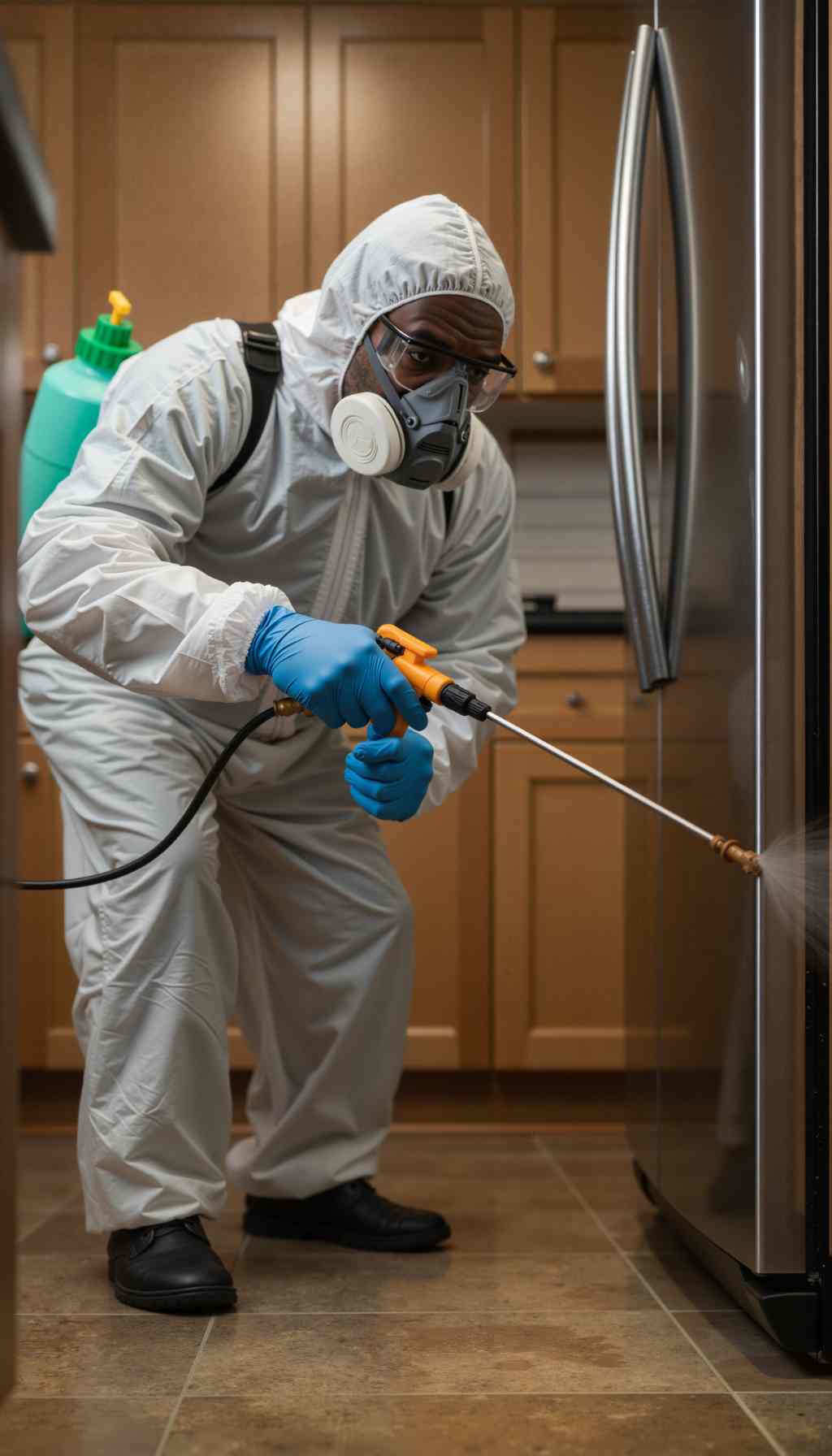
You need professional pest control. But understand their role:
What the pest control company does:
- Monthly inspections
- Bait station checks and replenishment
- Insect monitoring units
- Treatment if infestation found
- Written reports for compliance
What they can’t do:
- Watch your doors 24/7
- Break down your cardboard
- Train your staff on daily procedures
- Fix gaps and holes in your building
- Enforce door closure discipline
Professional pest control works with staff discipline, not instead of it.
Red flag:
If your pest control reports keep mentioning the same ingress points month after month, and you’re not fixing them, you’re not managing pest risk. You’re waiting for a closure order.
The Cost of Doing Nothing
Direct costs of closure:
- Lost revenue: €1,000-€5,000 per day (minimum)
- Staff wages during closure
- Emergency pest treatment: €2,000-€10,000+
- Cleaning and remediation
- Repairs to structural damage
Indirect costs:
- FSAI enforcement legal costs
- Negative publicity (your closure is public record)
- Loss of customer confidence
- Social media reputation damage
- Insurance premium increases
- Difficulty recruiting staff
- Prevention costs:
- Door seal replacement: €200-€500
- Staff training: €100-€200 per person
- Monthly professional pest control: €150-€400
- Fly screens for windows: €50-€200 each
The prevention is always cheaper. Always.

Real Talk Why Managers Don’t Fix This
You’re reading this on your phone during a break. You know the back door is an issue. You know the cardboard piles up.
So why hasn’t it been fixed?
Common barriers:
- “We’re too busy to deal with it right now”
- “It’s been like this for years and we’ve been fine”
- “The owner won’t pay for repairs”
- “Staff won’t follow door discipline anyway”
- “We’ll sort it out in the quiet season”
Here’s the problem: FSAI inspections don’t wait for the quiet season.
Environmental Health Officers arrive unannounced. They see what they see. If there are droppings, you’re getting a closure order. Your excuses don’t matter.
The “One Sighting” Rule
Some managers think: “We saw one mouse last month, but we haven’t seen any since, so it must be gone.”
Wrong.
The reality of rodent behaviour:
- Mice are territorial – seeing one means there are 10+ hidden
- Rats are nocturnal – you only see 5% of the population
- Breeding cycle: mice can have 6-10 litters per year, 5-6 babies each
- By the time you see signs regularly, you have an infestation
One sighting is not “no big deal.” It’s an early warning you’re ignoring.
What to Do This Week

The Insurance Angle
Here’s something most managers don’t think about:
If you’re closed by FSAI and try to claim business interruption insurance, the insurer will ask:
“Were you following professional pest control recommendations?”
If your pest control reports have been flagging the same ingress points for 6 months, and you’ve done nothing, your claim may be denied.
Insurance covers accidents and unforeseen events. It doesn’t cover wilful negligence.
Training That Actually Prevents Closures
Everyone in your business needs baseline food safety knowledge.
That includes:
- Chefs and cooks (obviously)
- Porters and cleaners
- Delivery staff
- Front-of-house (they see customer areas where pests also appear)
The FSAI made it clear: inadequate training is a major factor in the rising closure numbers.
What training should cover for pest control:
- Why pest control matters (health risks, business risks, legal requirements)
- How pests enter premises (ingress points)
- Daily staff responsibilities (door discipline, cardboard breakdown, cleaning)
- What to do if pests are seen (reporting, documentation)
- How professional pest control works (partnership model)
This doesn’t need to be a full-day course. It needs to be practical, relevant, and mandatory.
The Competitive Advantage
While your competitors are ignoring this, you can be proactive.
Benefits of excellent pest management:
- No surprise closures
- Better FSAI inspection outcomes
- Higher food hygiene ratings
- Staff confidence and morale
- Customer trust
- Lower insurance premiums
- Easier recruitment (“we’ve never been closed by FSAI”)
It’s not glamorous. It’s not Instagram-worthy. But it’s the difference between staying open and seeing your business name on a closure list.
The Bottom Line
60% of FSAI closures are pest-related.
The vast majority start at ingress points that were visible, preventable, and ignored.
Rodents don’t teleport. They don’t tunnel through solid concrete. They walk through the gaps you already know about.
The back door you keep propped open.
The cardboard pile you’ll “deal with tomorrow.”
The 6mm gap under the door seal that’s “not that bad.”
Environmental Health Officers will find them. And when they do, you’ll be explaining why you didn’t fix obvious problems.
Don’t wait for a closure order to take pest control seriously.
That back door? Close it. Now. And keep it closed.
Strengthen Your Food Safety Knowledge
Pest control starts with trained staff who understand daily responsibilities. Our courses provide practical knowledge for the entire team:
For All Staff (including Porters, Cleaners, Delivery Teams):
- Food Safety & HACCP Level 1 – Essential hygiene, pest awareness, cleaning protocols, and daily responsibilities
For Supervisors & Managers:
- HACCP Level 2 Training – Implementing pest control systems, managing HACCP procedures, and leading compliance
For Senior Managers:
- Level 3 Food Safety & HACCP Management – Advanced risk management, audit preparation, and strategic compliance
Additional Operational Training:
- Manual Handling – Safe delivery and storage procedures
- Control of Chemicals – Safe use of cleaning and pest control chemicals
- Fire Safety Awareness – Comprehensive premises safety
Bonus: Access our free learning management system to track who’s trained, manage renewals, and prove compliance to FSAI inspectors.
Ready to prevent closure orders before they happen? Start with Level 1 Food Safety training for your entire team. For comprehensive training solutions, visit Acorn Star.
You’re still on your break. You have 5 minutes. Do this before you go back to service:
Right now (on your phone):
- Check your last pest control report – read it properly
- Check your training records – who hasn’t done food safety training?
- Make a note of every gap, hole, or broken seal you know about
- Check when door seals were last replaced
Tomorrow: 5. Walk to Goods Inwards and actually look at it with fresh eyes 6. Take photos of problem areas 7. Ask your porter/delivery staff what issues they see daily
This week: 8. Book door seal repairs if needed 9. Implement immediate cardboard breakdown rule 10. Brief all staff on door discipline 11. Contact your pest control company if gaps were mentioned in reports
This month: 12. Get basic food safety training for porters and delivery staff 13. Add pest checks to opening/closing procedures 14. Fix all ingress points identified in last pest control report