
HACCP Management Portal Ireland, Stop Managing Compliance by Hand
HACCP Management Portal Ireland: Automating Training and Compliance
What Happens When HACCP Tracking Is Left to Spreadsheets
It usually starts small. A shared spreadsheet. A folder of paper certificates. A calendar reminder someone set up once and nobody’s touched since.
Then the business grows.
Suddenly you’re managing HACCP certification for 40, 60, or 200 staff across multiple sites. Certificates expire without anyone noticing. New starters slip through onboarding without the right food safety training. An Environmental Health Officer asks to see your records, and the scramble begins photocopying documents, chasing staff who’ve left, hoping the gaps aren’t obvious.
This is the reality for most Irish food businesses, and it’s entirely avoidable.
A HACCP management portal built specifically for the Irish food industry changes this completely. Rather than chasing compliance manually, you automate it expiry alerts, audit reports, certification records, all in one place. For HR managers and operations teams already stretched thin, that shift matters.
AcornStar provides exactly this, free of charge, to every business that trains with us. This article explains how it works in practice, and why it’s worth understanding before your next audit.
The Real Cost of Managing HACCP Manually
Most businesses don’t quantify the true cost of managing training records manually. When you calculate the actual time spent, the numbers are startling:
Time Spent on Manual Administration
Consider a medium-sized food business with 40 employees requiring HACCP certification:
Initial record-keeping (after training): 15 minutes per employee to file certificates, update spreadsheets, and record completion = 10 hours annually (assuming some turnover).
Monitoring expiry dates: Weekly or monthly spreadsheet reviews to identify upcoming renewals = 30-60 minutes monthly = 6-12 hours annually.
Chasing expired certifications: Emailing staff, following up on non-responses, escalating to managers = 20-30 minutes per expired certification × 10-15 staff annually = 5-8 hours annually.
Audit preparation: Locating and photocopying certificates, creating compliance reports for inspections = 3-6 hours per audit × 2-3 audits annually = 6-18 hours annually.
Onboarding administration: Processing training records for new hires, verifying external certifications, ensuring completion before start dates = 1-2 hours per new hire × 15 hires annually = 15-30 hours annually.

Where Manual Tracking Creates Compliance Risk
Time is one problem. The bigger one is what falls through the cracks.
Expired certifications go unnoticed. Spreadsheets maintained sporadically mean staff can work for weeks sometimes months with lapsed certifications. During a Food Safety Authority of Ireland (FSAI) inspection, that’s an immediate improvement notice.
Certificates get lost. Paper records disappear into filing cabinets, leave with departing staff, or simply go missing. If you can’t produce evidence of training during an audit, regulators will treat it as though no training happened at all.
Multi-site records fall out of sync. Businesses operating more than one location often keep separate records at each site. There’s no central view, no consistent format, and no easy way to verify that standards are being met across the board.
New starters fall through the gaps. In busy onboarding periods, HACCP training gets delayed or overlooked. Staff work uncertified, sometimes for weeks, before anyone spots the gap.
Role-level mismatches get missed. HACCP has multiple certification levels (Level 1 through 4), and different roles require different levels. A supervisor holding a Level 1 when Level 2 is required isn’t just a paperwork problem it’s a genuine compliance failure.
None of these are hypothetical risks. They’re problems Irish food businesses run into regularly, often discovered at the worst possible moment.

The Compliance Context in 2025 and Beyond
The regulatory environment has raised the bar for what food businesses need to demonstrate.
The FSAI’s Strategy 2025–2029 places increased emphasis on verifiable competency not just training completion, but documented evidence that the right people hold the right certifications at the right levels. Third-party audit schemes including BRC Global Standards and FSSC 22000 expect rapid, organised production of training records.
For healthcare facilities handling food, HIQA requirements add another layer, with Schedule 5 obligations around staff competency documentation.
In this environment, being able to produce accurate, up-to-date training records quickly isn’t just good practice. It’s expected.
⚑ Flag for manual review: If citing specific HIQA Schedule 5 provisions or FSAI enforcement statistics in a published version, verify current wording against the official FSAI and HIQA websites before publishing.

Why a Purpose-Built HACCP Portal Beats Generic Training Software
Generic learning management systems are designed for broad workforce training onboarding modules, compliance e-learning, skills tracking. They’re not built with HACCP’s specific structure in mind.
HACCP certification is more complex than most training categories. It has multiple levels. Different roles need different levels. Certifications expire and need refreshing. Auditors need to see not just that training happened, but when, to what standard, and whether it’s still current.
A HACCP management portal built for Irish food businesses handles that complexity from the ground up. Here’s what that looks like in practice.
What AcornStar’s Free Management Portal Actually Does
AcornStar provides a management portal to all training customers at no extra cost. It’s not a stripped-back dashboard tacked on as an afterthought it’s a complete compliance management tool built around the realities of food safety administration.
Automated Expiry Tracking and Alerts
The portal tracks every employee’s certification expiry date and sends automated email alerts at 90 days, 30 days, and on the expiry date itself. HR managers see upcoming expirations in a single dashboard view, making it straightforward to schedule group refresher sessions in advance rather than reacting to each lapsed certificate individually. No more monthly spreadsheet checks. No more expired certifications discovered by an auditor.
Centralised Digital Certificate Storage
Every certificate issued through AcornStar training is automatically stored in the portal, accessible any time from any device. If an auditor asks for documentation, it’s there immediately no filing cabinets to search, no photocopying, no frantic emails to former staff.
The portal also maintains version control automatically. When a staff member completes refresher training, the new certificate replaces the old one clearly. You always know which record is current.
Multi-Site Visibility
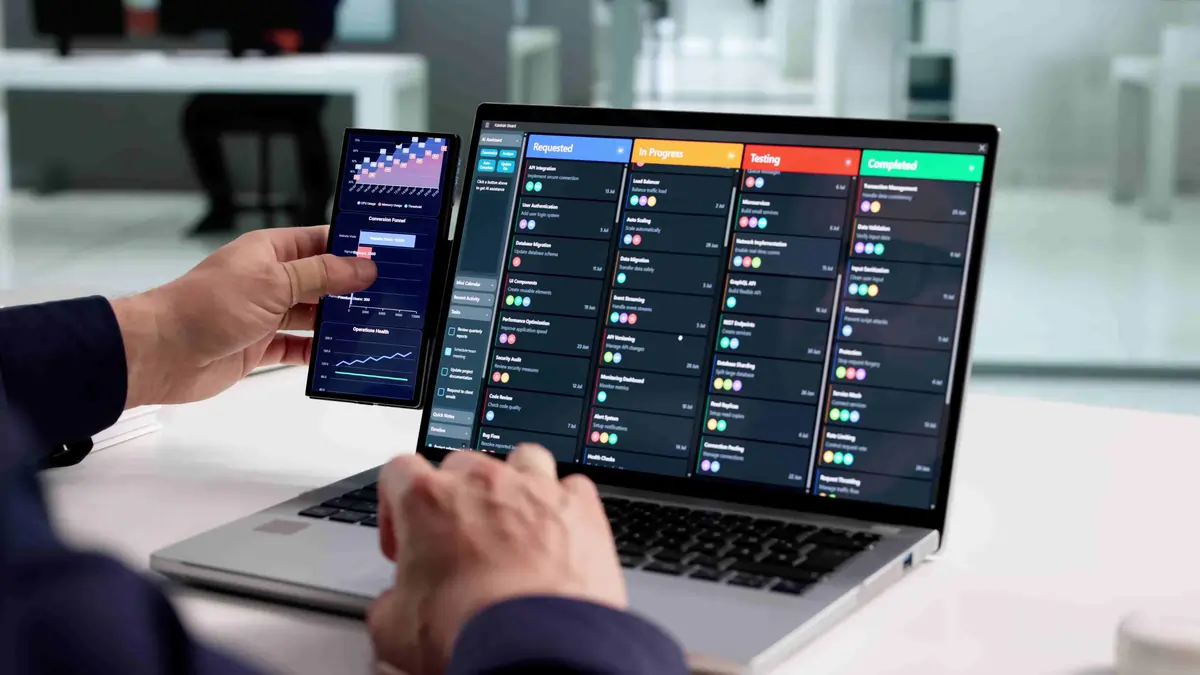
For businesses operating multiple locations, the portal provides a single dashboard showing compliance status across every site. You can filter by location, role, certification level, or expiry date. Site managers can access their own teams without affecting other locations. Operations directors get a bird’s-eye view of organisation-wide compliance.
This is the central visibility that paper records and individual spreadsheets simply can’t provide.
Role-Based Certification Requirements
HR teams can configure the portal to match certification requirements to specific roles. If a Head Chef requires HACCP Level 3, the system flags any gap automatically. If a staff member is promoted, it alerts HR that a certification upgrade may be needed. Under-certification is caught before it becomes a compliance issue.
This is particularly valuable in hospitality and food service, where staff move between roles frequently and role-level requirements are easy to lose track of.
One-Click Audit Reports
When an inspection arrives from the FSAI, HSE, HIQA, or a third-party scheme auditor the portal generates a complete compliance report in seconds. Organisation-wide training status, individual staff histories, gap analysis, and downloadable PDFs. What previously took hours of preparation takes minutes.
That shift in audit readiness also sends a message to inspectors: a business that can produce clean, organised documentation quickly is a business that takes food safety seriously.
Streamlined Onboarding
Before a new hire’s first shift, HR can set up their profile, assign required training, and track completion in one place. For staff arriving with existing certifications from previous employers, external certificates can be uploaded and integrated into the same system. No separate tracking, no manual cross-referencing.
Training History and Refresher Scheduling
The portal keeps complete training histories for every employee current certifications, historical records, refresher completions, and certification level progressions. It can group staff with similar expiry dates to suggest consolidated refresher sessions, turning individual scrambles into scheduled, efficient group training.
Time Savings in Practice
Return to the 40-employee example. Before the portal, that business spent 42–78 hours a year on HACCP administration.
After implementing the portal:
- Ongoing monitoring: 15 minutes a month reviewing the dashboard 3 hours annually
- Refresher scheduling: 2 hours annually (consolidated through group batching)
- Audit preparation: 30 minutes per inspection — around 1.5 hours annually
- Onboarding: 15 minutes per new hire — roughly 4 hours annually
That’s 10–11 hours annually, compared to 42–78. A reduction of around 75–85%.
For larger operations, the savings are proportionally greater. A 100-person business recovering 150+ hours of HR time annually represents a significant operational gain and that’s before accounting for the reduced risk of compliance failures, enforcement notices, or the reputational damage of failing an inspection.

Why This Comes Free With AcornStar Training
Standalone training management software offering comparable functionality typically costs £500–£2,000 or more per year. AcornStar provides this portal to all training customers at no additional cost.
The reasoning is straightforward: excellent training that leaves businesses struggling with administration isn’t a complete solution. Providing the tools to manage certification effectively not just deliver it is what makes the training genuinely useful over the long term.
It also reflects a practical understanding of how food businesses operate. HR teams, operations managers, and business owners have enough to manage. Removing the administrative burden from HACCP compliance frees up time for everything else.
Who the Portal Is Built For
The portal serves businesses of all sizes across the Irish food industry:
- Small cafés and restaurants with 5–15 staff who need simple, reliable tracking without the overhead of a complex system
- Healthcare facilities managing food service teams across multiple buildings, with HIQA compliance requirements on top of standard FSAI obligations
- Multi-site hospitality groups coordinating training across dozens of locations with high staff turnover
- Food manufacturers managing complex shift patterns, varied roles, and third-party audit schemes
AcornStar currently supports over 3,000 B2B customers across Ireland. The portal has been developed and refined based on real-world feedback from that range of operations which means it handles the edge cases that generic systems miss.
The Specific Challenges It Solves for HR
HR professionals in food businesses face a distinct set of challenges that the portal is designed to address directly
High staff turnover is a fact of life in Irish hospitality and food service often 30–50% annually. That means constant onboarding, constant certification management, and constant risk of gaps. The portal absorbs much of that administrative load automatically.

Multi-level certification complexity tracking which roles need which HACCP levels, managing upgrades when staff are promoted, preventing under-certification is genuinely difficult to handle in a spreadsheet. The portal makes it a configuration, not a continuous manual task.
External certification verification when staff arrive with credentials from previous employers or other training providers is simplified by the ability to upload and integrate external records alongside AcornStar-issued certificates, keeping everything in one place.

Getting Started
Access to the portal is straightforward and comes as standard with AcornStar training:
- Book HACCP training for your team — portal access is included automatically, at no additional cost
- Receive login credentials — HR administrators get secure access once training is booked
- Configure your organisation — set up locations, departments, roles, and certification requirements (AcornStar provides setup guidance)
- Import existing records (optional) — upload certificates for staff who’ve already trained with AcornStar or other accredited providers
- Set up automated alerts — configure expiry reminders at 90, 30, and 0 days
- Begin monitoring — the dashboard shows real-time training status, upcoming expirations, and compliance gaps immediately
Most organisations are fully set up within 2–4 hours of first login.
The Bottom Line
HACCP compliance doesn’t need to be an administrative burden. With the right infrastructure in place, it becomes a largely automated process one that protects your business, supports your HR team, and means you’re never caught off guard by an audit.
The training is internationally accredited. The management tools are built for the Irish food industry. Together, they make compliance genuinely manageable.
Ready to see how it works? Explore AcornStar’s HACCP training courses and get access to the management portal as part of your team’s training package.

Stay Compliant. Stay Confident.
Navigating food safety regulations doesn’t have to be stressful. AcornStar provides the training and expert guidance to keep your business fully compliant and inspection-ready.
Accredited Training Courses
- Food Safety & HACCP Level 1 — Entry-level certification for new team members
- HACCP Level 2 — Mandatory certification for all food handlers
- HACCP Level 3 Management — Advanced compliance for supervisors and senior staff
- Level 1 & 2 Bundle — Full-team compliance in a single purchase
- Allergen Awareness — Meet Natasha’s Law requirements. Free with selected courses
- Fire Warden & Slips, Trips & Falls — Workplace safety essentials
Professional Consultancy
Our Food Safety Consultancy Services provide on-site auditing, HACCP plan development, and EHO inspection preparation giving you the confidence to pass first time.
Manage It All for Free
Business accounts include free access to our Learning Management System, so you can assign courses, track staff progress, and download certificates all in one dashboard.
Contact our team to get started, or view all courses.
“But my head chef already has a food safety certificate why does he need more training?” This question comes up repeatedly when food business owners review their training obligations. The certificate on the staff room wall shows HACCP Level 1 or Level 2, the legal box appears ticked, and surely that’s enough?
Not quite. In fact, not even close.
Here’s the reality that catches many Irish food businesses off guard: the legal requirement isn’t simply to have trained staff it’s to ensure staff are “supervised and instructed and/or trained in food hygiene matters commensurate with their work activity.” That final phrase is crucial, and it’s where many businesses fall short without even realising it.
Your head chef, sous chef, kitchen supervisor, or anyone managing food safety in your operation isn’t performing the same role as a line cook or food handler. They’re not just cleaning surfaces, monitoring temperatures, and following procedures someone else created. They’re designing those procedures, troubleshooting when things go wrong, training others, making critical food safety decisions independently, and ultimately bearing responsibility when inspectors arrive.