
Food Trends for Restaurants 2026 Swicy, Bitter & Vegetable-Forward
What You Really Need to Know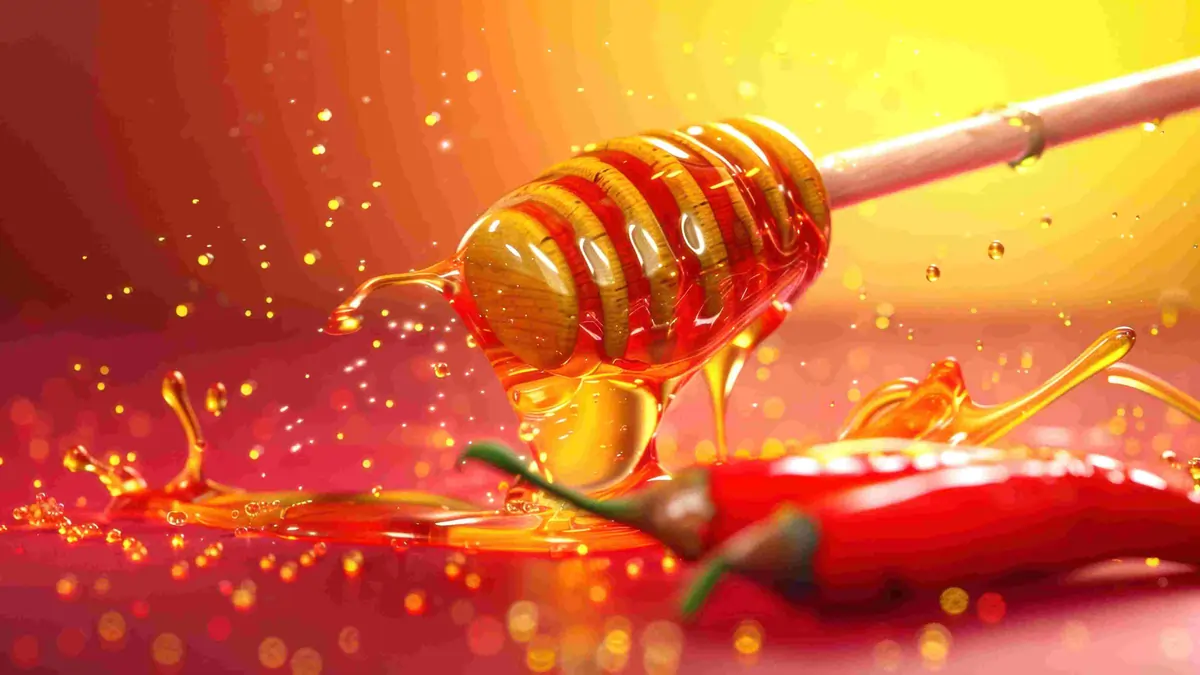
Restaurant Food Trends 2026 Irish Kitchens Must Prepare For
Restaurant food trends 2026 are pushing kitchens toward bolder flavours while increasing food safety risks.
Food trends for restaurants in 2026 are shifting fast, with swicy flavours, bitter greens, and vegetable-forward cooking leading the change.
Walk into any Dublin restaurant this month and you’ll spot them: the adventurous eaters, phones out, recording their Hot Honey pizza drizzle shot in slow-motion for TikTok. They’re not ordering your safe Caesar Salad anymore. They want the unexpected. They want the “Swicy” nduja with raw honey. The charred radicchio with anchovy butter. The mushroom shawarma carved tableside like prime rib.
If your 2026 menu still reads like 2019, you’re invisible.
The good news? The trend data is screaming at us: sweet + spicy (“Swicy”), bitter greens, and vegetable butchery are dominating global food forecasts from Whole Foods to the Institute of Food Technologists. Whole Foods Market and IFT confirm it: 2026 is the year flavour gets adventurous again.
Better news? You don’t need a Michelin kitchen to pull this off. With a bit of training and the right suppliers, your team can execute these trends tomorrow.
Let’s break it down.
Trend #1: “Swicy” Is Not Going Away It’s Going Mainstream
What Is “Swicy”?
It’s the TikTok-born portmanteau for sweet + spicy, and it’s exploding across every category: ice cream sundaes with chilli crisps, mango iced tea with chilli-lime boba, and yes hot honey on everything from pizza to fried chicken.
Why It Works
The science is simple: capsaicin (the heat compound) amplifies sweetness without adding sugar. That’s why hot honey tastes more honeyed than regular honey. Your brain perceives contrast as intensity, making dishes feel more indulgent without extra calories or cost.

The Irish Proof
- Domino’s Ireland launched their “Hot Honey Pepperoni” pizza in June 2025, calling it “Sweet, Spicy, Irresistible” Irish Mirror.
- Black Market Cork collaborated with Tongue Tied Hot Sauce for a Burnt Pizza Express launch featuring hot honey drizzles TikTok.
- Even Darina Allen’s 2025 food trends column included a recipe for “perky chilli honey” to drizzle on pizza and toast Ireland-Guide.
How to Execute It (Without Burning Down Your Pass)
Low-Hanging Fruit:
- Buy commercial hot honey (or make your own: 360g runny honey + 2 tsp crushed chilli flakes, infuse overnight).
- Add it as a finishing drizzle to pizza, roasted veg, fried chicken, charcuterie boards.
- Upsell it: “Would you like hot honey on that?” = €1.50 add-on, zero labour.
Next Level:
- Pair tropical fruits with chillies: Mango-habanero glaze on pork belly, pineapple-jalapeño salsa on fish tacos.
- Sweet chilli mayo for chips (already a customer favourite just rebrand it as “Swicy Sauce”).
The Acorn Star Angle:
“Swicy” only works if your team understands allergen safety (chilli cross-contamination is serious) and temperature control (honey-based glazes burn fast at high heat). Our HACCP Level 2 course teaches you to balance innovation with compliance, so you’re not explaining to the EHO why there’s jalapeño residue on the gluten-free prep board.

Trend #2: Bitter Is Better And Chicory Is Leading the Charge
The Shift
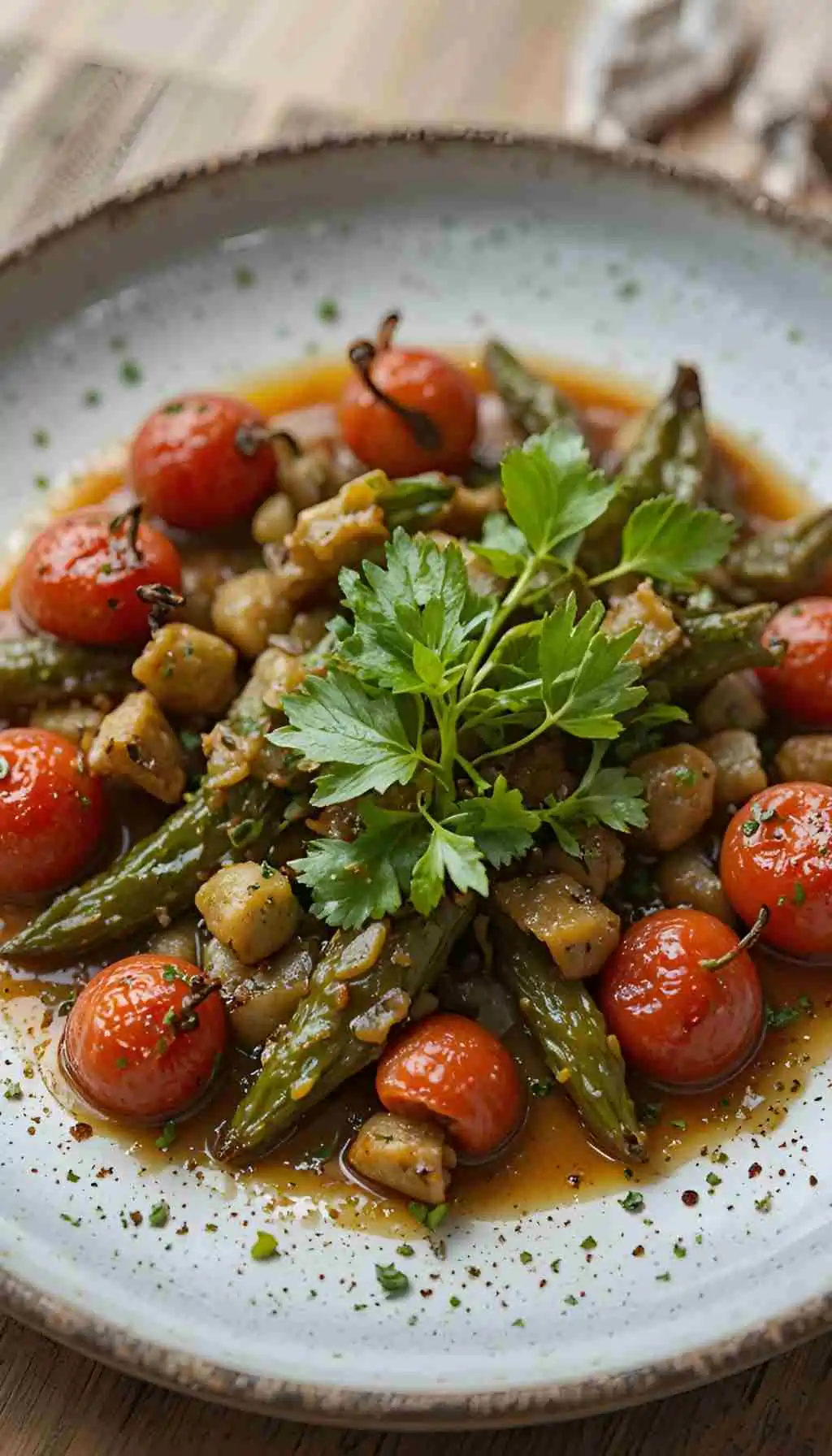
After a decade of “caramelised this” and “candied that,” diners are craving bitter complexity. Radicchio, endive, kale, dark chocolate in savoury sauces, even coffee rubs on steak. It’s the antidote to sugar fatigue.
The Science
Bitterness signals phytonutrients diners perceive it as “healthy” without feeling virtuous. It also cuts through richness: charred chicory balances a fatty pork chop better than any apple compote.
Whole Foods’ 2026 trends highlight chicory in prebiotic beverages, but the real action is on the plate.
The Irish Opportunity
You don’t need radicchio from Treviso. Irish growers are stepping up:
5 Irish Suppliers for Niche Vegetables (Bitter Greens & Beyond):
- Ballymaloe Cookery School Organic Farm (Shanagarry, Co. Cork)
What: Seasonal organic vegetables including chicory, kale, endive.
Why: 100-acre certified organic farm supplying their cookery school and Ballymaloe House. If it’s good enough for Darina Allen, it’s good enough for your gastropub.
Contact: ballymaloecookeryschool.ie
- Fat Tomato Edible Garden (Mallow, Co. Cork)
What: Over 500 varieties of organic heritage plants including radicchio, frisee, escarole.
Why: Specialises in colour, size, and flavour diversity perfect for Instagram-worthy salads.
Contact: fattomato.ie - Airfield Estate (Dundrum, Dublin)
What: Organic vegetables, including bitter greens and heritage varieties.
Why: Urban farm with educational focus great for local storytelling (“Our kale is grown 20 minutes from here”).
Contact: airfield.ie - McNally Family Farm (Charlestown, Co. Mayo)
What: Seasonal organic salads, kale, chicory.
Why: Sell online and at their farm shop accessible for smaller operators.
Contact: mcnallyfamilyfarm.ie - Organic Republic (Cork)
What: Certified organic fruit and vegetables, locally sourced.
Why: Cork-based, committed to seasonal Irish produce ideal for reducing food miles.
Contact: organicrepublic.ie
How to Execute It
Easy Wins:
-
- Charred radicchio with anchovy butter and toasted hazelnuts (4 ingredients, 8 minutes).
- Bitter leaf salad with pear, blue cheese, and honey-mustard dressing (the sweet/bitter balance sells itself).
- Kale crisps as a snack or garnish (literally bake kale with olive oil and salt your customers will pay €3.50 for “healthy chips”).
Next Level:
- Dark chocolate mole on duck breast.
- Espresso-rubbed ribeye with chicory salad.
- Endive boats filled with smoked mackerel pâté (elegant, easy, allergen-friendly).
The Acorn Star Angle:
Bitter greens require proper washing protocols (sandy chicory = customer complaints) and date labelling (leafy veg has a 3-5 day shelf-life max). Our HACCP Level 1 course teaches your team to handle high-risk produce safely, so you’re not throwing out €50 of radicchio every week because someone forgot to label the prep box.
Trend #3: “Vegetable Butchery” Treating Veg Like the Main Event
The Concept
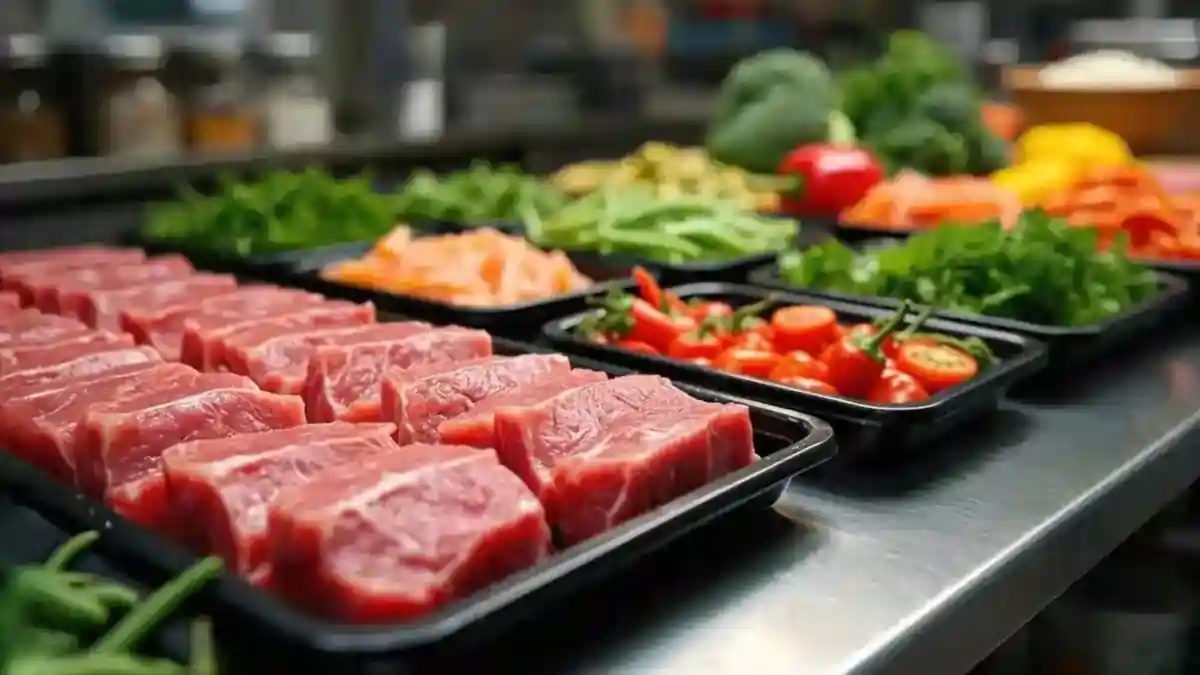
Stop relegating vegetables to “sides.” Carve them. Sear them. Serve them as the hero.
Think:
- Celeriac Steaks (sliced 1-inch thick, roasted with miso butter, carved tableside).
- Mushroom Shawarma (king oyster mushrooms marinated, spit-roasted, shaved into flatbreads).
- Cauliflower “Chops” (entire cauliflower half, grilled with za’atar, served bone-in).
It’s not vegetarian it’s vegetable-forward. Omnivores order it because it looks impressive and tastes umami-rich.
Why It’s Smart Business
- Lower food cost. A whole celeriac costs €2. A 250g ribeye costs €8.
- Instagram gold. People film vegetables being carved like steak.
- Reduces waste. You use the whole vegetable (celeriac trimmings = stock).
The Technique Gap
Here’s the catch: most chefs don’t know how to butcher vegetables because culinary school taught them to brunoise carrots, not treat them like proteins.
Skills Your Team Needs:
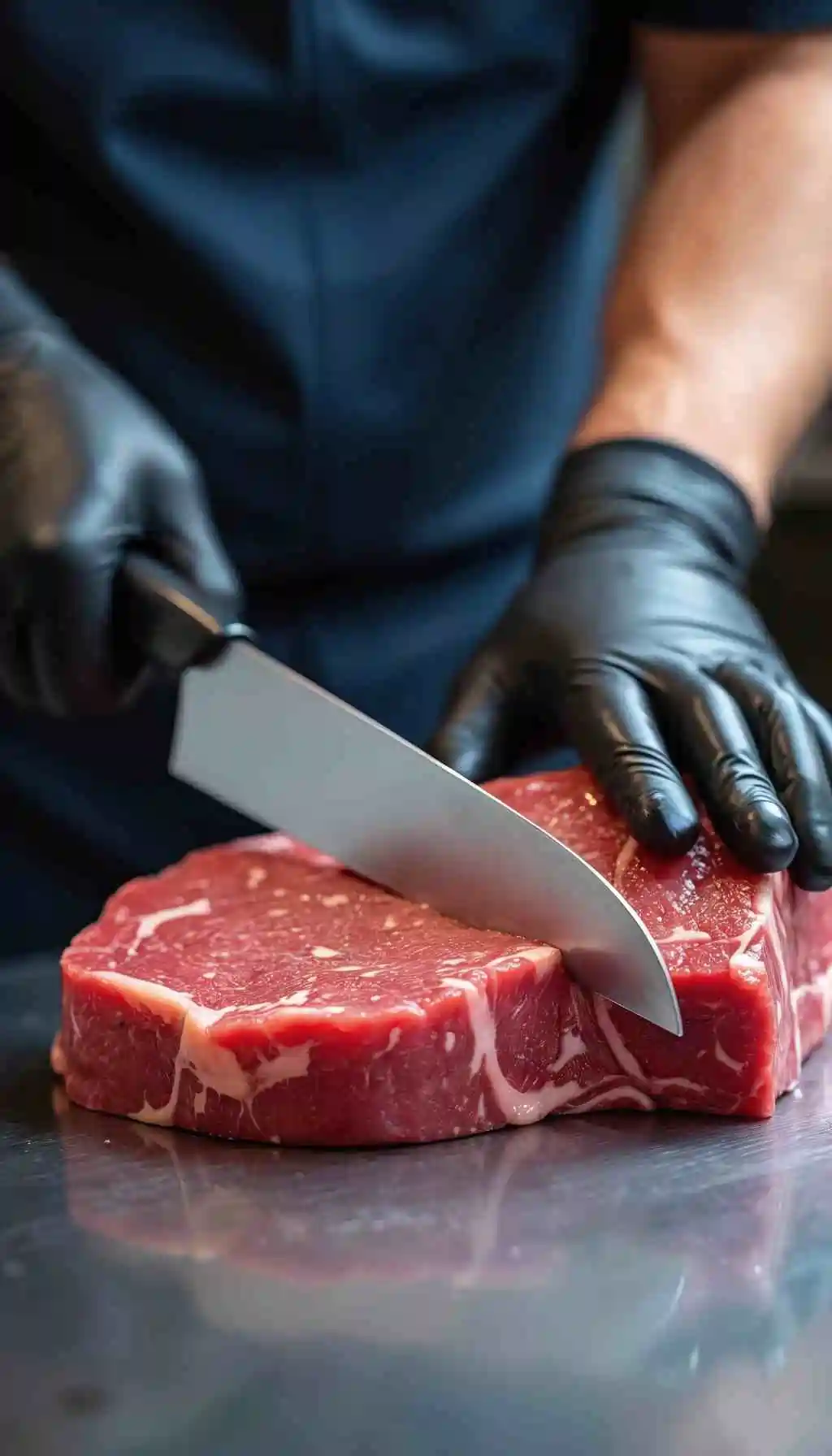
- Knife skills (to cut even 1-inch steaks from a round celeriac without a mandoline injury).
- Searing technique (vegetables need high heat + patienceflip them too early and they steam, not caramelise).
- Seasoning confidence (vegetables can take bold flavour miso, harissa, tahini, not just “salt and pepper”).
How to Execute It
Entry Point:
- Whole Roasted Cauliflower as a sharing dish (€12-€15, 85% margin).
- Portobello “Burgers” marinated in balsamic and grilled (already on your menu? Rebrand it as “Mushroom Butchery Burger”).
Next Level:
- King Oyster Mushroom “Scallops” (slice thick, score, sear in brown butter).
- Cabbage Wedge “Steaks” (roast until charred, serve with chimichurri).
The Acorn Star Angle:
Vegetable-forward cooking is food safety-intensive: cross-contamination (raw veg on the same board as raw chicken), temperature abuse (roasted veg left out too long), and allergen risks (tahini, miso, nuts). Our HACCP Level 2 course teaches your team to execute ambitious techniques without compliance disasters.
The Real Question Can Your Team Execute This?
Let’s be honest: Trends mean nothing if your staff can’t cook them safely and consistently.
The 2026 flavour trends require:
- Knife skills (for vegetable butchery).
- Temperature control (for honey glazes and high-heat searing).
- Allergen awareness (for chilli cross-contamination and tahini/nut sauces).
- Date labelling (for bitter greens with short shelf-lives).
- Portion control (so your hot honey drizzle doesn’t blow your food cost).
That’s not guesswork. That’s food safety management.
Training Pays for Itself
Scenario: You add a “Charred Radicchio with Hot Honey & Hazelnuts” to your menu (€8.50, 80% margin).
- Without training: Staff over-drizzle honey (€2 extra per plate), forget to label prepped radicchio (€30 waste), cross-contaminate the hazelnut station (allergen complaint).
- With training: Staff measure portions (€0.50 honey per plate), follow FIFO (zero waste), and execute allergen protocols (zero complaints).
Net result: You save €150-€200/week on one dish.
Training cost for 10 staff: €2,000-€3,000 one-time.
Payback period: 15 weeks.
Year 1 profit gain: €5,000-€7,000.
And that’s before you factor in the upsell revenue from actually executing trendy dishes that customers photograph and share.

The Acorn Star Solution: From Trend-Spotting to Execution
We don’t just teach HACCP we teach how to run a modern kitchen where food safety enables creativity, not blocks it.
Our Courses for 2026 Trends:
- HACCP Level 1 – Personal Hygiene & Cross-Contamination
For: All kitchen staff.
Why: Handling raw vegetables (soil contamination), allergen segregation (chilli, nuts, tahini). - HACCP Level 2 – Advanced Food Safety for Supervisors
For: Chefs de Partie, Sous Chefs.
Why: Temperature control for honey glazes, FIFO for bitter greens, safe vegetable butchery techniques. - HACCP Level 3 – Food Safety Management Systems
For: Head Chefs, Kitchen Managers.
Why: Developing new recipes with documented safety controls (e.g., validating shelf-life for house-made hot honey). - Allergen Awareness Training – Critical for 2026 Trends
For: All staff (kitchen + front-of-house).
Why: Hot honey = possible honey allergy. Tahini = sesame (now a top allergen). Hazelnut garnishes = tree nuts.
All courses are:
- ✅ Fully online, self-paced
- ✅ CPD-certified
- ✅ Designed for busy kitchens (complete in 2-4 hours)
Your 2026 Action Plan: 3 Steps to Trend-Proof Your Menu
Step 1: Add One “Swicy” Dish This Month (Low-Risk Win)
Example: “Hot Honey Drizzle” as a €1.50 add-on to any pizza, fried chicken, or roasted veg.
Why it works: Customers opt-in (zero food waste if they don’t order it). You control cost (pre-portioned squeezy bottles). Staff training is 30 seconds (“Drizzle in a zigzag, don’t flood it”).
Safety checkpoint: Label hot honey with allergen info (honey, chilli). Train staff on cross-contact (if someone’s allergic to honey, use a fresh glove after handling hot honey).
Step 2: Partner with One Irish Supplier (Build Your Story)
Example: Order radicchio from Fat Tomato or kale from McNally Family Farm.
Why it works: Customers pay more for “locally sourced” and “organic.” You reduce food miles. You get Instagram content (“Our bitter greens are grown 40km from here by a family farm in Mayo”).
Safety checkpoint: Train staff on proper washing (sandy leaves = complaints), FIFO (bitter greens = 3-5 day shelf-life), and date labelling (EHOs check this).
Step 3: Train Your Team in Q1 2026 (Before Easter Rush)
Example: Enrol 10 staff in HACCP Level 1 + Allergen Awareness.
Why it works: Q1 is your quietest season. Training in January-February means your team is certified before the Easter rush when you’re testing new menu items.
ROI checkpoint: If training prevents one allergen incident (avg. cost: €5,000-€15,000 in legal fees, lost reputation, and closure orders), it’s paid for itself 5x over.
The Bottom Line: Trends Don't Wait—But Compliance Isn't Optional
The 2026 flavour trends are clear: Swicy, Bitter, and Vegetable-Forward are dominating TikTok, Michelin menus, and Domino’s Ireland alike.
But here’s the uncomfortable truth: You can’t execute adventurous flavours without disciplined food safety. Hot honey burns. Bitter greens spoil. Vegetable butchery requires knife skills and allergen controls.
The kitchens that win in 2026 won’t be the ones with the fanciest suppliers they’ll be the ones with trained staff who can execute consistently and safely.
That’s where Acorn Star comes in.
We’ve trained thousands of Irish hospitality staff to balance creativity with compliance. Our courses don’t just teach you to pass an EHO inspection they teach you to build systems that make trendy, profitable food possible.
Ready to make 2026 your best year yet?
👉 Explore our training courses: www.acornstar.com
👉 Questions? Email us or call we’re here to help Irish kitchens succeed.
Because the only thing worse than missing a trend is executing it unsafely.
Keywords: 2026 food trends Ireland, swicy trend, hot honey pizza, bitter greens restaurants, vegetable butchery, Irish vegetable suppliers, radicchio Ireland, chicory suppliers, HACCP training Ireland, allergen awareness, food safety trends 2026, Irish gastropub menu, organic vegetables Ireland, Ballymaloe suppliers, Airfield Estate, Fat Tomato, McNally Family Farm, restaurant trends 2026, TikTok food trends Ireland
You’re still on your break. You have 5 minutes. Do this before you go back to service:
Right now (on your phone):
- Check your last pest control report – read it properly
- Check your training records – who hasn’t done food safety training?
- Make a note of every gap, hole, or broken seal you know about
- Check when door seals were last replaced
Tomorrow: 5. Walk to Goods Inwards and actually look at it with fresh eyes 6. Take photos of problem areas 7. Ask your porter/delivery staff what issues they see daily
This week: 8. Book door seal repairs if needed 9. Implement immediate cardboard breakdown rule 10. Brief all staff on door discipline 11. Contact your pest control company if gaps were mentioned in reports
This month: 12. Get basic food safety training for porters and delivery staff 13. Add pest checks to opening/closing procedures 14. Fix all ingress points identified in last pest control report