
Pest Control Food Safety in Ireland: Why Most Closures Start at the Back Door
Why Food Safety Failures Happen in Ireland
Restaurant Pest Control in Ireland, What the FSAI Actually Expects
Pest control food safety in Ireland is one of the fastest routes to a closure order if you get it wrong. For restaurants, FSAI compliance isn’t optional, and restaurant pest control in Ireland has to meet clear standards. That means proper monitoring, sealed premises, written contractor records, and staff who know what they’re doing.
Get any of those wrong and you’re at risk. Poor pest control is now one of the most common reasons restaurants in Ireland fail food safety inspections and end up shut down sometimes overnight.
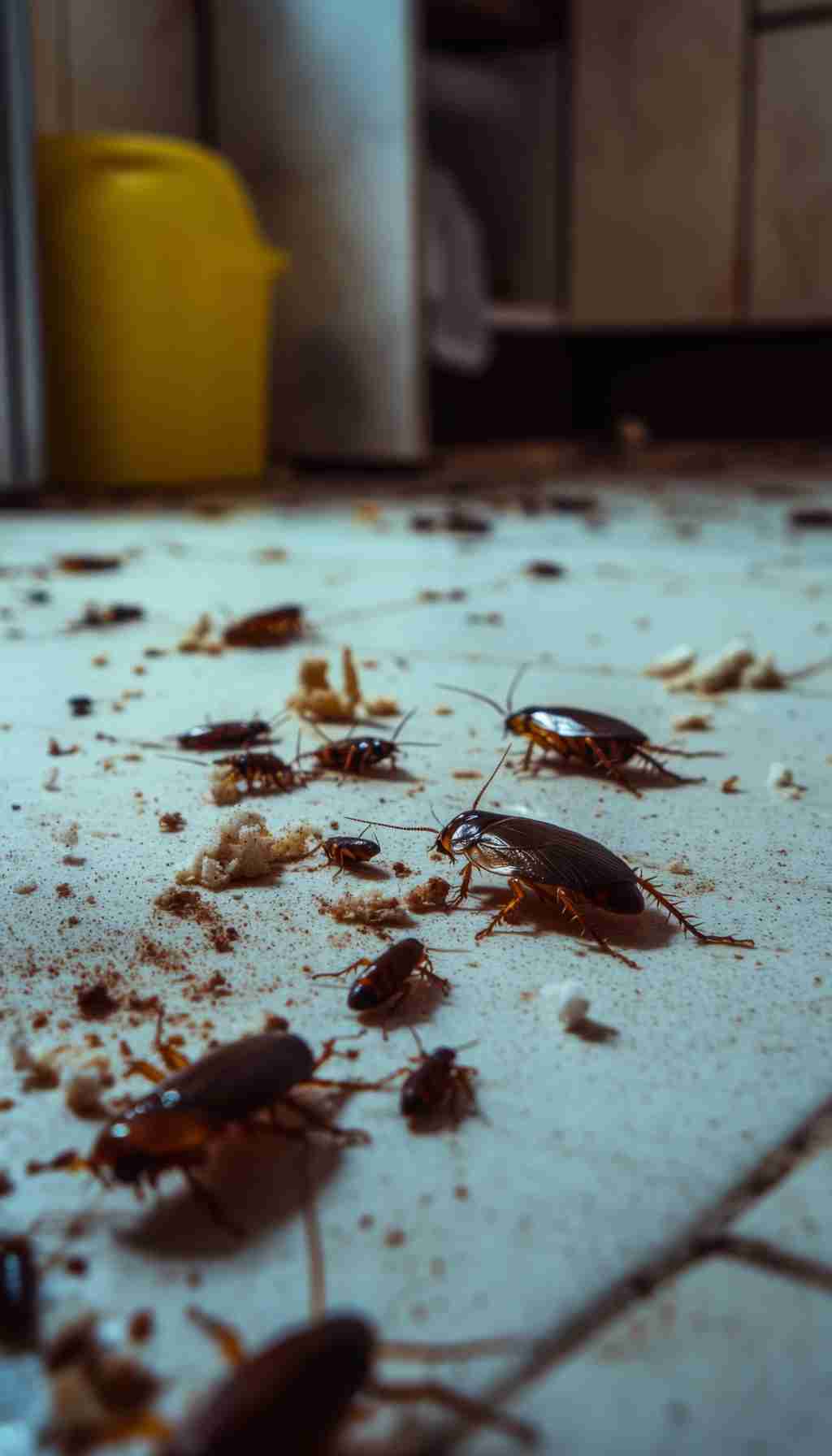
If you’re scrolling through FSAI closure notices on your phone right now, you’ve probably noticed a pattern. Decomposed rat carcasses. Live cockroaches. Fresh droppings in food storage areas. The same issues, week after week.
And almost every one of them starts in the same place: the back door.
Rats Don’t Teleport. They Walk In.
The FSAI served 133 enforcement orders in 2024 a 45% increase from 2023.
Top reasons for closure:
- Inadequate pest control measures
- Fresh rat droppings throughout premises
- Live cockroach infestations
- Evidence of ongoing rodent activity
- Decomposed rat carcasses
Not one of these businesses woke up with rats. They let them in. Day after day. Through doors, gaps, and holes nobody was watching.
The Goods Inwards Problem
Walk to your back door right now. Look at the area where deliveries come in.
Be honest with yourself. What do you actually see?
In most kitchens, Goods Inwards looks something like this: the back door wedged open with a milk crate, a tower of cardboard waiting for the bin lorry, a few staff members on a smoke break, drains without proper covers, and external bins overflowing because nobody emptied them last night.
It’s the messiest part of the building. It’s also the single biggest entry point for pests.

Dublin’s December Wake-Up Call
The closure notices from December 2024 painted a brutal picture across Ireland. [Editor’s note: please confirm the specific cases below match the FSAI’s published closure list before publishing.]
At one premises in Cork, inspectors recorded rodent droppings, an accumulation of food debris, and inadequate pest control measures. In several Dublin premises, EHOs found live cockroaches on walls and equipment, fresh rat droppings in food storage areas, a decomposed rat carcass, and no effective pest proofing.
The pattern is the same every time. Each business had ingress points gaps, holes, open doors that pests used as a motorway straight into food prep areas.
“Ingress Points”: The Term You Need to Know
Environmental Health Officers use this phrase constantly in their reports, so it’s worth understanding it properly.
An ingress point is any gap, hole, or opening that lets pests get in. They fall into two groups.
External ingress points include gaps under doors, broken air vents, cracks in exterior walls, gaps around pipe entries, damaged roof edges, open windows without fly screens, and delivery bay doors left wide open.
Internal ingress points include holes in walls (especially around plumbing), gaps around electrical conduits, damaged ceiling tiles, broken floor tiles, unsealed drains, and gaps behind heavy equipment that nobody ever moves.
A Dublin pizzeria was shut down some years ago after inspectors found rodent ingress points and gaps and holes in internal walls throughout the premises. [Editor’s note: please confirm the specific case and date if including this example.] The gaps were preventable. The closure was avoidable. The reputation damage was permanent.
The €1 Coin Test
Want a quick way to check if your back door seal is doing its job?
Close your back door and try to slide a €1 coin under the frame.
If it goes through, you’ve got a rodent motorway. If it doesn’t, check again in six months door seals degrade with use, weather, and the occasional accidental kick from a delivery driver.
For context: rats can squeeze through a gap of about 20mm (roughly the width of your thumb), and mice can get through a 6mm gap (about the thickness of a pencil). If you can see daylight under your back door, pests can walk in.
Why That Back Door Always Ends Up Open
You know it’s wrong. Your team knows it’s wrong. And yet every single day, that back door ends up propped open.
The excuses are always the same. It’s too hot in the kitchen. The porter needs fresh air on his break. We’re waiting for a delivery. The extractor isn’t working properly. We’re only breaking down cardboard we’re watching it.

Environmental Health Officers have heard every version. They’re not interested in why the door was open. They’re interested in whether droppings are present.
Here’s what’s actually happening while that door is open:
- Thirty seconds is enough for a mouse to slip inside
- Rats are most active at dusk, which is exactly when evening service starts
- Pests follow food smells, and a working kitchen is a beacon
- Once they’re in, they hide and breed quickly
- By the time you spot one in the dining room, you’ve already got dozens behind the equipment

Cardboard, The Free Hotel for Pests
Want to know if your door seal is adequate?
Try this:
Close your back door. Slide a £1 coin (or €1 coin) under the door frame.
If it goes through: You have a rodent motorway.
If it doesn’t: Check again in 6 months – seals degrade.
Rats need a gap of just 15mm (about the width of your thumb). Mice need only 6mm (roughly the thickness of a pencil).
If light is visible under your door, pests can get through.
The Porter’s Training Gap
Here’s the awkward bit. Who actually manages your Goods Inwards area?
Most of the time it’s porters, delivery staff, and junior kitchen hands the people with the least food safety training in the building. They don’t understand why the door has to stay closed. They don’t know what to look for in a delivery. They don’t realise cardboard needs flattening straight away.
That’s a training problem, not a personnel problem.
The FSAI has flagged inadequate staff training as a contributing factor in the recent rise in enforcement orders. Your pest control technician shows up once a month. Your staff are there every shift, every day. That’s where pest prevention is actually won or lost.

What Your Team Actually Needs to Know
Porters, delivery staff, and kitchen porters need specific, practical training. It doesn’t have to take a full day, but it does need to be mandatory.
Daily door discipline: Keep the back door closed unless a delivery is being actively unloaded. Check the door seal weekly. Report any gaps or damage straight away. Never prop the door open, even for “a minute.”
Delivery inspection: Check deliveries outside, before bringing them in. Look for droppings, gnaw marks, or dead insects. Reject anything that shows pest signs. Break down cardboard immediately.
Storage protocols: Nothing stored directly on the floor keep at least 15cm clearance. All food sealed at end of shift. Bins emptied daily, lids closed at all times. No food debris left out overnight. Cleaning schedules followed properly, not skipped at the end of a long shift.
Reporting systems: Staff need to know exactly what to do if they spot a rodent or insect report immediately, don’t “deal with it later.” They need to know who to tell about gaps or damage, and how to log a sighting.
Beyond the Back Door: Other Critical Points
Goods Inwards is the main offender, but pests will exploit any weakness you give them. Don’t ignore the other risk areas.
Waste areas are a magnet bins with damaged lids, bin stores with gaps in walls or roofs, overfilled bins, or bins parked too close to the building.
Drainage is often forgotten drains without covers, damaged covers, food debris in the trap (a perfect breeding ground), and standing water nearby.
External areas matter too vegetation growing right up against the building, holes in external walls, gaps where utilities enter, and damaged air bricks.
Staff areas get overlooked entirely food left in lockers, rubbish in staff toilets, open windows without fly screens. Pests don’t care that they’ve left the customer area; they care about the food.
Working With Your Pest Control Company
You need a professional pest control contractor. But you need to be realistic about what they actually do.
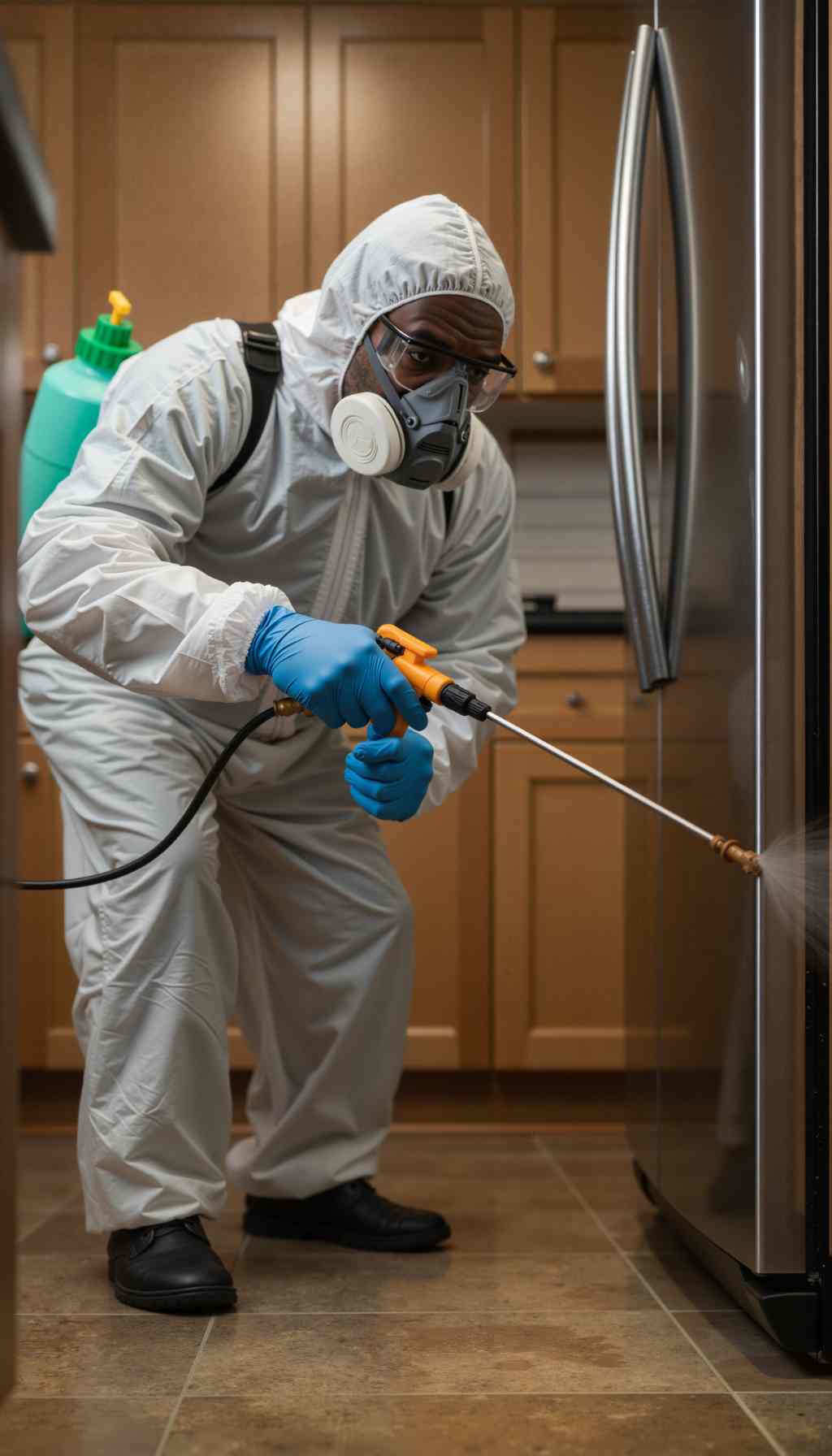
A good contractor handles monthly inspections, checks and refills bait stations, monitors insect activity, treats infestations when they happen, and provides written reports for your compliance file.
What they can’t do is watch your back door 24/7, break down your cardboard for you, train your staff in daily routines, fix structural gaps in your building, or enforce door discipline. That’s all on you.
Professional pest control works alongside good staff discipline. It doesn’t replace it.
Here’s the red flag to watch for: if your pest control reports keep mentioning the same ingress points month after month, and nothing’s being fixed, you’re not managing pest risk. You’re just paying someone to document it for the inspector who eventually arrives.
What a Closure Actually Costs
Most managers underestimate this until it happens to them.
Direct costs of a closure typically include lost revenue of roughly €1,000 to €5,000 a day at a minimum, staff wages during the shutdown, emergency pest treatment that can run into thousands, deep cleaning and remediation, and structural repairs.

Indirect costs are often worse. FSAI enforcement creates legal costs. Your closure becomes public record on the FSAI website. Customer confidence drops fast, and social media spreads the news faster. Insurance premiums climb. Recruitment gets harder when the closure shows up in a Google search of your business name.
Prevention costs, on the other hand, are modest. Replacing a back door seal might be a couple of hundred euro. Staff training costs a small fraction of one day’s lost revenue. Monthly professional pest control runs in the low hundreds. Fly screens for windows are inexpensive.
Prevention is always cheaper. Every single time.

Why Managers Don’t Fix It
You’re reading this on your phone during a break. You already know the back door is an issue. You already know the cardboard piles up.
So why hasn’t anything changed?
The honest answers are familiar. We’re too busy right now. It’s been like this for years and we’ve been fine. The owner won’t sign off on the repairs. Staff won’t follow door discipline anyway. We’ll sort it out in the quiet season.
Here’s the problem with that thinking: FSAI inspections don’t wait for the quiet season. Environmental Health Officers turn up unannounced. They see what they see. If droppings are present, you’re getting a closure order and your reasons for not getting around to it won’t appear anywhere in the report.
The “One Sighting” Trap
Some managers convince themselves that one sighting is nothing serious. “We saw a mouse last month, but nothing since, so it must have gone.”
That’s not how rodents work.
Mice are territorial, so seeing one usually means there are ten or more you haven’t spotted. Rats are nocturnal, and you only ever see a tiny fraction of the population. Mice can produce six to ten litters a year, with five or six pups in each. By the time you’re seeing signs regularly, you’ve already got an infestation
One sighting isn’t a fluke. It’s an early warning. Treat it as one.
The Insurance Angle
Here’s something most managers never think about until it’s too late.
If the FSAI closes you and you try to claim on business interruption insurance, the insurer is going to ask one question: were you following your pest control company’s recommendations?
If your monthly reports have been flagging the same ingress points for six months and nothing was done, your claim is at risk. Insurance covers accidents and unforeseen events. It doesn’t cover wilful negligence and an unfixed gap mentioned in writing every month for half a year is going to look a lot like negligence in court.
The Insurance Angle
Pest control isn’t just a chef’s responsibility. Everyone in the building needs baseline food safety knowledge chefs and cooks, obviously, but also porters, cleaners, delivery staff, and front-of-house teams. Pests don’t stay in the kitchen.
The FSAI has been clear that inadequate training is a major factor behind the rising closure numbers. Good pest control training should cover why it matters (health risks, business risks, legal duties under food law), how pests get in (ingress points), what daily staff routines look like (door discipline, cardboard, cleaning), what to do when pests are seen, and how the partnership with a professional contractor actually works.
It doesn’t need to be a full-day course. It needs to be practical, relevant, and required for everyone no exceptions.

The Competitive Edge Nobody Talks About
While your competitors are ignoring all of this, you can quietly get ahead.
Businesses that take pest management seriously avoid surprise closures, get better FSAI inspection outcomes, hold higher hygiene ratings, retain staff more easily, and build genuine customer trust. Insurance premiums tend to be lower. Recruitment is easier when you can honestly say you’ve never been closed.
It’s not glamorous. It’s not the kind of thing that ends up on Instagram. But it’s the difference between staying open and watching your business name appear on next month’s closure list.
Strengthen Your Food Safety Knowledge
You’re still on your break. You’ve got five minutes. Here’s what to do before you go back to service.
Right now, on your phone: read your last pest control report properly, check who on the team hasn’t completed food safety training, make a note of every gap or broken seal you already know about, and check when door seals were last replaced.
Tomorrow: walk to Goods Inwards and look at it with fresh eyes. Take photos of the problem areas. Ask your porters and delivery staff what they see going wrong day to day.
This week: book any door seal repairs that are needed, bring in an immediate cardboard breakdown rule, brief every member of staff on door discipline, and contact your pest control company about any gaps they’ve already flagged.
This month: get proper food safety training organised for porters and delivery staff, add pest checks to your opening and closing procedures, and fix every ingress point listed in your last pest control report.
The back door is where most closures start. It’s also where most of them can be prevented. The choice is whether you sort it out this week — or read about your own business in the next round of FSAI closure notices.