
National Safety Boost Irish Government Launches New Emergency System
What You Really Need to Know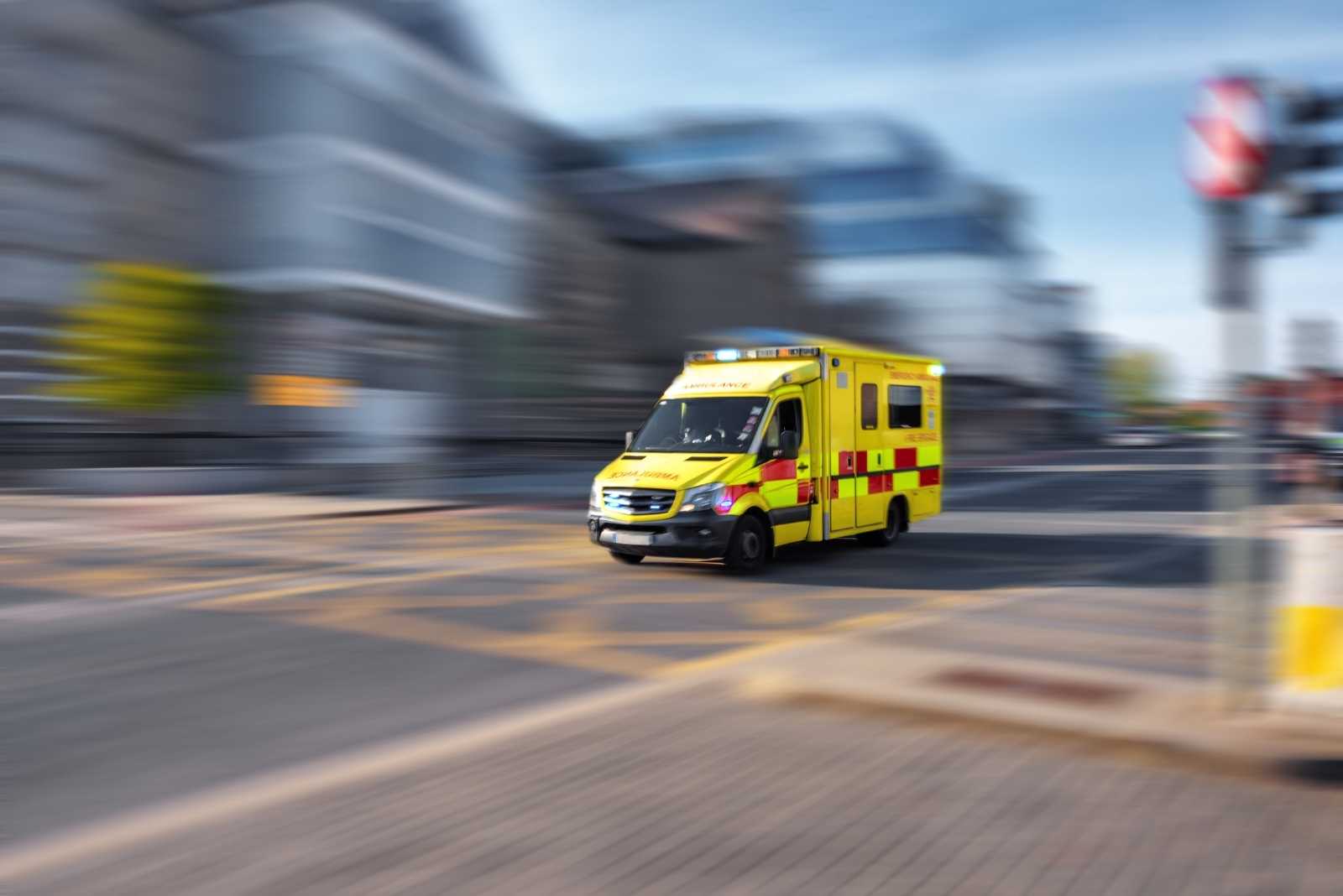
Enhancing Emergency Services Response Across Ireland
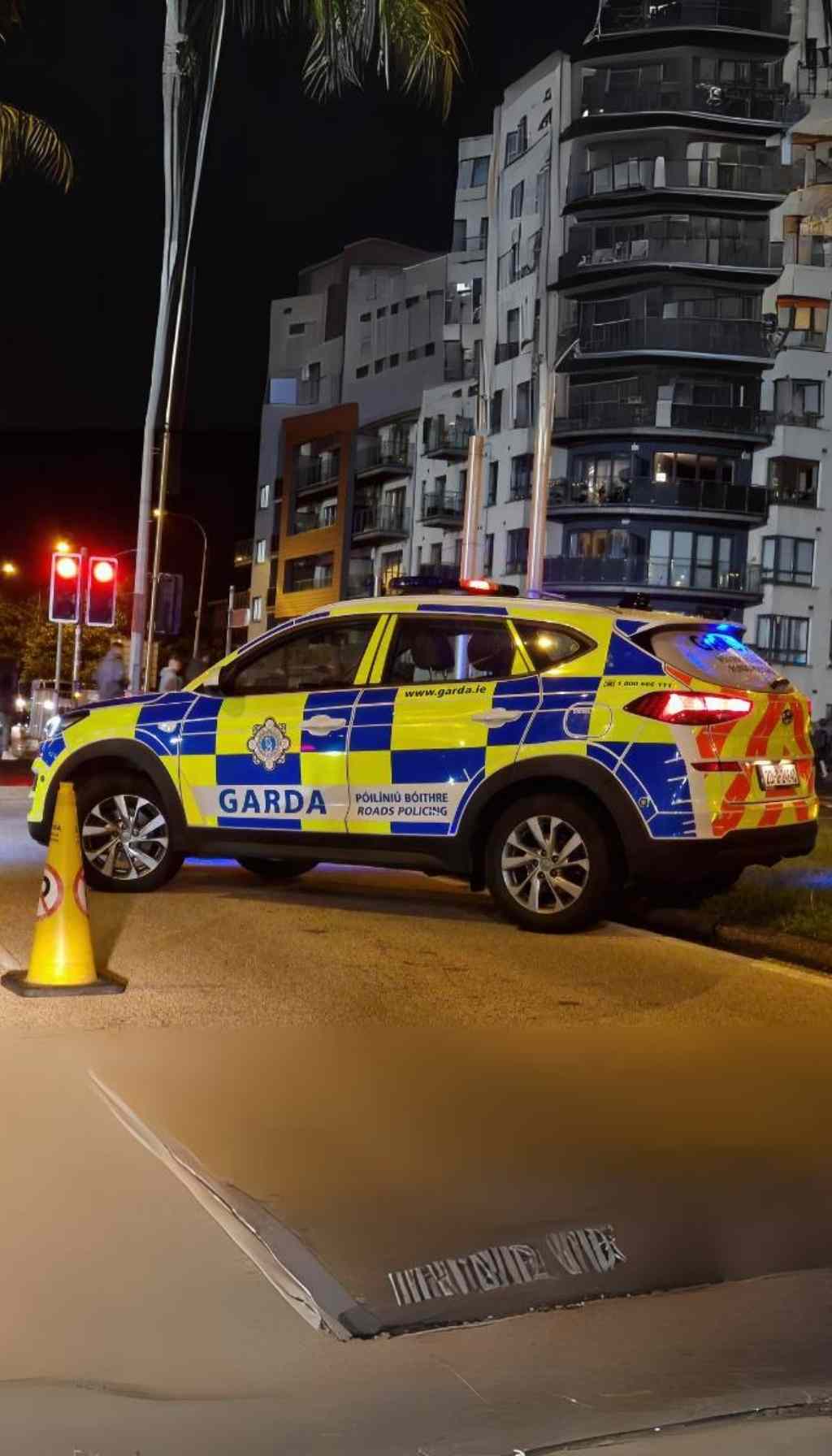
In a major step forward for national safety, the Irish Government has announced the launch of a new, state-of-the-art emergency communications system designed to eliminate connectivity “black spots” in rural and remote areas. Welcomed by Minister of State Jack Chambers, this hybrid network ensures that our emergency services the Gardaí, Fire, and Ambulance services can communicate reliably, no matter where they are in the country.
While this system is a vital upgrade for our first responders, its launch sends a powerful and urgent message to every business in Ireland: if the State needs this technology to guarantee communication, what are you doing to protect your own employees when they work in these same remote areas?
The existence of these “black spots” is a critical risk that many businesses have not adequately addressed. This announcement is the perfect catalyst to review your procedures for lone workers, emergency response, and your overall legal ‘duty of care’.
What is This New System and Why is it Needed?
The new network, as detailed in the Government’s official press release, is a hybrid system. It combines the existing secure TETRA network used by our emergency services with satellite technology. In simple terms, when the land-based radio signal is unavailable in a remote valley or on a rugged coastline, the system automatically switches to a satellite link, ensuring constant connectivity.
The fact that this multi-million euro investment was necessary is a clear admission that standard mobile phone coverage is not, and cannot be, relied upon for critical communications across 100% of the country. For any business with employees working alone in these areas, this is a risk you can no longer afford to ignore.
The Real Risk Your Lone Workers are Exposed
The Health and Safety Authority (HSA) defines a lone worker as someone who works by themselves without close or direct supervision. In Ireland, this covers a huge range of roles, many of which are based in the very rural areas this new network is designed to cover:
- Agriculture and Forestry workers
- Environmental consultants and surveyors
- Utility and maintenance engineers
- Construction site managers conducting initial surveys
- Sales representatives travelling rural routes
Under the Safety, Health and Welfare at Work Act 2005, your ‘duty of care’ to these employees is exactly the same as if they were in your office. This includes ensuring they have a reliable means of communication and a clear procedure to follow in an emergency.
Relying solely on a standard mobile phone is a demonstrable failure in this duty. If a lone worker has an accident or a medical emergency in an area with no signal, the consequences can be tragic.
Rethinking Your Emergency Response Plan
This government announcement should trigger an immediate review of your own emergency preparedness. Ask yourself these critical questions:
- What is our procedure if we cannot contact a lone worker?
- What communication devices do we provide to staff entering areas with known poor mobile coverage?
- Does our emergency plan rely solely on an employee’s ability to make a phone call?
- How quickly can we pinpoint an employee’s exact location in an emergency?

Essential Components of a Modern Lone Worker System:
A “hope for the best” approach is not a safety strategy. A robust system for protecting lone workers must include:
- A Formal Risk Assessment: You must formally identify the risks of working alone, including the risk of communication failure.
- Reliable Communication Devices: For workers in remote areas, this means investing in technology that works independently of the mobile phone network, such as satellite phones or Personal Locator Beacons (PLBs).
- A Formal Check-In System: A procedure where the lone worker is required to check in at regular, pre-agreed intervals. A missed check-in must automatically trigger a pre-defined emergency escalation process.
- Robust Training: Employees must be fully trained on how to use the equipment and what to do in an emergency situation.
The ISO 45001 Framework: A System for Managing Every Risk
This is a perfect example of where a formal Occupational Health and Safety Management System like ISO 45001 demonstrates its true value. Rather than having a standalone “lone worker policy,” these risks are integrated into a comprehensive, organisation-wide safety culture.
The ‘Plan-Do-Check-Act’ cycle of ISO 45001 ensures you are prepared:
- Plan: The system requires you to identify all risks, including communication failures for remote workers, and establish clear objectives to control them.
- Do: You implement the necessary controls, such as providing satellite phones and a formal check-in procedure.
- Check: You regularly monitor the system’s effectiveness. Are devices being tested? Are check-in logs being completed correctly?
- Act: You learn from drills, audits, and near-misses to continually improve your process, ensuring it remains robust and effective.
Implementing this standard, certified in Ireland by the NSAI, is the most effective way to ensure that no risk, no matter how remote, is left to chance.
Don’t Wait for an Emergency to Test Your System
The government’s investment in this new emergency network is a clear signal that reliable communication is a matter of life and death. As a business, you have a legal and moral obligation to provide the same level of security to your own people.
If this news has highlighted potential gaps in your lone worker or emergency response procedures. Contact the expert team at Acornstar for a comprehensive review and to explore how a structured safety management system, lone working risk assessments and lone working can provide peace of mind.

Online HACCP Training Ireland, Get Certified Anywhere
Online HACCP Training, Get Certified From Anywhere in Ireland Benefits of Online HACCP Training for Food Businesses in Ireland Why Online HACCP Training Is the Most Flexible Option for Food Businesses Online HACCP training allows food businesses across Ireland to...

Dark Kitchens Ireland,HACCP Compliance for 2026
Dark Kitchens Ireland, Meeting HACCP Compliance Standards for 2026 Dark kitchens Ireland must update HACCP systems for 2026. Learn how to manage delivery food safety risks. Why Dark Kitchens Present Unique HACCP Risks Dark kitchens Ireland operators are facing...

Food Safety and Brand Reputation in Ireland
Backing Your Brand Reputation: Why Food Safety is a PR Emergency Waiting to Happen For Irish food businesses, a single safety lapse isn't just an injury it's a reputation crisis that can close your doors permanently. The Headline You Never Want to See In Ireland’s...
HACCP Level 2 Course Online Ireland
HACCP Level 2 Course Online Ireland, Get Certified Today Managing HACCP Training for Your Team Why Choose an Online HACCP Level 2 Course in Ireland? If you need to complete your HACCP Level 2 course online in Ireland, our fully accredited training makes it fast,...

HACCP Level 2 Training & Certificate Ireland
HACCP Level 2 Training in Ireland, What It Covers and Why You Need It Online HACCP Level 2 Training vs Classroom Courses What Is HACCP Level 2 Training? If you work in the food industry, completing HACCP Level 2 training in Ireland is not optional it is a legal...
Emerging HACCP Hazards Ireland, 2026 Update Guide
Emerging HACCP Hazards Ireland, 3 Critical Risks for 2026 HACCP plan update 2026 Ireland explained. Address emerging food safety hazards before inspections. Why Irish HACCP Plans Must Evolve in 2026 Emerging HACCP hazards Ireland businesses face in 2026 extend beyond...

Food Safety Culture Ireland,What EHOs Now Expect
Food Safety Culture Ireland, Evidencing Compliance for FSAI and EHO Inspections Why Food Safety Culture Is Now Central to Irish Inspections Why Food Safety Culture Is Now Central to Irish Inspections Food safety culture Ireland is no longer a theoretical concept it is...

HACCP Management Portal Ireland, Automate Tracking
HACCP Management Portal Ireland, Automating Training and Compliance HACCP Management Portal Ireland: Automating Training and Compliance Why Manual HACCP Training Tracking Creates Compliance Risk HACCP management portal Ireland solutions are no longer optional for...

HACCP Levels Ireland, Level 1, 2 or 3 Explained
HACCP Levels Ireland, Choosing Between Level 1, 2 and 3 HACCP Level 1, 2 or 3 Ireland explained. Choose the correct certification for your team. What Do HACCP Levels Mean for Irish Food Businesses? HACCP levels in Ireland are designed to match food safety knowledge to...

Food Safety in Healthcare, HACCP Compliance in Ireland
Food Safety in Healthcare, Why HACCP Compliance Is Critical in Irish Care Settings Healthcare food safety carries higher risk. Learn how HACCP compliance protects patients in Irish care settings. Why Food Safety Risks Are Higher in Healthcare Settings Food safety in...