
We Have Your Back: The Science of Injury Prevention
Protecting Your Workforce Through Evidence-Based Manual Handling Training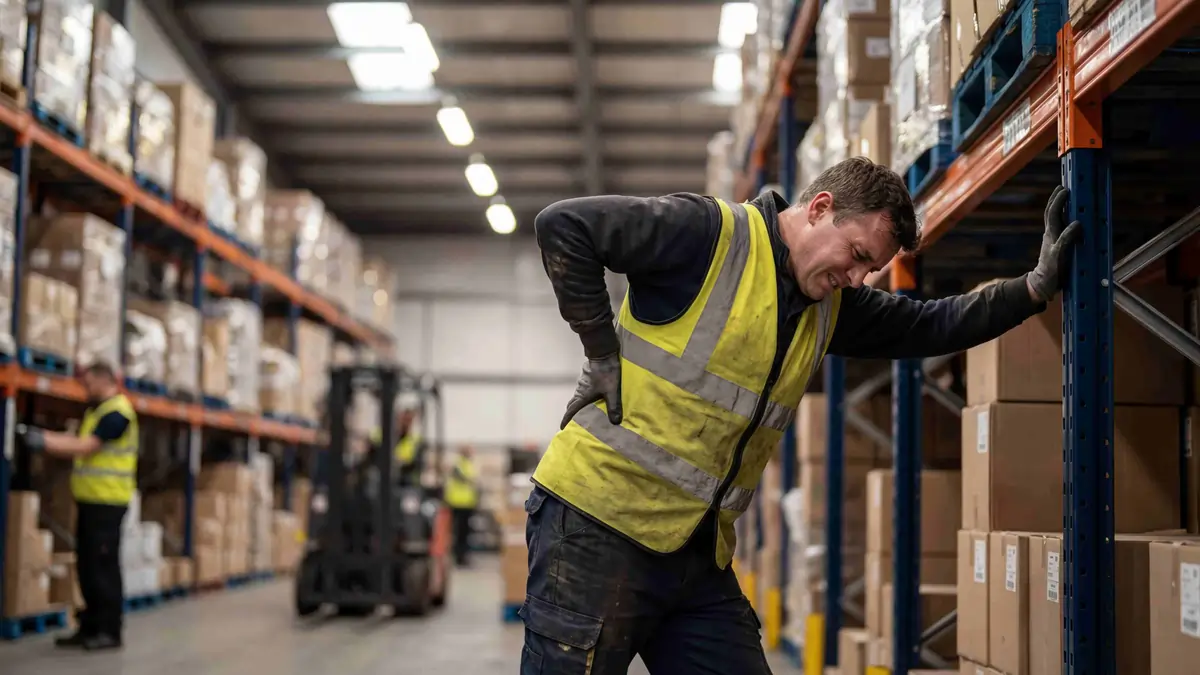
Introduction: The Hidden Epidemic Affecting Irish Workplaces
Every day across Ireland, thousands of workers lift, carry, push and pull loads as part of their routine work activities. For many, these seemingly ordinary tasks are silently damaging their spines one micro-injury at a time. The statistics are sobering: back injuries account for 24% of all workplace injuries reported to the Health and Safety Authority, with manual handling consistently triggering approximately 33% of all non-fatal workplace incidents in Ireland.
But here’s what makes this crisis particularly insidious: most back injuries don’t happen in a single dramatic moment. They accumulate over weeks, months and years of poor technique, inadequate training and repeated exposure to biomechanical stress. By the time an employee reports chronic back pain or is unable to work, the damage has already been done and the cost to both employer and employee is substantial.
At Acornstar, we take the phrase “we have your back” literally. Our evidence-based manual handling training programmes are designed around a single mission: protecting your employees’ physical health so they can keep working productively, safely and pain-free.
The Anatomy of a Back Injury: Understanding the Science
Your Spine Wasn’t Built for Modern Work
The human spine is an engineering marvel 33 vertebrae stacked vertically, cushioned by intervertebral discs and supported by an intricate network of muscles, tendons and ligaments. When functioning correctly, this complex structure allows us to bend, twist, lift and carry with remarkable efficiency.
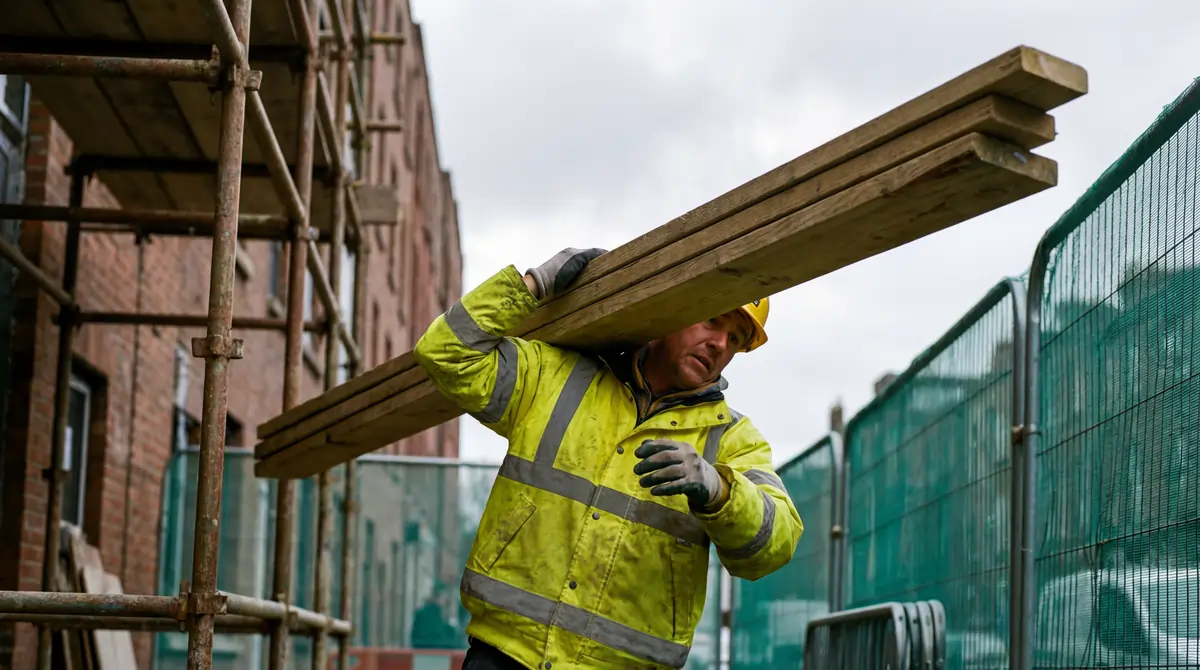
However, evolution designed our spines for hunter-gatherer activities, not for the repetitive, sustained stresses of modern workplace tasks. When we repeatedly lift heavy loads, adopt awkward postures or maintain static positions for extended periods, we expose our spines to forces they weren’t designed to withstand long-term.
The Biomechanics of Injury
Recent HSA analysis reveals that 63% of manual handling incidents involve “lifting heavy or awkward loads”, while 23% occur when handling a falling patient or unstable object. Understanding why these activities cause injury requires examining the biomechanical forces at work:
Compressive Loading: When you lift a 20kg load with poor technique bending from the waist rather than the knees the compressive force on your lower lumbar discs can exceed 340kg (3,400 Newtons). Over time, this repeated compression causes the gel-like nucleus inside your intervertebral discs to bulge, herniate or rupture.

Shear Forces: Twisting while lifting creates dangerous shear forces that slide vertebrae against each other. A study published in the Journal of Biomechanics found that combined lifting and twisting movements increase spinal injury risk by up to 400%.
Sustained Awkward Postures: Bending forward at just 20 degrees from vertical doubles the load on your lumbar spine. Holding this position common in tasks like bed-making, stockpot handling or assembly work creates sustained muscular fatigue and disc stress.
The Micro-Injury Crisis: Death by a Thousand Lifts
Understanding Cumulative Trauma Disorders
While dramatic “one-lift injuries” make headlines, the reality is that most workplace back injuries are cumulative trauma disorders—the result of repeated micro-injuries that gradually degrade spinal structures over time.
Medical literature identifies three stages of cumulative spinal damage:
Stage 1: Micro-Tears and Inflammation (First few months)
Repetitive strain causes microscopic tears in muscle fibres, tendons and disc annulus (the tough outer layer of spinal discs). The body attempts to repair this damage overnight, but if the same stresses are repeated daily, repair can’t keep pace with damage. Workers may experience occasional stiffness or mild discomfort.
Stage 2: Structural Changes (6-18 months)
Chronic inflammation leads to tissue remodelling. Muscles lose elasticity, tendons develop scar tissue, and disc hydration decreases. Workers now experience regular pain, reduced flexibility and increased injury risk. At this stage, many employees self-medicate with over-the-counter painkillers and simply “push through.”
Stage 3: Permanent Damage (18+ months)
Disc degeneration, herniation or nerve compression becomes chronic. Workers may develop sciatica, loss of sensation or motor control issues. Many can no longer perform their jobs. Compensation claims at this stage in Ireland range from €50,000 to over €150,000 for severe spinal injuries with permanent disability.
The Irish Context: Non-Fatal But Life-Changing
HSA data for 2023-2024 recorded 3,474 manual handling incidents—representing 33% of all non-fatal workplace injuries. The most commonly injured body part? The back.
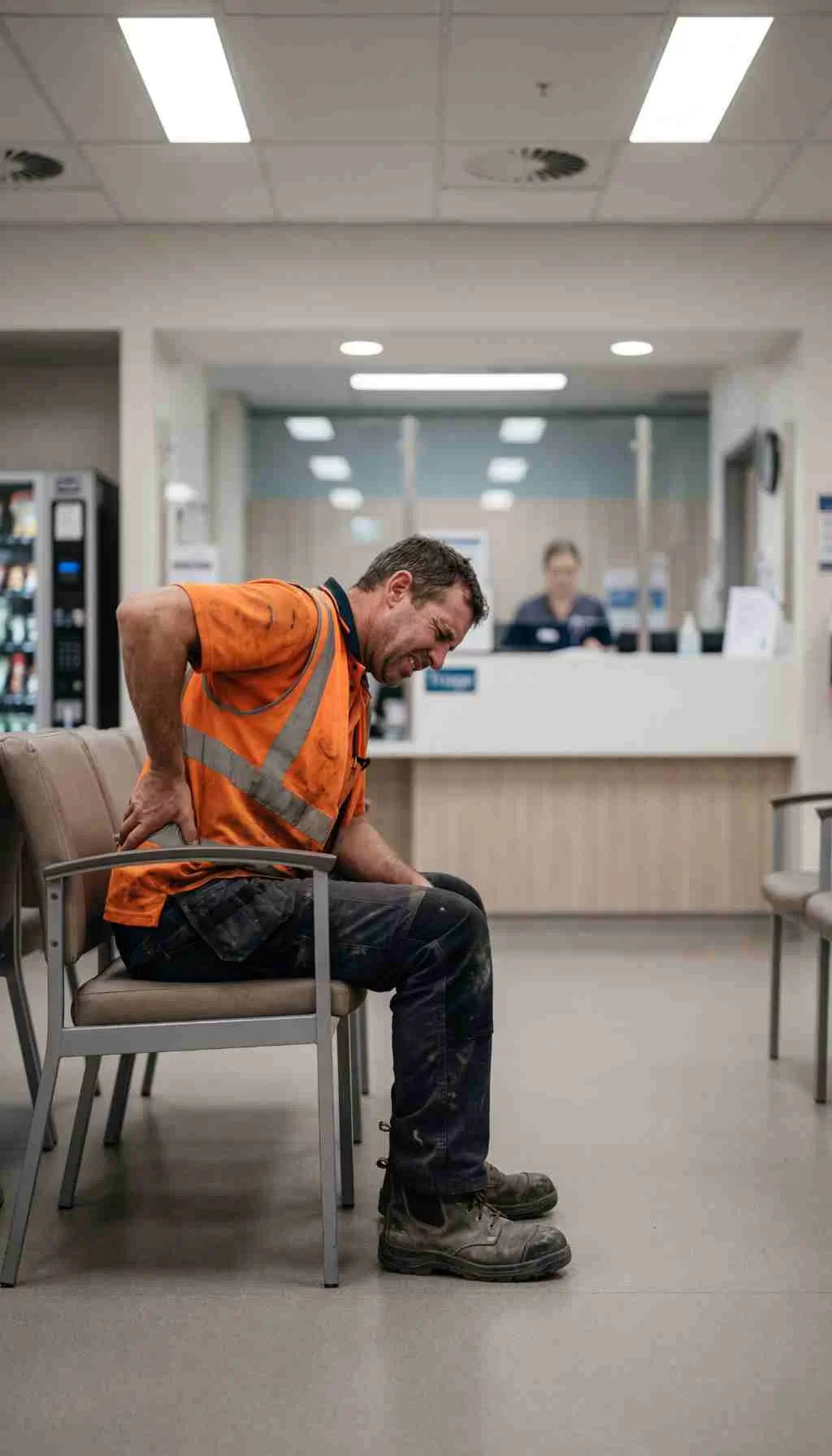
In the healthcare sector specifically, 43% of the top three non-fatal accident categories involve manual handling, with back injuries predominating. But here’s the critical insight from HSA analysis: 51.5% of claimants in manual handling cases took more than 52 weeks of sick leave, and 42% never returned to work.
This isn’t just an injury statistic it’s a workforce crisis.
Ergonomics: The Science of Fitting Work to Workers
What Ergonomics Really Means
Ergonomics (from the Greek ergon = work, nomos = natural laws) is the scientific discipline of designing work tasks, tools and environments to match human capabilities and limitations. In the context of manual handling, ergonomic principles aim to reduce biomechanical stress on the spine.
The HSA emphasises that “proactive ergonomics emphasises the prevention of work-related musculoskeletal disorders through recognising, anticipating and reducing risk factors”. This means evaluating and modifying work activities before injuries occur, not simply training workers to “lift correctly” in inherently dangerous conditions.
The Hierarchy of Ergonomic Controls
The Safety, Health and Welfare at Work Act 2005 establishes a clear hierarchy for controlling manual handling risks:
- Elimination: Avoid the need for manual handling altogether
Example: Deliver supplies directly to point of use rather than requiring staff to carry them from a central store. - Engineering Controls: Use mechanical aids to reduce physical demands
Example: Bed movers, electric tugs for laundry trolleys, height-adjustable workstations, vacuum lifts for glazing/cladding installation.
- Administrative Controls: Modify work organisation to reduce exposure
Example: Job rotation, team lifting protocols, work-rest schedules. - Training: Develop worker competencies for unavoidable manual handling
Example: Evidence-based manual handling training with practical competence assessment.
Real-World Ergonomic Interventions in Ireland
A 2024 HSA inspection programme in healthcare facilities documented successful ergonomic interventions:
- Radiology departments: Installation of height-adjustable desks reduced neck and back strain among radiologists reviewing scans
- Hospital laundries: Introduction of spring-loaded trolleys and electric tugs eliminated high-force pushing/pulling tasks over long distances
- Commercial kitchens: Redesigned pot-wash areas improved workflow and reduced sustained awkward postures
- Construction sites: Custom-engineered billet loaders at CNC machines eliminated manual lifting of metal components weighing up to 130kg
These interventions demonstrate a crucial principle: training alone is insufficient. Effective injury prevention requires designing tasks so they can be performed safely.
The Training Myth: Why Technique Alone Isn’t Enough
The Evidence Against Training-Only Approaches
For decades, manual handling training focused almost exclusively on teaching “correct lifting technique” the famous “bend your knees, keep your back straight” mantra. The assumption was simple: if workers used proper technique, injuries would decrease.
The evidence conclusively refutes this assumption.
A landmark systematic review by Hignett et al. (2003) analysed 12 studies and found that manual handling training delivered in isolation was ineffective in preventing manual handling incidents or back injuries. Multiple subsequent studies have confirmed this finding.
Why doesn’t technique training work on its own? Research identifies several reasons:
- The Theory-Practice Gap: Techniques practised on healthy colleagues in training rooms don’t transfer to real workplace conditions with unpredictable loads, time pressure and space constraints.
- Situational Constraints: Workers often can’t use “correct” technique due to environmental factors—low ceilings, cramped spaces, load positioning, patient resistance.
- Organisational Factors: Staffing levels, time pressure and workplace culture frequently force workers to compromise on safe handling.
Physical Capability Mismatch: As workers age or if they lack baseline physical fitness, even “correct” technique may expose them to injury risk.
What Actually Works: Multifaceted Interventions
- Comprehensive risk assessments of all manual handling tasks
- Provision of appropriate mechanical aids and equipment
- Patient/load handling assessment protocols
- Minimal lift policies (especially in healthcare)
- Competency-based training (not just technique training)
- Problem-solving and risk-assessment skill development
- Ongoing workplace supervision and coaching
- Ergonomic input at design/procurement stage
- Organisational safety culture developmentThe research consensus is clear: effective injury prevention requires multifaceted programmes that combine training with equipment provision, risk assessment, organisational change and ongoing supervision.
- Studies by Nelson and Baptiste (2004), Waters et al. (2006), and Hignett et al. (2007) document successful programmes incorporating:
Human Cost to Employees
Beyond the financial impact, workplace back injuries devastate lives:
- Chronic pain: Many back injuries never fully heal, leaving workers with lifelong pain management challenges
- Reduced earning capacity: 42% of manual handling claimants in HSA analysis never returned to work
- Psychological impact: Chronic pain is strongly associated with depression, anxiety and reduced quality of life
- Family strain: Financial pressure and care-giving responsibilities shift to family members
- Social isolation: Pain-related mobility limitations reduce social participation
A study of construction workers found that those with chronic back pain reported significantly reduced quality of life across all domains—physical, psychological, social and environmental.

Protecting Your Workforce: Acornstar’s Evidence-Based Approach
We Cover Every Base
Acornstar’s manual handling training programmes are built on three foundational principles aligned with the HSA’s risk management framework:
- Competency Development (Not Just Technique Training)
We go far beyond teaching the mechanics of lifting. Our programmes develop:
- Risk perception skills: Recognising high-risk manual handling situations
- Problem-solving abilities: Identifying alternative approaches when “textbook” techniques aren’t feasible
- TILE assessment competencies: Teaching workers to evaluate Task, Individual capability, Load characteristics and Environment before attempting a lift
- Equipment operation: Practical training on mechanical aids specific to your workplace
- Practical, Workplace-Specific Training
Our instructors (all QQI Level 6 certified) deliver training that reflects your actual work environment:
- Site-specific scenarios: We assess your workplace and tailor training to your actual manual handling tasks
- Real loads: Where possible, training incorporates the actual items your staff handle
- Environmental factors: We address space constraints, flooring, lighting and other site-specific factors
- Practical assessment: Every participant demonstrates competence in real-world application, not just classroom theory
- Integration with Organisational Safety Culture
Manual handling training is most effective when embedded in a comprehensive safety culture:
- Management commitment: We work with leadership to ensure visible support for safe handling practices
- Supervision and reinforcement: We provide guidance on ongoing workplace coaching
- Documentation: Training records meet legal defensibility requirements
- Risk assessment support: We can assist with completing manual handling risk assessments
The Acornstar Edge: Food Safety Heritage, Safety Excellence
With over 3,000 B2B clients many in the food service, catering and hospitality sectors Acornstar brings unique expertise to manual handling training. We understand the specific challenges faced by:
- Kitchen porters lifting 25kg flour sacks and oil drums
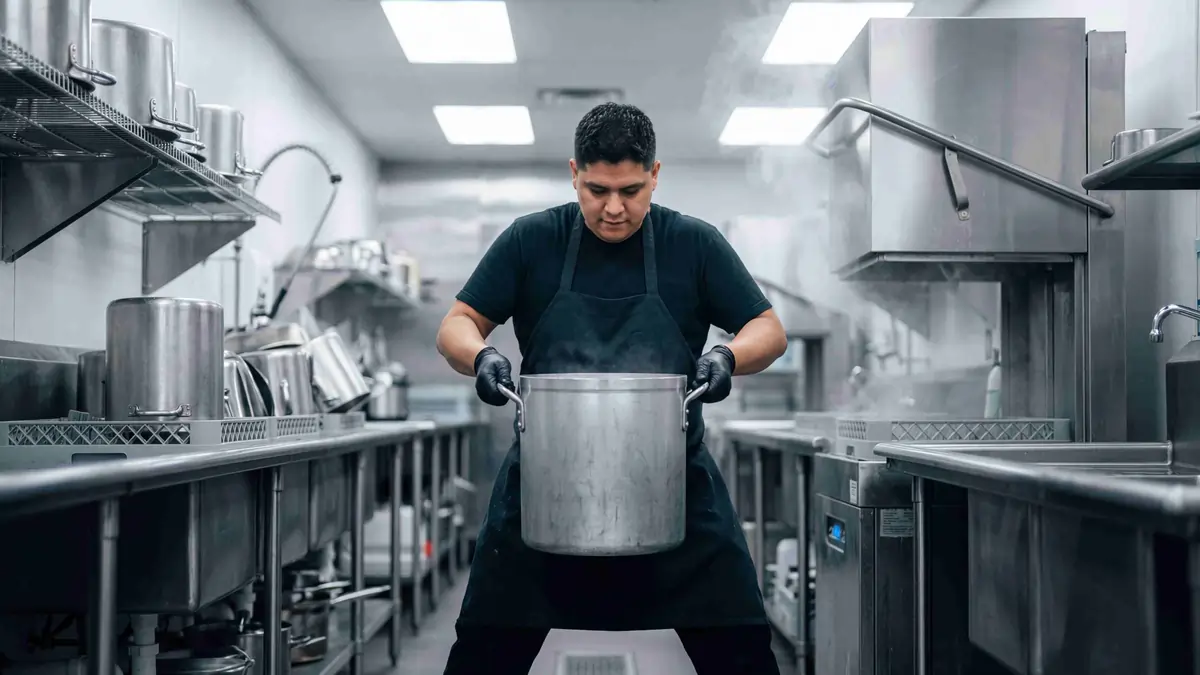
- Chefs handling heavy stockpots and commercial cookware
- Warehouse staff managing beverage kegs and delivery pallets
- Catering teams setting up event equipment
- Cleaning staff pushing heavy equipment across varied surfaces
Our approach integrates manual handling safety with food safety culture recognising that safe staff produce safe food. When employees are pain-free and injury-free, they maintain focus on hygiene, quality and operational excellence.
The Acornstar Edge: Food Safety Heritage, Safety Excellence
Immediate Steps Every Employer Should Take
- Conduct Comprehensive Manual Handling Risk Assessments
The Manual Handling of Loads Regulations 2007 require employers to assess all manual handling tasks. Use the HSA’s risk assessment tools (MAC Tool, REBA, RULA) to:
- Identify high-risk tasks (load weight, frequency, posture, environment)
- Quantify risk levels (low, medium, high, very high)
- Document findings
- Implement the Hierarchy of Controls
Before scheduling training, eliminate or reduce manual handling exposure:
- Can the task be automated or mechanised?
- Can loads be reduced in weight or made more manageable?
- Can workstation height be adjusted to reduce bending?
- Can team lifting be used?
- Invest in Appropriate Equipment
Evidence shows that equipment provision dramatically reduces injury risk:
- Healthcare: Ceiling hoists, sit-to-stand aids, sliding sheets, profiling beds
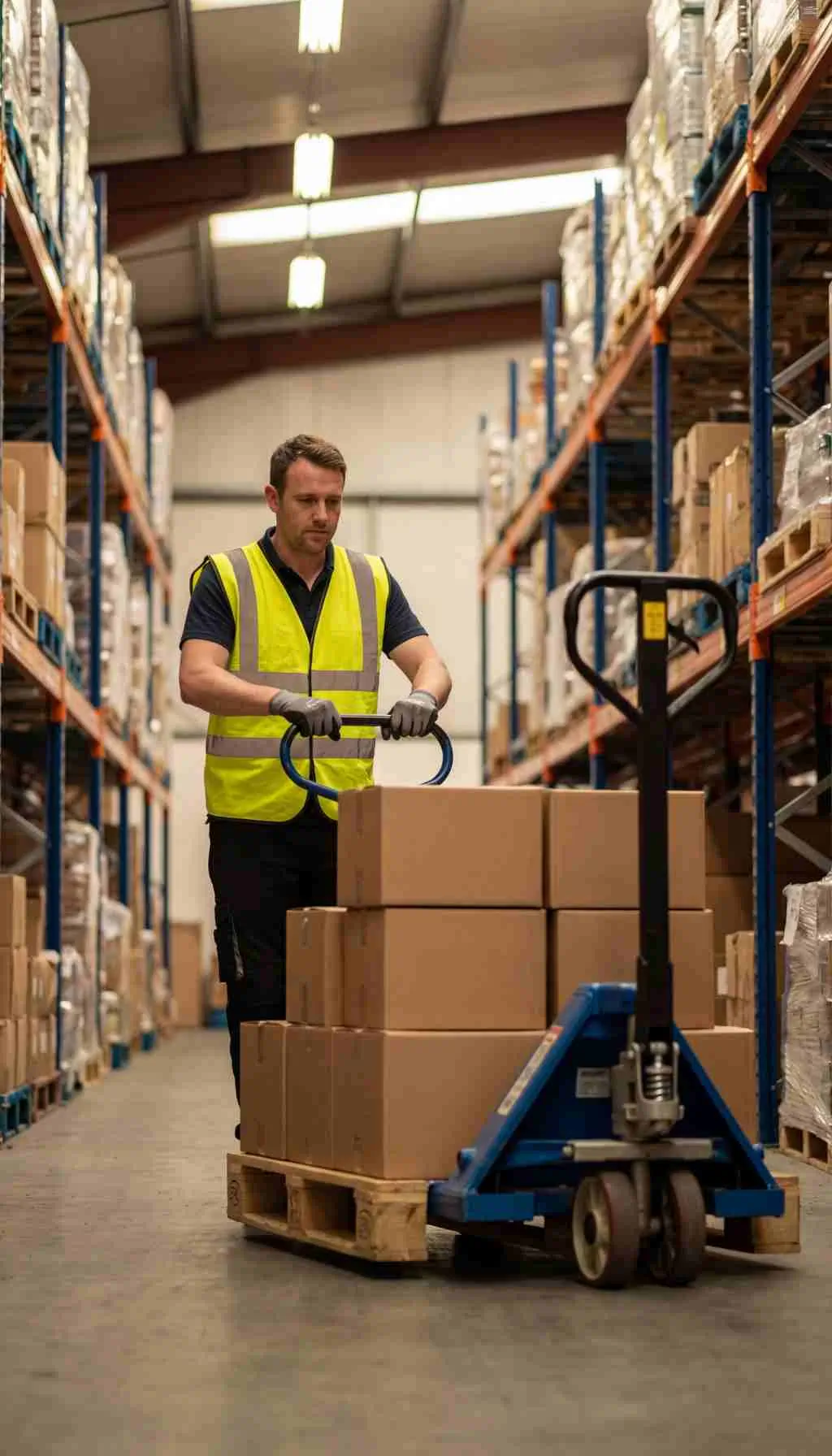
- Warehousing: Pallet jacks, scissor lifts, height-adjustable conveyors
- Catering: Sack trucks, spring-loaded platforms, adjustable-height prep tables
- Construction: Vacuum lifts, billet loaders, trolley systems
- Deliver Competency-Based Training
Partner with accredited training providers (like Acornstar) who offer:
- QQI Level 6 certified instructors
- Workplace-specific content
- Practical competence assessment (not just online theory)
- Documentation meeting legal defensibility standards
- Establish Ongoing Supervision and Reinforcement
Training is a starting point, not an endpoint:
- Designate safety champions who reinforce good practices
- Conduct periodic workplace observations
- Provide refresher training at intervals not exceeding 3 years (HSA recommendation)
- Update training when work processes or equipment change
- Maintain Communication with Injured Workers
HSA analysis found that workers who maintained communication with employers during sick leave were significantly more likely to return to work:
- Assign a designated contact person
- Maintain regular (weekly) check-ins
- Facilitate access to appropriate healthcare
- Develop graduated return-to-work plans
- Explore temporary modified duties
Best for blogs about legal compliance, high-level safety culture, or industry standards.
Train Your Team with Ireland’s Leading Experts
Acornstar is trusted by over 3,000 businesses and top universities to deliver accredited, high-quality safety training. With nearly 100 5-star reviews and hundreds of thousands of certified professionals trained, we are the partner of choice for Irish employers.
From our most popular Accredited Manual Handling Training to specialised food safety and consultancy courses, we ensure you are compliant and covered. Plus, all business clients currently receive access to our Free Learning Management System (worth €1,500) to track staff progress effortlessly.
The Bottom Line: We're Not Just Training—We're Protecting Livelihoods
Back injuries aren’t an inevitable cost of doing business. With evidence-based manual handling training, ergonomic workplace design and a genuine commitment to employee wellbeing, Irish employers can dramatically reduce injury rates while improving productivity, morale and retention.
At Acornstar, “we have your back” means more than a clever tagline. It’s our commitment to:
✅ Protecting your employees’ physical health through competency-based training
✅ Reducing your organisational risk with legally defensible certification
✅ Supporting your safety culture with workplace-specific solutions
✅ Delivering measurable results through evidence-based interventions
Manual handling injuries are preventable. The science is clear, the legal framework is in place, and the tools are available. What’s needed is the commitment to prioritise worker health—and the partnership with training providers who truly understand the stakes.
Take Action Today: Book Your Accredited Manual Handling Training
Don’t wait for an injury to expose gaps in your training programme. Protect your workforce, reduce your liability and demonstrate your commitment to employee wellbeing.
Visit www.acornstar.com to:
- Schedule an on-site manual handling risk assessment
- Book competency-based manual handling training for your team
- Request a consultation on workplace ergonomic improvements
- Access resources on legal compliance and best practices
Your employees’ backs—and your organisation’s future—depend on the actions you take today.
Additional High-Authority Irish Resources
Legal & Regulatory Guidance
- Safety, Health and Welfare at Work Act 2005: Irish Statute Book
- Manual Handling of Loads Regulations 2007: Irish Statute Book
Health and Safety Authority Resources
- Manual Handling Guidance: HSA Manual Handling Page
- Managing Ergonomic Risk in the Workplace: HSA Ergonomics Guide
- Analysis of Manual Handling Incidents (PDF): HSA Research Report
- HSA Annual Review 2023-2024 (PDF): Workplace Injury Statistics
Healthcare Sector Specific
- Manual Handling in Healthcare: HSE Policy and Resources
Research & Best Practice
- Musculoskeletal Disorders in the Workplace: HSA Page on MSDs