
From Food Truck to Restaurant in Ireland: The HACCP Changes You Didn’t Expect
What You Really Need to Know
Food Truck to Restaurant Ireland: Why HACCP Rules Change
A HACCP restaurant transition from a food truck to a permanent premises requires a full review of food safety controls. What works in a mobile unit often fails in a fixed kitchen, particularly around cleaning schedules, pest control, staff training, and documented HACCP records. This transition is where many new restaurants fail FSAI inspections.
Moving from a food truck to a restaurant in Ireland involves major HACCP and food safety changes that catch many operators off guard.
You’ve spent two years perfecting your fish tacos at festivals, building a loyal Instagram following, and banking €80,000–€115,000 annually from your food truck (Toast POS).
The dream is within reach: a permanent restaurant. No more battling wind and rain. No more generator breakdowns mid-service.
So you sign the lease, order equipment, notify the HSE. You’ve been HACCP-compliant in the van for years how different can a building be?
Very different.
When moving from a food truck to a permanent premises, HACCP restaurant transition requirements often catch operators off guard.
The 3 HACCP Changes You Didn’t Expect
Many food truck owners fail their first building inspection because they don’t realise brick-and-mortar comes with completely different food safety rules.
Managing safety in a van is actually easier smaller menu, less staff, simpler logistics. But in a full restaurant? You’re dealing with pest control contracts, toilet lobby requirements, delivery docks, and supplier management systems that didn’t exist when you bought everything at the cash-and-carry.
This is your survival guide.
Change #1: Pest Control From “Drive Away” to “Monthly Contract”
The Van Reality
In a food truck, pest control is simple:
- Drive away at night (no rodents nesting)
- Limited food storage (buy fresh daily)
- Small footprint (fewer hiding spots)
- Mobile unit (spot a rat? Relocate)
The Building Reality
In a permanent restaurant, you’ve given pests a home:
- Fixed location (rodents nest in walls, under equipment)
- Larger storage (walk-in fridges = rodent attractants)
- Complex infrastructure (drains, ducts, false ceilings)
- Delivery docks (open doors = ingress points)

The FSAI’s 2024 wake-up call: 133 enforcement orders, with inadequate pest control cited as primary reason for December closure orders.
What the FSAI Expects
FSAI guidance requires:
- Documented pest control programme (not “call someone if you see a mouse”)
- Regular area checks (droppings, smear marks, egg cases, dead insects)
- Prevent pest access (proof buildings, seal gaps, air curtains)
- Maintain records (inspection logs, treatment reports, corrective actions)
In practice: Professional pest control contract with monthly visits + documentation.
The Cost
Monthly contract: €150–€250/month (€1,800–€3,000/year)
What you get:
- Monthly inspections (bait stations, UV fly killers)
- Treatment logs (FSAI compliance proof)
- Emergency call-outs
- Corrective action plans
Action Plan
Before opening:
- Get quotes from 3 pest control companies
- Ensure contract includes monthly inspections + docs
- Install air curtains on external doors (€500–€1,500 each)
- Proof building: seal pipe gaps, repair vents, install door sweeps
After opening:
- Weekly pest checks (droppings, gnaw marks, smear trails)
- Train staff: “See a rodent? Report immediately”
- Keep pest logs accessible for EHO
The Acorn Star Angle:
Pest control isn’t just traps it’s staff awareness. HACCP Level 2 teaches your team to spot early warnings (droppings, insect activity) and why simple actions (closing doors, storing food off floor) are critical. Trained staff = early detection = no closures.
Change #2: Toilet Lobby Rules The Regulation You’ve Never Heard Of
The Van Reality
Simple: Usually no on-site toilet, or single compact unit with handwash sink. Minimal regulatory scrutiny.
The Building Reality
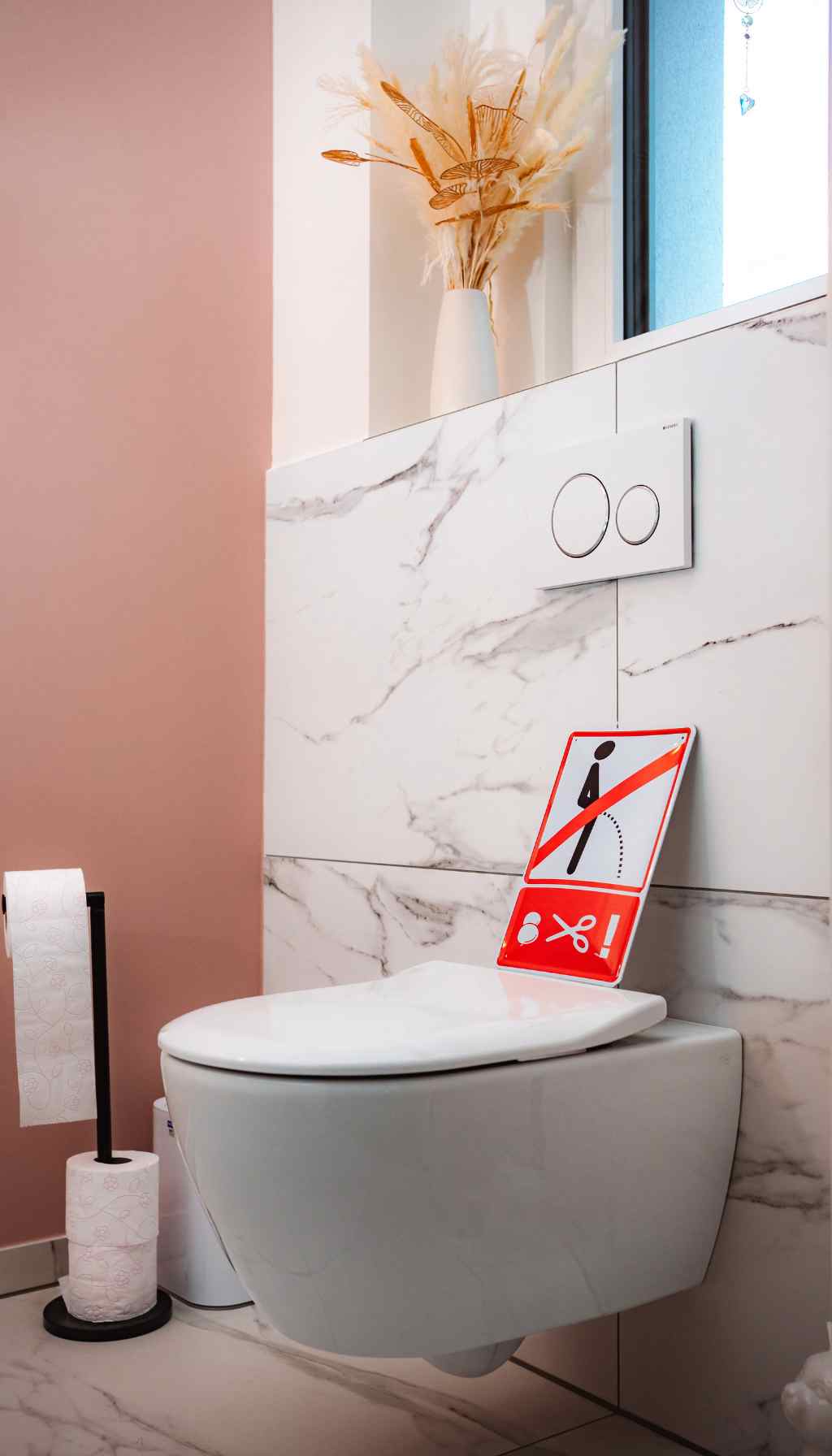
Irish Building Regulations (TGD Part G) require:
A toilet must be separated from a food preparation area by a door.
Critically: Many authorities interpret this as requiring a ventilated lobby (intermediate space) between toilet and kitchen.
The Food Safety Company: “Toilet & toilet lobbies shall be separated ventilated to the outside air.”
Why This Matters
Scenario: You lease premises with toilet opening directly into kitchen (just a door, no lobby).
Problem: EHO flags this as non-compliant. You can’t open until you:
- Reconfigure layout (build lobby)
- OR relocate toilet
- OR prove alternative handwashing
What’s a “Ventilated Lobby”?
Small intermediate room between toilet and kitchen, with:
- Door from kitchen to lobby
- Door from lobby to toilet
- Ventilation to outside (mechanical extract or natural)
- Often, handwash sink in lobby
Why: Prevents airborne contamination (toilet aerosols, fecal bacteria) entering food prep.
Action Plan
Before signing lease:
- Inspect toilet layout
- Check for existing lobby (or space to build)
- Consult local EHO: “Does this meet Part G?”
- Budget for construction if needed
If already committed:
- Hire architect experienced with commercial kitchens
- Install mechanical extract in lobby
- Add dedicated handwash sink
- Label: “Staff Only – Wash Hands Before Returning”

The Acorn Star Angle:
Understanding why regulations exist helps you design compliant systems from the start. HACCP Level 3 teaches you to interpret building regs, validate processes, avoid costly retrofits build it right the first time.

Change #3: Delivery Docks & “Goods In” Beyond the Cash-and-Carry
The Van Reality
Sourcing is simple:
- Buy ingredients yourself (cash-and-carry, farmers’ markets)
- Inspect everything personally (pick best tomatoes, check chicken temp)
- Small volumes (one trolley load)
- Minimal supplier risk (see, touch, approve everything)
The Building Reality
Suppliers deliver to you:
- Larger volumes (pallet loads)
- Multiple suppliers (meat, veg, dairy separate deliveries)
- Not always present (deliveries during prep/service)
- Staff receive deliveries (not always trained on checks)
This is where food safety collapses.

Training That Bridges the Gap HACCP Level 3
We’re not telling you to stop fermenting. Fermentation is brilliant.
But we’ve seen too many chefs get closure orders because they treated it like a cooking technique instead of a microbiological process.
Our philosophy: Teach you the science so you can experiment without poisoning anyone.
Related courses:
- HACCP Level 1 – Personal Hygiene & Cross-Contamination
- HACCP Level 2 – Temperature Control, FIFO
- Allergen Awareness – Critical for ferments with fish sauce, soy, sesame
FSAI Expectations
FSAI Level 3 Training Guide: “Implement procedures ensuring products purchased from approved supplier.”
Required:
- Supplier Approval System:
- Approved supplier list (name, address, HACCP cert)
- Verify FSAI-registered
- Review annually
- Delivery Acceptance Checks:
- Temperature: Chilled ≤5°C, frozen ≤-18°C
- Visual: Packaging intact, no pest signs, correct labelling
- Dates: Acceptable use-by dates, FIFO possible
- Quantity: Invoice matches delivery
- Rejection Procedures:
- Protocol for rejected deliveries (chicken at 9°C?)
- Who can refuse? (Manager only, or trained staff?)
- Recording: log, photos, corrective action
- Documentation:
- Delivery log (date, time, supplier, temps, staff initials, issues)
- Corrective action records
Real Failure Scenario
You’re off-site. New Commis receives salmon delivery. Doesn’t check temp (no thermometer, no training). Box sits 2 hours ambient (18°C). Salmon finally refrigerated (now 12°C, should be ≤5°C). Served that night. Two days later: food poisoning outbreak, 8 customers ill, FSAI investigation.
Findings: No supplier approval, no temp checks, no training, no rejection procedure.
Penalty: Closure order, legal costs, reputation damage, potential prosecution.
Action Plan
Before opening:
- Create supplier approval list
- Buy calibrated probe thermometer (€30–€60)
- Design delivery log template
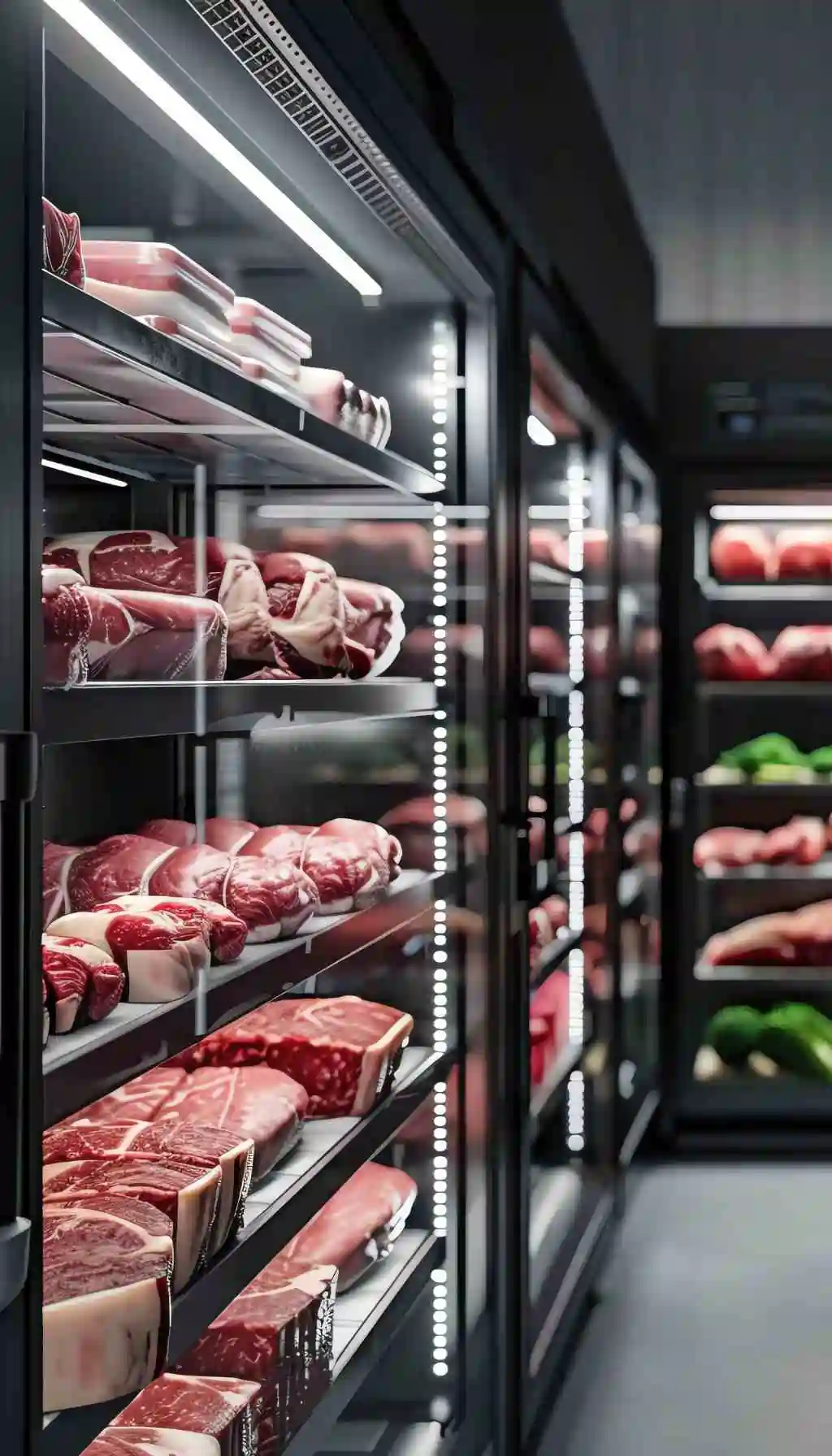
- Designate “goods-in” area
Train team:
- Delivery receivers: HACCP Level 2 (temp control, rejection procedures)
- Head Chef: HACCP Level 3 (supplier approval, validation)
Daily operations:
- Check temps immediately
- Log in delivery book
- Reject non-compliant deliveries (and document)
- Store correctly (FIFO)
The Acorn Star Angle:
Goods-in is where untrained staff cause expensive problems. Our training teaches exactly what to check (temps, dates, packaging), when to reject (chilled >5°C), how to document (EHO-compliant logs).
Bonus Changes (The Smaller Surprises)
4. More Staff = More Training
Van: You + one helper.
Building: 8–15 staff.
Fix: HACCP Level 1 for all, Allergen Awareness for FOH.
5. Walk-In Fridges = Monitoring Systems
Van: One fridge, check twice daily.
Building: Two walk-ins, temps fluctuate.
Fix: Digital temp monitoring (€300–€800), twice-daily logs, alarms.
6. Grease Traps
Van: Wastewater to holding tank.
Building: Commercial grease trap required.
Fix: Install (€1,000–€3,000), monthly cleaning (€100–€200).
7. Fire Safety
Van: Extinguisher, maybe blanket. Insurance: €800–€1,500/year.
Building: Alarm system, emergency lighting, fire doors. Insurance: €2,000–€5,000/year.
Fix: Fire safety consultant (€500–€1,000), systems (€3,000–€10,000).
Reality check: €50,000 fit-out? You need €60,000–€85,000. Many food truck owners underestimate by 30–40%.
Free LMS for Business Users
For 10+ employees, we provide free Learning Management System:
- Track HACCP L1, L2, L3, Allergen Awareness
- Automated expiry alerts
- Instant FSAI inspection reports
- Assign training by role
Learn more: www.acornstar.com
Your Action Plan
Phase 1: Pre-Lease
- Hire EHO consultant (€500–€1,000)
- Check toilet layout, drainage, pest-proofing
- Budget realistically (add 30%)
Phase 2: Pre-Opening (8–12 weeks)
- Sign pest control contract
- Install pest-proofing
- Build toilet lobby (if required)
- Set up goods-in area
- Create supplier approval list
Phase 3: Training (4–6 weeks)
- All staff: HACCP L1 + Allergen Awareness
- Prep staff: HACCP L2
- Head Chef: HACCP L3
The Bottom Line
The van was training wheels. Restaurant food safety is a different game.
Winners:
- Recognise restaurant compliance is different
- Budget realistically
- Train team before problems
- Document everything
Losers:
- “I’ve been compliant 3 years how different can it be?”
The FSAI doesn’t care about track record. They care about compliance now.
Ready to make the jump?
👉 Train your team: www.acornstar.com
👉 Questions? Email us—we’ve helped dozens transition
👉 Bespoke training? Ask about restaurant onboarding packages
Because the only thing worse than staying in the van is opening a restaurant that gets shut down in Week 3.
Keywords: food truck to restaurant Ireland, HACCP restaurant transition, food truck building regulations Ireland, FSAI compliance brick-and-mortar, pest control contract commercial kitchen, toilet lobby requirements Ireland, goods-in procedures FSAI, supplier approval system, delivery temperature checks Ireland, food truck revenue Ireland 2025, restaurant startup HACCP training
You’re still on your break. You have 5 minutes. Do this before you go back to service:
Right now (on your phone):
- Check your last pest control report read it properly
- Check your training records who hasn’t done food safety training?
- Make a note of every gap, hole, or broken seal you know about
- Check when door seals were last replaced
Tomorrow: 5. Walk to Goods Inwards and actually look at it with fresh eyes 6. Take photos of problem areas 7. Ask your porter/delivery staff what issues they see daily
This week: 8. Book door seal repairs if needed 9. Implement immediate cardboard breakdown rule 10. Brief all staff on door discipline 11. Contact your pest control company if gaps were mentioned in reports
This month: 12. Get basic food safety training for porters and delivery staff 13. Add pest checks to opening/closing procedures 14. Fix all ingress points identified in last pest control report