
Fermentation Food Safety: Risks, Controls, and Compliance
What You Really Need to Know
Why Fermentation Food Safety Matters in Commercial Kitchens
In Ireland, kombucha alcohol content is regulated, and poor fermentation food safety controls can cause kombucha to exceed legal alcohol limits.
Without proper controls, kombucha alcohol content in Ireland can unintentionally rise above 0.5%, creating legal and food safety risks for restaurants.
Botulism garlic oil risk occurs when garlic is stored in oil without acidification, creating ideal conditions for Clostridium botulinum to grow.
pH monitoring fermented foods is a critical HACCP control to prevent the growth of harmful bacteria during fermentation.
FSAI Guidance Note 37 outlines the legal food safety controls required for fermented foods in Irish food businesses.
Chefs love fermentation. It’s creative. It’s trendy. It’s Instagram gold.
But here’s what most chefs don’t know: That jar of bubbling kombucha could be producing illegal alcohol. That garlic-in-oil confit? It could be harbouring botulism spores. And that pH you’re “eyeballing”? The FSAI doesn’t accept sensory analysis as a safety control.
Fermentation is the biggest culinary trend in Ireland right now and it’s a biological minefield.
The Irish Fermentation Boom From Health Shops to Michelin Menus
Fermentation isn’t just trendy it’s mainstream in Ireland in 2025.
The evidence:
- Fairmental (Dublin’s dedicated fermentation cafe) teaches sell-out workshops on kombucha and kimchi, serving fermented vegetables and house-made hot sauces to packed houses Irish Independent.
- Darina Allen’s 2025 food trends highlighted fermented foods as “gathering momentum” Ireland-Guide.
- RTÉ noted that sauerkraut and kefir have “crept from health-food corners into pantries from Ballina to Ballybofey” RTÉ.
Even pizza chains are adding fermented hot sauce to menus. It’s no longer niche it’s expected.
Why chefs love it:
- Flavour depth: Umami, funk, complexity you can’t get from fresh ingredients
- Gut health halo: Customers pay premium prices
- Zero-waste creativity: Turn scraps into sauerkraut, overripe fruit into kombucha
- Instagram appeal: Bubbling jars photograph beautifully
But fermentation is living microbiology. When you’re growing bacteria for profit, you’re playing with fire.
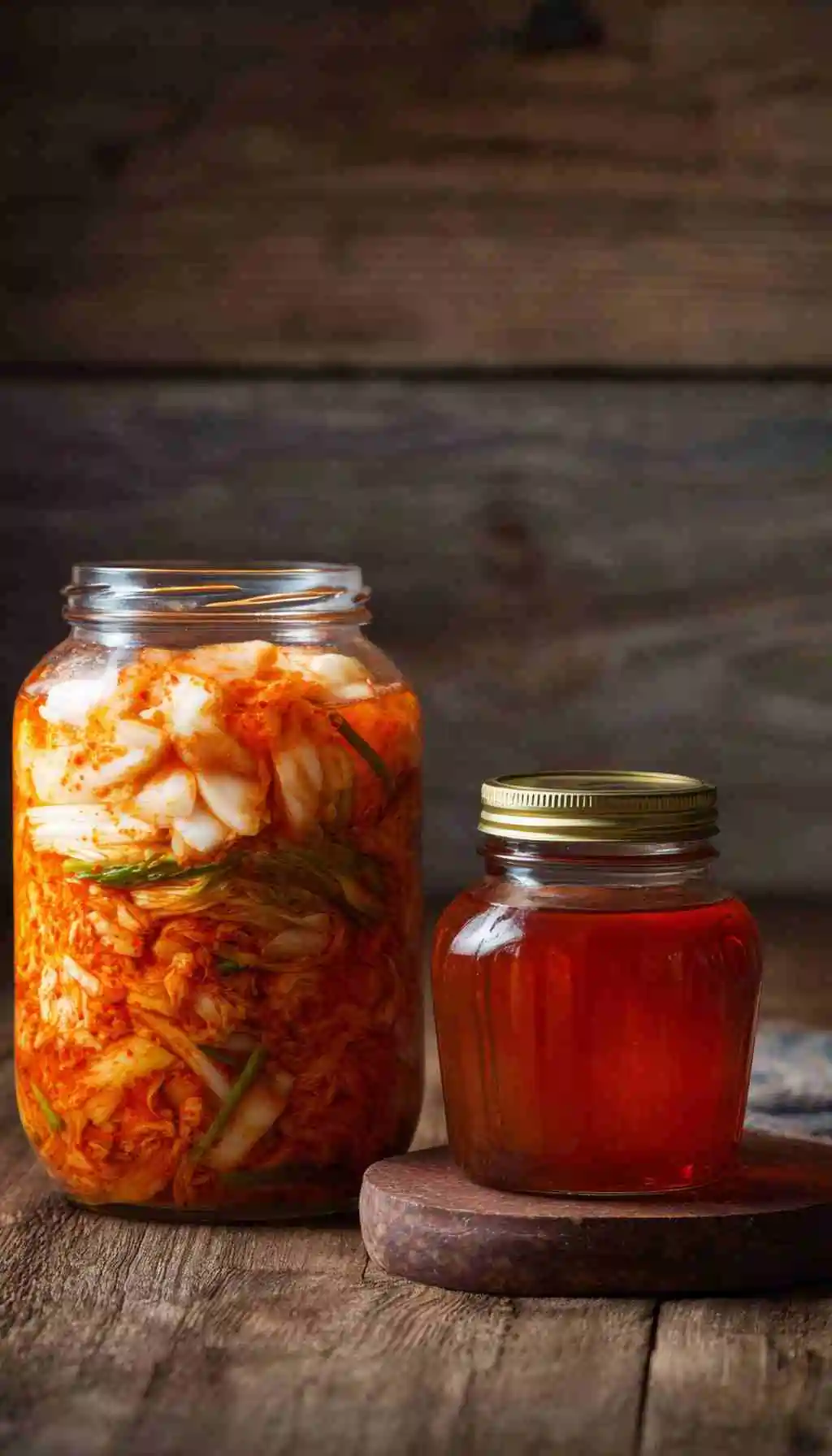
The Legal Landmine Kombucha and the 1.2% ABV Threshold
The Law (That Most Chefs Don’t Know)
Under EU Regulation 1169/2011, any beverage containing more than 1.2% alcohol by volume (ABV) must declare this on the label. If your product exceeds this threshold without declaration, you’re:
- Breaking labelling law
- Potentially requiring a liquor licence
- Opening yourself to FSAI enforcement action
The Kombucha Problem
Kombucha is fermented tea. During fermentation, yeast produces:
- CO₂ (carbonation)
- Acetic acid (sourness)
- Ethanol (alcohol) the silent problem
Most commercial kombucha aims for 0.5% ABV or less. But kombucha continues fermenting after bottling if unpasteurised, pushing ABV higher.
The FSAI’s 2021 Wake-Up Call
In 2021, the FSAI surveyed unpasteurised fermented beverages on the Irish market:
- Some samples contained up to 3.9% ABVnearly four times the legal threshold
- Many products did not declare alcohol content, despite exceeding 1.2% ABV
What This Means for Your Kitchen
Scenario: You brew kombucha Monday, bottle it, serve it Friday. During those four days, second fermentation could push ABV from 0.5% to 2.0%+. You think you’re selling a “probiotic tonic.” Technically, you’re selling undeclared alcohol.
Legal risk:
- FSAI labelling violation
- Potential licensing violation
- Liability if someone with alcohol intolerance reacts
The Solution: Test, Don’t Guess
Minimum compliance:
- Measure ABV before selling (hydrometer or lab testing)
- If >1.2% ABV: Declare it on the label
- If >0.5% ABV: Consider licensing advice
Best practice:
- Control fermentation temperature (cooler = slower = less alcohol)
- Monitor pH (kombucha should be 2.5–4.2)
- Store refrigerated after bottling
Bottom line: Yeast is an alcohol factory. If you’re not measuring, you’re guessing.

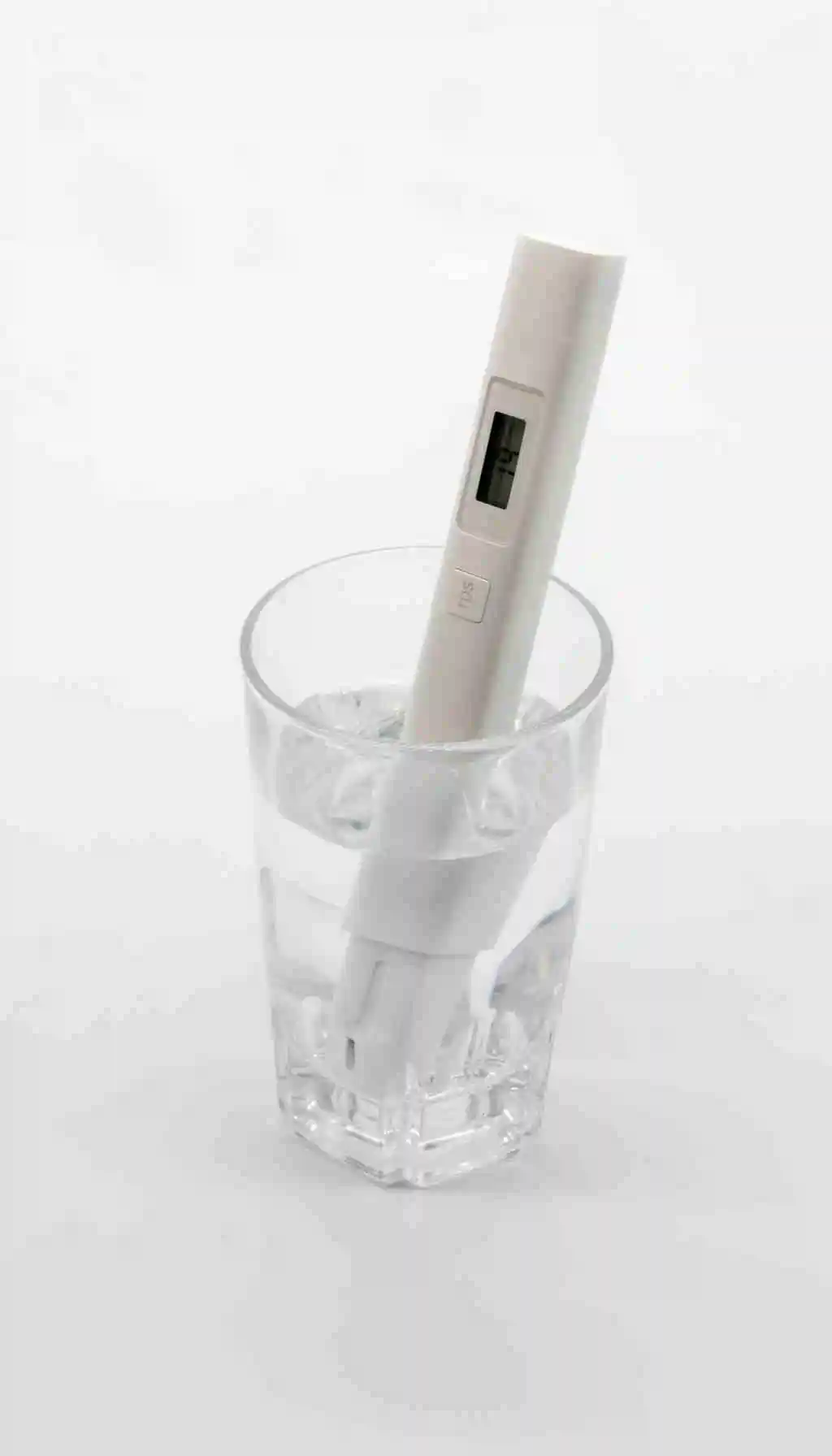
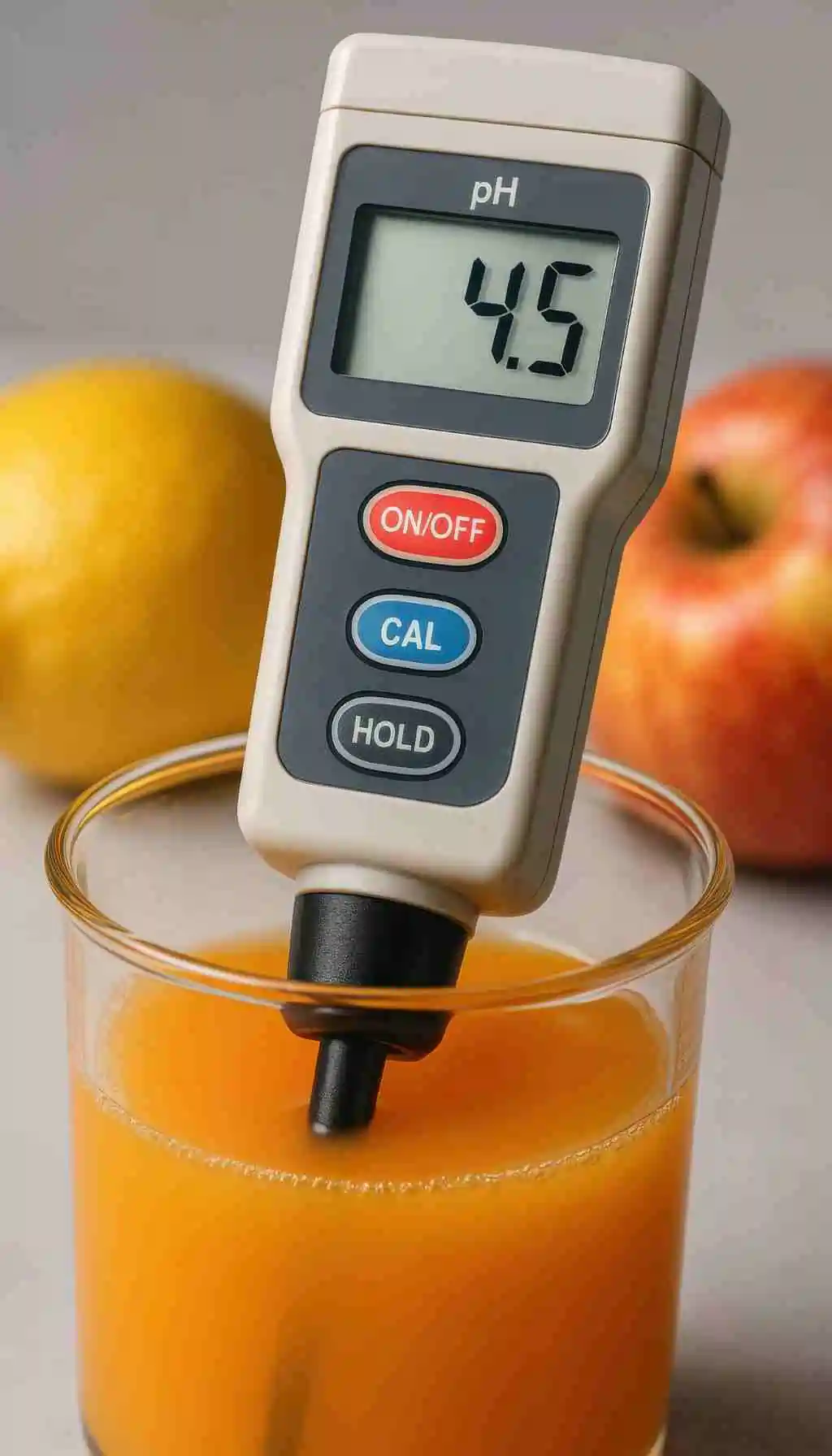
The pH Golden Rule Why 4.6 Is Your Safety Threshold
The Magic Number
Clostridium botulinum (the bacterium causing botulism) cannot grow below pH 4.6. This is why pickles, sauerkraut, yoghurt, and kimchi are safe.
But if your fermentation stalls or your brine is weak, pH can drift upward into the danger zone (pH >4.6), where botulism becomes possible.
The FSAI’s Position: Prove It
FSAI Guidance Note 37 (Good Manufacturing Practices for Fermented Plant-Based Products) requires:
- If pH >4.6 at any stage, you need validated safety controls
- pH must be monitored with calibrated equipment (not litmus paper)
- Records must be kept to prove your process consistently achieves safe pH
Why Litmus Paper Isn’t Good Enough
Litmus paper gives a colour range (“somewhere between 3 and 5”). That’s not precise.
What the FSAI expects:
- Digital pH meter (calibrated monthly with pH 4.0 and 7.0 buffers)
- Written pH readings in a log
- Proof of calibration
Cost: €50-€150 for pH meter, €10-€20 for buffers.
ROI: Not getting botulism in your kimchi? Priceless.
Real-World Example
Scenario: You make 10kg of kimchi. Day 3, it tastes perfect. You jar and sell it. But you didn’t measure pH.
What you don’t know: The centre hit pH 4.2 (safe), but the edges near the surface only reached pH 5.2 (danger zone).
Outcome: If C. botulinum spores were present (common it’s a soil bacterium), they could germinate in the low-oxygen jar environment. Customer develops double vision, muscle weakness classic botulism.
Your liability: No pH records. No proof of safety. FSAI closure order.
The fix: Measure pH in multiple spots. Document it. If any reading >4.4, continue fermenting or acidify.
Botulism in Oil The Silent Killer
The Problem
Garlic, herbs, and chillies in oil create a perfect storm for botulism:
- Low-acid ingredients (garlic pH ~5.3–5.8, well above 4.6)
- Anaerobic environment (oil seals out oxygen)
- Room temperature storage (danger zone: 4°C–60°C)
- botulinum thrives in oxygen-free environments. If spores are on your raw garlic (common), they germinate and produce botulinum toxin one of the most lethal substances known.
How to Make Garlic/Herb Oil Safely
The Acidification Protocol:
- Make 3% citric acid solution: 1 tbsp citric acid + 2 cups warm water
- Submerge garlic/herbs in solution, refrigerate 24 hours
- Drain and pat dry
- Infuse in oil: Room temp (1–10 days) OR heat to 140°F (60°C) for 5 minutes
- Store refrigerated, use within 4 days
Why this works: Citric acid drops pH below 4.6, preventing botulism growth.
The Safer Commercial Alternative
- Use dried garlic/herbs (no moisture = no risk)
- Infuse briefly (heat to 140°F, strain immediately, refrigerate)
- Don’t store garlic pieces in oil strain them out
- Label with use-by dates (max 4 days refrigerated)
If you can’t follow acidification protocol, don’t make garlic-in-oil. Buy commercial versions.
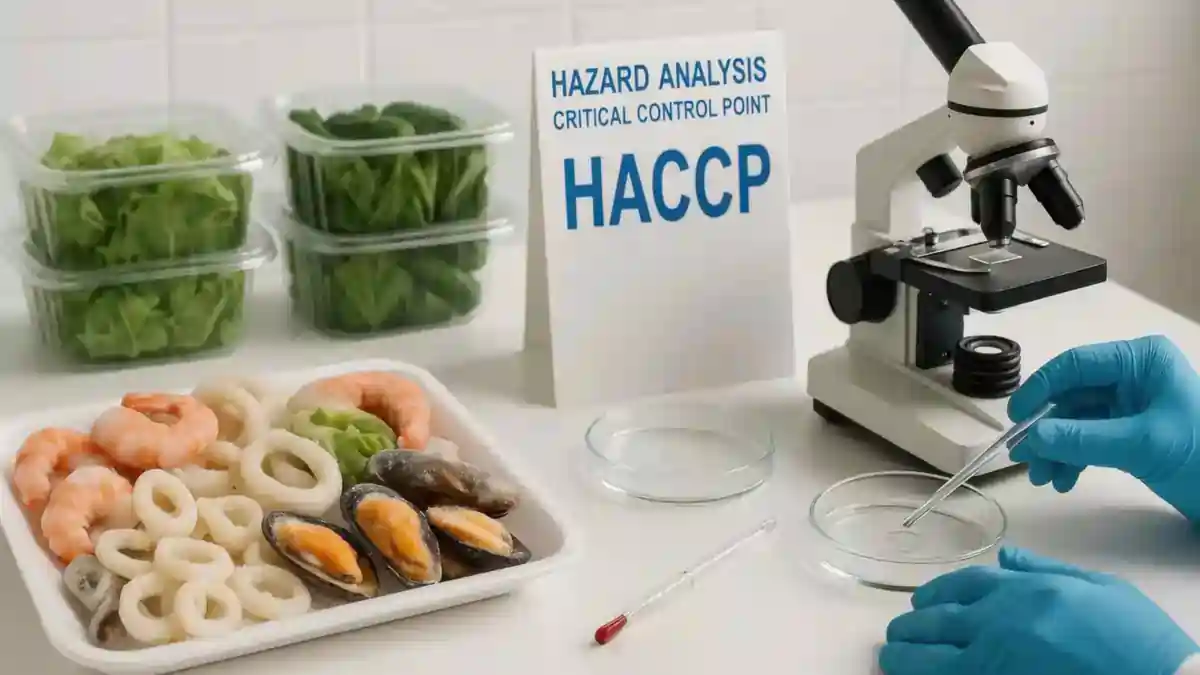
The FSAI’s Guidance Note 37 What You Must Know
Key Requirements:
- Hazard Analysis: Identify risks (botulism, alcohol, allergens)
- pH Monitoring: Document pH at critical stages
- Alcohol Declaration: If >1.2% ABV, declare it
- Equipment Calibration: pH meters calibrated regularly
- Traceability: Batch numbers, suppliers, dates logged
- Shelf-Life Validation: Prove your product remains safe
- Training: Staff understand fermentation risks
What the EHO Will Check
- ✅ “Show me your pH logs.”
- ✅ “When was your pH meter last calibrated?”
- ✅ “What’s the ABV of this kombucha?”
- ✅ “How do you prevent botulism in your garlic oil?”
- ✅ “What allergens are in this kimchi?”
If you can’t answer with documented evidence, you’re risking closure.

Training That Bridges the Gap HACCP Level 3
We’re not telling you to stop fermenting. Fermentation is brilliant.
But we’ve seen too many chefs get closure orders because they treated it like a cooking technique instead of a microbiological process.
Our philosophy: Teach you the science so you can experiment without poisoning anyone.
Related courses:
- HACCP Level 1 – Personal Hygiene & Cross-Contamination
- HACCP Level 2 – Temperature Control, FIFO
- Allergen Awareness – Critical for ferments with fish sauce, soy, sesame
Your Fermentation Safety Checklist
✅ Equipment You Must Have
- Digital pH meter (calibrated monthly)
- Calibrated thermometer
- Hydrometer (if making kombucha)
- Dedicated fermentation vessels
- Accurate scales
- Labels (batch, date, allergens, use-by)
✅ Processes You Must Have
- pH monitoring log
- Calibration records
- Ingredient traceability
- Allergen controls
- Temperature monitoring
- Shelf-life validation
✅ Knowledge You Must Have
- pH 4.6 threshold
- 1.2% ABV threshold
- Botulism risk in oil
- How to calibrate pH meter
- When to discard a ferment
✅ Training You Must Have
- All staff: Allergen awareness
- Fermentation team: HACCP Level 2 minimum
- Head Chef/Manager: HACCP Level 3
Real-World ROI Why Training Pays for Itself
Scenario: 30-seat gastropub adds house kimchi (€3.50), fermented hot sauce (€1.50 upsell), kombucha (€4.50/glass).
Annual fermentation revenue: €9,490
Net profit: ~€7,750
Now imagine an FSAI closure:
- Kombucha: 2.5% ABV undeclared
- No pH logs
- Garlic oil: suspected botulism, no acidification proof
Costs:
- Lost revenue: €5,000–€20,000
- Legal fees: €3,000–€10,000
- Reputation damage: Immeasurable
Training to prevent this:
- HACCP Level 3: €350
- pH meter + buffers: €120
Total: €470
Payback: 3 weeks
Risk avoided: Catastrophic

Free LMS for Business Users
- For businesses training 10+ employees, we provide a free Learning Management System (LMS) track training, manage certifications, prove compliance.
For fermentation, the LMS helps you:
- Track pH monitoring and calibration training
- Store batch records and pH logs
- Generate instant FSAI inspection reports
- Assign training by role (fermentation team = Level 3)
Completely free for businesses with 10+ employees using our courses.
Learn more: www.acornstar.com
If you can’t answer, stop selling until you can.
Step 3: Train Your Team (Q1 2026)
- All staff: Allergen Awareness
- Fermentation team: HACCP Level 2
- Head Chef: HACCP Level 3
Why Q1? Train in January-February before Easter rush.
The Bottom Line: Innovation Without Compliance Is Reckless
Irish chefs are among the most creative in the world. You’re pushing boundaries with fermentation, foraging, and food science.
But creativity without safety controls isn’t artistry it’s recklessness.
Every year, the FSAI shuts down businesses that “didn’t think it would happen.” The garlic oil. The kombucha. The kimchi that “always smelled fine.”
One bad batch. One sick customer. One EHO inspection. Game over.
The good news? You can have both. Ferment, innovate, push the envelope as long as you understand the science and follow the rules.
That’s what Acorn Star is here for: to teach you the science so your creativity doesn’t get you closed down.
Ready to ferment safely?
👉 Explore our courses: www.acornstar.com
👉 Questions? Email us we’re here to help Irish kitchens innovate without fear.
Because the only thing worse than playing it safe is playing it dangerously wrong.
Keywords: fermentation safety Ireland, kombucha alcohol content, FSAI Guidance Note 37, botulism garlic oil, pH monitoring fermented foods, commercial fermentation Ireland, kimchi safety guidelines, HACCP Level 3 fermentation, kombucha ABV Ireland, acidification garlic oil, Clostridium botulinum pH 4.6, fermented plant-based products Ireland, digital pH meter calibration, Fairmental Dublin, Irish fermentation trends 2025
You’re still on your break. You have 5 minutes. Do this before you go back to service:
Right now (on your phone):
- Check your last pest control report read it properly
- Check your training records who hasn’t done food safety training?
- Make a note of every gap, hole, or broken seal you know about
- Check when door seals were last replaced
Tomorrow: 5. Walk to Goods Inwards and actually look at it with fresh eyes 6. Take photos of problem areas 7. Ask your porter/delivery staff what issues they see daily
This week: 8. Book door seal repairs if needed 9. Implement immediate cardboard breakdown rule 10. Brief all staff on door discipline 11. Contact your pest control company if gaps were mentioned in reports
This month: 12. Get basic food safety training for porters and delivery staff 13. Add pest checks to opening/closing procedures 14. Fix all ingress points identified in last pest control report