
Creating a Positive Safety Culture in Your Organisation
What You Really Need to Know
What Is Safety Culture and Why It Matters in Irish Workplaces
A strong safety culture is one of the most important foundations of effective health and safety management. In Irish workplaces, a positive safety culture goes beyond policies and procedures it reflects how leaders behave, how employees engage with risk, and how safety decisions are made when no one is watching. Organisations with a well-developed health and safety culture are more likely to prevent incidents, meet HSA expectations, and create environments where people feel safe to speak up and take responsibility for safety every day.
“It’s just the way we do things around here.” This simple phrase captures the essence of organisational culture the unwritten rules, shared beliefs, and ingrained behaviours that shape how work gets done when no one is watching. In safety terms, culture determines whether workers instinctively reach for personal protective equipment, speak up about hazards, or take shortcuts under pressure. For Irish businesses, creating a positive safety culture isn’t just about compliance with regulations it’s about fostering an environment where safety becomes second nature.
The Health and Safety Authority (HSA) defines a positive safety culture as one “characterised by a tendency to act safely at work, leaning towards doing things the safer way.” This definition moves beyond mere rule-following to encompass a mindset where safety considerations are naturally integrated into decision-making processes. It represents the difference between workers who comply because they have to and workers who choose safety because they believe it matters.
Building such a culture requires intentional effort from leadership, meaningful engagement from employees, and systems that support continuous improvement. It’s a journey that transforms organisations from reactive compliance models to proactive safety excellence, creating environments where people thrive professionally whilst going home safely every day. For Irish employers, this transformation isn’t optional it’s essential for sustainable business success in an increasingly complex risk environment.
Why Safety Culture Starts with Leadership Behaviour
Safety culture begins at the top, with senior leaders whose actions speak louder than their policies. Visible leadership commitment goes beyond signing safety statements or attending monthly meetings it requires consistent, authentic demonstration that safety genuinely matters to the organisation. When leaders prioritise safety in resource allocation decisions, celebrate safety achievements alongside financial results, and personally model safe behaviours, they send powerful signals about organisational values.

“Walking the talk” means leaders are visible on shop floors, construction sites, or wherever work happens, engaging with frontline workers about safety concerns and demonstrating their own commitment to safe practices. It means asking about safety performance in every operational review, ensuring safety considerations are part of strategic planning processes, and holding themselves accountable for safety outcomes just as rigorously as financial performance.
LEADERSHIP IMPACT: Research in Irish construction shows that organisations with strong management commitment and visible safety leadership have significantly greater ability to influence workforce behaviour. The Construction Industry Federation’s “Safety by Example” campaign demonstrates how leadership modelling creates ripple effects throughout entire organisations.
Leadership Accountability and Resource Allocation
True leadership commitment manifests in resource decisions providing adequate staffing levels that don’t force rushed work, investing in proper equipment and training, and ensuring that safety requirements never take second place to production pressures. When leaders consistently choose the safer option even when it costs more or takes longer, they establish safety as a genuine organisational priority rather than a competing interest.
This commitment extends to how leaders respond to safety incidents. Rather than seeking blame or focusing solely on individual behaviour, strong safety leaders look at systemic factors, ask what the organisation could have done differently, and use incidents as learning opportunities to strengthen systems and culture. This approach builds trust and encourages the open communication essential for continuous safety improvement.

The 4 C’s of Safety Culture Framework
Understanding safety culture requires examining four interconnected pillars that together create the foundation for sustainable safety excellence. This framework, known as the 4 C’s of Safety, provides a comprehensive approach to building and maintaining positive safety cultures across different industries and organisational contexts.
Communication forms the first pillar, encompassing clear, transparent information sharing about safety expectations, hazards, and performance. Effective communication means safety information flows both up and down the organisational hierarchy, with workers feeling safe to report concerns and management providing timely, relevant safety information. It includes regular safety meetings, accessible safety procedures, and multiple channels for safety-related communication.
Commitment, Competence, and Compliance
Commitment represents organisational dedication to safety at all levels, from boardroom decisions to individual worker actions. This isn’t just about policy statements it’s about demonstrated priorities in resource allocation, performance measurement, and daily operations. Commitment shows in how quickly safety issues are addressed, how safety performance is recognised and rewarded, and how safety considerations influence business decisions.
Competence ensures that everyone has the knowledge, skills, and abilities necessary to work safely. This includes technical safety training, hazard recognition skills, emergency response capabilities, and understanding of safety systems and procedures. Competence development is ongoing, adapting to new technologies, changing work processes, and evolving risk profiles.
Compliance involves meeting legal obligations under the Safety, Health and Welfare at Work Act 2005 and related regulations. However, in positive safety cultures, compliance becomes the minimum standard rather than the goal, with organisations striving for excellence beyond basic legal requirements.
SIGNS OF STRONG SAFETY CULTURE: Workers proactively identify and address hazards, safety discussions happen naturally during work planning, near misses are reported openly without fear, safety suggestions are welcomed and acted upon, and safety performance is celebrated alongside other achievements. These behaviours indicate that the 4 C’s are working together effectively.
Employee Engagement From Consultation to Ownership
True safety culture emerges when employees transition from passive recipients of safety rules to active participants in safety improvement. This transformation requires structured engagement approaches that give workers genuine voice in safety decisions whilst providing them with the tools and authority to act on safety concerns. NFP Ireland identifies five key strategies for engaging people in positive safety culture: inspiring leadership, dedicated safety teams, clear communication, safety ownership, and continuous improvement.
Moving from “told what to do” to “owning safety” requires fundamental changes in how organisations approach safety management. Instead of top-down rule enforcement, successful organisations create systems where workers understand the reasoning behind safety requirements, contribute to safety rule development, and feel empowered to stop work when they identify hazards. This ownership mentality transforms compliance from external requirement to personal commitment.
Safety Committees and Employee Representatives
Safety committees serve as formal mechanisms for employee participation in safety management, but their effectiveness depends on genuine authority to investigate concerns, recommend changes, and influence safety decisions. Effective committees include representatives from all work areas and organisational levels, meet regularly with structured agendas, and have clear processes for following up on identified issues.
In healthcare settings, innovative patient and staff safety approaches demonstrate how employee engagement creates multiple benefits. Healthcare workers who feel empowered to speak up about safety concerns don’t just protect themselves they protect patients, colleagues, and the organisation’s reputation. Similar principles apply across industries, where engaged workers become safety ambassadors who influence colleagues and contribute to continuous improvement.
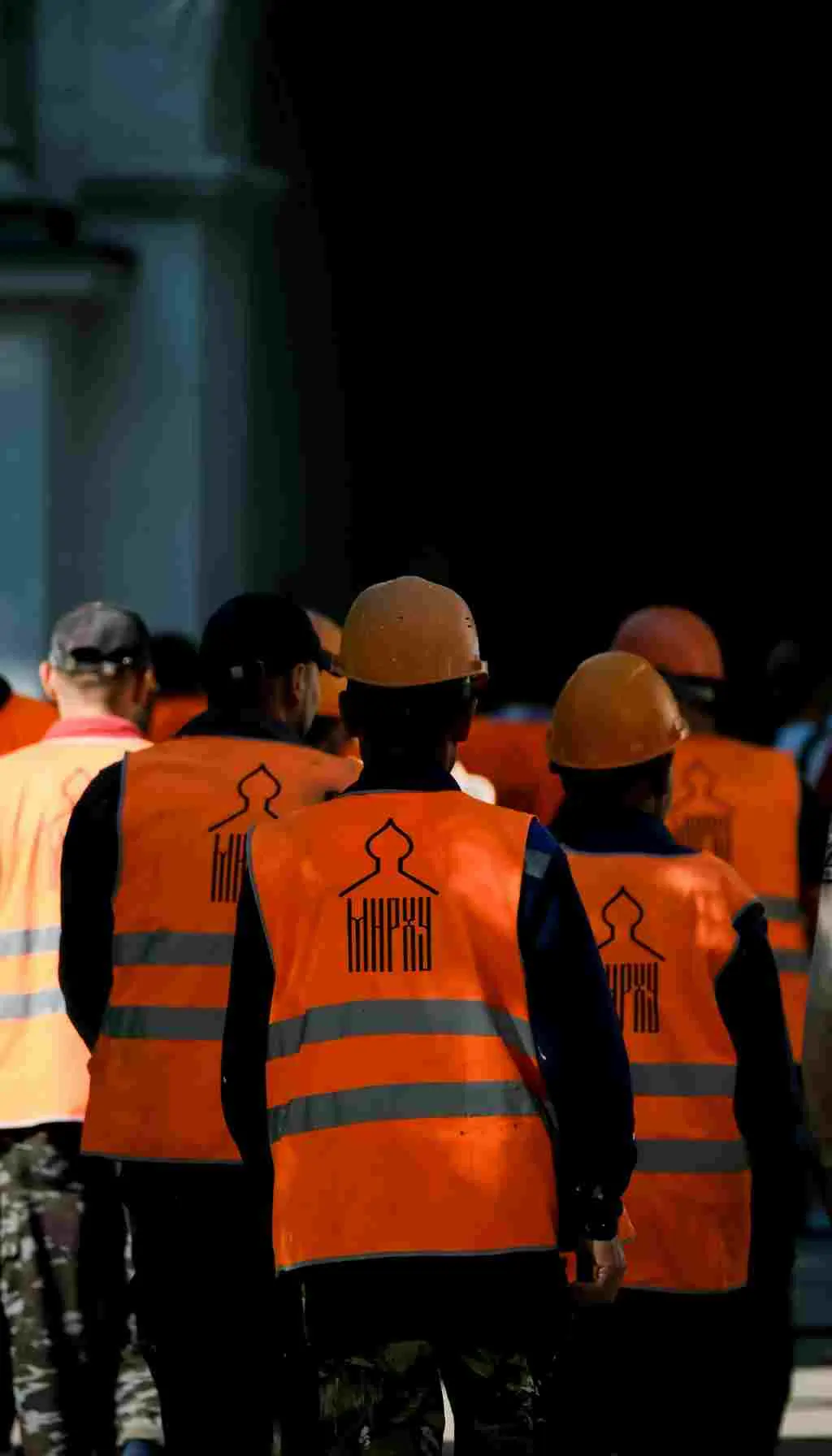
Manufacturing organisations implementing behaviour-based safety programmes have found that peer observation and feedback systems create powerful engagement mechanisms. When workers observe each other’s safety behaviours and provide constructive feedback, they develop shared ownership for safety outcomes whilst building stronger working relationships based on mutual care and respect.

Clear Policies and Procedures The Framework for Safe Action
Written safety policies serve multiple functions in positive safety cultures: they establish clear expectations, provide guidance for decision-making, demonstrate organisational commitment, and create accountability frameworks. However, policies alone don’t create culture they must be supported by training, resources, and consistent implementation to become part of “how we do things around here.”
The HSA’s guidance on safety management systems outlines five essential stages: policy and commitment, planning, implementation and operation, measuring performance, and auditing and reviewing performance. Each stage builds upon the others, creating systematic approaches that embed safety into organisational DNA rather than treating it as an add-on activity.
LEGAL FOUNDATION: The Safety, Health and Welfare at Work Act 2005 provides the legal framework for workplace safety in Ireland, requiring employers to ensure the safety, health and welfare of employees so far as is reasonably practicable. This includes providing safe systems of work, adequate training and information, and proper consultation with workers on safety matters.
Making Policies Accessible and Understood
Written safety policies serve multiple functions in positive safety cultures: they establish clear expectations, provide guidance for decision-making, demonstrate organisational commitment, and create accountability frameworks. However, policies alone don’t create culture they must be supported by training, resources, and consistent implementation to become part of “how we do things around here.”
The HSA’s guidance on safety management systems outlines five essential stages: policy and commitment, planning, implementation and operation, measuring performance, and auditing and reviewing performance. Each stage builds upon the others, creating systematic approaches that embed safety into organisational DNA rather than treating it as an add-on activity.
LEGAL FOUNDATION: The Safety, Health and Welfare at Work Act 2005 provides the legal framework for workplace safety in Ireland, requiring employers to ensure the safety, health and welfare of employees so far as is reasonably practicable. This includes providing safe systems of work, adequate training and information, and proper consultation with workers on safety matters.

Practical Steps Encouraging Safety Reporting
Effective safety reporting systems form the nervous system of positive safety cultures, providing early warning about emerging hazards whilst demonstrating organisational commitment to learning and improvement. Creating reporting systems that workers actually use requires addressing psychological, practical, and organisational barriers that often discourage reporting.
Psychologically safe reporting environments start with leadership messages that emphasise learning over blame, improvement over punishment, and collective responsibility over individual fault-finding. When workers see that reports lead to constructive changes rather than disciplinary action, reporting rates increase significantly and safety performance improves accordingly.
Anonymous vs. Attributed Reporting Systems
Different reporting mechanisms serve different purposes in safety culture development. Anonymous systems encourage reporting of sensitive issues or concerns about management practices, whilst attributed reporting enables follow-up conversations and recognition for good safety citizenship. The most effective organisations offer multiple reporting channels, allowing workers to choose the approach that feels safest for their specific situation.
Near-miss reporting represents particularly valuable intelligence for safety improvement, as near misses typically outnumber actual incidents by significant margins. Organisations that successfully capture near-miss data can identify and address hazards before they cause harm, making near-miss reporting a leading indicator of safety performance rather than just compliance activity.
PRACTICAL STEPS TO FOSTER SAFETY CULTURE:
- Establish multiple reporting channels including digital platforms, suggestion boxes, and direct communication
- Train supervisors in responding constructively to safety concerns and reports
- Implement “no blame” policies for good faith safety reports, even when they reveal policy violations
- Provide regular feedback to workers about actions taken in response to their reports
- Recognise and celebrate workers who demonstrate good safety citizenship through reporting
- Use safety reports as data sources for trend analysis and proactive hazard identification
- Create structured processes for investigating reports and implementing corrective actions
- Ensure reporting systems are accessible to all workers regardless of language, literacy, or technology skills
- Regularly review and improve reporting systems based on user feedback and system performance
- Integrate safety reporting into performance management and recognition systems
Peer-to-Peer Feedback Mechanisms
Peer feedback systems harness the natural influence that workers have on each other’s behaviour, creating distributed safety leadership rather than relying solely on formal supervision. When implemented thoughtfully, peer observation and feedback programmes build camaraderie around safety whilst improving actual safety behaviours through positive reinforcement and constructive correction.
Research in Irish construction demonstrates that peer influence significantly affects safety behaviour, with workers more likely to adopt safe practices when they see colleagues consistently following safety procedures. Structured peer observation systems capitalise on this influence by creating formal opportunities for workers to observe, discuss, and improve each other’s safety performance.
Overcoming the “Don’t Tell on Your Mates” Culture
Many workplace cultures include informal codes against “telling on” colleagues, which can inhibit safety feedback and reporting. Successful peer feedback systems address this challenge by framing safety observations as caring behaviours rather than enforcement actions, focusing on positive recognition rather than fault-finding, and ensuring that feedback leads to support and improvement rather than punishment.
Training workers in giving constructive safety feedback helps overcome discomfort and builds skills in having difficult conversations. This training typically covers how to approach colleagues respectfully, how to focus on behaviours rather than personalities, how to listen to explanations and concerns, and how to work together on solutions rather than just identifying problems.
Positive reinforcement approaches emphasise recognising and celebrating safe behaviours rather than only addressing unsafe ones. When workers see colleagues being acknowledged for good safety practices, it reinforces desired behaviours whilst building positive associations with safety performance.

Continuous Improvement Systems
Sustainable safety cultures require systematic approaches to learning and improvement that capture insights from both successes and failures. Continuous improvement in safety contexts means regularly reviewing performance data, identifying trends and patterns, implementing corrective actions, and measuring the effectiveness of changes to ensure they achieve intended results.
Using feedback and data to drive improvements requires robust data collection systems, analytical capabilities to identify meaningful patterns, and change management processes that translate insights into action. This includes regular safety culture assessments that measure attitudes, behaviours, and perceptions alongside traditional incident statistics.
Integration with Quality Management
The connection between safety culture and quality management becomes increasingly important as organisations implement integrated management systems. The upcoming ISO 9001:2026 standard’s emphasis on quality culture and ethical behaviour aligns naturally with positive safety culture development, creating opportunities for synergistic improvements that benefit both safety and quality performance.
Action tracking and follow-through systems ensure that identified improvements actually get implemented rather than getting lost in competing priorities. This requires project management disciplines applied to safety improvements, with clear timelines, responsible parties, and success metrics for each initiative.
Celebrating safety wins and milestones maintains momentum for culture change whilst reinforcing desired behaviours. Recognition programmes might include safety performance awards, milestone celebrations for injury-free periods, and public acknowledgment of workers who contribute to safety improvements through suggestions or exemplary behaviour.
Measuring Safety Culture Success
Assessing safety culture requires balanced scorecards that combine leading indicators (predictive measures) with lagging indicators (outcome measures). Leading indicators might include safety training completion rates, near-miss reporting frequency, safety suggestion submission rates, and safety meeting attendance, whilst lagging indicators include incident rates, severity statistics, and workers’ compensation costs.
Safety climate surveys provide valuable insights into worker perceptions, attitudes, and beliefs about safety that traditional metrics might miss. Well-designed surveys can identify areas where policies and practices aren’t aligning with worker experiences, highlight communication gaps, and track cultural change over time.
MEASURING CULTURE MATURITY: Mature safety cultures show high levels of proactive hazard identification, frequent positive safety conversations, widespread safety ownership beyond formal roles, rapid response to safety concerns, and integration of safety considerations into business decisions. These qualitative indicators often prove more valuable than traditional quantitative metrics for understanding cultural health.
Observation Data and Trend Analysis
Behavioural observation programmes generate data about actual safety practices rather than just outcomes, providing insights into leading indicators that predict future safety performance. Trend analysis of observation data can identify emerging issues, measure the effectiveness of interventions, and highlight areas needing additional attention or resources.

Employee engagement metrics including participation in safety programmes, voluntary safety activities, and retention rates of safety-trained workers provide additional perspectives on cultural health. High engagement typically correlates with better safety performance and indicates that safety culture initiatives are resonating with the workforce.
Industry-Specific Applications
Different industries face unique challenges in developing positive safety cultures, requiring tailored approaches that address sector-specific risks, workforce characteristics, and operational requirements. Construction, healthcare, and manufacturing each demonstrate distinct approaches to culture development whilst sharing common underlying principles.
In construction, the transient nature of project teams and subcontractor relationships creates particular challenges for culture consistency. Successful construction organisations develop transferable safety culture elements that work across different sites and team compositions, whilst ensuring that safety leadership extends to all contractors and temporary workers.
Healthcare settings must balance patient safety with worker safety, creating cultures where both are seen as interconnected priorities rather than competing interests. The complexity of healthcare delivery requires safety cultures that support speaking up about concerns, learning from errors, and continuously improving systems to protect both patients and staff.
Manufacturing environments often feature highly engineered safety systems that can create complacency if workers become overly reliant on technological controls. Positive safety cultures in manufacturing maintain human vigilance and engagement even within highly automated environments, ensuring that workers remain active participants in safety management rather than passive beneficiaries of safety technology.
Creating a positive safety culture is a long-term commitment, but small, consistent steps can make a real difference to how safe people feel and how work gets done every day. If you’d like support turning these principles into practical action, our Behavioural Safety online course (https://acornstar.com/product/behavioural-safety/), HSEQ consultancy services for safety culture development (https://acornstar.com/hseq-consultancy-services/) and bespoke training content development (https://acornstar.com/training-content-development/) can help you build a culture where safe choices become second nature.
How AcornStar Can Support Your Safety Culture Journey
Transforming safety culture requires expertise, experience, and ongoing support that many organisations lack internally. At AcornStar, we help Irish employers develop and sustain positive safety cultures through evidence-based approaches tailored to Irish legal requirements, industry contexts, and organisational cultures.
HSEQ Consultancy for Safety Culture Development
Our consultancy services provide comprehensive support for organisations seeking to assess, develop, and strengthen their safety cultures. We conduct thorough safety culture assessments that identify current strengths and improvement opportunities, develop tailored culture change strategies that align with organisational goals and constraints, and provide ongoing guidance throughout implementation phases. Our approach combines HSA frameworks with international best practices, ensuring that culture development efforts meet Irish legal requirements whilst achieving world-class safety performance. Learn more about our HSEQ consultancy services.
Specialised Training Programmes
Creating positive safety cultures requires competent people at all levels who understand both technical safety requirements and cultural dynamics. Our training programmes include Behavioural Safety training that helps workers understand the connection between attitudes, behaviours, and safety outcomes, Safety Culture Workshops for leadership teams focusing on visible commitment and culture change strategies, Peer Observation Training that builds skills for constructive safety feedback, and Safety Leadership Development programmes for supervisors and managers. All programmes are designed for Irish workplaces with practical applications that drive real cultural change. Explore our training content development services.
Whether you need comprehensive culture assessment and development, specific training for leadership teams, or ongoing support for culture change initiatives, AcornStar brings practical expertise, proven methodologies, and genuine commitment to helping Irish organisations create workplaces where safety culture thrives.
Related Resources
Safety culture development connects with broader organisational excellence initiatives. You may also find valuable our Wellbeing at Work programme, which addresses psychological safety and mental health considerations that underpin positive safety cultures. Additionally, our ISO 9001:2026 Quality Culture Development guidance helps organisations integrate safety culture development with quality culture requirements, creating synergistic improvements that benefit overall organisational performance.