
How to Conduct a Risk Assessment: A Step-by-Step Guide for Irish Employers
What You Really Need to Know
Workplace Risk Assessment Requirements in Ireland
A workplace risk assessment is a legal requirement for Irish employers and a core part of effective health and safety management.
Proper risk assessment training helps employers identify hazards accurately and apply effective control measures in line with HSA guidance.
Risk assessment forms the cornerstone of effective workplace safety management, serving as the systematic foundation upon which all other safety measures are built. For Irish employers, conducting thorough risk assessments isn’t merely a best practice recommendation it’s a fundamental legal requirement that underpins your duty of care to employees, contractors, and visitors. When done properly, risk assessment transforms safety from reactive damage control into proactive hazard prevention, creating safer workplaces whilst protecting your organisation from legal and financial consequences.
The Safety, Health and Welfare at Work Act 2005 places clear obligations on Irish employers to identify workplace hazards and assess associated risks as part of their fundamental duty to ensure employee safety “so far as is reasonably practicable.” This legal framework, supported by comprehensive guidance from the Health and Safety Authority (HSA), provides the structure within which effective risk assessment must operate.
The HSA’s risk assessment framework follows a logical five-step process: identify hazards, determine who might be harmed and how, evaluate risks and decide on control measures, record findings and implement controls, and review and update assessments regularly. This systematic approach ensures that risk assessment becomes an integrated part of business operations rather than a standalone compliance exercise, creating sustainable safety improvements that protect people whilst supporting business objectives.
Why Risk Assessment Matters Under Irish Safety Law
Understanding the legal obligations surrounding risk assessment provides essential context for why this process deserves serious attention and resources. Section 19 of the Safety, Health and Welfare at Work Act 2005 specifically requires employers to identify hazards in the workplace, assess risks to safety and health associated with those hazards, and prepare a written assessment of such risks. Section 20 extends these obligations to cover psychosocial risks, including workplace stress, violence, and harassment.
LEGAL REQUIREMENT: Under the Safety, Health and Welfare at Work Act 2005, employers must conduct and document risk assessments for all workplace hazards. This includes physical, chemical, biological, ergonomic, and psychosocial risks. Failure to comply can result in significant penalties and, more importantly, expose workers to preventable harm.
The consequences of inadequate risk assessment extend far beyond regulatory compliance. Poor risk assessment practices can lead to workplace incidents that result in worker injury, business disruption, legal liability, increased insurance costs, and damage to organisational reputation. HSA enforcement activities increasingly focus on the quality and implementation of risk assessments, with inspectors examining not just whether assessments exist, but whether they accurately reflect workplace realities and have led to effective control measures.
Recent HSA enforcement priorities emphasise proactive hazard identification and comprehensive risk assessment across all industry sectors. The Authority’s inspection programmes target organisations that demonstrate inadequate risk assessment practices, particularly where these deficiencies contribute to workplace incidents or ongoing safety violations.
Step 1: Identify the Hazards
Effective risk assessment begins with comprehensive hazard identification the systematic process of recognising anything in the workplace that has the potential to cause harm to people, property, or processes. Understanding the distinction between hazards and risks provides the foundation for this process: a hazard is anything with the potential to cause harm (such as a chemical substance, piece of machinery, or work practice), whilst risk represents the likelihood and severity of harm actually occurring from exposure to that hazard.
Workplace hazards fall into five main categories, each requiring different identification approaches and control strategies. Physical hazards include machinery, vehicles, work at height, noise, vibration, and manual handling risks. Chemical hazards encompass toxic substances, irritants, corrosives, and substances that may cause cancer or reproductive harm. Biological hazards include bacteria, viruses, fungi, and other microorganisms that may cause infection or disease.


Systematic Hazard Identification Methods
Ergonomic hazards relate to how work is organised and performed, including repetitive motions, awkward postures, excessive force requirements, and poorly designed workstations. Psychosocial hazards encompass workplace stress, violence and aggression, harassment, and work organisation factors that may affect mental health and wellbeing areas that have gained increased attention following recent HSA guidance on psychosocial risk assessment.
Effective hazard identification requires multiple complementary approaches. Workplace inspections provide direct observation of hazards and work practices, but must be conducted by competent persons who understand what to look for and how different work activities may create risks. Incident reviews and near-miss analysis offer valuable insights into hazards that may not be immediately obvious during routine operations.
WORKER INVOLVEMENT IS CRITICAL: The people who perform work daily often have the best understanding of actual hazards and risks. Involving workers in hazard identification through consultations, surveys, and safety discussions not only improves the quality of risk assessment but also fulfils legal requirements for worker participation in safety management.
Common hazards in Irish workplaces vary significantly by industry context. Construction sites typically feature risks from working at height, manual handling of materials, mobile plant and vehicles, excavation work, and exposure to dust and chemicals. Manufacturing environments commonly include machine guarding issues, noise exposure, chemical handling, manual handling, and process safety risks. Healthcare facilities must address biological hazards, manual handling of patients, workplace violence, sharps injuries, and chemical exposures from cleaning and medical products. Even office environments present hazards including display screen equipment (DSE) issues, slips and trips, manual handling, fire safety, and increasingly recognised psychosocial risks from work pressure and organisation.
Step 2: Identify Who Might Be Harmed and How
Once hazards are identified, the next critical step involves determining who might be exposed to these hazards and how harm might occur. This analysis must consider not just employees, but all individuals who might be present in or affected by workplace activities, including contractors, temporary workers, visitors, service users, and members of the public.
Certain groups face higher risks and require special consideration during risk assessment. Young workers under 18 years of age may lack experience in recognising hazards and may be more susceptible to certain types of harm. Pregnant workers face specific risks from certain chemicals, biological agents, physical work demands, and work organisation factors. Lone workers operate without immediate assistance available, potentially increasing the severity of incidents should they occur.
Considering Work Patterns and Exposure Levels
People with disabilities may require specific considerations to ensure that control measures are accessible and effective for their circumstances. This doesn’t mean assuming reduced capability, but rather ensuring that risk controls work for everyone and that reasonable adjustments are made where necessary to maintain safety standards.
Different work patterns create varying exposure profiles that must be considered in risk assessment. Shift workers may face different hazards than day workers, particularly regarding fatigue, reduced supervision, and emergency response capabilities. Part-time or casual workers may have less familiarity with safety procedures and workplace hazards. Contract workers may be less familiar with specific site hazards and may not receive the same level of safety induction and ongoing training as permanent employees.
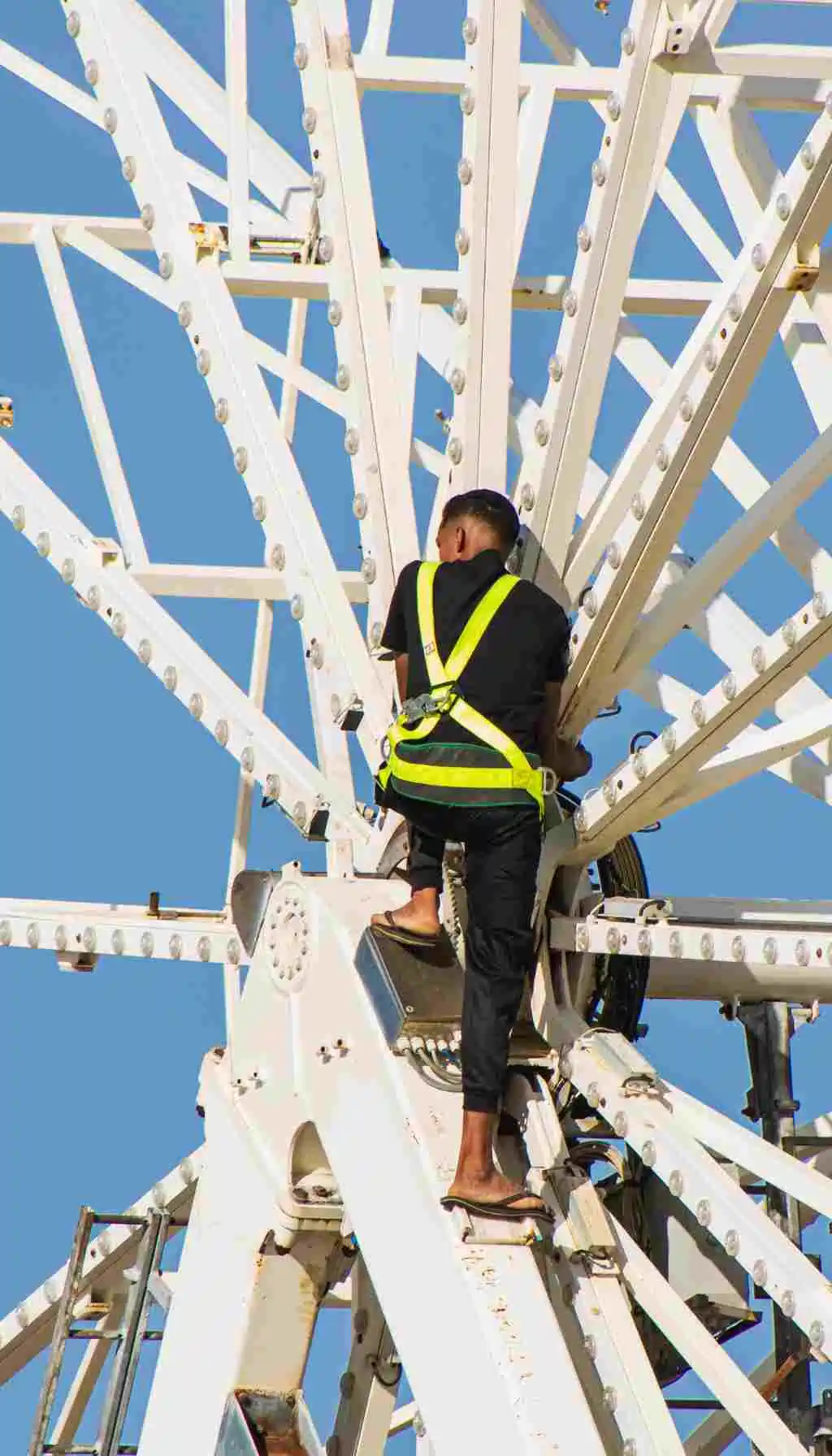
Consider practical examples across different industries: in healthcare, nurses face manual handling risks when moving patients, but the specific risks vary between experienced staff handling routine transfers and newly qualified nurses learning procedures. In construction, experienced tradespeople may face different risks than apprentices or labourers, particularly when working at height or with powered tools. Manufacturing environments may expose maintenance workers to different hazards than production operators, requiring tailored control measures for each group.
Step 3: Evaluate the Risks and Decide on Control Measures
Risk evaluation involves systematically assessing both the likelihood of harmful events occurring and the severity of potential consequences. This analysis provides the basis for prioritising control measures and allocating resources effectively. Risk rating matrices typically use scales that combine likelihood (ranging from very unlikely to almost certain) with severity (from negligible harm to fatal consequences) to produce overall risk ratings.
The cornerstone of effective risk control lies in applying the Hierarchy of Controls a systematic approach that prioritises the most effective control measures whilst recognising that multiple controls are often necessary to adequately manage risks. This hierarchy, endorsed by the HSA and recognised internationally, provides a framework for selecting appropriate control measures based on their relative effectiveness and sustainability.
HIERARCHY OF CONTROLS – QUICK REFERENCE:
- Elimination: Completely remove the hazard from the workplace
- Substitution: Replace hazardous substances, processes, or equipment with safer alternatives
- Engineering Controls: Physical controls that isolate people from hazards
- Administrative Controls: Procedures, training, and work practices that reduce exposure
- Personal Protective Equipment (PPE): Equipment worn by individuals to protect against residual risks
Practical Applications of Control Measures
Elimination represents the most effective control measure, completely removing hazards from the workplace. Examples include eliminating manual handling by redesigning processes to avoid lifting, removing hazardous chemicals from cleaning processes, or eliminating work at height through ground-level access solutions.
Substitution involves replacing hazardous elements with safer alternatives. This might include substituting toxic cleaning chemicals with safer products, replacing noisy machinery with quieter alternatives, or substituting hazardous work procedures with inherently safer approaches.
Engineering controls use physical measures to separate people from hazards. Machine guarding, local exhaust ventilation, noise enclosures, safety interlocks, and fall protection systems exemplify engineering approaches. These controls work independently of worker behaviour and generally provide reliable, long-term protection.
Administrative controls rely on procedures, training, job rotation, warning signs, and work practices to reduce exposure to hazards. Whilst important, these controls depend on consistent human behaviour and require ongoing management attention to maintain effectiveness.
Personal Protective Equipment (PPE) provides the final line of defence against residual risks that cannot be adequately controlled through other measures. PPE must be properly selected, fitted, maintained, and used consistently to provide effective protection, making it the least reliable control measure when used alone.

Step 4: Record Your Findings and Implement Controls
Irish law requires employers with three or more employees to prepare written risk assessments, but documentation serves purposes beyond mere legal compliance. Effective documentation provides a permanent record of hazards identified, risk evaluation decisions, and control measures implemented, supporting consistent implementation, training programmes, and future review processes.
DOCUMENTATION REQUIREMENTS: Risk assessment records must include identified hazards, persons who might be harmed, risk evaluation outcomes, control measures selected, implementation timelines, and review dates. The HSA expects risk assessments to be specific to actual workplace conditions rather than generic documents copied from other sources.
Comprehensive risk assessment documentation should include clear descriptions of work activities and areas covered, specific hazards identified and their sources, groups of people who might be affected, current control measures already in place, additional controls required to manage risks adequately, responsibility assignments for implementing new controls, timelines for implementation, and dates for review and updating.
Implementation Planning and Communication
Effective implementation requires systematic planning that addresses resource requirements, timelines, responsibilities, and success measures. Implementation plans should prioritise high-risk areas whilst ensuring that all identified control measures receive appropriate attention and resources.
Communication of risk assessment findings to workers fulfils both legal obligations and practical safety objectives. Workers need to understand the hazards they face, the control measures in place to protect them, their responsibilities in maintaining control effectiveness, and procedures for reporting concerns or incidents.
Training requirements flow directly from risk assessment findings, ensuring that workers have the knowledge and skills necessary to work safely within the control systems established. Training must be specific to actual workplace hazards and control measures rather than generic safety awareness programmes.
Step 5: Review and Update Your Risk Assessment
Risk assessment is not a one-time activity but an ongoing process that must adapt to changing workplace conditions, new hazards, and evolving understanding of risks. Regular review ensures that risk assessments remain current and that control measures continue to provide adequate protection.
Risk assessments must be reviewed whenever significant changes occur in the workplace. This includes changes to work processes, introduction of new equipment or substances, modifications to work areas, changes in workforce composition, and incidents that reveal inadequacies in existing controls. As a minimum, risk assessments should be reviewed annually to ensure they remain current and effective.
Monitoring the effectiveness of control measures provides essential feedback for the review process. This monitoring might include workplace inspections, incident analysis, worker feedback, and performance measurement against safety objectives. When monitoring reveals that controls are not working as intended, risk assessments must be updated and additional control measures implemented.
CONTINUOUS IMPROVEMENT APPROACH: Effective risk assessment connects to broader safety culture development, with worker feedback mechanisms, incident learning, and proactive hazard identification creating cycles of continuous improvement that enhance both safety performance and regulatory compliance.
Industry-Specific Risk Assessment Examples
Different industries face characteristic hazards that require tailored risk assessment approaches, though the underlying five-step process remains consistent. Understanding industry-specific applications helps ensure that risk assessments address the most significant hazards effectively.
Construction risk assessments must address manual handling of materials and equipment, work at height including scaffolding and roof work, mobile plant and vehicle operations, excavation and ground work hazards, noise and vibration exposure, and coordination between multiple contractors. Construction risk assessments often require dynamic updating as work progresses and site conditions change.
Healthcare environments require comprehensive assessment of biological hazards including infection risks and safe handling of specimens, manual handling of patients with consideration of patient care needs and dignity, violence and aggression risks from patients and visitors, sharps injuries and safe disposal procedures, and chemical exposures from cleaning products, pharmaceuticals, and medical gases.
Manufacturing and Office Environments
Manufacturing risk assessments typically focus on machine guarding and lockout/tagout procedures, noise exposure and hearing conservation programmes, chemical handling including storage and emergency procedures, manual handling in production and warehousing operations, and process safety risks including fire and explosion hazards.
Office environments, whilst generally lower risk, still require systematic assessment of Display Screen Equipment (DSE) risks and workstation ergonomics, slips, trips and falls including housekeeping and floor surfaces, manual handling of supplies and equipment, fire safety including evacuation procedures, and increasingly important psychosocial risks including work pressure, workplace relationships, and work organisation factors.

Identifying Hazards Through Inspection and Worker Input
Learning from common risk assessment failures helps organisations avoid predictable problems that undermine safety performance and regulatory compliance. Generic “tick-box” assessments represent perhaps the most frequent failure, where organisations use template assessments that don’t reflect actual workplace conditions and hazards.
Failing to involve workers who actually perform the work leads to risk assessments that miss important hazards and fail to consider practical implementation challenges. Workers possess invaluable knowledge about how work actually gets done, what shortcuts are commonly taken under pressure, and where existing control measures fail in practice.
Not updating assessments after changes in workplace conditions, equipment, or procedures means that risk assessments become increasingly irrelevant and fail to address current hazards. Many incidents occur precisely because risk assessments weren’t updated to reflect changed circumstances.
5-STEP RISK ASSESSMENT CHECKLIST:
- Identify all hazards through systematic workplace inspection and worker consultation
- Determine who might be harmed, considering all people who might be affected
- Evaluate risks and select control measures using the hierarchy of controls
- Document findings and implement controls with clear responsibilities and timelines
- Review and update assessments regularly and after any significant changes
Implementation and Control Measure Failures
Inadequate control measures, particularly jumping straight to PPE without considering more effective options, represents a fundamental misunderstanding of the hierarchy of controls. PPE should supplement rather than substitute for more effective engineering and administrative controls.
Poor documentation that lacks specificity or fails to provide clear guidance for workers and supervisors undermines the practical value of risk assessment. Documentation should be detailed enough to guide actual safety decisions and actions.
Not implementing recommendations identified during risk assessment represents perhaps the most serious failure, as it demonstrates that risk assessment has become a paper exercise rather than a genuine safety management tool. Implementation must include adequate resources, clear timelines, and accountability mechanisms.
Done well, risk assessment shifts safety from a box-ticking exercise to a practical, everyday way of working that genuinely protects people and performance. If you’d like support putting this five-step approach into practice, our Risk Assessment online course (https://acornstar.com/product/risk-assessment/), HSEQ consultancy services for risk assessment and compliance (https://acornstar.com/hseq-consultancy-services/) and full catalogue of accredited safety courses (https://acornstar.com/all-new-courses/) can help you build robust, legally compliant risk assessment systems that actually work on the ground.
How AcornStar Can Support Your Risk Assessment Programme
Conducting effective risk assessments requires expertise, experience, and ongoing support that many Irish organisations lack internally. At AcornStar, we provide comprehensive risk assessment support that helps organisations meet their legal obligations whilst creating genuinely safer workplaces through evidence-based approaches tailored to Irish requirements and industry contexts.
Comprehensive Risk Assessment Support
Our HSEQ consultancy services provide complete support for organisations seeking to develop or enhance their risk assessment capabilities. We conduct thorough workplace assessments that identify all significant hazards, provide expert evaluation of risks and control measure selection, develop comprehensive documentation that meets HSA requirements, and provide ongoing guidance for implementation and review processes. Our approach ensures that risk assessments reflect actual workplace conditions whilst meeting all legal requirements under Irish safety legislation.
Training and Development Services
Building internal capability for effective risk assessment requires targeted training that develops both technical knowledge and practical skills. Our training programmes include Risk Assessment Fundamentals courses that cover the five-step process and legal requirements, Hazard Recognition Training that builds skills in systematic hazard identification, Control Selection Workshops focusing on the hierarchy of controls and practical implementation, and Risk Assessment Documentation training that ensures compliance with HSA expectations. All programmes are designed for Irish workplaces with practical exercises using real workplace scenarios.
Our training content development services create customised risk assessment templates, hazard identification checklists, and training materials specific to your industry and workplace conditions. Whether you need comprehensive risk assessment development, specific training for your safety team, or ongoing support for risk management programmes, AcornStar brings practical expertise and proven methodologies to help Irish organisations create effective risk assessment systems that protect people whilst supporting business objectives.
Related Resources
Effective risk assessment connects with broader safety management initiatives. You may also find valuable our Safety Culture Development guidance, which shows how risk assessment contributes to positive safety cultures. Our Manual Handling Training programme addresses one of the most common workplace hazards identified in risk assessments. Additionally, our Wellbeing at Work programme provides specific guidance on psychosocial risk assessment requirements under Section 20 of the Safety, Health and Welfare at Work Act 2005.