
Manual Handling Mistakes, How to Prevent Musculoskeletal Injuries at Work
What You Really Need to Know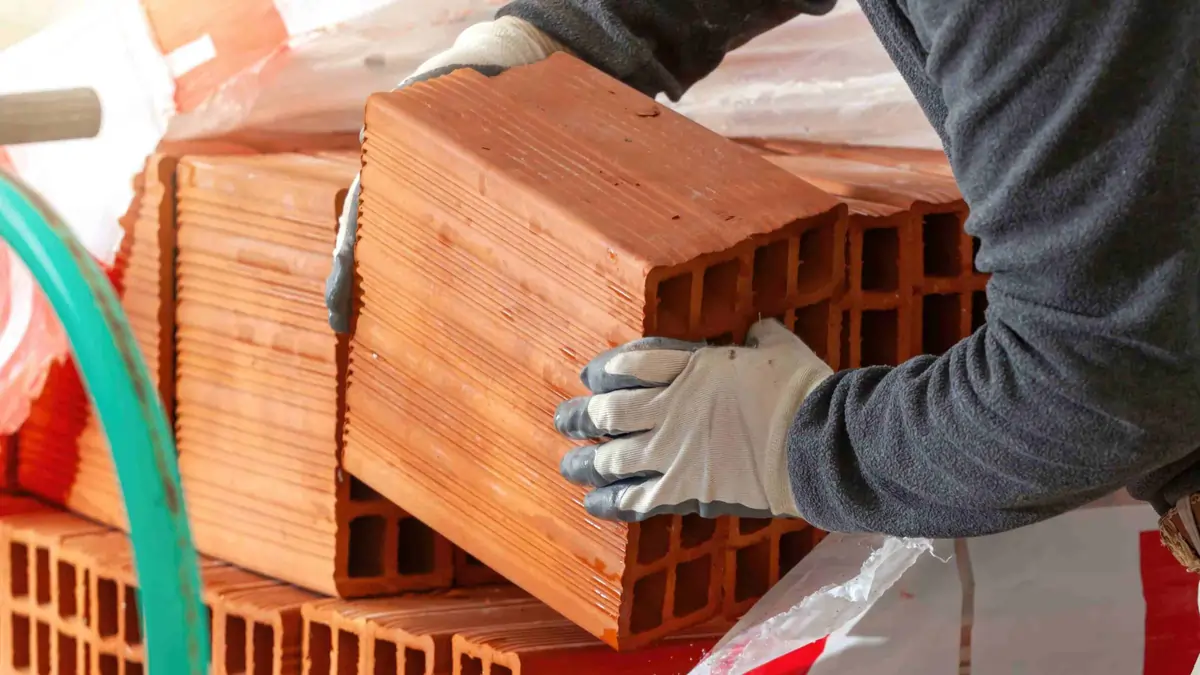
Why Manual Handling Mistakes Still Cause So Many Injuries
Manual handling injuries are among the most common and most preventable workplace injuries in Ireland. Yet musculoskeletal disorders (MSDs) continue to affect thousands of workers every year, not because the risks are unknown, but because the same mistakes keep happening.
Poor lifting technique. Skipped risk assessments. Workplaces not set up for safe movement. Training that happened once and was never reinforced.
These aren’t unusual failures. They’re routine gaps that exist across Irish workplaces in every sector from warehousing and construction to healthcare and office environments. Understanding what those gaps are, and how to close them, is the first step toward meaningful injury prevention.
This article covers the most common manual handling mistakes, what the research and regulations say about them, and what practical prevention actually looks like.
The Scale of the Problem in Ireland
Manual handling injuries aren’t a minor inconvenience. They represent one of the most significant health and safety challenges facing Irish employers today.
Musculoskeletal disorders account for over 40% of all work-related injuries reported to the Health and Safety Authority (HSA). Manual handling tasks lifting, carrying, pushing, pulling are a primary driver of that figure. Back injuries alone account for a substantial share of workers’ compensation claims across Irish workplaces each year.
Beyond the human cost, the financial impact is considerable. When you factor in medical treatment, compensation, replacement staff, and lost productivity, a single manual handling injury can cost an employer tens of thousands of euro. Prevention isn’t just the right thing to do it’s a sound business decision.
⚑ Flag for manual review: The original post cited specific figures including “over 3,000 reported injuries annually” and “180,000 lost working days.” Verify these figures against the most recent HSA annual report at hsa.ie before publishing, as statistics may have been updated.
Legal Obligations for Irish Employers
The Safety, Health and Welfare at Work Act 2005 places clear duties on Irish employers when it comes to manual handling. Employers must assess the risks associated with manual handling tasks, put in place control measures to reduce the likelihood of injury, and provide appropriate training for workers who regularly perform manual handling activities.
The HSA has also introduced QQI Level 6 manual handling training requirements, which set out structured competency standards for workers regularly engaged in manual handling tasks moving beyond one-off inductions toward proper skills development.

⚑ Flag for manual review: Confirm current QQI Level 6 manual handling requirements and whether they have been formally adopted as a mandatory standard for specific sectors. Cross-reference with HSA guidance at hsa.ie before publishing.
Failure to meet these obligations can result in enforcement action, improvement notices, and significant legal and financial exposure in the event of an injury.
How Musculoskeletal Injuries Develop
Mistake #1: Poor Lifting Technique
It helps to understand the two main ways MSDs develop, because the prevention approach differs for each.
Acute injuries happen in a single incident lifting something too heavy, moving a load in an awkward position, or making a sudden uncontrolled movement. The physical demand exceeds the body’s capacity in that moment, and injury results.
Cumulative injuries are more insidious. They develop gradually over time as repeated exposure to physical stress individually manageable, collectively damaging exceeds the body’s ability to recover. A worker may perform the same task every day for months before symptoms become noticeable. By the time pain or stiffness appears, the underlying damage has often been building for some time.
Both types are preventable. But cumulative injuries in particular require a systematic approach rather than simply reacting to reported incidents.
Early warning signs to take seriously: persistent aches or pains in the back, shoulders, or arms after work; stiffness when starting work in the morning; increased soreness with repetitive tasks; reduced grip strength; or any new or worsening pain during manual handling activities. Workers experiencing these symptoms should seek early support not push through.
The Seven Most Common Manual Handling Mistakes
Practical exercises for developing correct technique include practicing the lifting sequence without loads to build muscle memory, using progressively heavier objects to develop strength and coordination, and regular coaching to reinforce proper form. Video analysis of lifting technique can provide powerful feedback, allowing workers to see their own movement patterns and understand how modifications improve both safety and efficiency.
Mistake 1: Poor Lifting Technique
This is the most frequently observed manual handling error, and it accounts for a large proportion of workplace back injuries.
The classic mistake is bending from the waist with straight legs placing the full burden of the load and the upper body’s weight on the lower back rather than distributing it through the legs. Twisting whilst lifting adds rotational stress on top of that. Holding loads away from the body amplifies the effective weight through leverage. Any one of these errors increases injury risk significantly. Combined, they’re a reliable route to a back injury.
Correct lifting technique step by step:
- Assess the load before you touch it — weight, shape, stability, and where it’s going
- Stand close to the load, feet shoulder-width apart
- Get a firm, whole-hand grip on a stable part of the load
- Bend at the knees and hips, keeping the back straight
- Lift smoothly using leg muscles — no jerking
- Keep the load as close to your body as possible throughout
- Move in a controlled, steady way — avoid twisting
- Reverse the same technique to set the load down safely
Technique drift is common once training is out of sight. That’s why reinforcement matters more than a single session.
Mistake 2: Failing to Assess the Load
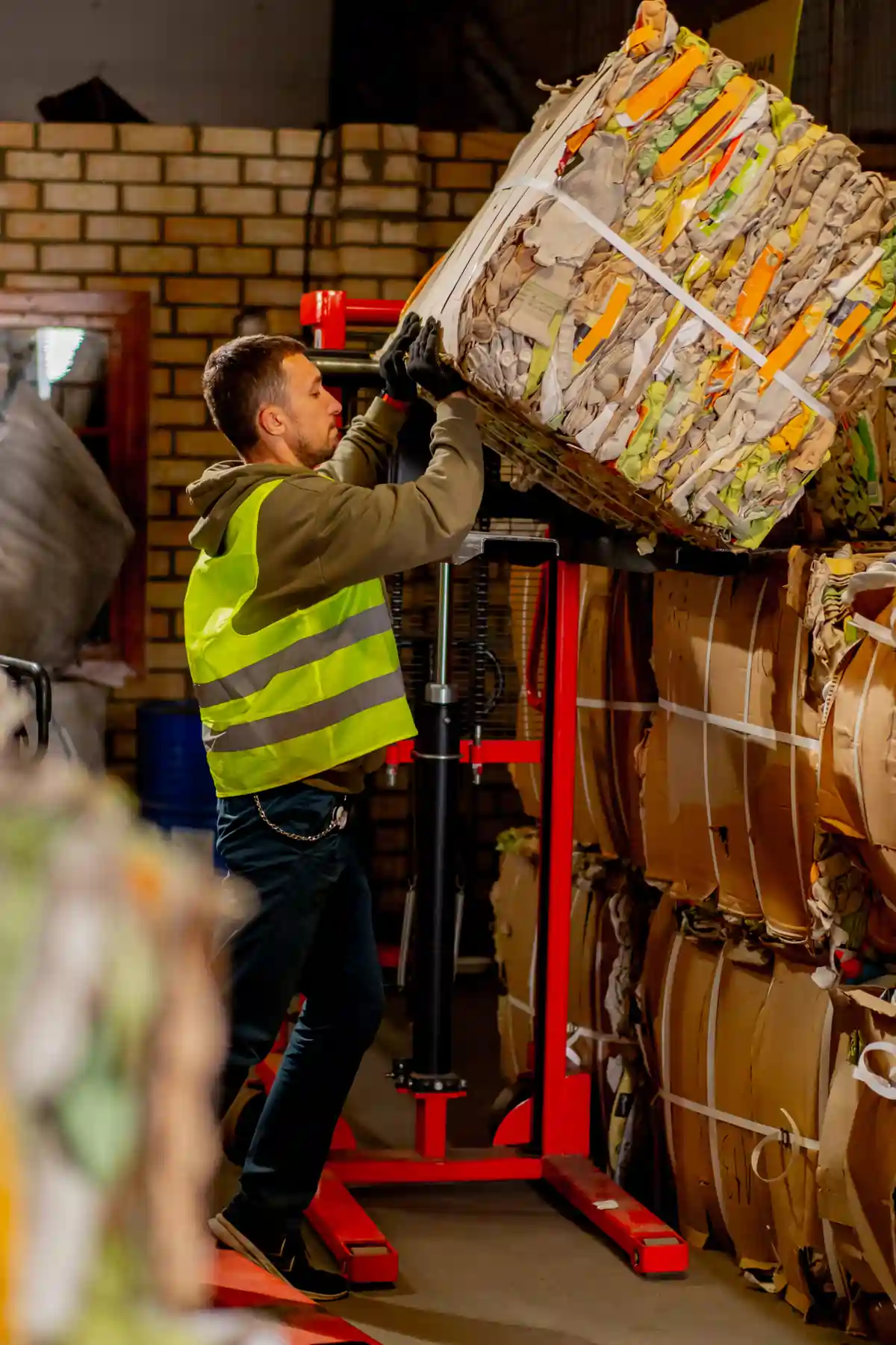
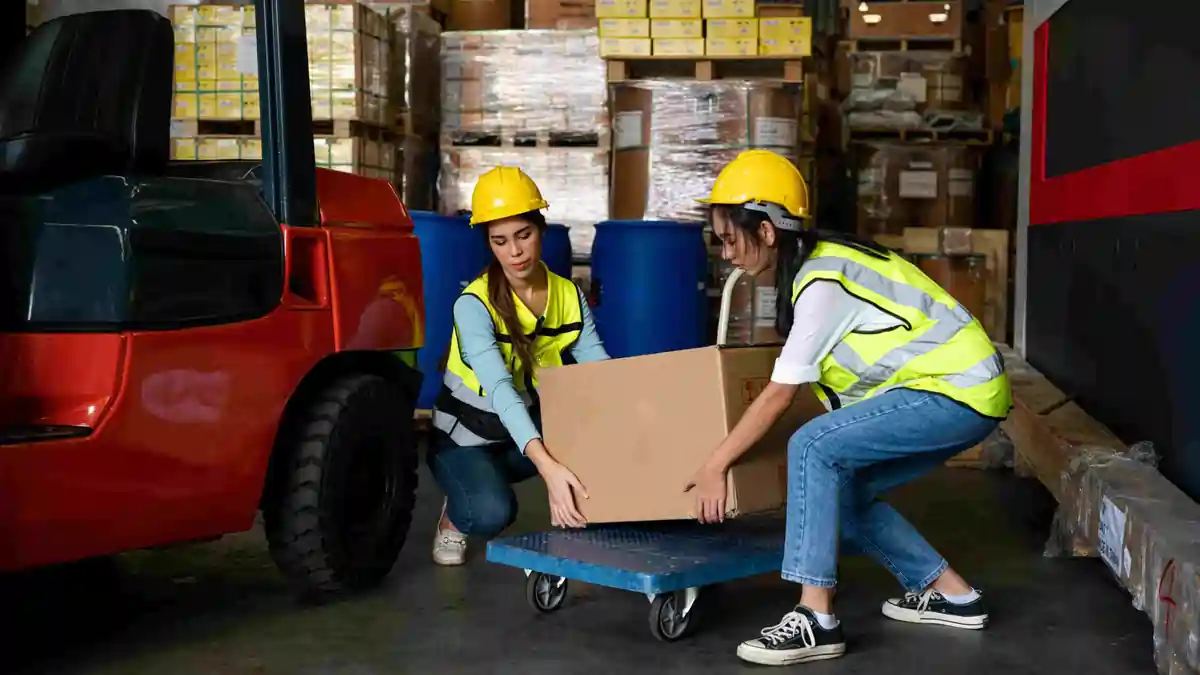
Many manual handling injuries result from workers failing to adequately assess loads before attempting to move them. Simply checking weight represents only one aspect of load assessment, as factors including shape, stability, centre of gravity, and contents significantly influence handling difficulty and injury risk. Irregular shapes may require awkward grips or postures that increase physical demands beyond what weight alone would suggest.
Unstable loads that shift during movement can cause sudden changes in forces that workers cannot anticipate or compensate for effectively. Sharp edges, extreme temperatures, or hazardous contents add additional risks that require specific precautions and handling methods. Failing to identify and plan for these factors before beginning manual handling tasks dramatically increases injury likelihood.
Best practice involves systematic load assessment using structured approaches that consider all relevant factors. Weight assessment should account for the actual weight workers must support, recognising that partial lifting or team handling may reduce individual load requirements. Size and shape evaluation identifies grip requirements and potential handling difficulties, whilst stability assessment determines whether loads might shift unexpectedly during movement.
Mistake 3: Inadequate or Generic Risk Assessments
A risk assessment copied from another business, or based on a theoretical scenario that doesn’t reflect actual working conditions, isn’t fit for purpose.
Effective manual handling risk assessment is specific to the task, the worker, the load, and the environment. It accounts for the fact that manual handling capacity varies significantly between individuals depending on physical fitness, previous injuries, training, age, and temporary factors like fatigue or illness. It considers frequency and duration of tasks, not just whether a single lift looks manageable in isolation.
Cumulative exposure patterns are a common blind spot. A task that seems fine when performed occasionally may become hazardous when repeated dozens of times a shift, every shift, over months.
Risk assessments also need to be revisited when tasks change, equipment changes, new staff join, or incidents occur. A document filed once and never reviewed offers very limited protection.
Mistake 4: Poor Working Environments
Environmental conditions have a direct impact on manual handling safety, but they’re often treated as fixed rather than factors that can be improved.
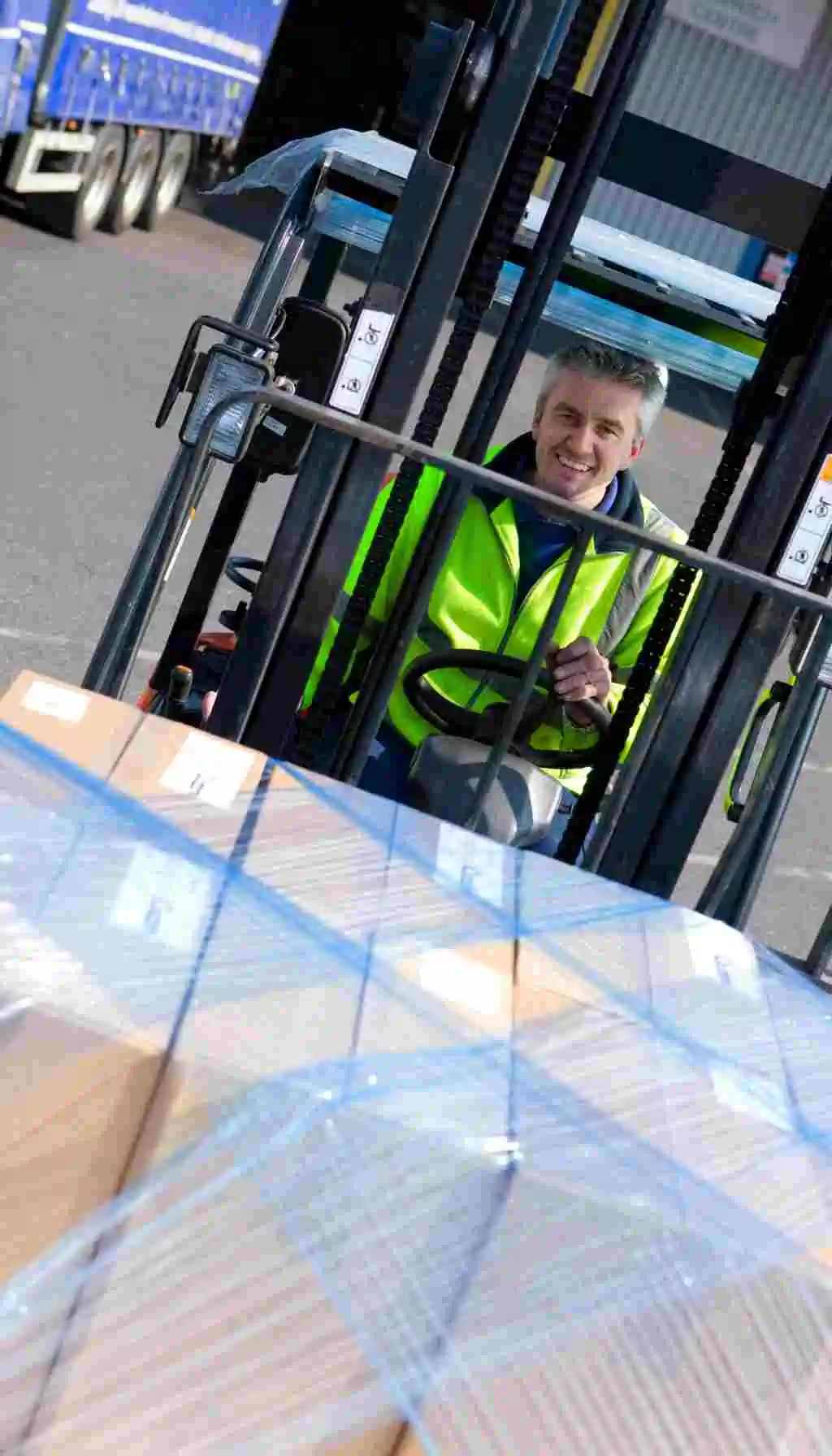
Restricted workspace forces workers into awkward postures and prevents proper lifting technique. Poor lighting reduces awareness of hazards. Wet or uneven flooring creates instability. Extreme temperatures cold reducing grip strength and flexibility, heat accelerating fatigue and impairing judgement both increase injury risk in different ways.
Environmental factors worth assessing and improving:
- Is there enough space to lift with proper posture and move freely?
- Is lighting sufficient to see loads, routes, and potential hazards clearly?
- Is the floor clean, dry, and even? Are changes in level clearly marked?
- Is temperature controlled to avoid excessive heat or cold exposure?
- Are routes clear of obstacles and tripping hazards?
- Are items stored at heights that avoid unnecessary reaching or bending?
- Is ventilation adequate to prevent overheating and fatigue?
Environmental controls are often inexpensive compared to the cost of injuries they prevent.
Mistake 5: Not Using Mechanical Aids
“It’s quicker to just lift it” is one of the most costly assumptions in manual handling safety.
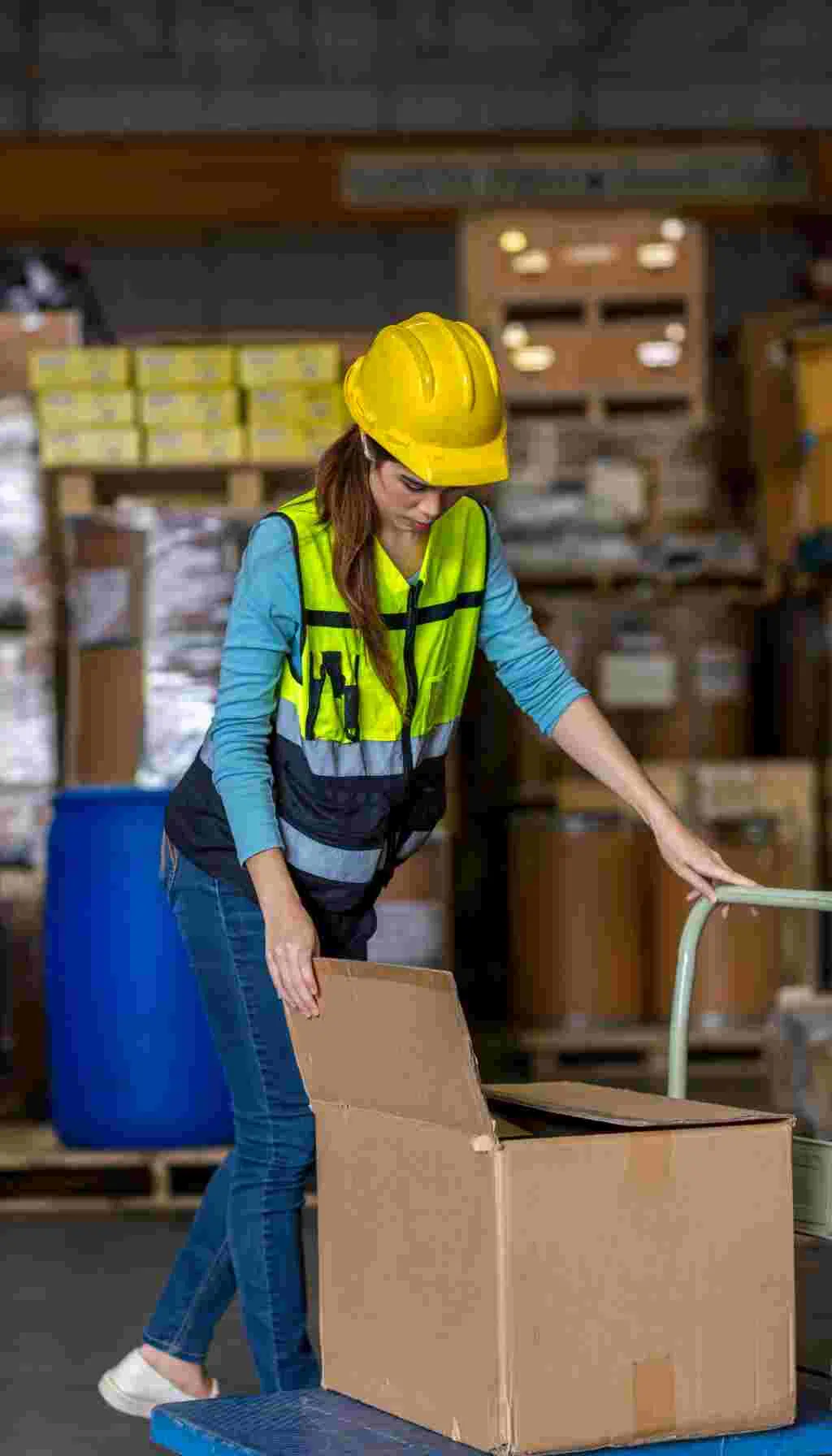
The short-term time saving from skipping a trolley or pallet truck is real. The long-term cost of the injury it may cause is far greater. Many workplaces have appropriate handling equipment available but see inconsistent use often because the equipment is poorly maintained, inconveniently stored, or workers haven’t had proper training on it.
The solution involves making mechanical aids genuinely accessible and reliable. That means regular maintenance, prompt repairs, sensible storage locations, and training workers to use equipment confidently.
Trolleys, pallet trucks, lift tables, vacuum lifts, adjustable workstations, and conveyor systems can all significantly reduce manual handling demands. In most cases, the cost of equipment is a fraction of a single injury claim.
Mistake 6: Inadequate Training
A one-off induction session isn’t enough to sustain safe manual handling practices over time.
Generic training that doesn’t address specific tasks, loads, and conditions in a particular workplace gives workers theoretical knowledge but limited practical capability. Training for temporary and contract workers is often insufficient despite those workers facing similar sometimes higher injury risks due to unfamiliarity with site-specific hazards.
Technique drift is predictable without reinforcement. Workers who received sound training six months ago may have reverted to habits that feel natural but increase risk. New equipment, process changes, and lessons from near-misses all warrant refresher content.
Effective training combines theory understanding how injuries happen and why certain techniques reduce risk with practical, task-specific skill development. Competency assessment confirms that workers can apply what they’ve learned in real conditions, not just recall it in a classroom.
Mistake 7: Ignoring Ergonomic Principles
Ergonomics how work is designed to fit the person doing it has a significant impact on manual handling safety that training alone can’t address.
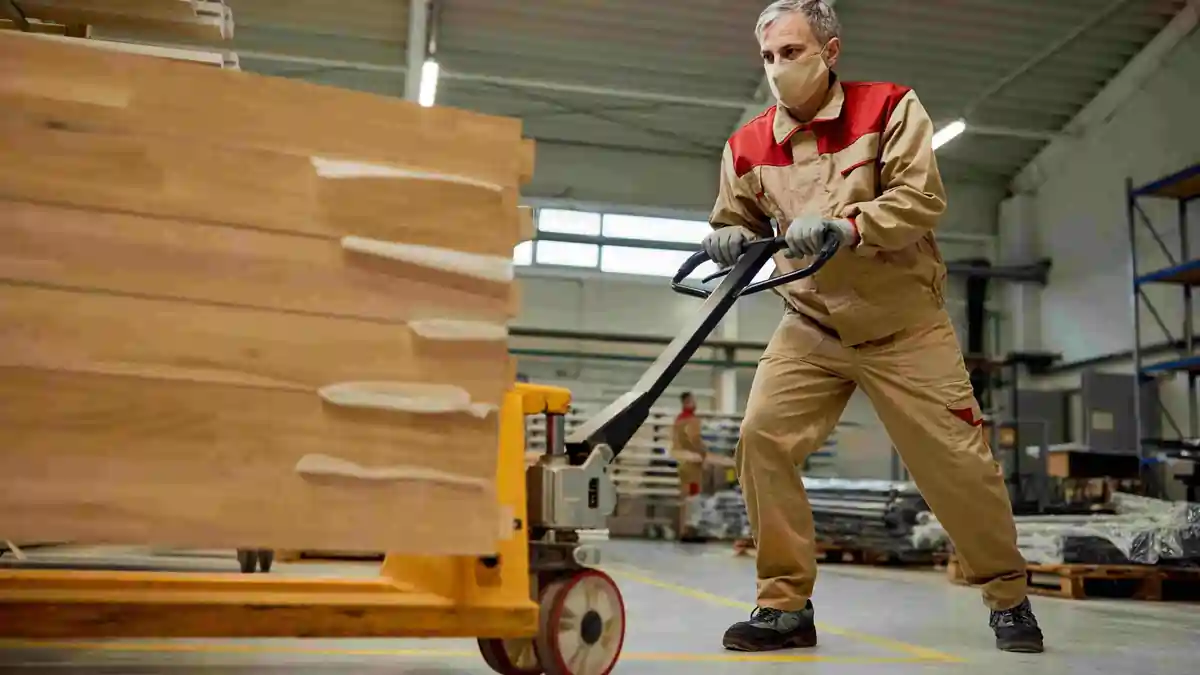
Repetitive movements without adequate recovery time create cumulative stress even when individual tasks look manageable. Working at the wrong height too low requiring constant bending, too high requiring overhead reaching places sustained strain on joints and muscles. Fixed workstations that don’t accommodate workers of different heights create ongoing physical stress for anyone outside the assumed norm.
Job rotation and task variation can relieve repetitive stress patterns whilst cross-training workers in skills that benefit both safety and operational flexibility. Adjustable workstations, appropriate seating, and thoughtful tool design are often cost-effective changes with meaningful impact on both comfort and injury rates.
Using the TILE Framework for Manual Handling Risk Assessment
The TILE framework provides a practical structure for assessing manual handling risks systematically. It ensures you consider all the relevant factors rather than focusing only on the most obvious ones.
Task — What does the job involve? Consider lifting, lowering, pushing, pulling, and carrying. How far does the load need to travel? How often is the task performed and for how long? What working heights and postures are required? Is team handling involved?
Individual — Who is performing the task? Physical capability, previous injury history, training and experience, age, pregnancy, current health status, and any temporary factors like fatigue or illness all affect what’s safe for a given worker.
Load — What is being handled? Weight, size, shape, and stability. Grip availability and surface conditions. Whether contents might shift or leak. Temperature extremes, sharp edges, or other hazard factors. Condition of packaging.
Environment — Where is the work taking place? Available space, lighting quality, flooring condition and slip resistance, temperature and ventilation, noise levels, and route conditions all influence what’s safe and what isn’t.
Working through each element of TILE before tasks are performed and building it into formal risk assessment processes provides a solid foundation for identifying and controlling manual handling risks.

Sector-Specific Considerations
While the principles of safe manual handling apply universally, the practical challenges vary by sector.
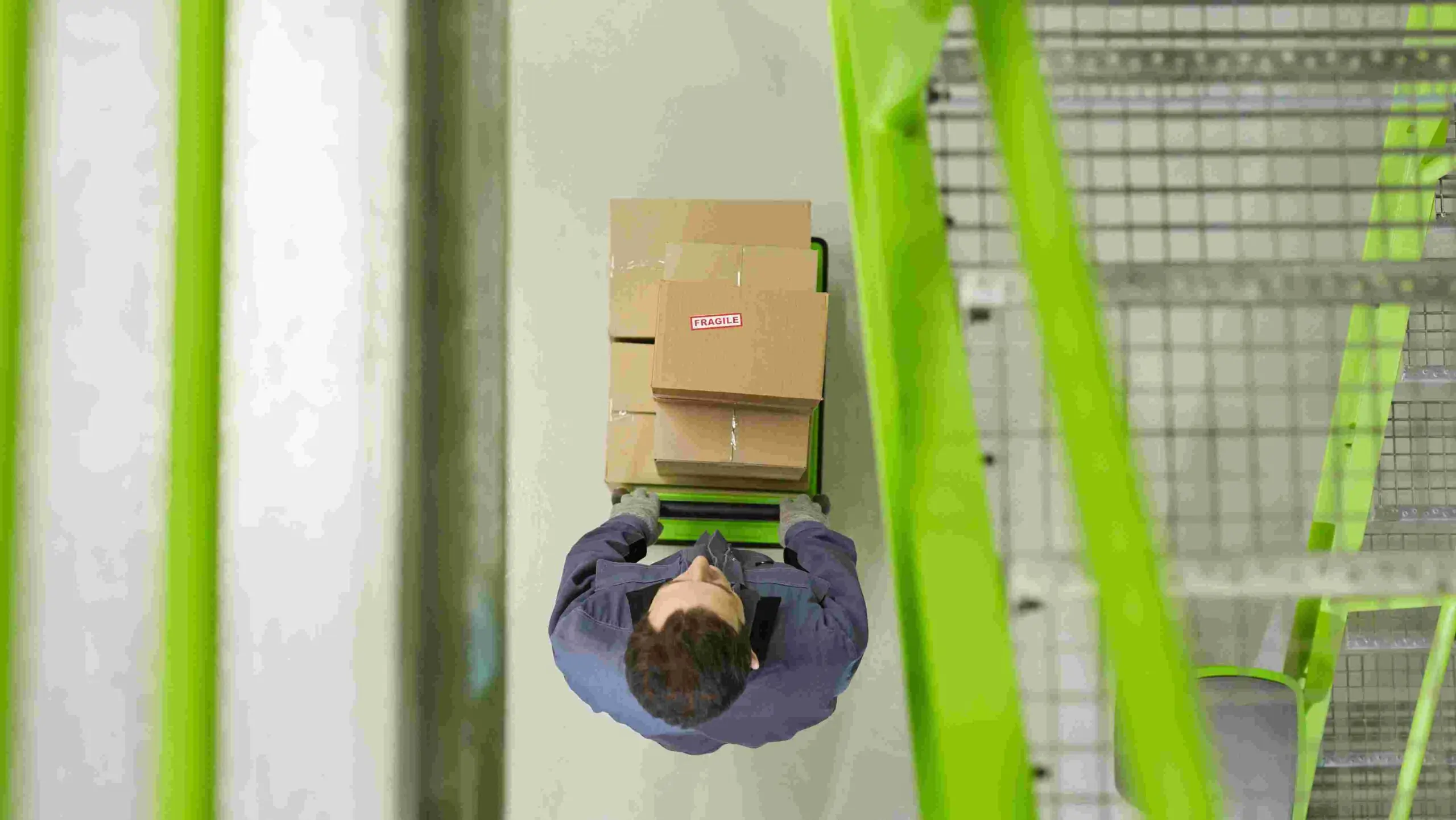
Warehousing and logistics benefit from racking height optimisation to minimise overhead reaching and floor-level bending, efficient pallet handling procedures that make full use of mechanical aids, and order-picking system design that reduces repetitive movement and unnecessary walking distances.
Construction sites present particular challenges around materials handling in variable site conditions, access limitations, and coordination between multiple trades. Strategic placement of materials and systematic handling planning can significantly reduce unnecessary movement and injury risk.
Healthcare involves patient handling alongside equipment and supply management both of which require specific assessment. Patient handling in particular carries significant MSD risk and requires purpose-specific training and equipment.
Office environments aren’t exempt. Deliveries, equipment moves, and filing systems all create manual handling demands that are often underestimated. Ensuring office workers have guidance on appropriate loads and access to aids for heavier items is worth including in any manual handling programme.
Building a Prevention Culture
Addressing individual techniques and individual tasks matters. But the most durable protection against manual handling injuries comes from embedding prevention into how the organisation operates.
That means visible management commitment demonstrated through resourcing, policy decisions, and how safety concerns raised by workers are received and acted on. It means genuine worker involvement in identifying problems and developing solutions, recognising that the people doing the work often have the clearest view of where the risks actually are.
It also means reporting systems that make it easy and safe to flag near-misses and early symptoms and early intervention programmes that respond quickly when workers report discomfort, before minor issues become serious injuries.
Monitoring and auditing, regular refresher training, and systematic review of incidents all contribute to a picture of whether prevention is actually working not just whether procedures exist on paper.

How AcornStar Supports Manual Handling Safety
Effective manual handling injury prevention combines technical knowledge of biomechanics and ergonomics with a practical understanding of workplace operations and Irish regulatory requirements.
AcornStar provides accredited manual handling training designed to meet HSA requirements whilst addressing the specific tasks, loads, and environments workers encounter in their actual jobs. Training is available for a range of sectors including warehousing, construction, healthcare, and office environments, delivered in ways that build practical skills rather than just ticking a compliance box.
Our HSEQ consultancy services include on-site manual handling risk assessments, ergonomic workplace reviews, and practical recommendations for environmental improvements and mechanical aid selection. Whether your organisation needs training delivery, risk assessment support, or help developing a longer-term manual handling safety programme, AcornStar brings experience and practical expertise to the challenge.
View our manual handling training courses or contact our team to discuss what your organisation needs.
Related Resources
- Manual Handling Risk Assessment guidance — frameworks for systematic hazard identification and control measures
- Safety Culture Development — how worker engagement contributes to injury prevention
- Wellbeing at Work — early intervention strategies for musculoskeletal disorders
- Winter Workplace Hazards — seasonal factors affecting manual handling safety
- HSA Manual Handling Guidance — official HSA guidance for Irish employers
⚑ Editor note: Update all internal links with live URLs before publishing. Verify HSA injury statistics against the most recent HSA Annual Report at hsa.ie. Confirm current QQI Level 6 manual handling requirements and their mandatory status with the HSA before referencing them as a legal requirement. The Safety, Health and Welfare at Work Act 2005 reference is accurate but may have been supplemented by more recent regulations or HSA codes of practice — confirm current position before publishing.