
Winter Workplace Safety Ireland: How Employers Can Manage Seasonal Hazards
What You Really Need to Know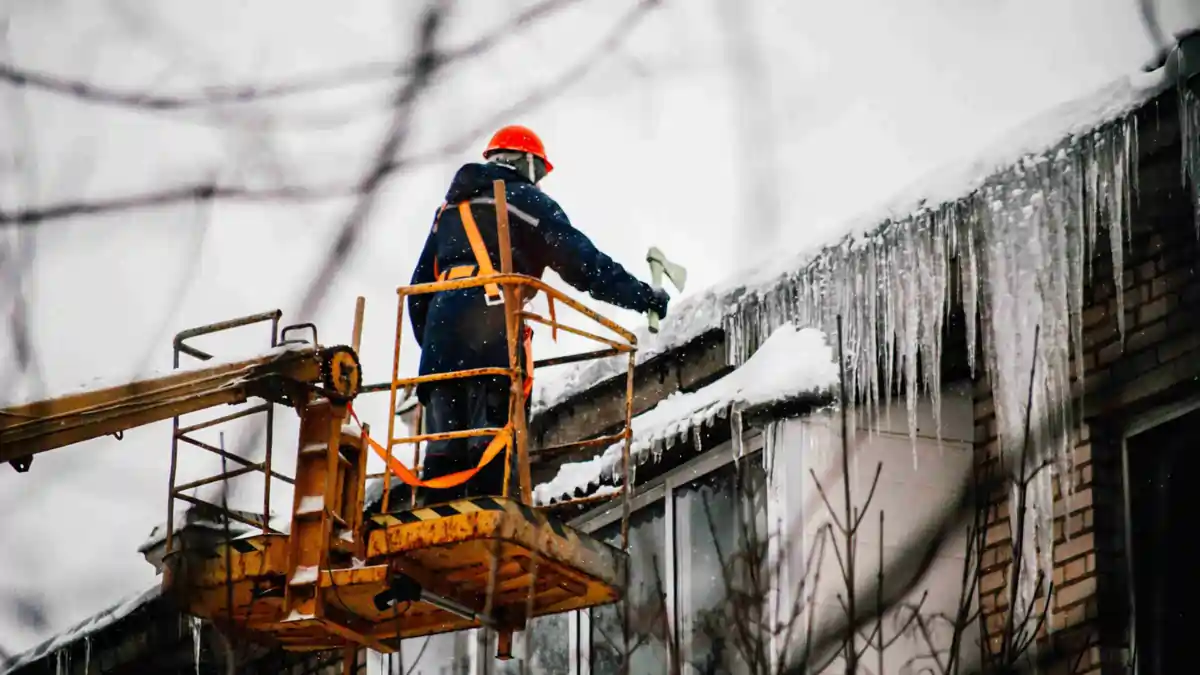
Winter Hazards in the Workplace During Irish Winters
Winter hazards in the workplace increase significantly during Irish winters, particularly due to ice, poor visibility, cold stress, and driving for work risks. Employers must identify winter hazards in the workplace through seasonal risk assessments and implement controls in line with HSA guidance.
Winter hazards in the workplace increase the risk of slips, trips, vehicle incidents, and cold-related injuries. Common winter hazards workplace managers must control include icy walkways, poor lighting, frozen access routes, and unsafe delivery areas.
Poor planning around winter workplace safety Ireland can lead to injuries, lost productivity, and HSA enforcement.
Winter’s arrival transforms Ireland’s workplaces in ways that many employers don’t fully appreciate until it’s too late. What seems like a picturesque frost on the car park becomes a liability nightmare when employees start slipping. That light dusting of snow that barely covers the grass can turn routine journeys into potentially fatal encounters. The shortened daylight hours that signal cosy evenings also herald a dramatic increase in workplace accidents that could have been prevented with proper preparation.
Driving for Work: Winter Safety Responsibilities
For Irish employers, winter isn’t just about increased heating bills and Christmas parties it’s a season that brings unique safety challenges requiring proactive management, clear policies, and comprehensive preparation. The stakes are higher than many realise, with workplace injuries spiking dramatically during the colder months, vehicle accidents increasing substantially, and emergency services stretched thin when severe weather strikes.
The Government of Ireland’s Be Winter Ready 2024-2025 campaign emphasises preparation as the key to weathering winter safely. For businesses, this preparation extends beyond keeping premises operational it means ensuring that every employee returns home safely, regardless of weather conditions.
Managing Slips, Trips and Falls Risks
The statistics paint a sobering picture of winter’s impact on Irish workplaces. Health and Safety Authority (HSA) data reveals that seven workers are injured daily from slips, trips, and falls across Ireland injuries that spike dramatically during winter months when ice, snow, and wet conditions create hazardous surfaces.
WINTER INJURY REALITY: Slips, trips, and falls represent the most common workplace accident type in Ireland. Nearly 50% of all claims made against retailers are STF-related, whilst over half of workplace ice slips occur in Transportation, Healthcare, and Public Administration sectors areas where many Irish workers are employed.
The healthcare sector alone recorded 443 non-fatal slips, trips, and falls incidents in 2023, making it the highest reported accident trigger in health and social care. These aren’t just minor bumps and scrapes they represent serious injuries requiring medical treatment, time off work, and significant costs for employers and employees alike.

What makes these statistics particularly concerning is that ice is mentioned in over 90% of ice and snow-related slips and falls. This means that the majority of winter workplace injuries are directly attributable to conditions that employers can anticipate and, with proper preparation, largely prevent.
The Hidden Costs of Winter Injuries
Beyond the immediate human cost, winter workplace injuries impose substantial financial burdens on Irish businesses. Direct costs include workers’ compensation claims, medical expenses, and temporary replacement staff. Indirect costs encompass lost productivity, training replacement workers, increased insurance premiums, and potential legal expenses from serious incidents.
Research indicates that the total cost of a workplace slip, trip, or fall averages €8,500 per incident when all factors are considered. For employers facing multiple winter incidents, these costs can quickly escalate to significant financial exposure that threatens business viability.
Slips, Trips, and Falls The Invisible Epidemic
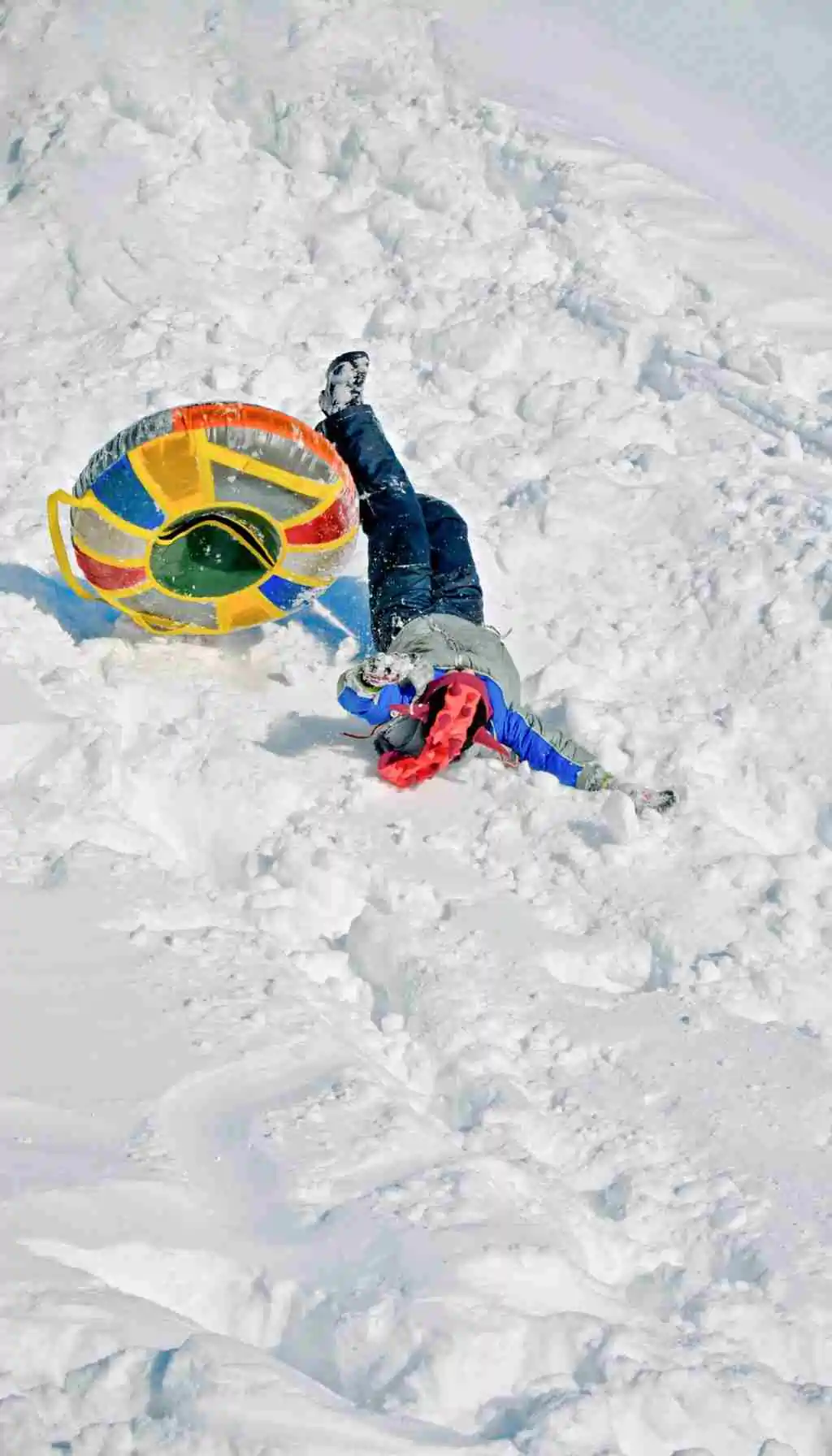
Slips, trips, and falls may seem like minor workplace hazards compared to industrial accidents or vehicle collisions, but their frequency and impact make them a critical concern for Irish employers. HSA winter readiness guidance emphasises that these incidents are largely preventable with appropriate preparation and ongoing maintenance.
The mechanics of winter STF incidents follow predictable patterns. Ice formation creates ultra slippery surfaces that provide insufficient friction for safe walking. Snow accumulation disguises hazards like kerbs, steps, and uneven surfaces. Wet conditions from rain and melting create consistently slippery conditions that persist throughout the winter months.
PREVENTION INSIGHT: The most effective STF prevention combines proactive surface treatment, regular monitoring, appropriate footwear policies, and clear communication about hazardous conditions. Prevention is always more effective and cost-efficient than reactive responses to incidents.

High-Risk Areas and Activities
Certain workplace areas present elevated STF risks during winter months. External walkways, car parks, loading docks, and building entrances are obvious hazard zones. However, internal areas also pose risks when employees bring wet conditions indoors on clothing and footwear, creating slippery floors in reception areas, corridors, and stairwells.
Activities that increase STF risk include rushing due to cold conditions, carrying items that obstruct vision of walking surfaces, wearing inappropriate footwear for conditions, and working in
areas with poor lighting during shortened daylight hours.
Driving for Work When the Road Becomes a Workplace Hazard
Driving for work presents amplified risks during Irish winter conditions, with vehicles involved in 45-50% of all work-related deaths reported to the HSA. Between 2010 and 2019, 217 work-related deaths involved vehicles a stark reminder that the road can become a lethal workplace when winter conditions combine with work pressures.
The HSA’s winter driving guidance emphasises that employers bear significant responsibility for employees who drive as part of their work duties. This responsibility extends beyond providing vehicles to ensuring that driving policies address winter conditions, that employees receive appropriate training, and that unrealistic schedules don’t pressure drivers to take dangerous risks.
EMPLOYER LIABILITY REALITY: The new 2025 Driving for Work Guidance, jointly published by HSA, RSA, and An Garda Síochána, clarifies that health and safety law applies to work-related driving just as rigorously as to factory floor operations. Employers cannot delegate this responsibility they must actively manage driving risks.
High-Risk Areas in Winter
Irish winter driving conditions create multiple risk factors that compound normal driving hazards. Ice formation, particularly black ice, can be invisible to drivers while dramatically reducing vehicle control. Snow accumulation affects visibility, vehicle handling, and stopping distances. High winds common in Irish winter weather can destabilise vehicles, particularly high-sided commercial vehicles.
Reduced daylight hours mean that more work-related driving occurs in darkness, when visibility is compromised and driver fatigue increases. Winter weather also creates traffic delays that can pressure drivers to speed or take risks to maintain schedules.
Vehicle Preparation and Maintenance
Proper vehicle preparation significantly reduces winter driving risks. Essential preparation includes tyre condition assessment and possible winter tyre installation, battery testing and replacement if necessary, antifreeze level verification, heating and demisting system checks, and emergency equipment provision.
The Be Winter Ready campaign emphasises keeping fuel tanks near full during winter to prevent fuel line freezing and to ensure adequate fuel for extended journeys caused by weather delays. Emergency equipment should include warm clothing, food and water, torch with spare batteries, mobile phone charger, first aid kit, and basic tools.
Employer Responsibilities Under Irish Law
Irish employers face comprehensive legal obligations for winter workplace safety under the Safety, Health and Welfare at Work Act 2005 and associated regulations. These obligations require proactive identification of winter hazards, implementation of appropriate control measures, provision of suitable training and information, and maintenance of safe systems of work despite challenging weather conditions.
For driving for work activities, the joint HSA/RSA guidance clarifies that employers must establish and maintain safe driving policies that address winter conditions, ensure vehicle suitability and maintenance, provide appropriate driver training, and avoid creating pressures that encourage unsafe driving practices.
LEGAL COMPLIANCE CHECKLIST FOR WINTER:
- Conduct comprehensive winter hazard identification and risk assessment
- Implement surface treatment and maintenance programmes for external areas Establish clear policies for driving for work in adverse weather
- Provide appropriate personal protective equipment for cold weather work
- Develop emergency procedures for severe weather events
- Train employees on winter safety procedures and hazard recognition
- Monitor weather forecasts and implement response protocols
- Maintain records of winter safety measures and incident investigations
- Review and update winter safety procedures based on experience and incidents Ensure adequate insurance coverage for winter-related risks
Documentation and Record Keeping
Effective winter safety management requires systematic documentation of hazard assessments, control measures implemented, training provided, and incidents investigated. This documentation serves multiple purposes: demonstrating compliance with legal obligations, supporting insurance claims and legal defences, identifying patterns and improvement opportunities, and providing evidence of reasonable care and diligence.
Key documentation includes written winter safety policies and procedures, records of risk assessments and control measures, training records for all relevant personnel, weather monitoring logs and response decisions, maintenance records for winter safety equipment, and incident reports with investigation findings and corrective actions.
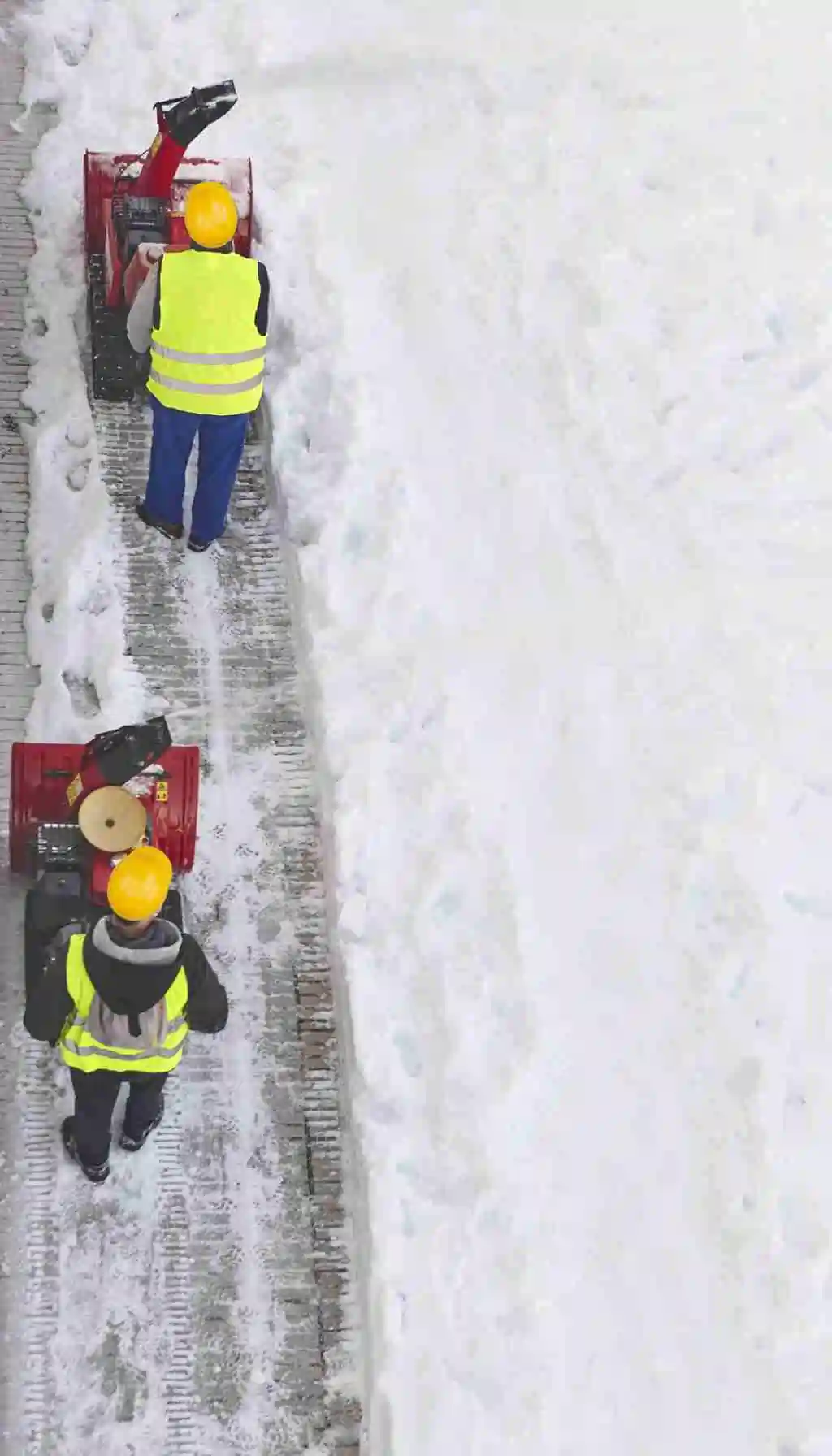
Cold WeatheaHigh-Risk Areas in Winterr Health Risks
Cold weather presents direct health risks to workers, particularly those working outdoors or in unheated environments. Hypothermia, frostbite, and cold stress can develop rapidly in Irish winter conditions, especially when combined with wet weather and wind chill effects that are common throughout the country.
Cold stress occurs when the body cannot maintain its core temperature, leading to reduced physical and mental performance, increased accident risk, and potential serious health consequences. Early symptoms include shivering, reduced dexterity, fatigue, and impaired judgement all of which increase the likelihood of workplace accidents.
Vulnerable Worker Groups
Certain worker groups face elevated risks from cold weather exposure. Older workers may have reduced circulation and heat generation. Workers with certain medical conditions, including diabetes, cardiovascular disease, and thyroid disorders, may be more susceptible to cold stress. Workers taking certain medications may have altered responses to cold conditions.
Outdoor workers, including construction, agriculture, transportation, and maintenance personnel, face obvious exposure risks. However, indoor workers can also be affected when heating systems fail, when working in warehouses or industrial facilities with limited heating, or when transitioning frequently between indoor and outdoor environments.
COLD WEATHER PROTECTION: Effective cold weather protection combines appropriate clothing systems (layering for insulation and moisture management), work scheduling to limit exposure duration, provision of warm shelter areas for breaks, and training on recognising cold stress symptoms in themselves and colleagues.
Practical Prevention Strategies for Employers
Successful winter workplace safety requires systematic approaches that address both predictable hazards and unexpected severe weather events. The most effective strategies combine proactive preparation, ongoing monitoring and maintenance, clear communication systems, and regular training and awareness programmes.
Surface Treatment and Maintenance
Preventing STF incidents requires systematic surface treatment and maintenance programmes. This includes pre-treatment of anticipated hazard areas, prompt response to changing conditions
throughout winter days, appropriate selection and application of de-icing materials, and regular inspection and maintenance of drainage systems to prevent ice formation.
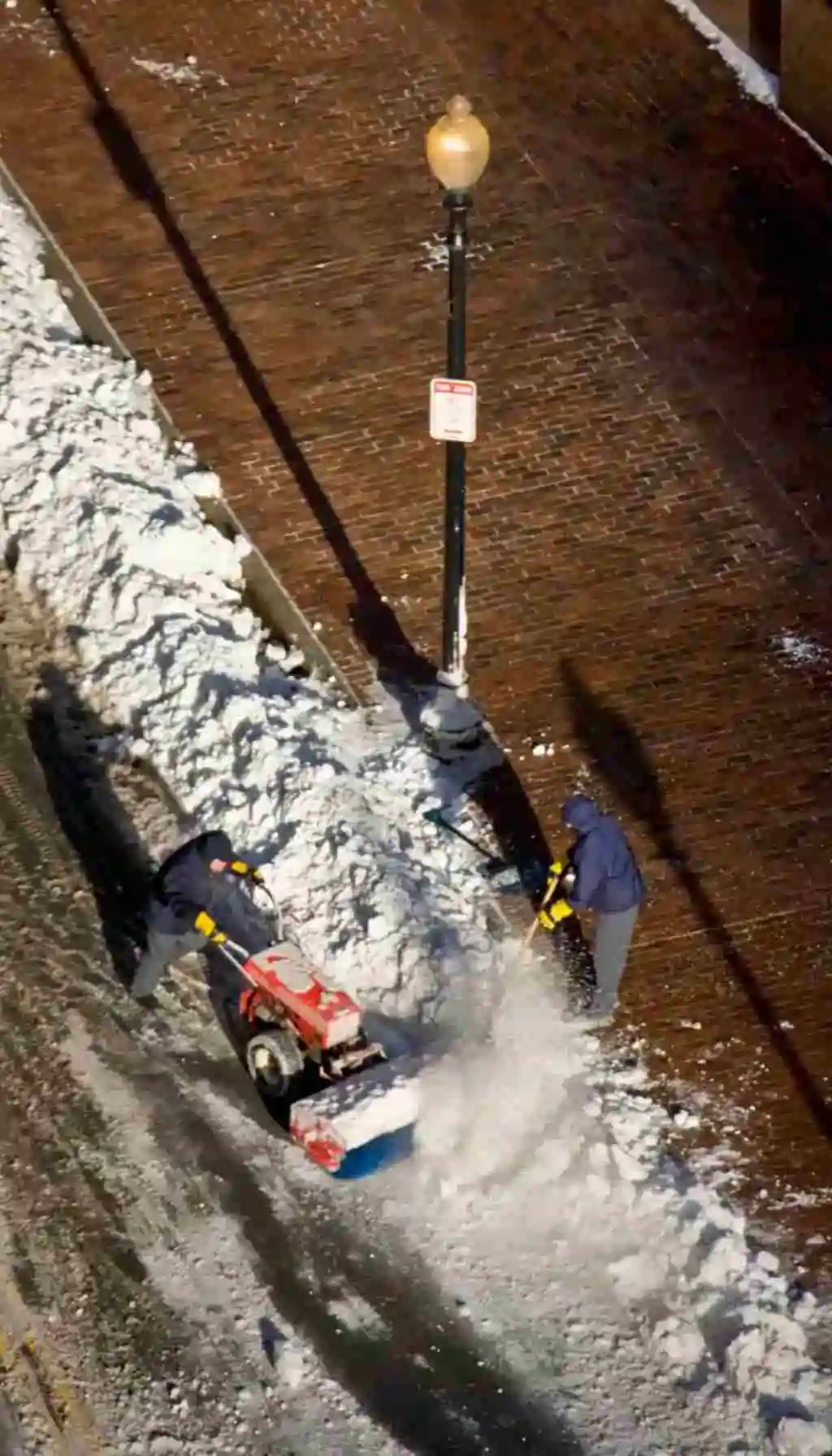
Effective surface treatment considers both immediate safety needs and environmental impact. Rock salt remains the most common de-icing material but can damage vegetation and contribute to groundwater contamination. Alternative materials like calcium magnesium acetate provide effective de-icing with reduced environmental impact, though at higher cost.
Weather Monitoring and Response
Proactive weather monitoring enables timely responses to changing conditions. This includes subscribing to professional weather services that provide workplace-specific forecasts, establishing clear criteria for implementing winter safety measures, training personnel to recognise changing conditions and respond appropriately, and maintaining communication systems to coordinate responses across multiple locations or shifts.
Response protocols should specify actions for different weather conditions, from light frost requiring basic surface treatment to severe weather necessitating travel restrictions or workplace closure. Clear authority levels ensure rapid decision-making when conditions deteriorate quickly.

Integration with Management Systems
Integrate social sustainability requirements with existing management systems rather than creating parallel processes. Companies with ISO 45001 certification can build upon existing frameworks to demonstrate comprehensive social sustainability practices.
This integration should extend to board-level governance, senior management review processes, internal audit programmes, and performance measurement systems. Social sustainability cannot be delegated to a separate department it requires organisation-wide commitment and systematic management.
Emergency Preparedness Essentials
Winter weather can create emergency situations that disrupt normal operations and strand workers at workplace locations. Effective emergency preparedness ensures that workplaces can maintain essential functions and protect personnel when severe weather strikes.
Essential emergency preparations include maintaining emergency supplies for extended stays, including food, water, heating, and medical supplies, establishing communication protocols for contacting employees and emergency services, developing procedures for safe evacuation or shelter-in-place decisions, and coordinating with local emergency services and utility providers.
EMERGENCY PLANNING STATISTICS: Research shows that workplaces with comprehensive emergency plans experience 60% fewer weather-related incidents and 40% faster recovery times from severe weather events. Investment in emergency preparedness typically returns €4-7 for every euro spent through reduced incident costs and business continuity maintenance.
Business Continuity Planning
Winter weather can disrupt business operations through power outages, transportation failures, staff absences, and supply chain interruptions. Business continuity planning ensures that essential operations can continue and that recovery occurs efficiently when conditions improve.
Key business continuity elements include identifying critical business functions and personnel, establishing alternative work arrangements including remote work capabilities, maintaining emergency contact lists and communication systems, coordinating with suppliers and customers about weather contingencies, and documenting procedures for rapid restoration of normal operations.
Training Requirements for Winter Safety
Effective winter safety depends on competent personnel who understand hazards, recognise changing conditions, and respond appropriately to protect themselves and colleagues. Training requirements span from general winter safety awareness to specialist skills for personnel with specific responsibilities.
General winter safety training should cover hazard recognition and risk assessment, appropriate personal protective equipment selection and use, safe work practices for cold and slippery conditions, emergency procedures for severe weather events, and communication protocols for reporting hazards and incidents.
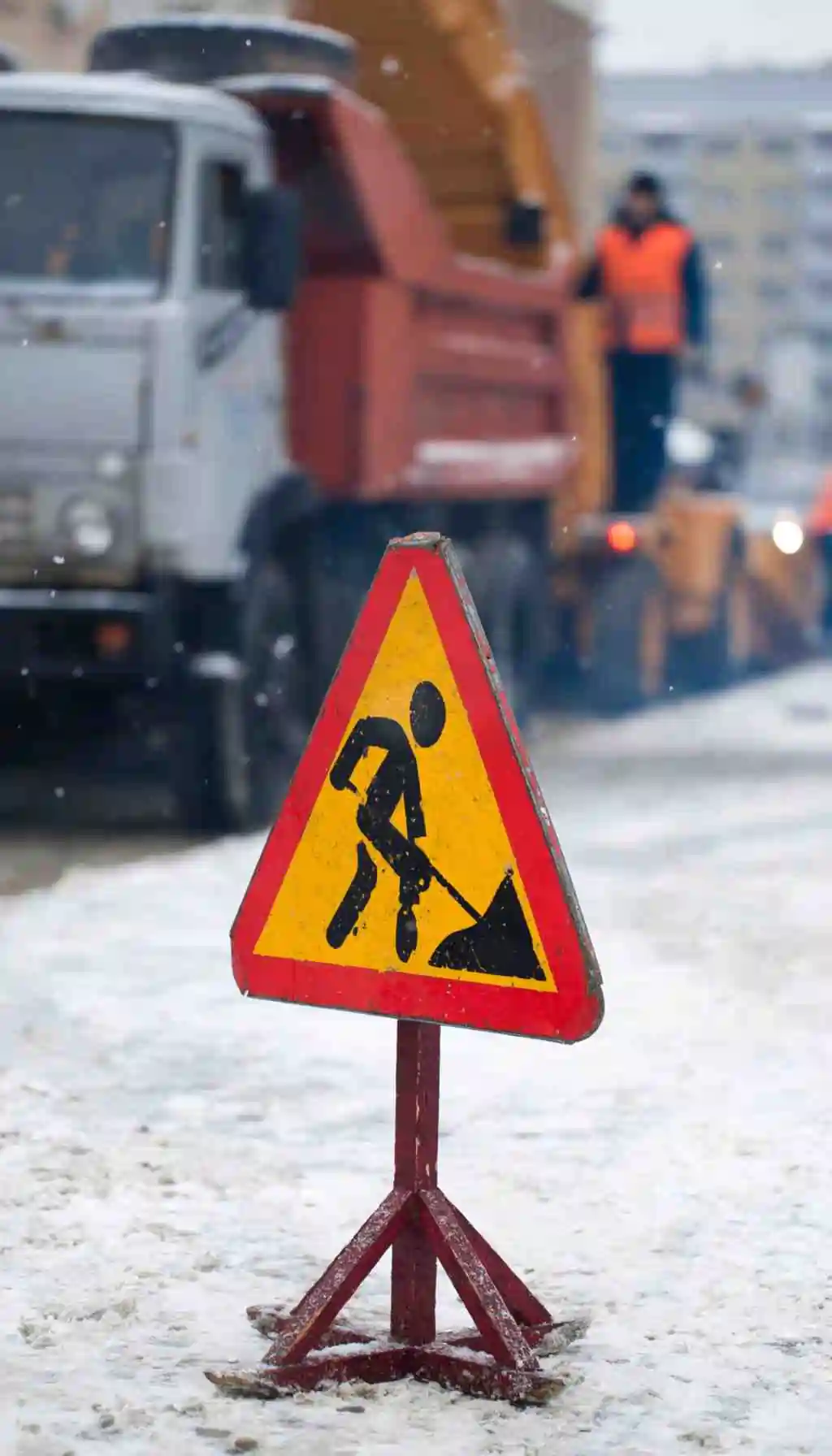
Specialist Training Requirements
Personnel with specific winter safety responsibilities require enhanced training. Facilities management staff need training in surface treatment techniques, weather monitoring and response protocols, emergency equipment operation and maintenance, and coordination with emergency services and contractors.
Supervisory personnel require training in recognising cold stress symptoms, implementing work modifications for severe conditions, making decisions about work continuation or suspension, and communicating effectively with workers about changing conditions and safety requirements.
TRAINING EFFECTIVENESS: Winter safety training is most effective when delivered before winter conditions arrive, reinforced with regular updates throughout the season, combined with practical exercises and drills, and supported by clear policies and procedures that personnel can reference when needed.
Winter safety doesn’t need to feel overwhelming when you have clear plans, trained people and reliable support in place. If you’d like help preparing your team for the season ahead, our HSEQ Consultancy Services (https://acornstar.com/hseq-consultancy-services/), Slips/Trips/Falls Prevention training (https://acornstar.com/product/slips-trips-falls-stf/) and Driving for Work online course (https://acornstar.com/product/driving-for-work/) can help you manage winter risks confidently and keep your workplace safe whatever the weather brings.
How AcornStar Can Support Your Winter Safety Preparedness
Preparing for winter workplace hazards requires expertise in risk assessment, practical implementation experience, and ongoing support throughout the challenging winter months. At
AcornStar, we help Irish employers develop comprehensive winter safety programmes that protect workers, ensure legal compliance, and maintain business continuity during adverse weather conditions.
HSEQ Consultancy Services
Our safety specialists work with your team to assess winter-specific risks, develop practical prevention strategies, and implement effective safety management systems. We provide expertise in winter hazard identification and risk assessment, surface treatment and maintenance programme development, emergency preparedness planning, and compliance with HSA requirements for winter safety. Learn more about our HSEQ consultancy services.
Specialised Winter Safety Training
Effective winter safety requires competent personnel at all levels. We design and deliver targeted training programmes including our Driving for Work online course covering winter driving risks and legal compliance, Slips/Trips/Falls Prevention training focused on winter hazards and control measures, and Emergency Preparedness training for severe weather response. Our programmes combine regulatory knowledge with practical skills that work in real Irish workplace conditions. Explore our training content development services.
Whether you need comprehensive winter safety programme development, specific training for high-risk activities, or ongoing support throughout the winter season, AcornStar brings practical expertise, Irish regulatory knowledge, and a commitment to delivering solutions that protect your people and your business.
Related Resources
Winter safety often connects with other compliance areas. You may also find valuable: Chemical Safety: Winter Storage and Handling guidance on managing chemical substances during cold weather, including storage requirements and handling precautions when temperatures drop. Additionally, our ISO 9001:2026 Quality Management Systems programme helps businesses develop systematic approaches to seasonal safety planning and risk management that complement winter hazard preparation.