
Food Safety Culture Ireland: What EHOs Look For
Food safety culture is now a core part of how Irish food businesses are assessed not just an abstract idea. In October 2025, the FSAI published Guidance Note 44 specifically to help food businesses establish, maintain, and evidence an appropriate food safety culture, and to support official agencies in assessing it during inspections. This guide explains what food safety culture means in practice, whether it's a legal requirement, and how to build and evidence it before your next EHO visit.
What Is Food Safety Culture in Ireland?
Food safety culture describes how everyone in a food business managers and employees alike think and act around food safety on a consistent, day-to-day basis. It’s the difference between a HACCP plan that exists on paper and one that’s genuinely lived out in daily practice.
The FSAI is explicit that food safety culture complements the safe food practices businesses already have in place it isn’t a replacement for HACCP, but the behavioural and attitudinal foundation that determines whether HACCP actually works.
Is Food Safety Culture a Legal Requirement?
Yes. Food businesses are required to establish, maintain, and provide evidence of an appropriate food safety culture under Regulation (EC) No 852/2004, as amended by Commission Regulation (EU) 2021/382. Implementation should be proportionate to the nature and size of the business a five-person café isn’t expected to have the same systems as a large manufacturing site, but both need to demonstrate genuine, appropriate culture for their scale.
The Five FSAI Food Safety Culture Principles
Guidance Note 44 sets out five guiding principles for food businesses:
-
- Management Commitment & Leadership — managers and leaders must lead by example, provide the necessary resources, ensure roles and responsibilities are clear, and actively prioritise food safety at all times.
- Communication & Awareness — open, two-way communication between employees and management, with everyone aware of food safety hazards through effective communication and tailored training.
- Employee Engagement — genuine staff involvement helps maintain the integrity of the food hygiene system, rather than food safety being something done to staff rather than with them.
- Maintaining & Verification — ongoing checks that food safety practices are actually being followed, not just documented once and forgotten.
- Continuous Improvement — non-conformances are investigated, root causes addressed, and lessons learned systematically applied.
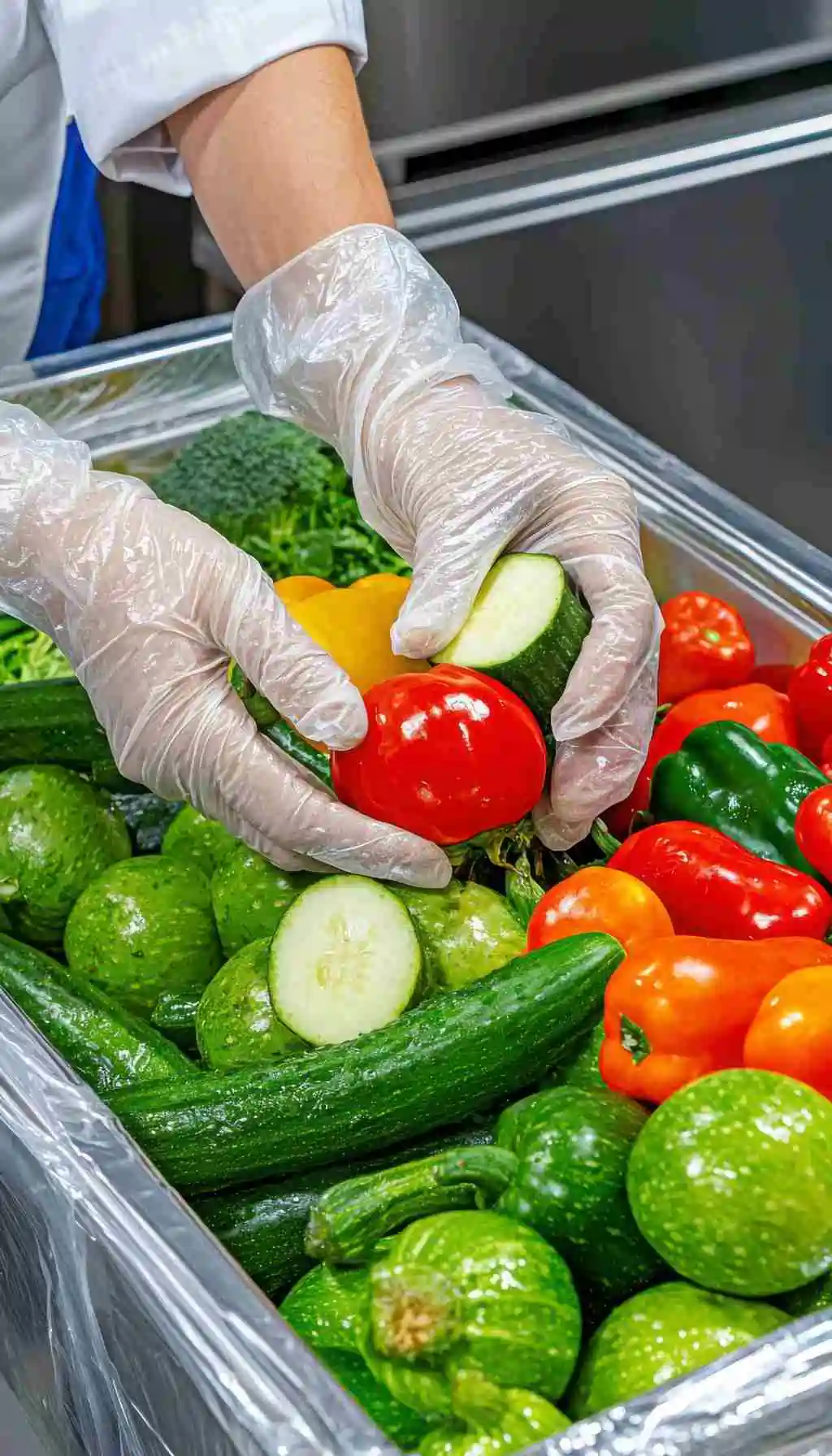

How Food Safety Culture May Be Assessed During an Inspection
Assessing culture isn’t as simple as checking whether a temperature log exists — it requires observation and conversation. During inspections, officials may:
- Speak with staff at multiple levels, not just managers, to check genuine understanding rather than memorised answers
- Observe whether documented procedures match actual practice — for example, whether handwashing, temperature checks, and glove changes are genuinely happening
- Assess whether management is actively engaged with food safety, or has delegated it and moved on
- Look at how the business responds when problems are found — whether the response is defensive and blame-focused, or constructive and root-cause driven

How to Evidence a Strong Food Safety Culture
The FSAI’s Guidance Note includes practical tools, such as a self-assessment checklist, to help businesses evaluate their own culture. Strong evidence typically includes:
- Records of management participation in training and food safety reviews
- Documentation that’s current, detailed, and shows natural variation — not suspiciously perfect or identical entries
- A working near-miss or incident reporting system that staff actually use
- Evidence that corrective actions include root cause analysis, not just “fixed it”
Training, Communication and Staff Engagement
Training should be role-appropriate and go beyond one-off compliance courses:
- Provide accredited HACCP training suited to each role (Level 1, 2, or 3)
- Schedule regular, role-appropriate refresher training rather than waiting until certifications lapse
- Use toolbox talks and shift briefings for ongoing reinforcement between formal courses
- Hold regular team meetings with food safety as a standing agenda item, not an afterthought
HACCP Records, Corrective Actions and Management Review
Documentation quality reveals culture more than almost anything else. Strong systems show:
- HACCP plans that are living documents, updated when menus, suppliers, or procedures change
- Corrective action logs with genuine root cause investigation, not vague entries
- Evidence of regular management review of records and food safety performance
- Internal audits conducted on a regular schedule, with findings followed through

Food Safety Culture Checklist for Irish Businesses
- Management can discuss the HACCP plan and recent corrective actions in detail
- Staff can explain food safety procedures in their own words, not just recite them
- Training records are current, accredited, and role-appropriate
- A near-miss or incident reporting system exists and is genuinely used
- Regular team meetings include food safety as a standing item
- Documentation shows natural variation, not suspiciously perfect records
- Resources (equipment, staffing, time) are adequate to complete food safety tasks properly
- Corrective actions include root cause analysis and follow-up verification

Food Safety Culture FAQs
Is food safety culture the same as HACCP?
No. HACCP is the documented system; food safety culture is the shared values and behaviours that determine whether that system is genuinely followed in practice.
Does food safety culture apply to small businesses too?
Yes — the FSAI is explicit that implementation should be proportionate to the size and nature of the business, but the underlying requirement applies to all food businesses.
What’s the biggest sign of weak food safety culture?
A gap between what’s documented and what’s actually happening — for example, temperature logs that look perfect but don’t match observed practice, or staff who can’t explain why a procedure exists.
How can training help build food safety culture?
Training that focuses on understanding the “why” behind procedures — not just the “what” — helps staff engage genuinely rather than simply complying on paper.
Ready to build a food safety culture that holds up to scrutiny? Explore our HACCP training programmes or contact us to discuss your business’s needs.