
Fire Warden Responsibilities Ireland: Duties & Checklist
Key Fire Warden Duties, Daily Checks and Evacuation Responsibilities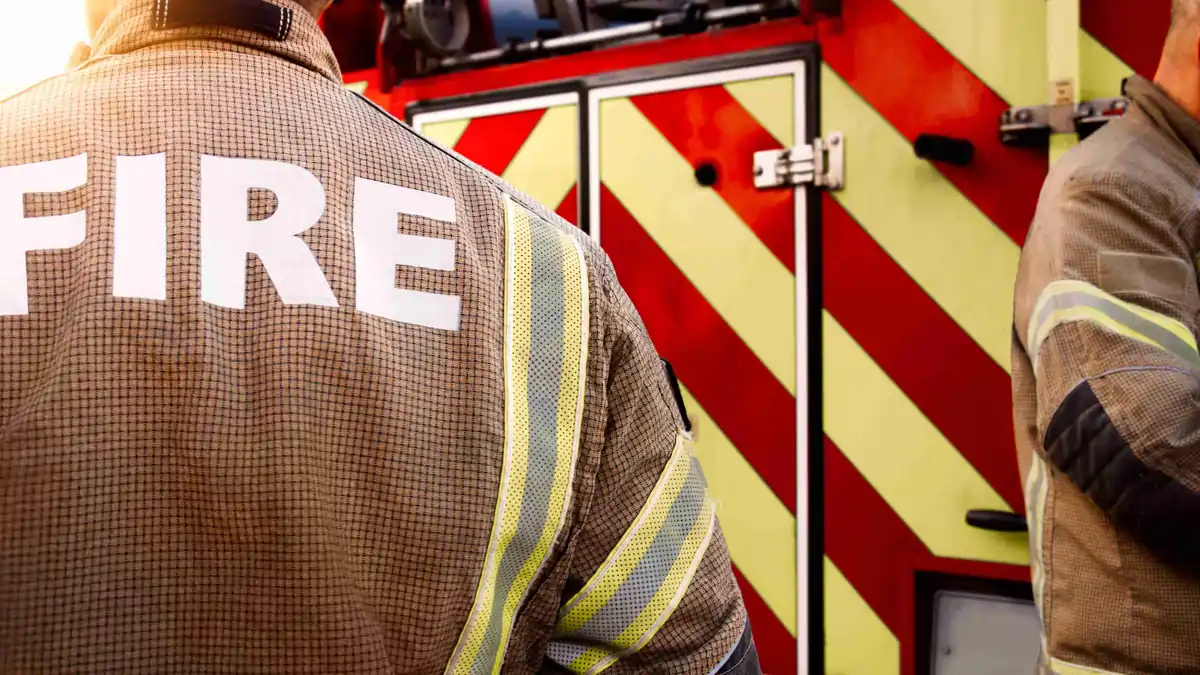
What Fire Warden Responsibilities Ireland Law Requires
Under the Safety, Health and Welfare at Work Act 2005, employers in Ireland must prepare adequate emergency plans and procedures and provide appropriate measures for fire-fighting and workplace evacuation. Employers must also designate employees where necessary to implement these procedures and ensure they have appropriate training and equipment. HSA
A fire warden can form an important part of these workplace arrangements. Their responsibilities may include helping to identify fire hazards, checking escape routes, supporting fire drills and assisting with an orderly evacuation during an emergency.
The number of people assigned fire safety responsibilities and the duties they perform should reflect the workplace’s size, layout, activities and risks. Employers should determine appropriate arrangements through their risk assessment and emergency planning. HSA
This guide explains common fire warden responsibilities in Ireland, including routine fire safety checks, evacuation duties, fire drills and the training needed to carry out the role effectively.

What Exactly Is a Fire Warden?
A fire warden (sometimes called a fire marshal or fire safety officer) is a person designated to help support workplace fire safety and emergency procedures. Their role can include routine fire safety checks, helping employees understand evacuation procedures and assisting during fire drills or emergencies.
Irish workplace safety law requires employers to have appropriate emergency procedures and, where necessary, designate employees to implement them. The specific fire safety arrangements required will depend on factors such as the workplace, its activities and the risks identified.
Key Fire Warden Duties and Responsibilities
Before the Emergency: Prevention and Preparedness
Much of a fire warden’s role takes place before an emergency occurs. Regular checks and good preparation can help identify fire safety issues and ensure evacuation arrangements remain effective.
Regular Fire Safety Checks
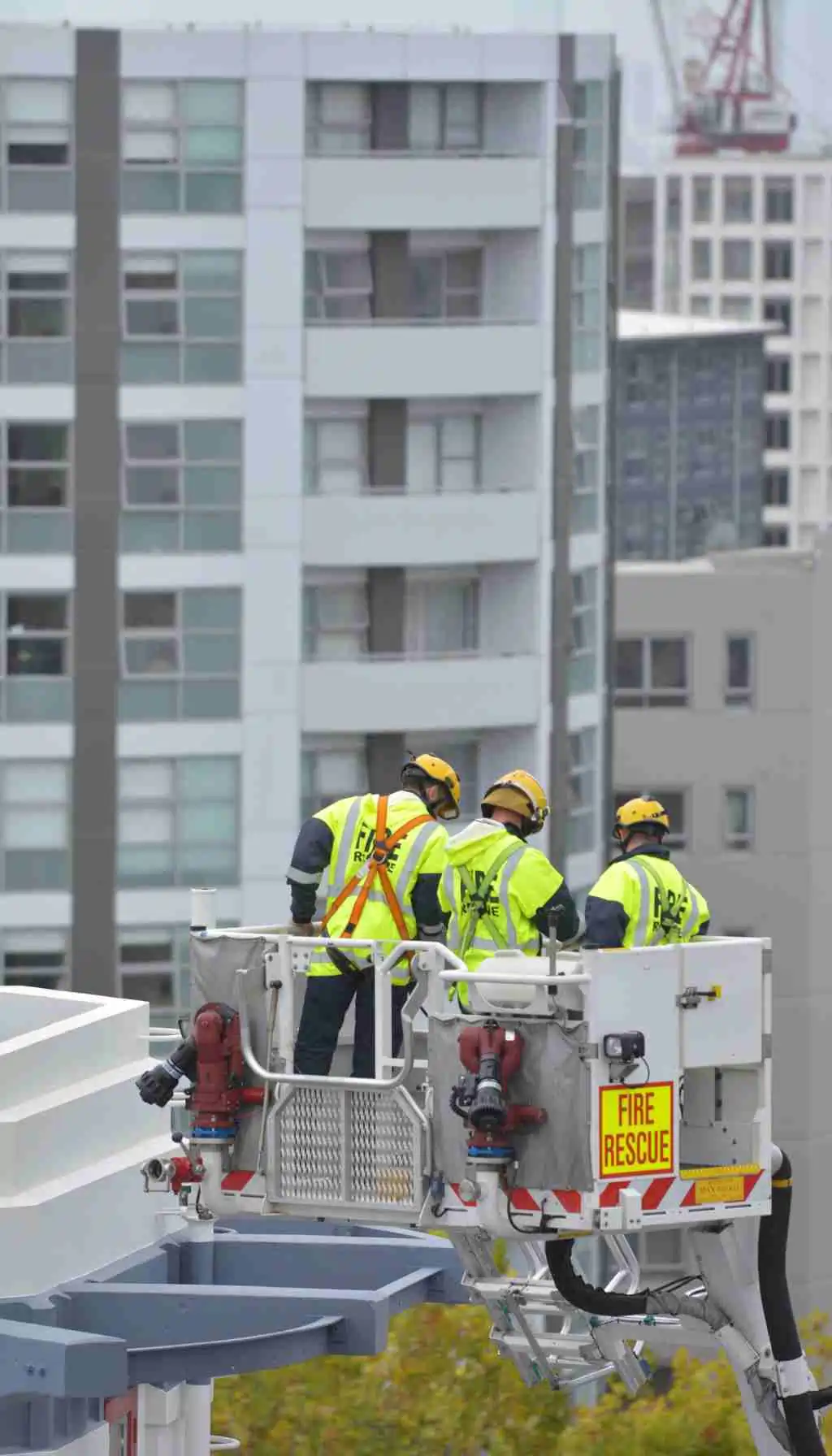
Fire wardens may carry out routine workplace checks to help identify potential fire safety issues. These can include checking that escape routes and fire exits remain clear, fire doors are unobstructed, fire-fighting equipment is accessible and emergency signage and lighting are in place.
Maintaining Fire Safety Equipment
Fire wardens may help monitor workplace fire safety equipment as part of routine checks. This can include reporting damaged or discharged extinguishers, checking that fire-fighting equipment remains accessible and identifying obstructed or improperly secured fire doors. Servicing and maintenance should be carried out by appropriately competent persons.
Risk Assessment Support
Fire wardens may also support the employer’s fire risk assessment and emergency planning by identifying potential hazards or changes in workplace conditions. Their familiarity with the workplace can help highlight issues such as obstructed escape routes, combustible materials or other factors that could affect evacuation.
During the Emergency: Coordination and Evacuation
During an emergency, a fire warden may help implement the workplace evacuation procedure in accordance with their training and the organisation’s emergency plan.
Initiating and Managing Evacuation
Depending on the workplace emergency plan, fire warden duties during an evacuation may include:
- Raising the alarm if they discover a fire
- Directing people to the nearest safe exit
- Checking designated areas where it is safe to do so
- Assisting people with mobility issues or other needs
- Preventing people from re-entering the building
- Accounting for everyone at the assembly point
Communication with Emergency Services
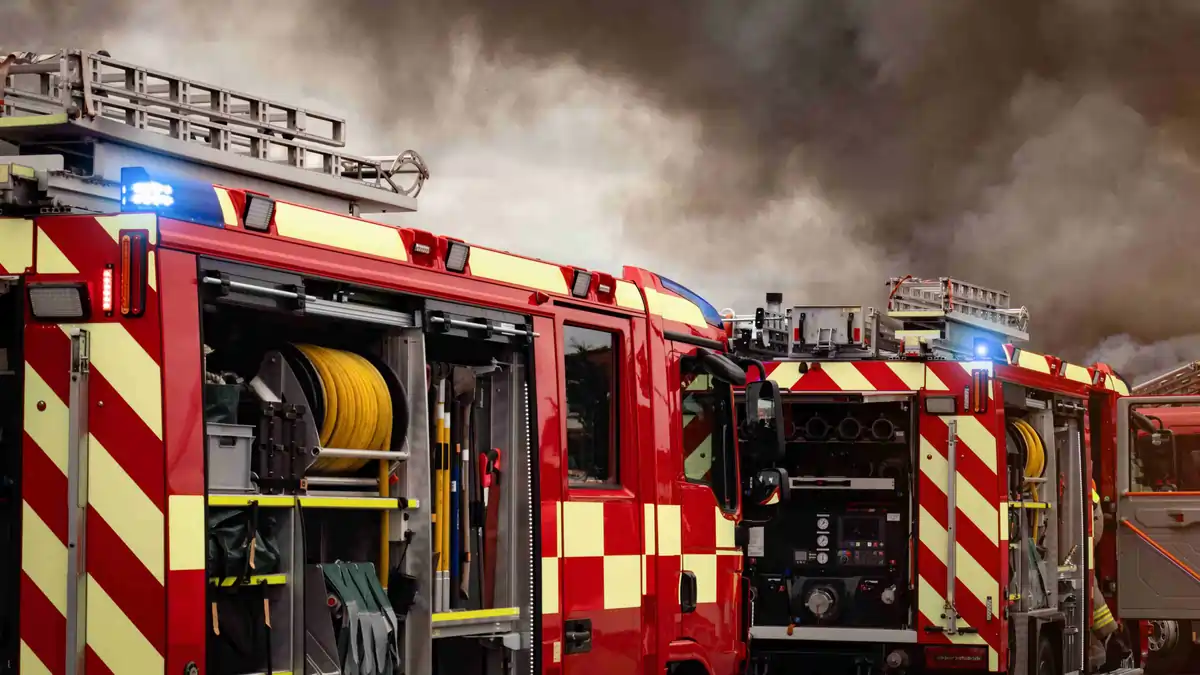
Depending on the workplace emergency plan, a fire warden may help provide emergency services with useful information about the building, the location of the fire, known hazards and whether anyone may still be unaccounted for. Clear communication can help emergency responders understand the situation when they arrive.
Using Fire Safety Equipment
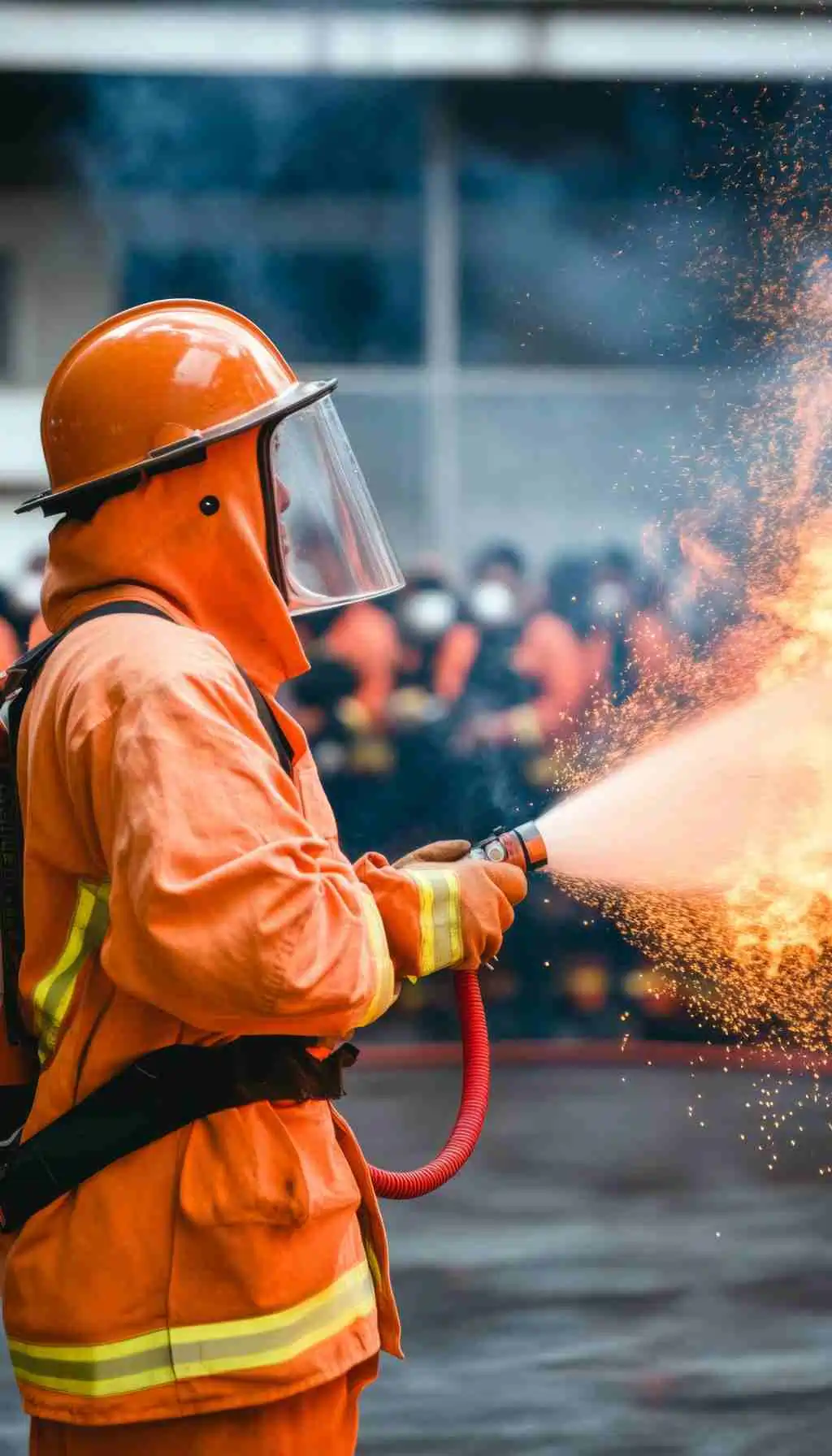
Evacuation and personal safety should always take priority. Where a fire warden has received appropriate training and it is safe to do so, they may use suitable fire-fighting equipment on a small, contained fire. They should also understand when attempting to fight a fire would be unsafe and evacuation is the appropriate response.
After the Emergency: Review and Improvement
Once everyone is safe, the fire warden’s job still isn’t finished.
Post-Incident Reporting
Depending on workplace procedures, fire wardens may help document what happened, how the evacuation progressed, any problems encountered and lessons learned. This information can help improve future emergency procedures.
Debriefing and Training Updates
Fire wardens may also participate in debriefings following fire drills or actual incidents. Reviewing what worked well and identifying areas for improvement can help strengthen evacuation procedures, staff awareness and future fire safety training.
Key Skills for an Effective Fire Warden
Effective fire wardens need more than an understanding of workplace fire procedures. Useful skills and qualities can include:
Staying Calm Under Pressure
During an emergency, staying calm and following the workplace evacuation procedure can help a fire warden provide clear guidance to others.
Clear Communication
Fire wardens should be able to give clear, easy-to-understand instructions during drills and emergencies and communicate effectively with colleagues who may have different needs.
Attention to Detail
Good attention to detail can help fire wardens identify potential issues during routine checks, such as obstructed escape routes, inaccessible fire-fighting equipment or fire doors being improperly held open.
Leadership and Authority
During an evacuation, fire wardens may need to give clear instructions, direct people towards safe exits and discourage re-entry until it is safe to return.
Local Knowledge
Fire wardens should be familiar with the areas they are responsible for, including escape routes, emergency exits, assembly points and the location of relevant fire safety equipment.
Fire Warden Training: Why It Matters
Fire wardens need appropriate training to understand their responsibilities and the workplace’s emergency procedures. Under Irish workplace safety requirements, employees designated to implement emergency plans and procedures must receive adequate training and have the appropriate equipment available to them. HSA
Depending on the workplace and the fire warden’s assigned responsibilities, training may cover:
- Understanding workplace fire hazards and fire prevention
- Recognising potential fire risks
- Understanding fire extinguishers and other fire-fighting equipment
- Evacuation procedures and assembly points
- Assisting people who may need additional support during evacuation
- Fire drills, emergency procedures and reporting
Fire warden training should also be reviewed and refreshed where necessary to ensure designated employees remain competent in their responsibilities. Additional or refresher training may be appropriate when workplace risks, emergency procedures, equipment or an employee’s responsibilities change. HSA
Common Misconceptions About Fire Wardens
“Fire wardens are responsible for putting out fires.”
Not necessarily. A fire warden’s primary role is to support workplace fire safety and evacuation procedures. Where they have received appropriate training and it is safe to do so, they may use suitable fire-fighting equipment on a small, contained fire.
“Anyone can be a fire warden without training”
Employees designated to carry out emergency procedures should receive appropriate training for their responsibilities. Training helps fire wardens understand workplace procedures and carry out their assigned duties safely and effectively.
“Fire wardens only matter during fire drills”
Fire wardens can support fire safety throughout the year by helping identify potential hazards, checking escape routes and supporting workplace emergency preparedness.
“It’s an extra burden with no benefits”
Fire warden training can help employees develop useful skills in emergency preparedness, communication, hazard awareness and workplace safety.
Building a Strong Fire Safety Culture
Fire wardens are most effective when their role forms part of a broader workplace fire safety culture. This can include:
- Management commitment to fire safety
- Regular communication about fire risks and emergency procedures
- Giving fire wardens appropriate training, information and support
- Recognising the importance of their role
- Making fire safety a shared workplace responsibility
When employees understand fire risks, evacuation procedures and their responsibilities, fire wardens are better supported in carrying out their role effectively.
Get Your Team Properly Trained with Acorn Star
Effective fire wardens need appropriate training to understand their responsibilities and support workplace emergency procedures. Acorn Star provides online Fire Warden Training designed to help employees understand workplace fire safety, evacuation procedures and their role during an emergency.
Training can help designated employees understand fire hazards, emergency procedures, evacuation responsibilities and the actions they may need to take before, during and after an emergency.
Need fire warden training for your workplace? Explore our Fire Warden Training course or contact Acorn Star to discuss your team’s training requirements.