
Chemical Safety Management for Employers How Irish Businesses Stay Compliant
What You Really Need to Know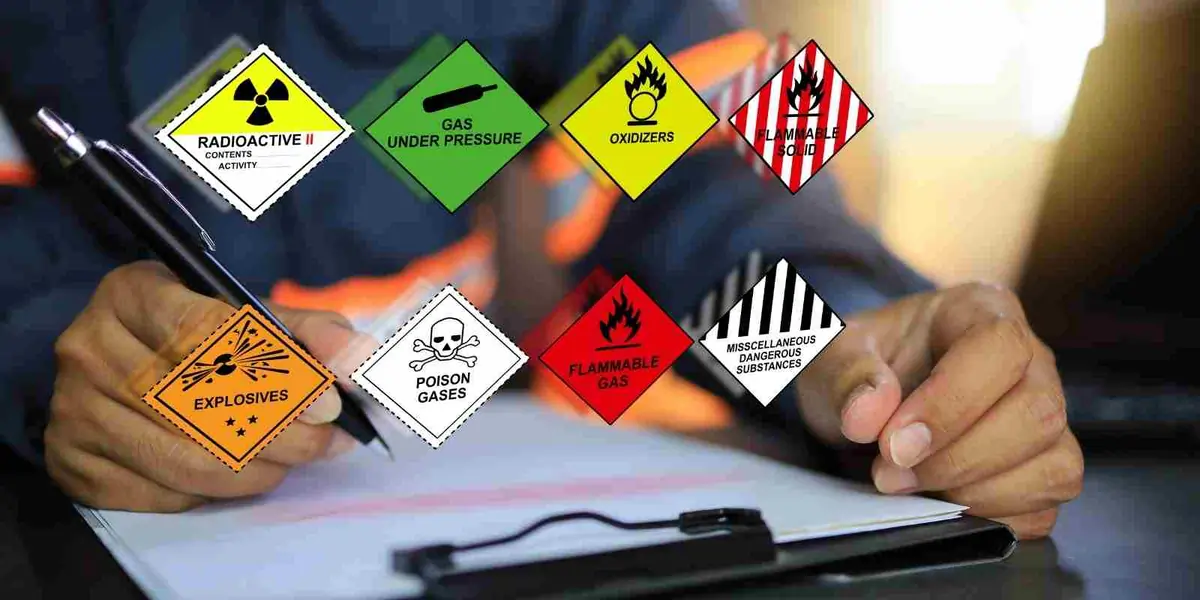
Why Digital Safety Management Systems Are Now Essential
Chemical safety management for employers is a legal requirement in Ireland, covering how hazardous substances are stored, handled, labelled, and monitored in the workplace. Employers must ensure chemical safety compliance to protect staff, meet ISO 45001 requirements, and avoid enforcement action from Irish regulators. For Irish businesses preparing for ISO 45001 digital compliance, managing chemical risk now requires structured systems, training,
and documented controls that meet modern regulatory expectations.
In the fast-evolving world of chemical regulations, staying informed isn’t just about compliance it’s about protecting your workers, customers, and business reputation whilst maintaining competitive advantage. Every month brings new consultations, updated classifications, and revised restrictions that could fundamentally change how your business handles chemical substances. For Irish companies managing chemicals across manufacturing, importing, distribution, or end-use applications, the regulatory landscape has never been more complex or consequential.
The latest updates from the Health and Safety Executive for Northern Ireland (HSENI) and the European Chemicals Agency (ECHA) reveal a particularly active period of regulatory development. From new classification proposals for common industrial chemicals to major updates in the Classification, Labelling and Packaging (CLP) Regulation, these changes will impact Irish businesses across multiple sectors and operational areas.
Why Chemical Updates Matter
Chemical regulations don’t exist in isolation they directly affect product development, supply chain management, worker safety protocols, and market access. When ECHA proposes new classifications or restrictions, the implications ripple through entire industrial ecosystems, affecting everything from raw material sourcing to end-product labelling requirements.
For Irish businesses, regulatory changes in the EU chemical framework carry additional significance. As an EU member state, Ireland implements European chemical regulations through national legislation, meaning that changes at the European level become legal requirements for Irish companies. The Health and Safety Authority (HSA) oversees compliance with REACH and CLP regulations, ensuring that Irish businesses meet their obligations under European law.
REGULATORY IMPACT: Recent analysis shows that chemical regulation changes affect an average of 15% of products in manufacturing companies and require compliance actions costing between €5,000-€50,000 per affected substance, depending on usage volume and complexity.
The business implications extend beyond direct compliance costs. Companies that fail to anticipate regulatory changes may face supply chain disruptions, product reformulations under time pressure, emergency training requirements, and potential legal exposure from non-compliance.
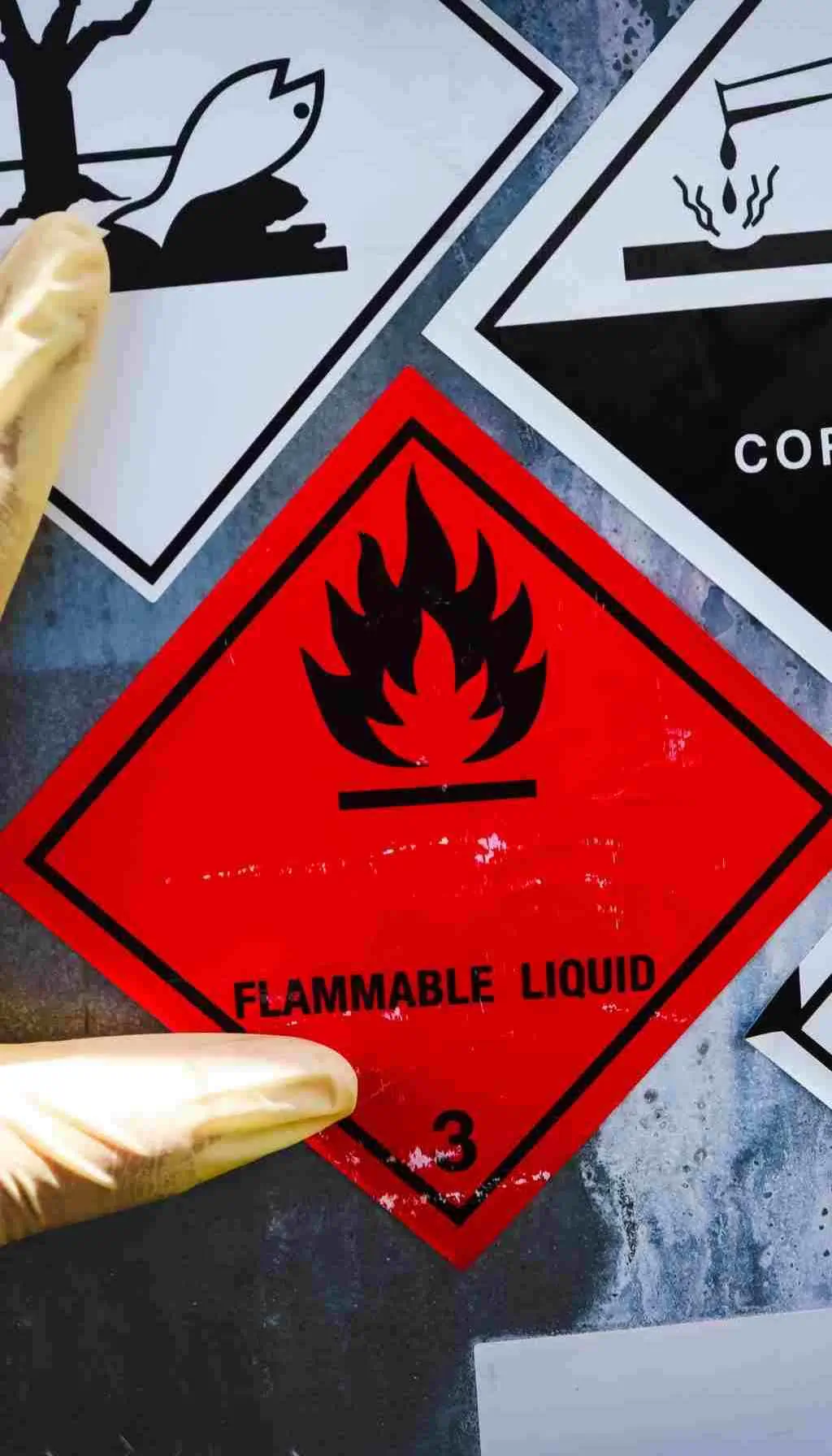
Latest ECHA Consultation Opportunities What’s Under Review
The latest HSENI chemicals news update reveals an unusually active period of regulatory consultation. ECHA is currently seeking input on multiple harmonised classification and labelling (CLH) proposals that could significantly impact industrial operations across Ireland.
High-Priority Classification Reviews
Two industrial chemicals are under particular scrutiny: 1-methylimidazole and imidazole hydrobromide. Both substances are used in pharmaceutical manufacturing, polymer production, and specialty chemical applications common in Irish industry. The ECHA CLH consultation process allows stakeholders to provide evidence and comments until 19 December 2025.
1-methylimidazole (EC 210-484-7, CAS 616-47-7) serves as a solvent and catalyst in pharmaceutical production, coatings manufacture, and polymer synthesis. Any changes to its hazard classification could affect manufacturing processes, workplace safety protocols, and supply chain management for companies using this substance.
Similarly, imidazole hydrobromide (EC 483-310-2, CAS 101023-55-6) faces review for potential classification changes. Companies using this substance should evaluate their current risk assessments and consider participating in the consultation process to ensure regulatory decisions reflect real-world usage patterns and control measures.
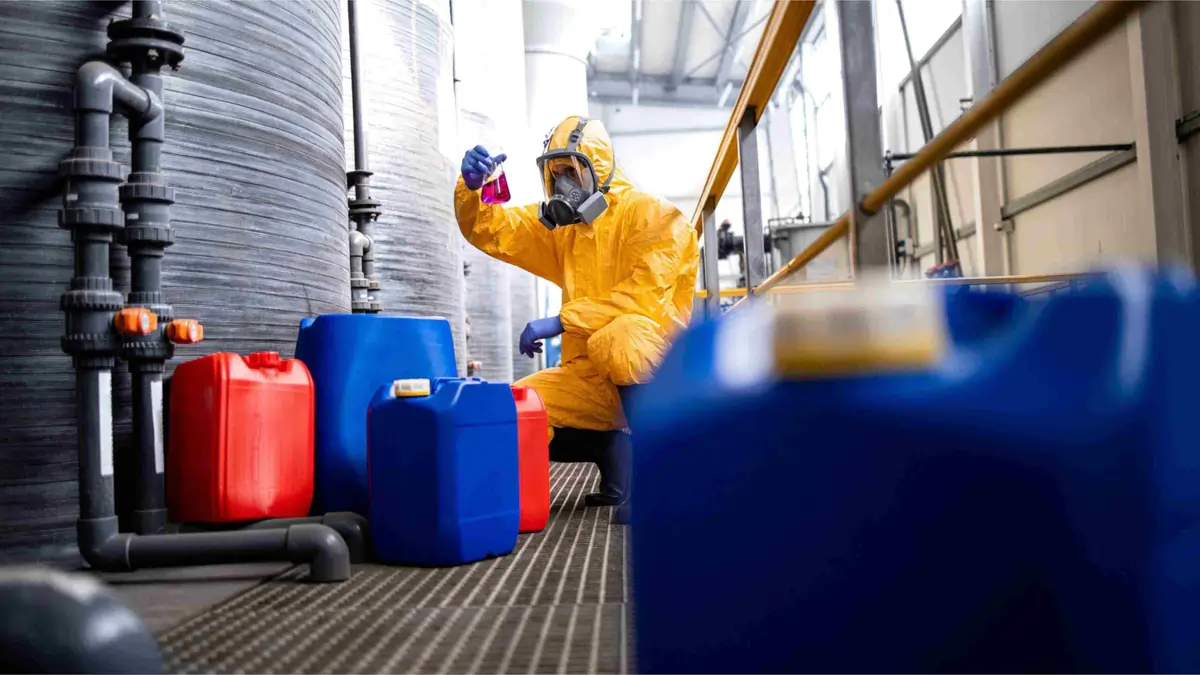

Agricultural Chemical Classifications
The pesticide flutolanil is also under review, with consultation closing 5 December 2025. While primarily affecting agricultural applications, this review may impact companies involved in pesticide formulation, distribution, or agricultural supply chains.
CONSULTATION OPPORTUNITY: ECHA consultations represent your chance to influence regulatory outcomes before they become final. Companies with relevant data, experience, or concerns should participate actively rather than waiting to respond to final decisions.
How to Participate in Consultations Effectively
Effective participation in ECHA consultations requires understanding what information regulators need and how to present it persuasively. Successful submissions typically include specific data on usage patterns, exposure scenarios, risk management measures, and economic implications of proposed classifications.
The most valuable consultation responses provide concrete evidence rather than general statements. This includes exposure data from actual workplace situations, evidence of effective control measures, information about technical alternatives and their limitations, and quantified economic impacts of proposed changes.
Preparing Effective Submissions
Successful consultation participation begins with thorough preparation. Companies should review their current use of the substance under consultation, assess existing risk management measures, gather relevant exposure and effectiveness data, and identify potential impacts of proposed classification changes.
CONSULTATION TIP: Focus on providing specific, factual information that supports your position. Regulators value concrete data over general objections. Include details about current controls, worker exposures, technical constraints, and economic impacts with supporting evidence.
The consultation process also provides opportunities to learn about regulatory thinking and potential future directions. Even if your immediate interests aren’t affected, monitoring consultations helps anticipate broader regulatory trends that may impact your business in future.
CLP Regulation Changes What’s New from December 2024
The updated Classification, Labelling and Packaging (CLP) Regulation came into force on 10 December 2024, bringing significant changes that will reshape chemical safety communication across Ireland. Regulation (EU) 2024/2865 introduces new provisions for classification, hazard classes, and labelling requirements that businesses must understand and implement.
HSA guidance on CLP emphasises that these changes further protect workers, consumers, and the environment whilst strengthening the internal market for chemicals. The Irish implementation through Statutory Instrument S.I. No. 723/2024 ensures that these requirements apply directly to Irish businesses.
New Classification Requirements
The revised regulation introduces enhanced hazard classes and classification criteria that provide more precise risk communication. These changes improve the accuracy of hazard identification whilst maintaining consistency with international standards and scientific understanding.
Most new requirements become mandatory by 1 July 2026, providing businesses with an 18- month implementation period. However, companies should begin preparation immediately to ensure smooth compliance and avoid last-minute implementation challenges.
IMPLEMENTATION TIMELINE: With most CLP changes mandatory by July 2026, companies have approximately 20 months to update classification systems, revise labels and safety data sheets, and retrain staff on new requirements. Early preparation prevents compliance bottlenecks.
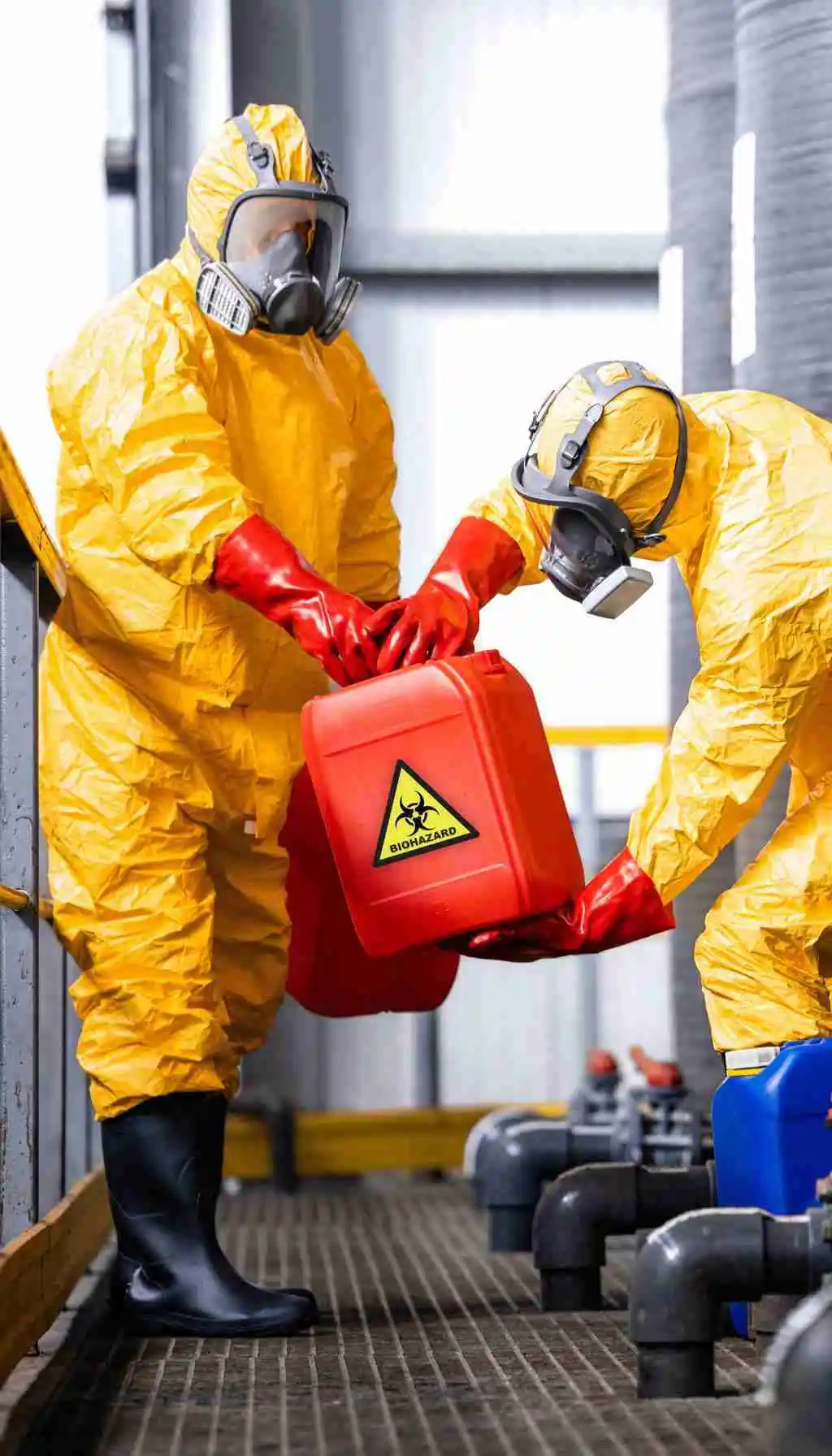

Practical Implementation Steps
Successful CLP implementation requires systematic review of current chemical inventories, assessment of classification changes for substances and mixtures, updates to safety data sheets and labels, and training for personnel involved in chemical handling and classification.
Companies should prioritise substances with the highest usage volumes or greatest potential for change, as these will have the most significant operational impact. This risk-based approach ensures that critical compliance issues receive attention first whilst less critical changes can be addressed systematically.
REACH Restriction Updates Affecting Ireland
Several new REACH restrictions will significantly impact Irish businesses over the coming years. The European Commission’s restriction on polycyclic aromatic hydrocarbons (PAHs) in clay targets, effective from 22 April 2026, demonstrates the continuing expansion of REACH into specialised applications with environmental impact.
The formaldehyde restriction, with new measurement guidelines published by ECHA, will affect automotive and furniture industries particularly relevant to Ireland’s manufacturing sector. The restriction becomes applicable in August 2026, requiring affected companies to implement new monitoring and compliance procedures.

Emerging Consultation Areas
Current consultations include restrictions on octocrilene in cosmetics and chromium(VI) compounds with carcinogenic properties. These consultations reflect ECHA’s continued focus on protecting human health and the environment from chemical risks, particularly in consumer products and workplace applications.
The consultation on DOTE (dioctyltin oxide) and related substances, with comments due by 12 November 2025, examines whether current controls adequately manage risks from these substances in articles. This consultation demonstrates the ongoing scrutiny of substances that may require additional restrictions.
UPCOMING DEADLINES FOR IRISH BUSINESSES:
10 November 2025: Comments on 33 ECHA testing proposals
12 November 2025: DOTE screening report consultation closes
5 December 2025: Flutolanil classification consultation closes
18 December 2025: Chromium(VI) restriction consultation closes
19 December 2025: 1-methylimidazole and imidazole hydrobromide consultations close 24 March 2026: Octocrilene restriction consultation closes
Classification and Labelling Getting It Right
Proper classification and labelling form the foundation of chemical safety management. Under both REACH and CLP regulations, companies must ensure that chemical hazards are correctly identified, classified according to harmonised criteria, and communicated through appropriate labels and safety data sheets.
ECHA guidance on understanding CLP emphasises that classification accuracy depends on thorough hazard assessment, proper application of classification criteria, and regular review of classification decisions as new information becomes available.
Common Classification Challenges
Irish businesses frequently encounter challenges in classification of mixtures, assessment of new hazard information, alignment of supplier and customer classifications, and integration of classification updates into operational procedures. These challenges require systematic approaches and ongoing attention to regulatory developments.
Successful classification management requires robust procedures for evaluating new hazard information, systematic review of mixture classifications when component classifications change, effective communication with suppliers and customers about classification issues, and integration of classification activities with broader chemical management systems.
CLASSIFICATION SUCCESS TIP: Establish regular review cycles for chemical classifications, particularly after ECHA consultations conclude. Many classification errors arise from failing to update systems when harmonised classifications change or new hazard information becomes available.
Your Business Obligations Under Irish Law
Irish businesses frequently encounter challenges in classification of mixtures, assessment of new hazard information, alignment of supplier and customer classifications, and integration of classification updates into operational procedures. These challenges require systematic approaches and ongoing attention to regulatory developments.
Successful classification management requires robust procedures for evaluating new hazard information, systematic review of mixture classifications when component classifications change, effective communication with suppliers and customers about classification issues, and integration of classification activities with broader chemical management systems.
Code of Practice Requirements
The Chemical Agents Code of Practice 2021 provides specific guidance for Irish employers on implementing chemical safety requirements. This includes risk assessment procedures, control hierarchy application, health surveillance requirements, and emergency response planning for chemical incidents.
Compliance requires integration of REACH registration and authorisation requirements, CLP classification and labelling obligations, workplace risk assessment and control implementation, worker training and health surveillance programmes, and incident reporting and investigation procedures.
LEGAL REALITY CHECK: Irish businesses face enforcement from multiple authorities— HSA for workplace safety, Revenue for import/export compliance, and environmental agencies for waste and emissions. Comprehensive compliance requires understanding all applicable requirements and their interactions.
Training and Competency Requirements
Effective chemical management depends on competent personnel who understand regulatory requirements, can implement appropriate controls, and respond effectively to changing circumstances. Training requirements span from basic chemical safety awareness to specialist expertise in regulatory compliance and risk assessment.
The HSA emphasises that chemical safety training must be relevant to actual workplace conditions, updated regularly to reflect regulatory and operational changes, delivered by competent trainers with appropriate expertise, and reinforced through ongoing supervision and performance monitoring.
Multi-Level Training Approach
Successful chemical safety programmes typically include general awareness training for all personnel potentially exposed to chemicals, specific training for workers handling particular substances or processes, supervisory training for personnel responsible for chemical safety oversight, and specialist training for compliance and technical personnel.
Training effectiveness depends on regular assessment of competency, updating programmes when regulations or operations change, providing refresher training at appropriate intervals, and ensuring that training translates into safe working practices in real operational conditions.
TRAINING IMPACT: Research shows that comprehensive chemical safety training reduces workplace incidents by 40-60% and improves regulatory compliance scores by an average of 35%. Investment in training typically returns €3-5 for every euro spent through reduced incidents and compliance costs.
Practical Action Steps for Compliance
Maintaining compliance with evolving chemical regulations requires systematic approaches that anticipate changes rather than simply reacting to them. Successful companies develop capabilities for monitoring regulatory developments, assessing implications for their operations, and implementing changes efficiently and effectively.

Regulatory Monitoring Systems
Effective regulatory monitoring includes regular review of HSENI and ECHA announcements, participation in relevant industry associations and technical committees, subscription to specialist regulatory intelligence services, and networking with peers facing similar regulatory challenges.
The monitoring system should provide early warning of potentially relevant changes, assess the likelihood and timeline of regulatory developments, evaluate potential impacts on business operations, and identify opportunities to influence regulatory outcomes through consultation participation.
IMMEDIATE ACTION CHECKLIST FOR IRISH BUSINESSES:
Review current chemical inventory against active ECHA consultations
Assess potential impacts of 1-methylimidazole and imidazole hydrobromide classifications
Evaluate CLP compliance status and implementation timeline for July 2026 Check supplier communications for classification or regulatory updates
Review staff training records and identify chemical safety knowledge gaps Confirm subscription to HSENI chemicals news updates
Schedule quarterly regulatory review meetings with relevant personnel
Assess consultation participation capabilities and decision-making processes Update chemical risk assessments to reflect recent regulatory changes
Verify emergency response procedures for handling regulatory non-compliance
Monitoring Regulatory Changes
Chemical regulations create obligations and dependencies throughout supply chains. Effective compliance requires clear communication with suppliers about regulatory requirements, systematic assessment of supplier compliance capabilities, and robust procedures for managing regulatory changes that affect purchased materials.
Supply chain management should include regular supplier audits for regulatory compliance, clear contractual requirements for regulatory information sharing, systematic review of safety data sheets and classification information, and contingency planning for supply disruptions caused by regulatory changes.
Call to Action: Staying Ahead of Chemical Regulation Changes
The chemical regulatory landscape will continue evolving as scientific understanding advances and policy priorities shift toward greater protection of human health and the environment. For Irish businesses, success depends on developing capabilities for anticipating, understanding, and responding effectively to these changes.
The current wave of ECHA consultations and CLP updates represents both challenge and opportunity. Companies that engage proactively with regulatory developments, invest in appropriate compliance capabilities, and maintain robust chemical management systems will find themselves better positioned for sustainable success in an increasingly regulated environment.
STRATEGIC RECOMMENDATION: Treat regulatory compliance as a strategic capability rather than a reactive necessity. Companies that excel at regulatory management often discover competitive advantages through improved operational efficiency, enhanced stakeholder confidence, and better risk management.
The deadlines are approaching rapidly, and the complexity of requirements continues increasing. Whether your business handles specialty chemicals, operates in regulated industries, or simply
uses chemical products in daily operations, staying informed and prepared isn’t optional it’s essential for continued success in the Irish and European markets.
Staying on top of chemical regulations can feel overwhelming, but a structured approach and the right support make it far more manageable. If your team needs help turning REACH, CLP and ECHA updates into practical on-the-ground actions, our HSEQ Consultancy Services (https://acornstar.com/hseq-consultancy-services/), Control of Chemicals Training course (https://acornstar.com/product/control-of-chemicals/) and full online HSEQ course library (https://acornstar.com/all-new-courses/) can help you stay compliant, confident and ready for upcoming regulatory changes.
How AcornStar Can Support Your Chemical Compliance Journey
Navigating the complex landscape of chemical regulations requires specialist expertise and practical experience. At AcornStar, we help Irish businesses understand their obligations, implement effective compliance systems, and stay ahead of regulatory developments with confidence and efficiency.
HSEQ Consultancy Services
Our regulatory specialists work with your team to assess current compliance status, identify gaps and risks, and develop practical implementation strategies for new requirements. We provide expertise in REACH registration and compliance, CLP classification and labelling, chemical risk assessment and management, and regulatory intelligence and monitoring systems. Learn more about our HSEQ consultancy services.
Chemical Safety Training Programmes
Effective compliance depends on competent personnel at all levels of your organisation. We design and deliver tailored training programmes covering regulatory requirements, practical implementation skills, and ongoing compliance management. From basic chemical safety awareness to advanced regulatory compliance training, we create learning experiences that build real competency and confidence. Explore our training content development services.
Whether you need comprehensive compliance system development, specific support with regulatory changes, or ongoing advisory services, AcornStar brings practical expertise, Irish market knowledge, and a commitment to delivering solutions that work in real business environments. Contact us to discuss how we can support your chemical safety and compliance objectives.
Related Resources
Chemical safety often intersects with other compliance requirements. You may also be interested in: ISO 9001:2026 Quality Culture Development our programme helping businesses prepare for the new quality management standard’s emphasis on ethical behaviour and organisational culture, which connects closely with responsible chemical management practices.