
Fire Safety Training Ireland: 5 Proven Compliance Wins for Every Business
Why Fire Safety Training Ireland Is a Legal Requirement
What Fire Safety Training Ireland Covers
Fire safety training Ireland is a legal requirement under the Safety, Health and Welfare at Work Act 2005 and the Fire Services Act 1981 yet many Irish businesses still treat it as an optional add-on. The reality? Every employer is legally responsible for ensuring staff are properly trained in fire prevention, evacuation procedures, and fire risk assessment. Without accredited fire safety training Ireland, your business risks improvement notices, prosecution, and devastating consequences if a fire occurs. This guide breaks down the 5 most important fire safety training Ireland compliance wins every business needs in 2026, what’s covered, and how to certify your entire team affordably online.
Fire safety legislation Ireland places clear legal duties on anyone who owns or controls a business premises. Under the Fire Services Act Ireland and related health and safety legislation, employers must carry out fire risk assessments, provide appropriate fire safety training, and maintain adequate fire protection systems. Compliance is not optional it is a statutory obligation designed to protect lives, property and your business from serious legal consequences.
If you’re running a business in Ireland, fire safety compliance isn’t just a tick-box exercise it’s a legal obligation that could save lives, protect your property, and shield your company from serious penalties. Yet many business owners remain unclear about their exact responsibilities under Irish fire safety law.
The question isn’t whether you need to comply; it’s whether you’re doing enough to meet your legal obligations. Let’s break down what Irish legislation actually requires from you and your team.

Understanding Your Legal Obligations
Fire safety law in Ireland is built on a foundation of several key pieces of legislation, each placing specific duties on business owners and those in control of premises.
The Fire Services Acts 1981 and 2003
The Fire Services Acts form the cornerstone of fire safety regulation in Ireland. Under these Acts, anyone who owns or has control over a premises bears a duty of care to ensure adequate fire safety standards.
What does this mean in practice? You must:
- Ensure, as far as reasonably practicable, the safety of all persons on your premises in the event of fire
- Provide adequate means for fighting fires
- Maintain your premises to an adequate standard of fire safety
The legislation applies whether a fire has occurred or no prevention is paramount. Local fire authorities have powers to inspect premises, issue enforcement notices, and prosecute those who fail to comply.
Safety, Health and Welfare at Work Legislation
Beyond fire-specific legislation, the Safety, Health and Welfare at Work Act 2005 and the Safety, Health and Welfare at Work (General Application) Regulations 2007 place general health and safety duties on employers.
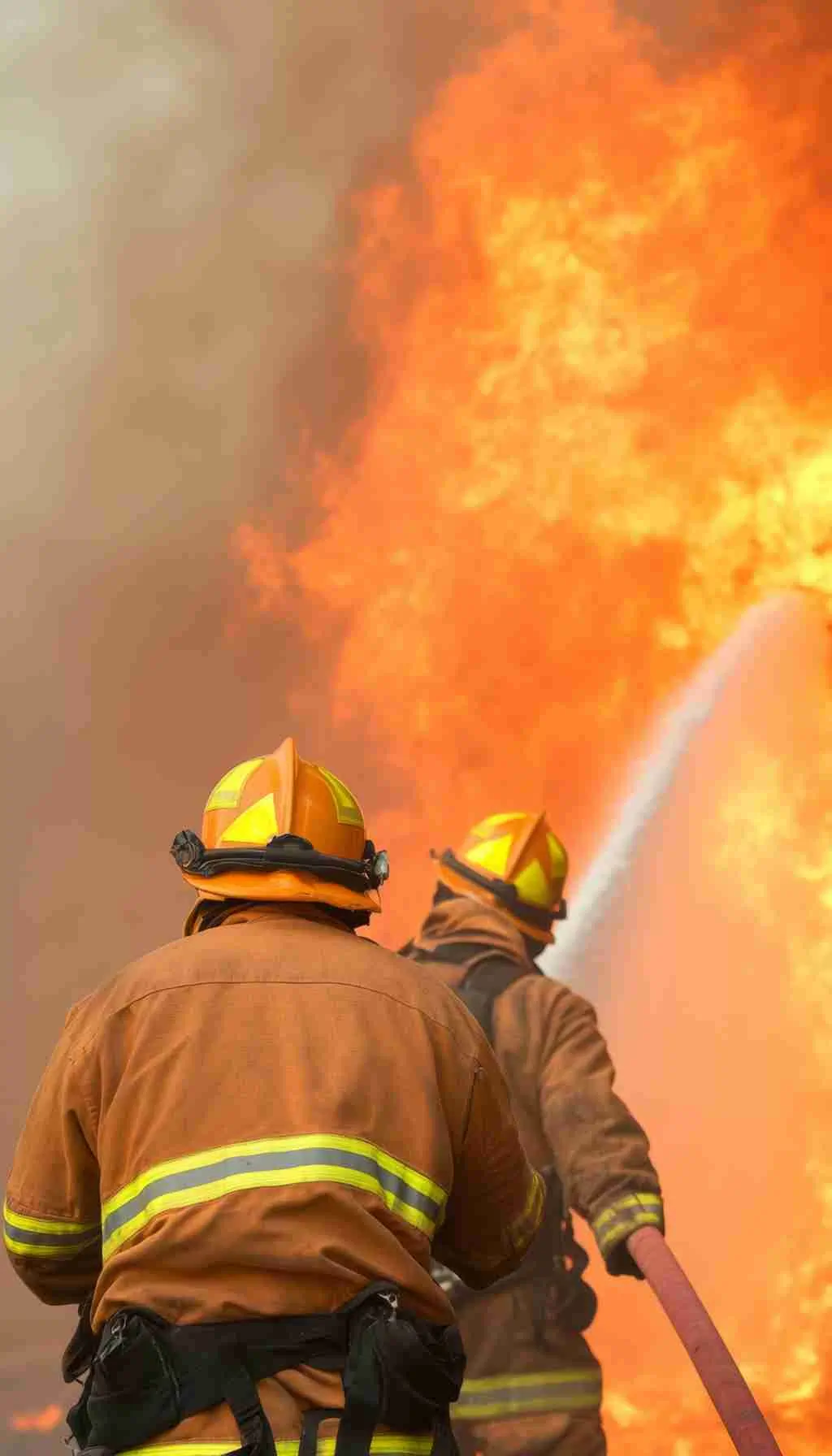
The Health and Safety Authority monitors how employers manage fire risks in workplaces, conducting inspections and offering guidance on best practices. This dual oversight from both fire authorities and the HSA means compliance truly matters.
Building Regulations
The Building Regulations 1997 to 2021 set detailed technical requirements for fire detection systems, alarm installations, emergency lighting, and firefighting equipment. These regulations ensure that buildings are constructed and maintained with appropriate fire safety features built in from the ground up.
Your Specific Responsibilities as a Business Owner
Understanding the legislation is one thing; knowing what you actually need to do is another. Here’s where many businesses fall short not through malice, but through simply not knowing what’s required.
Conduct Regular Fire Risk Assessments
This is non-negotiable. You must carry out a thorough fire risk assessment of your premises, identifying potential fire hazards and evaluating the risks they pose. This isn’t a one-off task either assessments should be reviewed regularly, particularly when you make changes to your premises, operations, or workforce.
Your fire risk assessment should identify:
- Potential sources of ignition
- Combustible materials and flammable substances
- People at particular risk (including employees, customers, contractors, and vulnerable individuals)
- Existing fire safety measures and whether they’re adequate

Implement Fire Safety Measures
Based on your risk assessment findings, you’ll need to put appropriate measures in place. This typically includes:
Fire Detection and Alarm Systems: Your premises must have a suitable fire detection and alarm system. The National Standards Authority of Ireland publishes I.S. 3218, which sets standards for fire alarm installation. The system you need will depend on your specific risk profile from basic smoke alarms to comprehensive wired systems with manual call points.
Emergency Lighting: These backup lights must illuminate escape routes when the main power fails. Standard I.S. 3217 covers emergency lighting requirements.
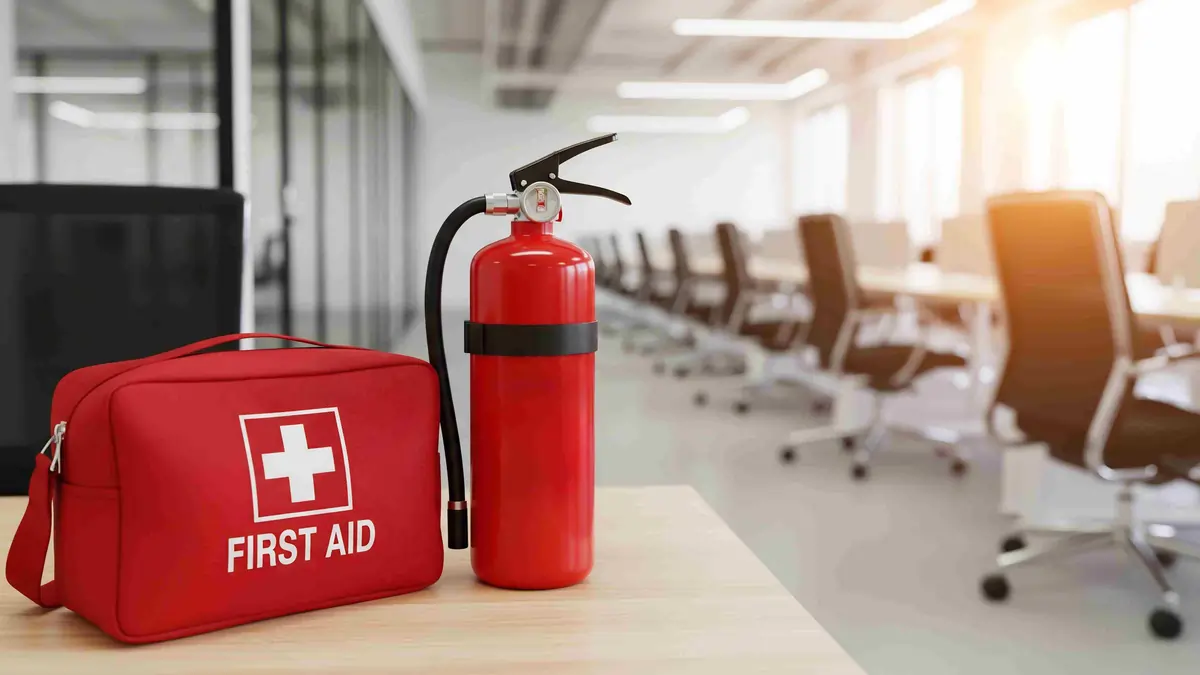
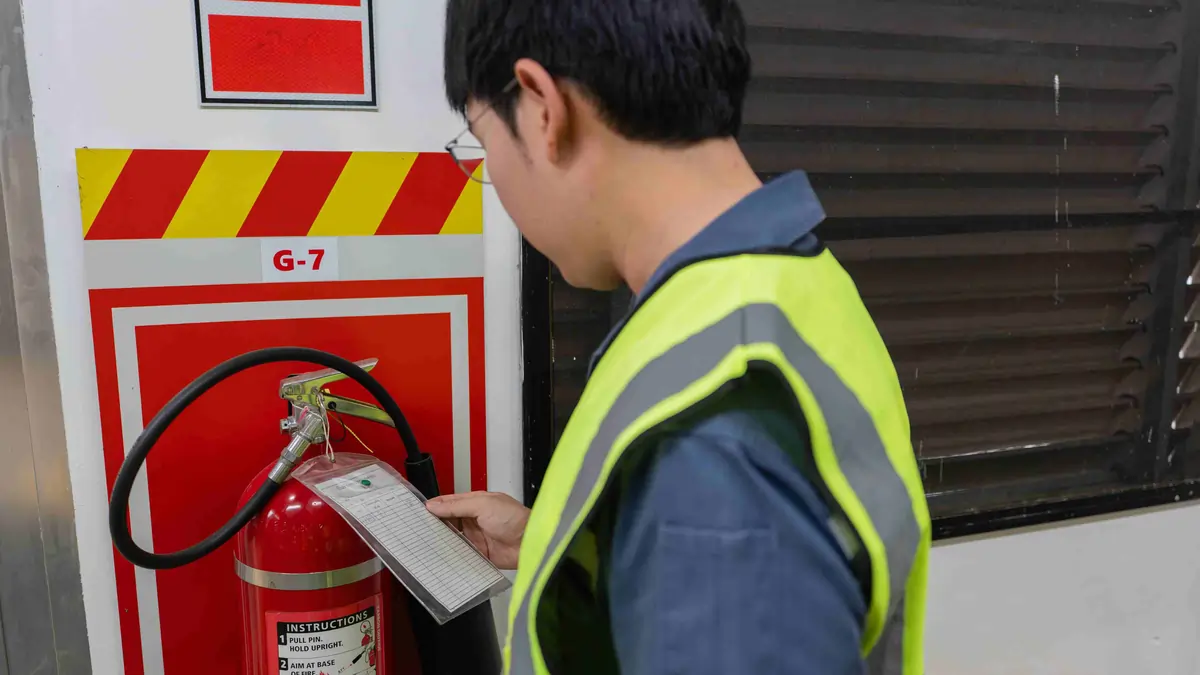
Firefighting Equipment: You must provide appropriate firefighting equipment typically fire extinguishers, fire blankets, and hose reel positioned strategically throughout your premises. Crucially, this equipment must be properly maintained and regularly tested.
Clear Escape Routes: All escape routes and exits must be clearly marked, kept free from obstruction, and accessible at all times. Fire doors must close properly (or be linked to automatic closers connected to your fire alarm system).
Appoint and Train Fire Wardens
While Irish legislation doesn’t mandate a specific number of fire wardens, you must have competent personnel responsible for fire safety management. Fire wardens (also called fire marshals) play a critical role in:
- Conducting regular checks of fire safety equipment
- Ensuring escape routes remain clear
- Leading evacuations during emergencies
- Conducting fire drills
- Maintaining fire safety awareness among staff
The number of fire wardens you need depends on your premises size, layout, occupancy levels, and risk factors. As a general guide, you should have at least one trained fire warden per floor or distinct area, with additional coverage for larger or higher-risk premises.
Investing in proper Fire Warden Training ensures your designated personnel understand their legal obligations, can conduct effective risk assessments, and know exactly how to respond during emergencies.
Provide Fire Safety Training for All Staff
Every employee needs fire safety training appropriate to their role. This should cover:
- Your workplace’s specific fire risks
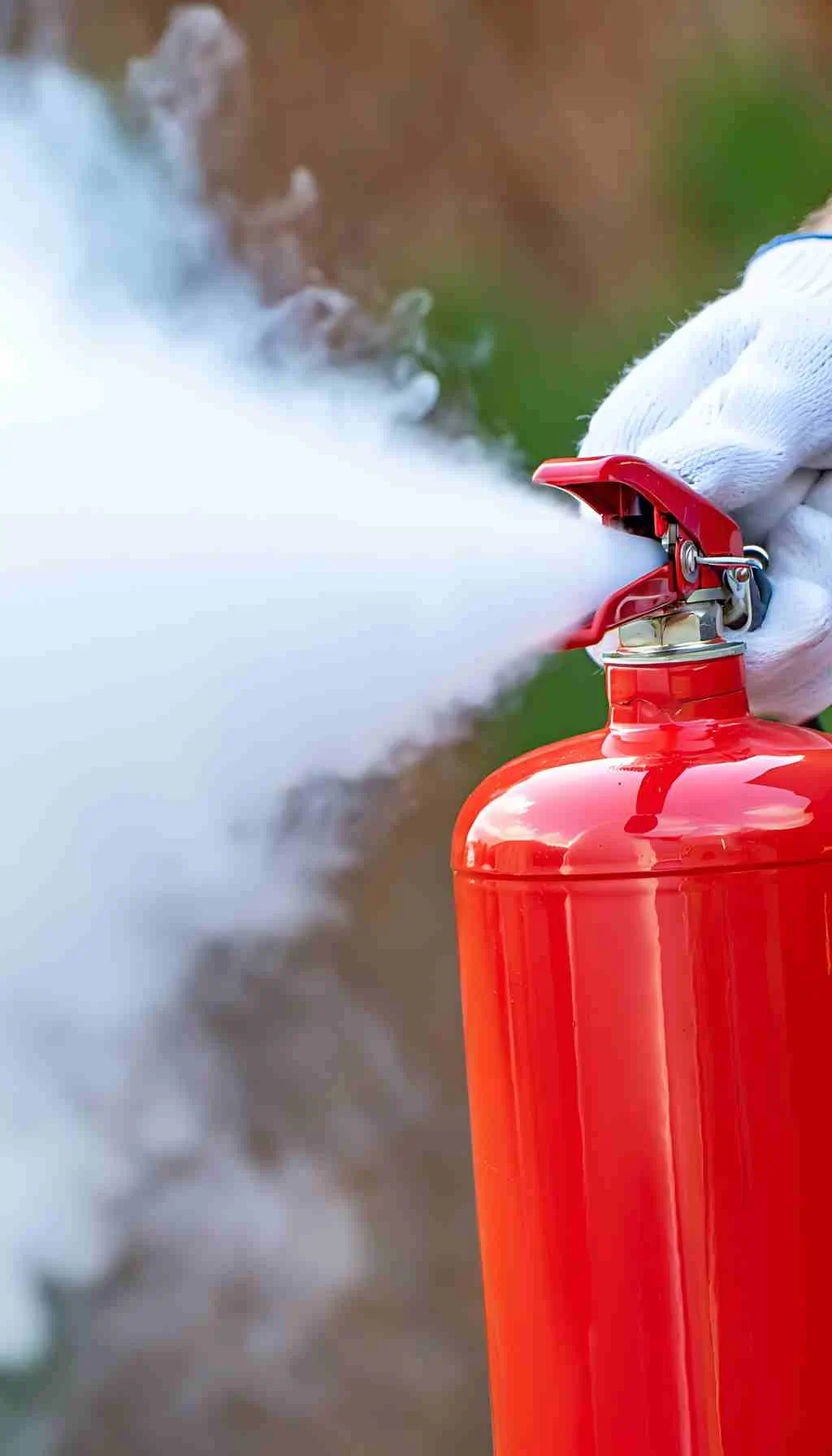
- The location of firefighting equipment and how to use it
- Escape routes and assembly points
- What to do if they discover a fire
- The sound of the fire alarm and evacuation procedures
New employees should receive fire safety induction training on their first day. All staff should participate in regular refresher training typically annually and whenever your emergency procedures change.
Fire Safety Awareness Training provides employees with the foundational knowledge they need to stay safe and comply with their own obligations under the legislation.
Conduct Regular Fire Drills
Fire drills aren’t optional they’re a legal requirement. Regular drills ensure everyone knows what to do when the alarm sounds, helping to identify any weaknesses in your evacuation procedures before a real emergency occurs.
Maintain Comprehensive Documentation
Compliance requires proper record-keeping. You should maintain documentation of:
- Fire risk assessments and any reviews or updates
- Fire safety training provided to employees
- Fire drill records
- Maintenance and testing of fire safety equipment
- Any enforcement notices or communications with fire authorities
This documentation demonstrates your commitment to compliance and provides evidence should questions ever arise.
The Consequences of Non-Compliance
Fire safety violations aren’t treated lightly in Ireland. Under the Fire Services Acts, premises can be designated as “potentially dangerous buildings” if serious fire safety defects are identified. This can lead to:
- Prohibition or restriction notices limiting how you can use your premises
- Prosecution in the courts
- Substantial fines
- Criminal records for company directors or those in control
- Civil liability if a fire causes injury or death
- Increased insurance premiums or difficulty obtaining cover
- Reputational damage that can seriously harm your business
Beyond legal penalties, failing to meet your fire safety obligations puts lives at risk your employees, your customers, and potentially yourself.
Getting Support with Compliance
Fire safety compliance can feel overwhelming, particularly for smaller businesses or those operating from older premises. However, you don’t have to navigate this alone.
Dublin Fire Brigade and other local fire authorities offer advice and guidance on fire safety responsibilities. They can help you understand what’s required for your specific premises.
The Health and Safety Authority provides extensive resources, guidance documents, and even online tools like the BeSmart.ie risk assessment tool designed for small businesses.
Professional fire safety consultants can conduct detailed audits of your premises, provide expert recommendations, and help implement comprehensive fire safety programmes.
Most importantly, invest in proper training. When your team understands fire safety from fire wardens who can conduct assessments and lead evacuations, to general staff who know how to respond appropriately compliance becomes part of your everyday operations rather than an additional burden.
Making Fire Safety Part of Your Culture
The most compliant businesses don’t treat fire safety as a separate concern to be addressed sporadically. They embed it into their operational culture. This means:
- Regular conversations about fire safety in team meetings
- Visible commitment from leadership
- Empowering employees to report hazards without fear
- Recognizing and celebrating good fire safety practices
- Continuously improving based on drills, near-misses, and updated risk assessments
When fire safety becomes second nature rather than a compliance chore, everyone benefits.
Take Action Today
Is your business truly compliant with Irish fire safety legislation? If you’re not certain, that uncertainty itself suggests action is needed.
Start by reviewing when you last conducted a fire risk assessment. Check whether your fire wardens have up-to-date training. Consider when your employees last received fire safety refreshers. Look at your firefighting equipment is it within its testing dates?
Partner with Ireland’s Leading Training Provider
At Acorn Star, we’ve helped over six thousand business customers meet their fire safety training obligations, delivering training to hundreds of thousands of people across Ireland. With a 4.9-star rating based on mainly a thousand reviews on Google Business, we’re Ireland’s most highly rated training company.
We understand that running a business means balancing countless priorities. That’s why our training solutions are designed to be comprehensive yet accessible, ensuring your team gains the knowledge they need without unnecessary disruption to your operations.
Our Fire Safety Awareness course provides all employees with essential fire safety knowledge, whilst our Fire Warden Online Training equips designated personnel with the skills to manage fire safety effectively in your workplace.
Don’t wait for an inspection or, worse, an emergency to discover gaps in your compliance. Take control of your fire safety obligations today, protect your people, safeguard your premises, and gain the peace of mind that comes from knowing you’re meeting your legal responsibilities.
Fire safety legislation exists for good reason. By embracing your obligations rather than simply tolerating them, you create a safer workplace for everyone who sets foot on your premises—and that’s good for people, good for business, and simply the right thing to do.