
Manual Handling Training Ireland: Injury Prevention Guide
Practical Manual Handling Tips to Reduce Workplace Injury Risks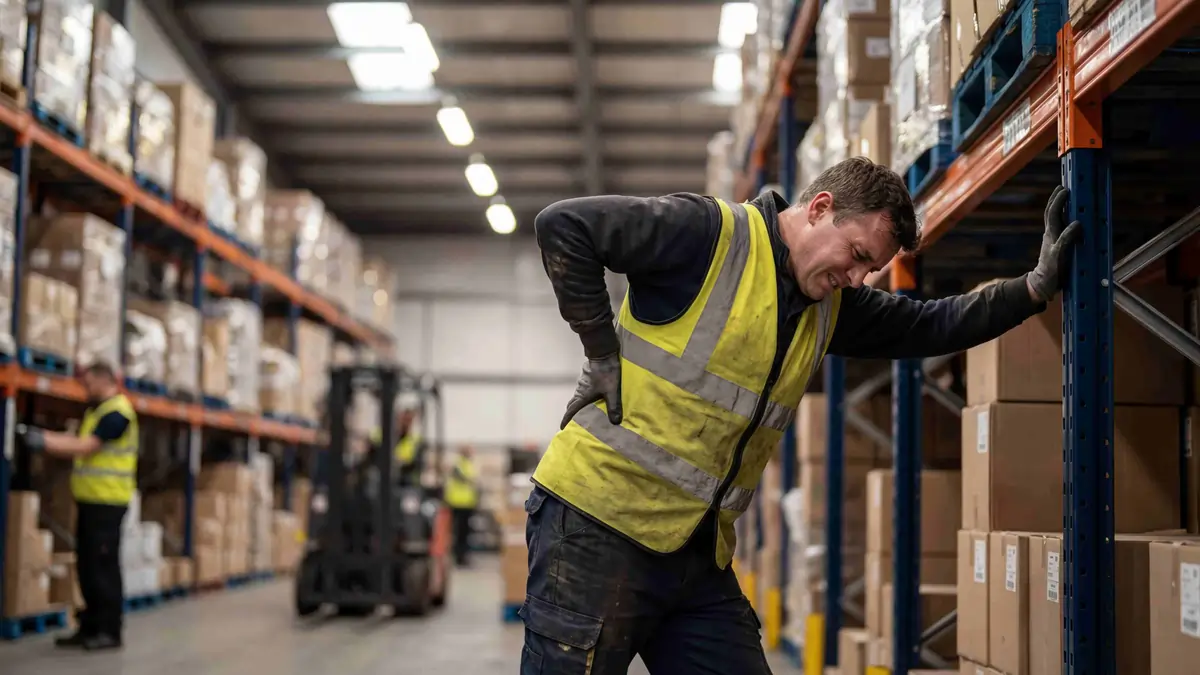
Why Manual Handling Injury Prevention Matters
Manual handling is a significant workplace safety issue in Ireland. Activities such as lifting, carrying, pushing, pulling and moving loads can expose employees to injury risks, particularly where tasks involve excessive force, awkward postures or repetitive movements.
According to the Health and Safety Authority’s 2024 statistics, manual handling was the most common trigger of reported non-fatal workplace incidents, accounting for 3,474 incidents, or 33% of the total. HSA
Manual handling can contribute to musculoskeletal disorders affecting areas such as the back, neck, shoulders and limbs. Risk factors can include excessive force, awkward posture, repetitive movements and poorly designed tasks. HSA
Effective manual handling injury prevention should focus first on avoiding or reducing hazardous manual handling where reasonably practicable. Where risks remain, employers should assess the task and introduce appropriate controls, which may include mechanical aids, changes to working methods and task-specific training. The HSA specifically notes that training alone will not reduce injury rates if the underlying risks are not addressed.
Understanding Manual Handling Injury Risks
How Manual Handling Can Affect the Body
Manual handling tasks can place physical demands on the body, particularly when they involve heavy loads, awkward postures, repetitive movements or frequent lifting and carrying.
These activities can increase the risk of musculoskeletal injury, particularly when poor working methods are combined with unsuitable loads, limited space or poorly designed tasks.
Rather than relying on lifting technique alone, employers should assess the manual handling task and identify ways to avoid or reduce the risk wherever reasonably practicable.
Common Manual Handling Risk Factors
Manual handling injuries can result from a combination of factors rather than one particular movement. Common risk factors include:
- Heavy or difficult-to-handle loads
- Repetitive lifting or carrying
- Twisting, bending or reaching
- Working in awkward or restricted spaces
- Holding loads away from the body
- Tasks requiring excessive physical effort
Identifying these risks is an important part of manual handling injury prevention and can help employers determine appropriate control measures.

Manual Handling Injury Prevention in the Workplace
Shear Forces: Twisting while lifting creates dangerous shear forces that slide vertebrae against each other. A study published in the Journal of Biomechanics found that combined lifting and twisting movements increase spinal injury risk by up to 400%.
Sustained Awkward Postures: Bending forward at just 20 degrees from vertical doubles the load on your lumbar spine. Holding this position common in tasks like bed-making, stockpot handling or assembly work creates sustained muscular fatigue and disc stress.
How Repeated Manual Handling Can Lead to Injury
Manual handling injuries do not always result from a single incident. Repeated lifting, carrying, pushing or pulling can place strain on the body over time, particularly when tasks involve awkward postures, repetitive movements or excessive physical effort.
Repeated exposure to these risk factors can contribute to musculoskeletal disorders affecting the back, shoulders, neck and limbs. Early signs may include discomfort, stiffness, fatigue or reduced movement.
This is why manual handling injury prevention should focus on identifying and reducing risks before they lead to injury. Employers should consider the task, the load, the working environment and the individual carrying out the work when assessing manual handling risks.
Where possible, hazardous manual handling should be avoided or reduced through measures such as changing the task, using mechanical aids, improving the workspace or reducing the weight or frequency of loads.


Designing Work to Reduce Manual Handling Risks
Ergonomics focuses on designing work, equipment and environments to better match the capabilities of employees. In manual handling, this means reducing unnecessary physical demands rather than relying only on workers to use the correct lifting technique.
Employers should consider whether hazardous manual handling can be avoided altogether. Where it cannot be avoided, the task should be assessed and appropriate measures introduced to reduce the risk of injury.
Practical Ways to Reduce Manual Handling Risks
1. Avoid unnecessary manual handling
Where possible, redesign the task so employees do not need to manually lift or carry loads.
2. Use mechanical aids
Equipment such as pallet trucks, trolleys, lifting aids or other suitable handling equipment can reduce physical demands.
3. Improve the workplace and task
Consider working heights, storage locations, available space, load size and the frequency of handling.
4. Provide appropriate training
Training should support the control measures already in place and help employees understand the risks associated with their specific manual handling tasks.
5. Improve work organisation
Changes to how work is organised can help reduce repeated or prolonged manual handling. This may include adjusting workloads, reducing unnecessary handling and allowing appropriate recovery time.
6. Review and improve controls
Manual handling arrangements should be reviewed when tasks, equipment or workplace conditions change, or when existing controls are no longer effective.
Why Training Alone Is Not Enough
Manual handling training is only one part of effective injury prevention. Employers should first identify hazardous manual handling tasks and consider whether the risks can be avoided or reduced through changes to the task, workplace or equipment.
Measures such as using mechanical aids, improving storage arrangements, reducing load weights and redesigning work areas can help reduce physical demands on employees.
Training can then support these measures by helping employees understand the remaining risks and the safe working procedures relevant to their tasks.
What Works for Manual Handling Injury Prevention
Effective manual handling injury prevention involves a combination of risk assessment, appropriate equipment, workplace design and training rather than relying on lifting technique alone.

What Works for Manual Handling Injury Prevention
Practical measures can include:
- Assessing hazardous manual handling tasks
- Avoiding unnecessary lifting and carrying where possible
- Providing suitable mechanical aids and equipment
- Improving workplace layout and storage arrangements
- Reducing the weight, frequency or distance of loads
- Providing training relevant to the employee’s actual tasks
- Reviewing controls when tasks or workplace conditions change
The most effective approach is to identify the source of the risk first and introduce appropriate controls, with manual handling training supporting those measures.

Protecting Your Workforce: Acornstar’s Evidence-Based Approach
Manual handling training can support workplace injury prevention by helping employees understand the risks associated with manual handling and the measures used to control them.
1. Recognising Manual Handling Risks
Training can help employees identify common risk factors, including:
- Heavy or difficult-to-handle loads
- Awkward postures and restricted spaces
- Repetitive lifting or carrying
- Tasks requiring excessive physical effort
- Poorly organised work areas
2. Applying Safer Working Practices
Employees should understand the procedures and control measures relevant to the manual handling tasks they perform. This may include the correct use of suitable handling equipment and following established workplace procedures.
3. Supporting Workplace Safety
Training works best alongside appropriate risk assessments, equipment and workplace controls. Employees should also know how to report hazards or changes that could increase manual handling risks.
Manual Handling Risks Across Different Workplaces
Manual handling risks can occur across many industries, including hospitality, healthcare, warehousing, construction, retail and cleaning.
Common tasks may include:
- Lifting or carrying boxes and supplies
- Moving stock, equipment or deliveries
- Handling kitchen equipment and containers
- Pushing or pulling trolleys
- Moving materials around warehouses or worksites
- Handling loads in restricted or awkward spaces
The risks will vary depending on the task, load, working environment and individual involved. Employers should assess the manual handling activities in their workplace and introduce appropriate measures to reduce the risk of injury.
Practical Steps Employers Can Take
Immediate Steps Every Employer Should Take
1. Assess Manual Handling Risks
Employers should identify manual handling activities that could create a risk of injury and consider whether those activities can be avoided or reduced. Where hazardous manual handling cannot be avoided, the task should be assessed and appropriate control measures introduced.

- Identify potentially hazardous manual handling tasks
- Consider the load, frequency, posture and working environment
- Identify who may be exposed to the risk
- Record findings and appropriate control measures
- Avoid or Reduce Hazardous Manual Handling
Before relying on training, employers should consider whether hazardous manual handling can be avoided or reduced.
- Can the task be eliminated, automated or mechanised?
- Can the load be made lighter or easier to handle?
- Can the workplace layout be improved?
- Can suitable handling equipment be used?
- Can the frequency or distance of handling be reduced?
-
Provide Suitable Equipment
Where manual handling cannot be avoided, suitable equipment can help reduce the physical demands placed on employees. Depending on the workplace and task, this may include trolleys, pallet trucks, hoists or other appropriate mechanical aids.
4. Provide Appropriate Manual Handling Training
Where manual handling risks remain, employees should receive appropriate training and information relevant to the tasks they perform.
- Understand the manual handling risks associated with their work
- Follow workplace control measures and procedures
- Use relevant handling equipment correctly
- Recognise and report potential hazards
5. Review and Reinforce Safe Working Practices
Training should be supported by ongoing workplace supervision and regular review of manual handling arrangements.
- Monitor whether control measures are working effectively
- Encourage employees to report hazards and difficulties
- Review risk assessments when tasks or conditions change
- Provide additional or refresher training where necessary
HSA analysis found that workers who maintained communication with employers during sick leave were significantly more likely to return to work:
- Assign a designated contact person
- Maintain regular (weekly) check-ins
- Facilitate access to appropriate healthcare
- Develop graduated return-to-work plans
- Explore temporary modified duties
Manual Handling Training with Acorn Star
Effective manual handling training can help employees understand workplace risks and support safer working practices. Acorn Star provides Manual Handling Training for businesses and employees in Ireland.
Looking for manual handling training for your team? Explore our Manual Handling Training course or contact Acorn Star to discuss your training requirements.
Official Manual Handling Resources in Ireland
- Health and Safety Authority – Manual Handling
- Health and Safety Authority – Ergonomics
- Safety, Health and Welfare at Work (General Application) Regulations 2007