
The 3 Biggest HSEQ Trends Right Now, Insights from Europe's Top Safety Summits
The HSEQ Trends Every Irish Business Needs on Its Radar in 2025
Why HSEQ Trends from Europe Matter for Irish Businesses
The biggest HSEQ trends right now are being shaped on stage at Europe’s top safety summits and they’re changing what good health, safety, environment and quality management looks like for Irish businesses. In 2025, three themes keep coming back at every major event: artificial intelligence in safety management, mental health and psychosocial risk, and the merging of sustainability with HSEQ. These HSEQ trends aren’t future talk. They’re practical shifts that will affect compliance, workforce wellbeing, and business performance across Ireland over the next couple of years.
From 23–24 October 2025, hundreds of HSEQ experts met in Berlin for the HSE360° Summit. It is one of Europe’s leading health, safety and environment events. Across that summit and other major safety events in 2025, three trends kept rising to the top. As a result, each one is now shaping how we think about safety, health and green management at work.
However, you didn’t need to be there to gain from the takeaways. The themes from these events are not academic. Rather, they are practical. Whether you run a building site in Cork, a plant in Galway, or an office in Dublin, these HSEQ trends will shape how you work in the months ahead.
Where These Trends Fit With Ireland’s Goals
Moreover, the three themes line up with Ireland’s own goals. For example, AI supports our digital shift. Mental health focus supports national wellbeing plans. In the same way, green integration backs up climate action. So getting ahead of these HSEQ trends is not just about matching best practice in Europe. It is about setting your business up for success at home.
The Silent Crisis, Why Men Don’t Report Health Issues
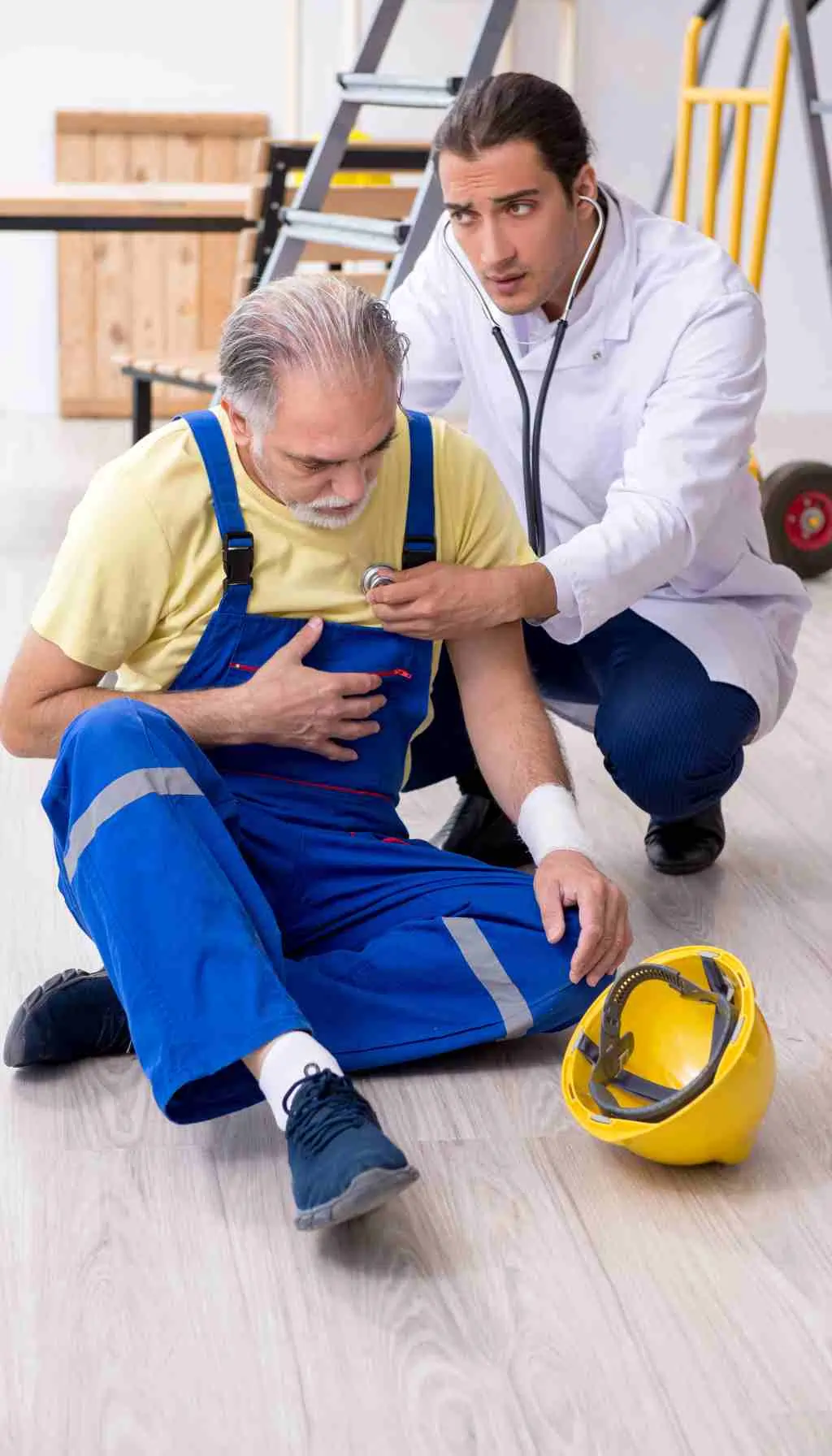
Walk onto any construction site or factory floor in Ireland, and you’ll see a culture that prizes physical strength and the ability to “push through” problems. Those qualities matter. But they can also stop men from flagging health issues that put their own safety, and their colleagues’, at risk.
Research consistently shows men are less likely than women to seek medical help, report pain, or admit to mental health struggles. In male-dominated industries like construction and manufacturing, that tendency is made worse by workplace cultures that can treat health concerns as a sign of weakness.
The Stigma Factor
The stigma around men’s health in traditional industries isn’t just cultural it’s economic. Many workers worry that raising a health issue could affect their job, especially where physical capability is closely linked to employment. The result is a dangerous cycle: health problems get hidden until they cause an incident.
The hidden cost is significant. A large share of workplace incidents in male-dominated industries involve workers who were dealing with unreported health issues at the time whether that’s physical discomfort, medication side effects, mental health struggles, or fatigue affecting judgment.
Why These HSEQ Trends Matter for Irish Businesses
These aren’t distant issues. They’re current realities, and forward-thinking Irish businesses are already acting on them. The companies that adapt now will have a clear edge when these practices become the norm. Just as important, these HSEQ trends offer real answers to problems Irish workplaces already face.
The three themes also fit neatly with Ireland’s wider goals. AI supports our digital transformation agenda. Mental health focus supports national wellbeing initiatives. Sustainability integration supports climate action commitments. Getting ahead of these trends isn’t just about matching international best practice it’s about positioning your business for success in Ireland’s changing economy.
Trend #1: The AI Revolution in Health and Safety
AI dominated conversations at every major European safety summit in 2025 but not in a science-fiction way. The AI tools reshaping workplace safety are practical, proven, and increasingly within reach of Irish SMEs.


From Reactive to Proactive: The Role of Predictive Analytics
To start with, the biggest use of AI in safety right now is predictive analytics. In short, that means using data patterns to spot and stop incidents before they happen. For example, Irish makers are already using AI to look at kit data, weather, and worker habits to see when incidents are most likely.
Even so, this is not about replacing human judgment. Instead, it is about backing it up with insights that are too subtle to spot by hand. For example, AI tools can sift through thousands of data points kit vibration, weather, shift rosters to flag small signs of rising risk.
Beyond that, real-world uses cover tracking to check rules are followed, maintenance alerts to stop kit breakdowns, and smarter incident reviews that find root causes faster.
Lining Up With the HSA Digital Strategy
On top of that, the Health and Safety Authority’s digital tools give Irish firms a ready base for AI. For instance, tools like BeSMART.ie and hsalearning.ie already create the kind of tidy data AI needs to give useful insights. As a result, if you are already using these tools, you are well placed to take the next step.
How Irish Firms Can Start With AI
Above all, you do not need a huge budget or a tech team to start using AI in safety. To begin, start with the data you already have: incident logs, checks, training records. Then look for patterns. In fact, many AI tools for safety are now cloud-based, so there is no kit to install.
Trend #2: Mental Health and Psychosocial Risk Management
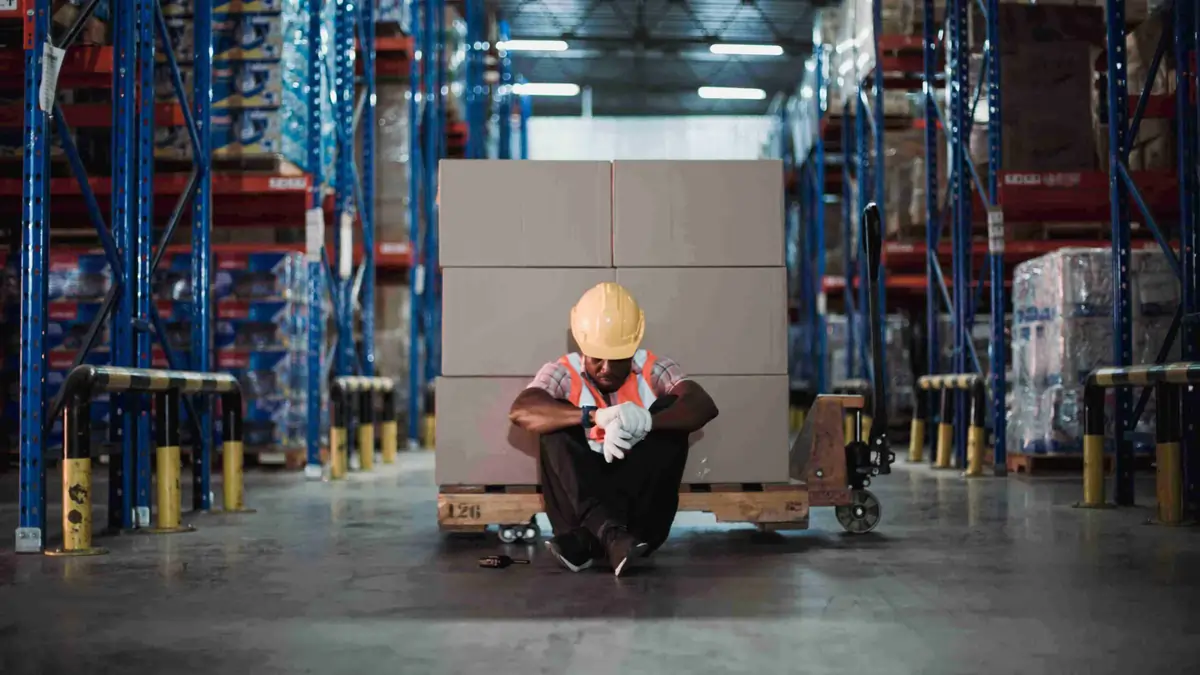
The second big HSEQ trend is a real shift in thinking. Mental health is no longer a separate HR issue. It’s now recognised as a core safety management concern. For Irish businesses given our cultural attitudes to mental health and the growing focus on psychological safety this trend matters more than most.
ISO 45003:2021: The Game-Changing Standard
To elaborate, ISO 45003:2021 Psychological Health and Safety at Work is the first global framework for dealing with mental risk as part of a safety system. Moreover, it is gaining ground across Europe and gives Irish firms a clear way to treat mental health as a safety issue.
In essence, the standard reflects what studies have long shown. Namely, workers who feel unsafe to speak up are more likely to have injuries at work. When people feel stressed, unsupported, or unheard, their risk of harm goes up.
From Awareness to Systems
As a next step, most Irish firms have moved past basic awareness weeks. What they need now is a system for dealing with mental risk. In practice, that means spotting the things at work that drive stress. These include heavy loads, unclear roles, poor chat, or lack of control. Then you manage them in the same way you manage any other hazard.
On top of that, the HSA’s guidance on workplace wellbeing backs up this approach. Above all, it is based on the duty under the Safety, Health and Welfare at Work Act 2005. That duty says firms must safeguard the safety, health and welfare of staff as far as is reasonably doable. This clearly includes mental wellbeing.
How to Put This Into Practice
In any case, you do not need to change the whole firm overnight. To begin, start with a risk check. Next, spot the things that drive stress and worry in your own workplace. Then use the same steps as for physical risk: spot hazards, check risks, put controls in place, and track how well they work.

Trend #3: Sustainability and Green HSE Integration
Thirdly, the next big HSEQ trend is the way green goals and safety are now merging. For Irish firms, this matters as we work towards our climate promises. At the same time, new green ways of working bring fresh safety issues that need managing.
New Green Jobs, New Hazards
For example, Ireland’s shift to a green economy is creating new kinds of work. These include solar and wind setups, EV repair, green building, and circular economy tasks. All come with new hazards. On top of that, these “green jobs” often use new tech, steps, and stuff. As a result, they need new risk checks and new safety steps.
In response, mixing ISO 14001 for green management with ISO 45001 for safety gives you a way to deal with these risks as one. Firms that use the two standards side by side, rather than apart, tend to see stronger results in both areas.
Safety in a Circular Economy
Likewise, Ireland’s push for the circular economy brings its own safety issues. As firms move away from “take-make-dispose” towards reuse, recycling and less waste, new steps appear. These include fresh handling rules, new storage needs, and new training needs. As a result, they all need to be built into your safety system from day one, not bolted on after.
Climate Action and Safety at Work
Along the same lines, Ireland’s Climate Action Plan has safety impacts that many firms have not fully thought through. For instance, as we roll out more solar and wind, fix up buildings, and use new tech, we need to make sure we are not creating new risks.
Even so, the business case for green safety is strong. Green changes often cut how much staff are exposed to harmful stuff, clean up the air, and make workplaces healthier. Likewise, energy upgrades often boost light, airflow and warmth. All of these back up staff safety and wellbeing.
Bringing All Three HSEQ Trends Together
Above all, the key takeaway from Europe’s safety events is not any single trend. Rather, it is the fact that all three are linked. As a result, the best HSEQ programmes treat AI, mental health, and green goals as one approach. They are not three separate tasks.
For example, AI tools can track both physical and mental risks while also tracking green output. Mental health work boosts staff buy-in for both safety and green plans. In turn, green steps often boost working conditions and wellbeing. This creates more data for AI to learn from.
In fact, leading firms across Europe are already building HSEQ systems that do all of this at once. As a result, the outcomes are better than what you get from running each area apart.
What This Means for Your Irish Business
Overall, these HSEQ trends are both a chance and a challenge. Firms that act now will be ahead of the curve when these steps become the norm. On top of that, they offer real answers to problems many Irish firms are already trying to solve.
Your First Practical Steps
To be honest, you do not have to tackle all three trends at once. Instead, start where it makes the most sense for your business. For example, if you already track safety data, look at AI tools that can turn it into useful insights. Likewise, if stress or staff turnover is high, start with a mental risk check. Similarly, if you are rolling out green changes, build safety in from day one.
As a simple starting list: check your data to see where predictive tools could help, run a mental risk check across your workplace, review your green plans for safety impacts, invest in training that mixes safety with new tech, try out digital tools like AR and VR that back up joined-up HSEQ, and tap into HSA guidance and local groups to learn from others.
Need help with your next audit? In that case, check out our Consultancy Services for expert help. Alternatively, sign up for our HACCP Level 3 Course to make sure your team is fully on top of the rules.

A Modern Approach: Tech Meets People-Led Safety
In summary, the HSEQ trends from Europe’s top safety events point to a future where tech backs up people-led safety. Rather, it does not replace it. AI brings better data. Digital tools bring better flow. However, human judgment, good chat, and strong culture stay at the heart of safe work.
Therefore, this balance tech plus human insight is where HSEQ is heading. Firms that get the mix right will see better safety outcomes, stronger buy-in, and better business results. In contrast, firms that stick to old ways, or try to swap out human judgment for tech alone, will fall behind.
For Irish firms, this is a chance to lead rather than follow. Our mix of tech skill, strong safety culture, and taste for new ideas puts us in a good spot to roll out these joined-up ways of working.
How to Stay Ahead of the Curve
Finally, the insights from Europe’s top safety events are not long-range guesses. On the contrary, they are clear signs of where HSEQ is heading right now. As a result, firms that start acting on these HSEQ trends today will be well set as they shift from edge to norm.
What’s more, the Irish business scene is well placed for this shift. Our rulebook is strong. Our state plans are backing it up. Our business culture is open to new ideas. Together, these give us a solid base for smarter, kinder, and greener HSEQ systems.
All in all, the talk about modern HSEQ has moved past old-school rule-checking. In its place, it now covers new tech, people-led design, and green practice. That is both a challenge to move on from the old ways and a chance to get better outcomes through smarter, joined-up methods.
To sum up, the future of HSEQ is joined-up, smart, and people-led. The only real question is whether your firm will lead the shift or have to catch up later.
Lead the Shift, Don’t Catch Up
All in all, the talk about modern HSEQ has moved past old-school rule-checking. In its place, it now covers new tech, people-led design, and green practice. That is both a challenge to move on from the old ways and a chance to get better outcomes through smarter, joined-up methods.
To sum up, the future of HSEQ is joined-up, smart, and people-led. The only real question is whether your firm will lead the shift or have to catch up later.
Keeping Training Current Is Genuinely Possible 2026
Keeping Training Current Keeping training current means updating compliance courses as soon as regulations change, not on a fixed annual cycle. Most training falls out of date quietly, long before anyone notices. AI-accelerated production makes fast updates...
HACCP Online Course Ireland, Get Certified Fast (Level 1, 2 & 3)
HACCP Online Course Ireland: 5 Proven Wins to Get Certified Fast From Any Device Who Needs a HACCP Online Course Ireland Certification What’s Included in a HACCP Online Course Ireland HACCP online course Ireland is the fastest and most flexible way to certify...

HACCP Level 3 Training Ireland, Food Safety for Managers
HACCP Training for Managers: Why HACCP Level 3 Is the Smart Career Move HACCP Training for Managers - Why It Matters in the Food Industry HACCP Training for Managers – What Level 3 Covers HACCP Training for Managers is the smart career move for anyone aiming to...
Food Safety for Food Manufacturers Ireland, HACCP Guide
HACCP Level 2 Training Ireland: What It Covers and Why You Need It HACCP Level 2 Training Ireland - What the Course Covers HACCP Level 2 Training Ireland – Core Topics and Modules HACCP Level 2 Training Ireland is an essential qualification for anyone working in...

Food Poisoning Ireland, Causes, Prevention & Legal Guide
Food Labelling Requirements Ireland: What Every Food Business Must Know Food Labelling Requirements Ireland - Allergen Labelling Explained Food Labelling Requirements Ireland – Allergen Declaration Rules Food Labelling Requirements Ireland are essential legal...
HACCP Level 1 Training Ireland, Online Course & Certification
HACCP Level 1 Training Ireland: Who Needs It and What Does It Cover? Who Needs HACCP Level 1 Training in Ireland? HACCP Level 1 Training Ireland – Roles That Require It HACCP Level 1 training provides introductory food safety knowledge for people who are new to...

Food Labelling Requirements Ireland, FSAI Guide & Rules
Food Labelling Requirements Ireland What Irish and EU Law Requires on Every Food Label What the Law Requires Under EU Regulation (EC) No 1169/2011 (the Food Information to Consumers Regulation) and Irish food safety law, all pre-packed food sold in Ireland must carry...
Is HACCP Training a Legal Requirement in Ireland?
HACCP Training Ireland: 5 Proven Steps to Get Certified Fast 5 Proven Steps to Get HACCP Training Ireland Certified What HACCP Training Ireland Actually Covers HACCP training Ireland is a legal requirement for every food business operating in the country from...
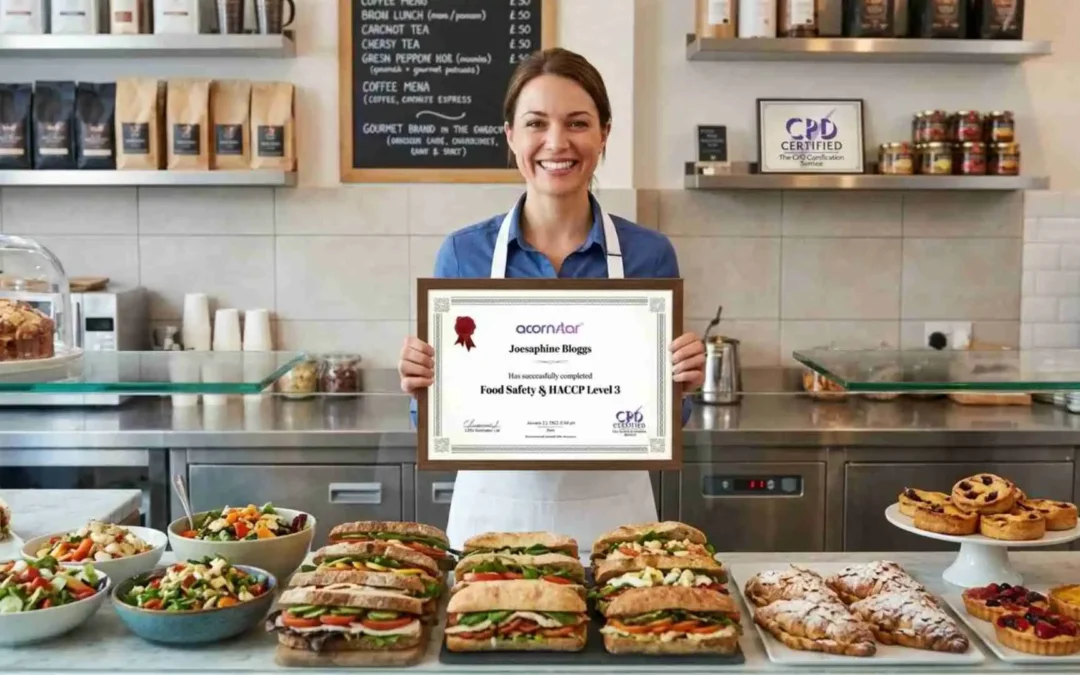
HACCP Training for Small Food Businesses Ireland
HACCP Training for Small Food Businesses Ireland: A Practical Guide HACCP training for small food businesses in Ireland is a legal requirement, regardless of the size of your operation. Whether you run a café, food truck, bakery, or home-based food business, you must...
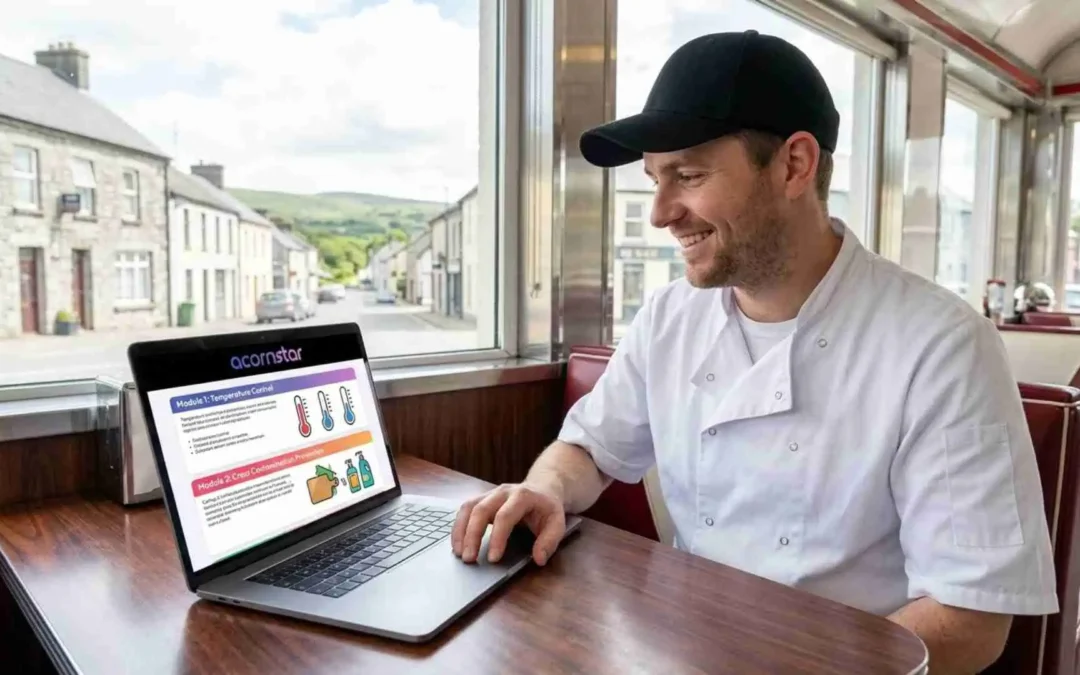
HACCP Certification Ireland, Get Certified Online Fast
HACCP Certification Ireland: 5 Proven Steps to Get Certified Fast 5 Proven Steps to Get HACCP Certification Ireland Approved HACCP Certification Ireland Levels: Which One Do You Need? HACCP certification Ireland is a legal requirement for every food business operating...